Math application skills Worksheets for Ages 6-8
3 filtered results
-
From - To
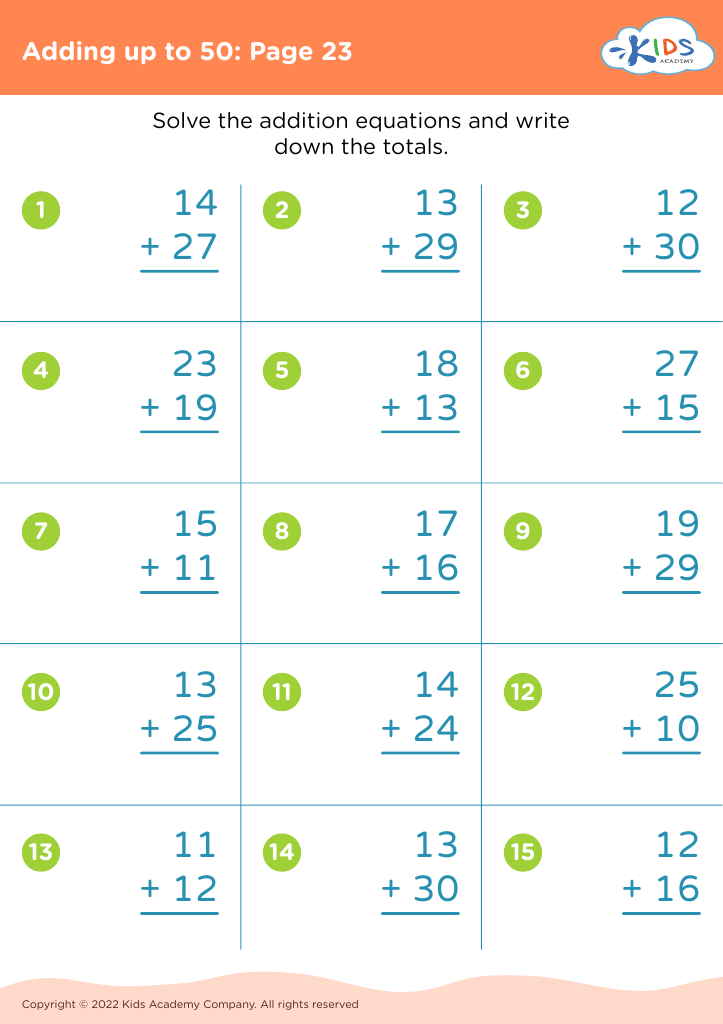
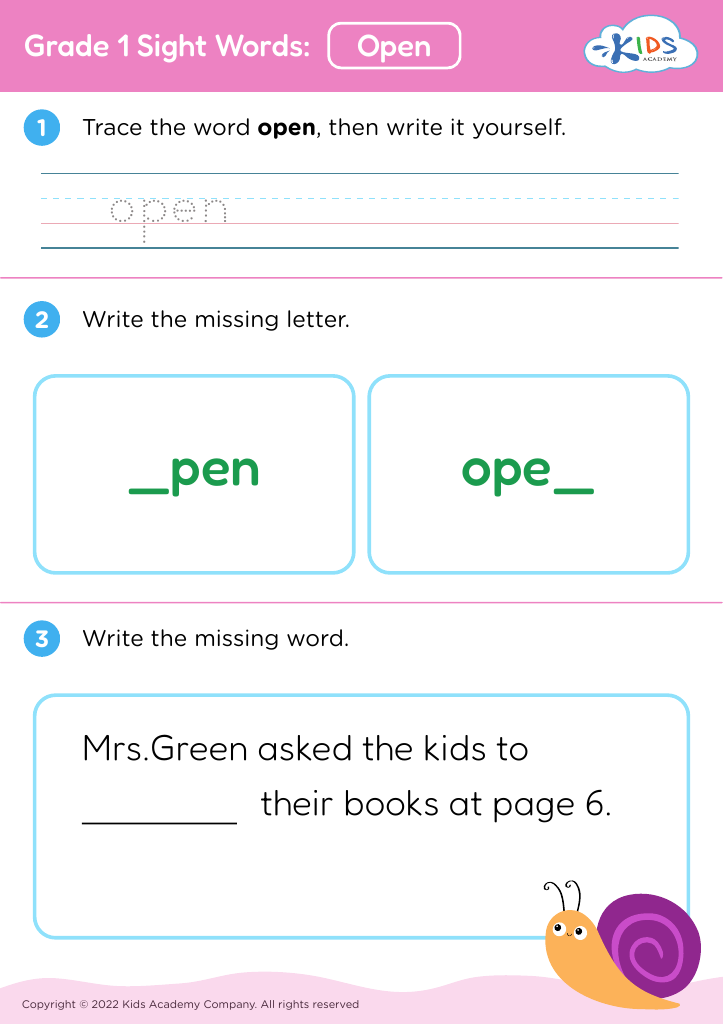
Discover engaging Math Application Skills Worksheets for ages 6-8, designed to enhance young learners' understanding of real-world math concepts. Our worksheets provide interactive and fun activities that help students practice essential skills like addition, subtraction, and word problems in practical settings. Each worksheet encourages critical thinking and problem-solving, making math relatable and enjoyable. Perfect for classroom use or at-home practice, these resources support teachers and parents in fostering a solid math foundation. Explore our diverse range of printable worksheets to ensure your child gains confidence and proficiency in mathematics. Empower their learning journey today with our thoughtfully crafted materials!
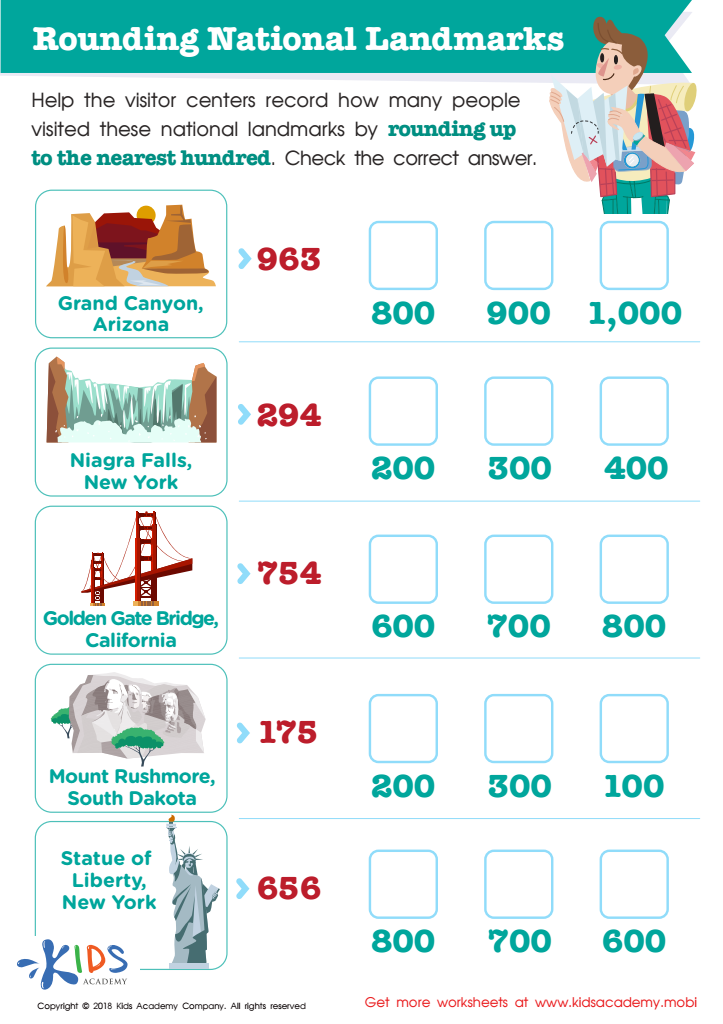
Rounding National Landmarks Worksheet
 Assign to My Students



.jpg)



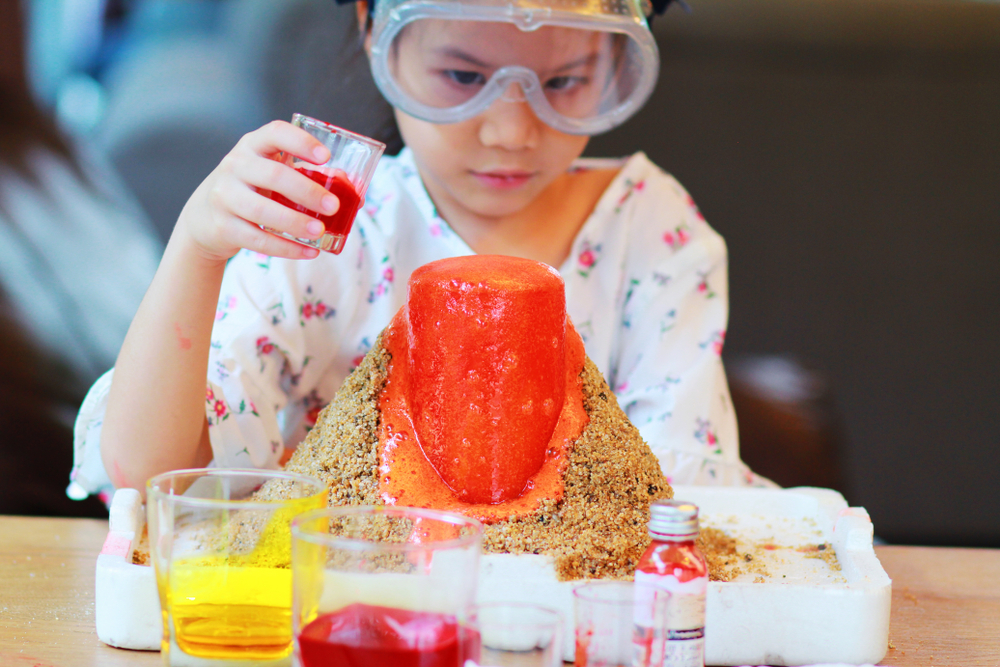
Parents and teachers should care about math application skills for children ages 6-8 because these foundational skills set the stage for future academic success and everyday problem-solving. At this age, children are developing critical thinking and logical reasoning abilities, which are essential for understanding complex concepts later in life. Math application skills help children learn how to apply mathematical concepts in real-world situations, fostering a sense of relevance and engagement in their learning.
Moreover, early mastery of math application promotes confidence in students, reducing math anxiety as they progress in their education. It encourages them to think creatively about solutions, enhances their ability to work collaboratively in group settings, and develops perseverance in tackling challenges. Math is not just about numbers; it's about learning how to analyze situations, make decisions, and implement solutions.
Furthermore, these skills support interdisciplinary learning, as math is integral to subjects like science, economics, and even art. By emphasizing math application in their curricula, teachers and parents can equip children with versatile skills that empower them to navigate their day-to-day activities and set a strong foundation for lifelong learning. Ultimately, fostering math application skills is crucial for preparing children for an increasingly complex world.








