
Recognize shapes Worksheets for Ages 6-8
11 filtered results
Difficulty Level
Grade
Age
-
From - To
Subject
Activity
Standards
Our "Recognize Shapes Worksheets" cater to children aged 6-8, providing an engaging way to learn geometry basics. These expertly-designed printable worksheets offer diverse activities to help kids identify and categorize various shapes, enhancing both cognitive and fine motor skills. Through fun exercises and colorful illustrations, children will enjoy identifying triangles, squares, circles, and more. Ideal for home or classroom use, these worksheets are aligned with educational standards to support early math proficiency. Give your child a head start in spatial awareness and logical thinking with our enjoyable and educational shape recognition resources. Perfect for young learners!
Favorites
With answer key
Interactive
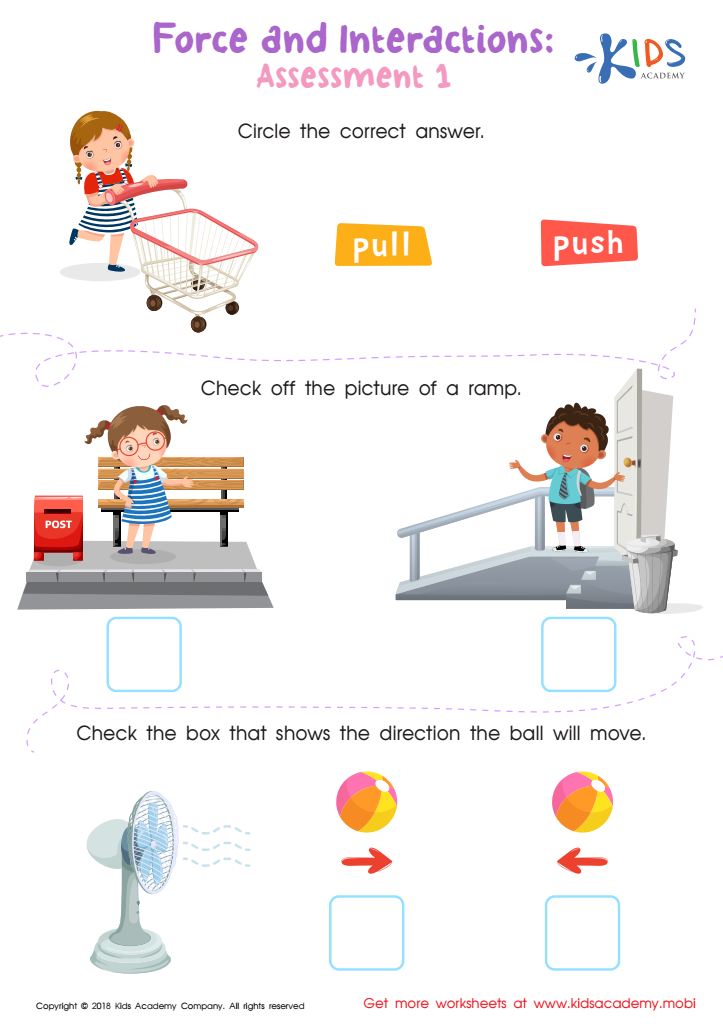
Force and Interactions: Assessment 1 Worksheet
Test your students' knowledge of pushing, pulling, ramps and wind with this worksheet. The first task requires them to identify push or pull pictures. The second asks them to identify a ramp and the third to explain which direction a ball will move when exposed to wind.
 Assign to My Students
Force and Interactions: Assessment 1 Worksheet
Worksheet
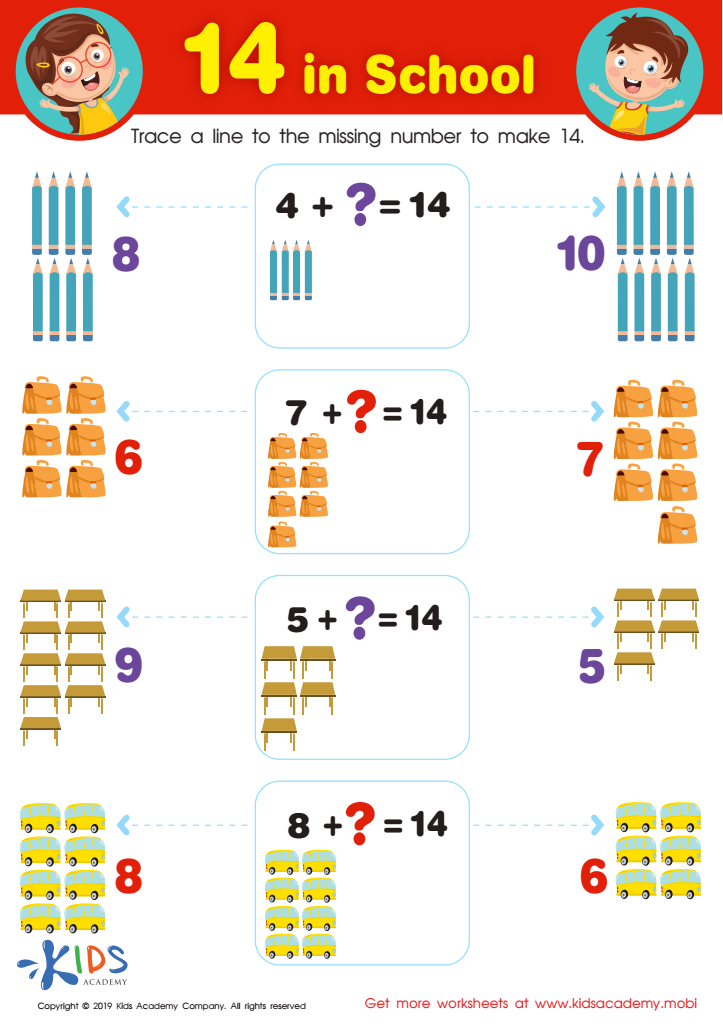
14 in School Worksheet
Remind your kids that adding different sets of numbers can give the same total (e.g. 2+3=5, 4+1=5). Ask them for more examples. Afterwards, work through the exercise. Help them count the objects and trace a line to the missing number that makes the total 14.
14 in School Worksheet
Worksheet
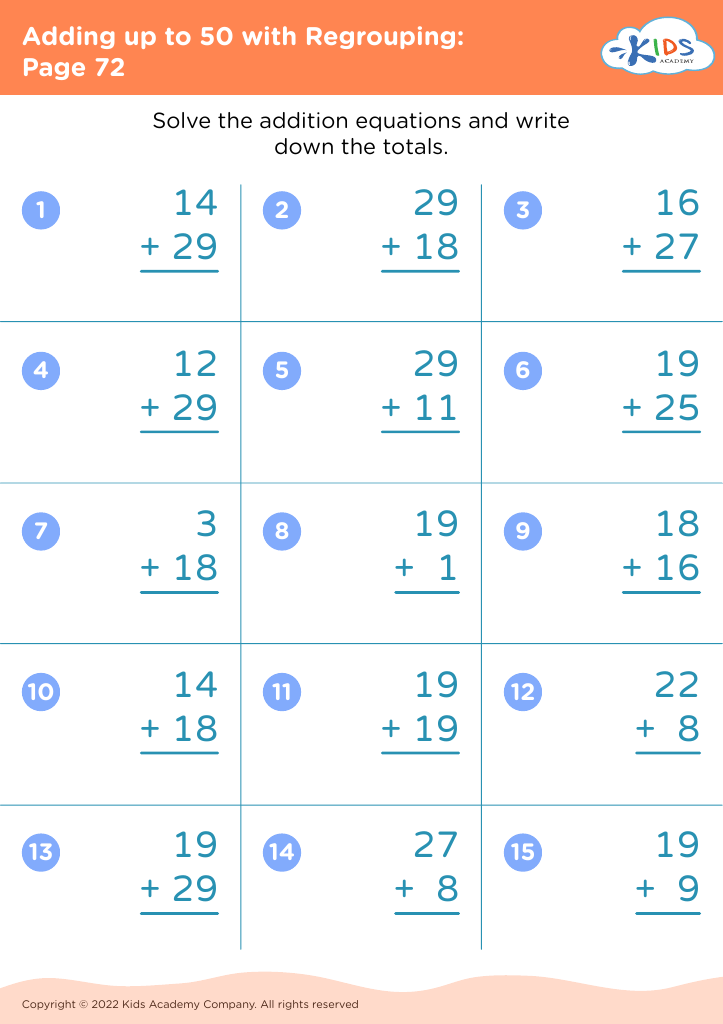
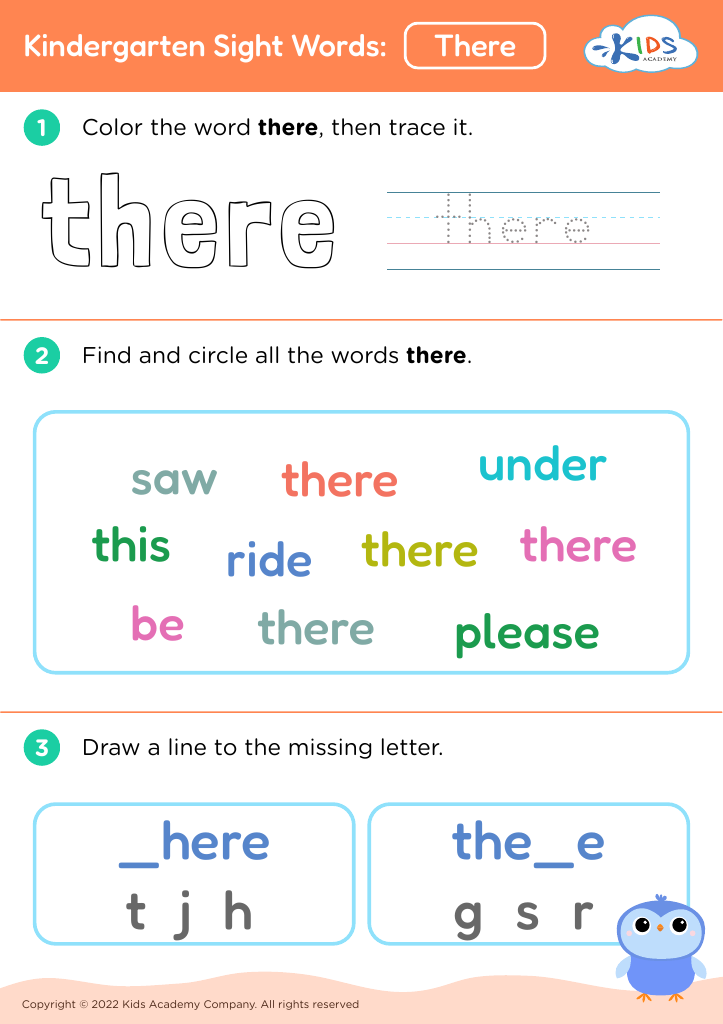
Join Kids Academy for Free
Who is primarily going to use this learning content?






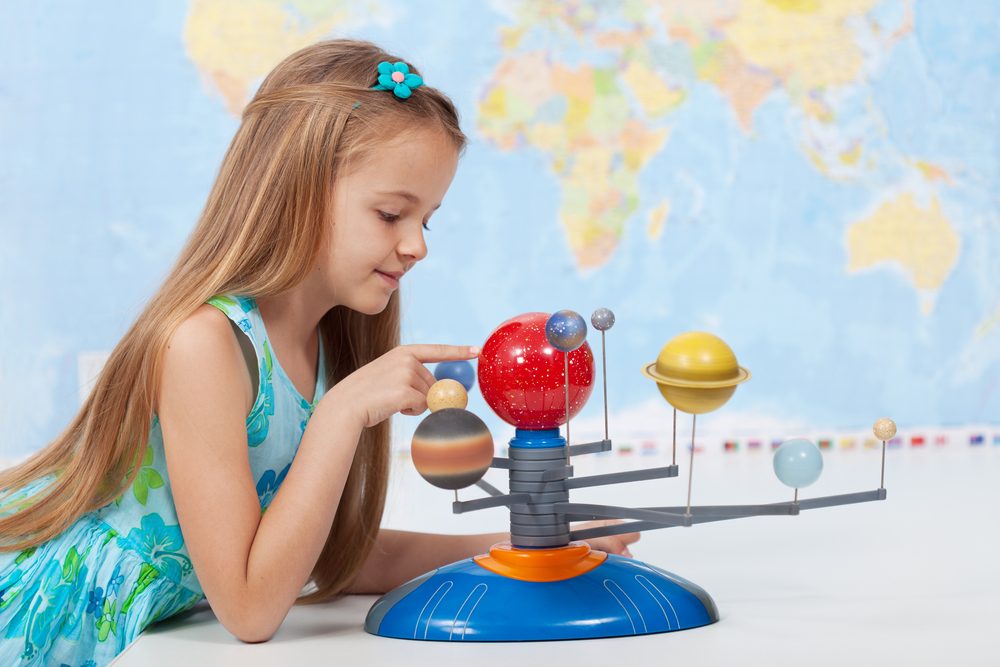
Shapes are fundamental building blocks in the early stages of a child's cognitive development, making their recognition paramount for ages 6-8. At this age, children are beginning to understand and navigate the world around them, and recognizing shapes aids in this exploration. For parents and teachers, fostering shape recognition is essential for several reasons.
Firstly, shape recognition enhances visual perception skills. When children identify and differentiate between shapes, they boost their ability to observe and analyze various visual cues, which are crucial for reading and writing.
Additionally, recognizing shapes lays the groundwork for geometry, a key component of the math curriculum. Understanding properties of different shapes, like triangles and squares, helps children grasp more complex mathematical concepts in the future.
Shapes are also interconnected with problem-solving skills. Sorting, classifying, and comparing shapes require logical thinking and pattern recognition, promoting analytical thinking and creativity.
Furthermore, shapes appear in everyday life, from road signs to toys. Being able to identify shapes aids children in interpreting their environment more effectively, thus enhancing their spatial awareness.
Cultivating shape recognition fosters academic growth and helps children better understand and interact with the world, making it a crucial element of early education.








