Boost your child's number recognition skills with our engaging Recognizing Numbers Worksheets designed for ages 6-8. Crafted by educational experts, these printable activities offer fun and interactive ways for young learners to identify, trace, and understand numerical values. Whether it's through colorful exercises, number matching games, or creative counting tasks, each worksheet aims to enhance children's numeracy while keeping them entertained. Perfect for home or classroom use, our worksheets help build a strong mathematical foundation, essential for future success. Empower your child’s learning journey with our top-notch resources focused on effective and enjoyable number recognition practice.

Check out this FREE "Recognizing numbers" Trial Lesson for age 6-8!

Understanding Place Value Ones and Tens

Favorites
With answer key
Interactive
  • 6-8
  • Recognizing numbers
Green Digit Value Worksheet

Green Digit Value Worksheet

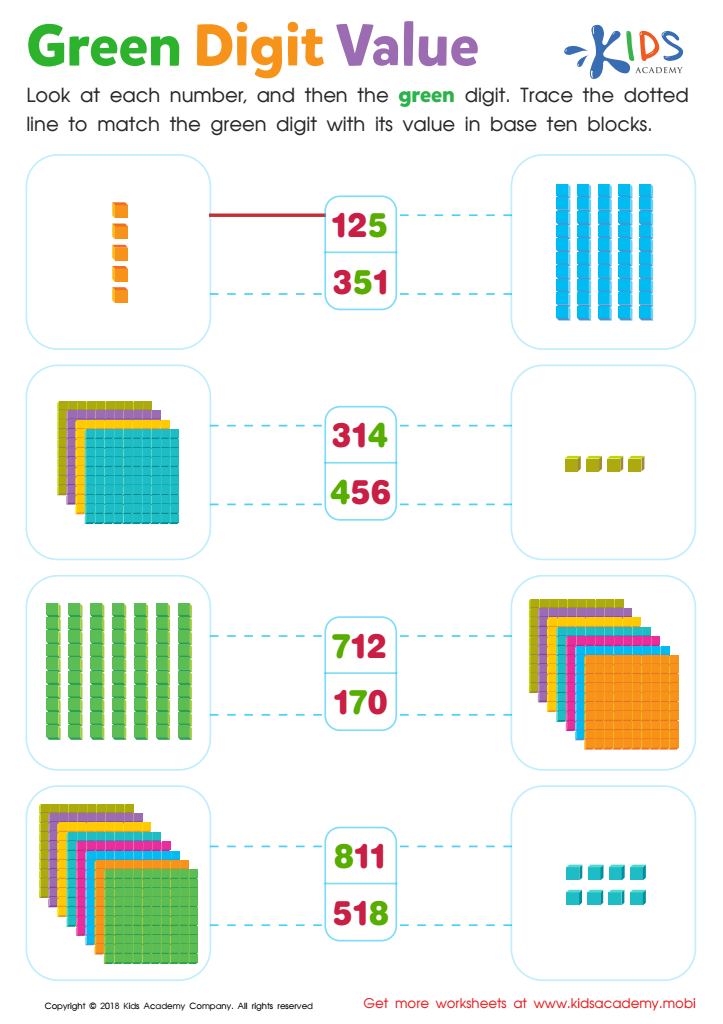
Math can be stressful for kids. But you can help relieve their anxiety with this simple worksheet. It gives them practice to help them prepare for tougher tasks. Have your child look at the numbers and green digit, then trace the dotted lines to match the green digit with its value in base ten blocks. This will help make math more manageable.
Green Digit Value Worksheet
Worksheet
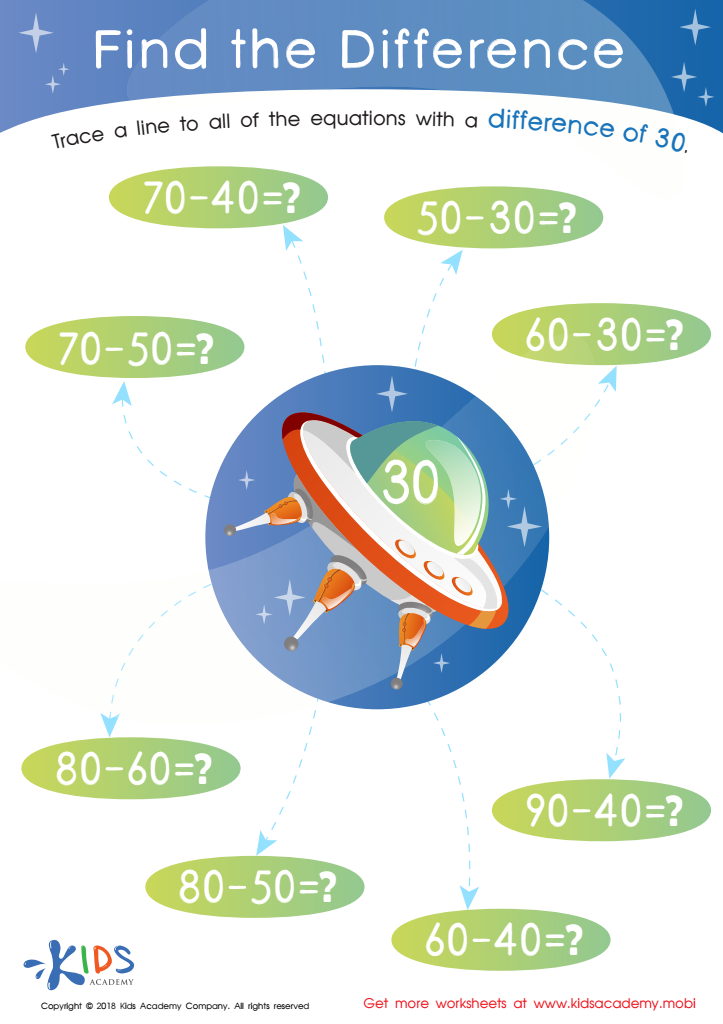
Find The Difference Worksheet

Find The Difference Worksheet

Kindergarteners need to work out subtraction problems and get the right answers. To help them, point to the alien ship with '30' in it on the worksheet. Get them to follow a line to the equations with a difference of 30. Solving these simple subtraction problems will give the answers.
Find The Difference Worksheet
Worksheet
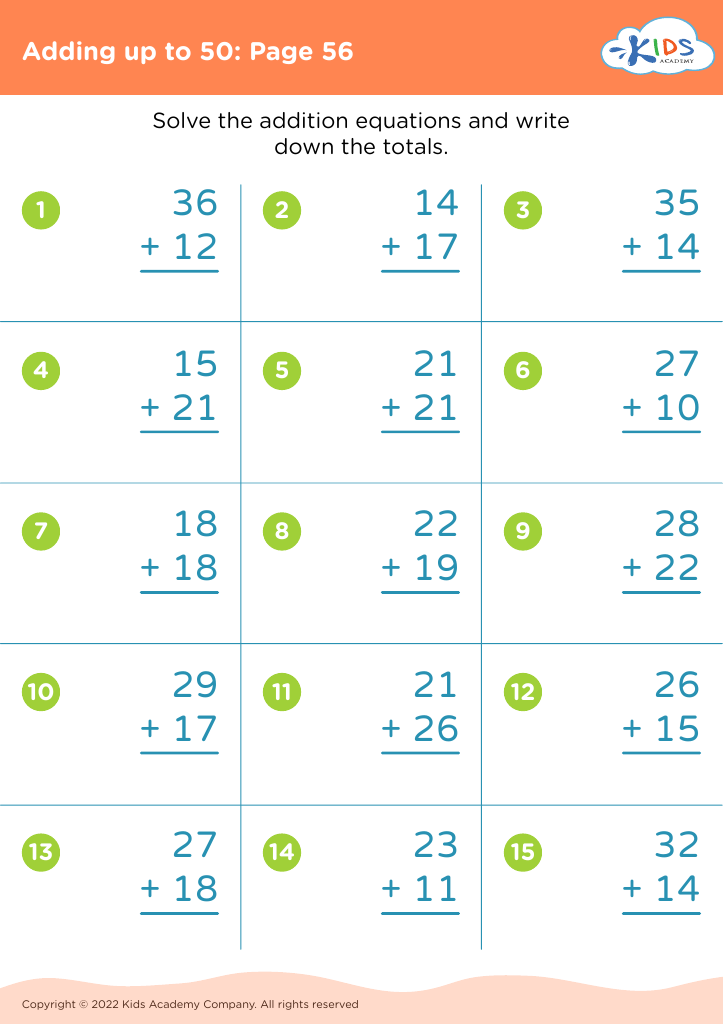
Adding up to 50: Page 56

Adding up to 50: Page 56

Adding up to 50: Page 56
Worksheet
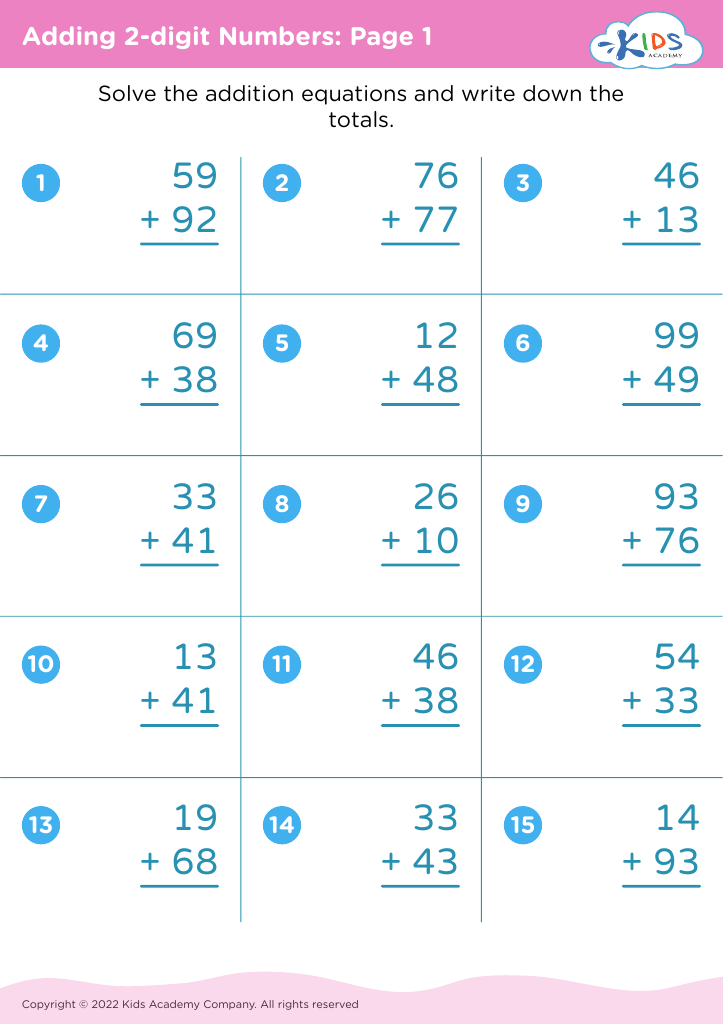
Adding 2-digit Numbers: Page 1

Adding 2-digit Numbers: Page 1

Adding 2-digit Numbers: Page 1
Worksheet
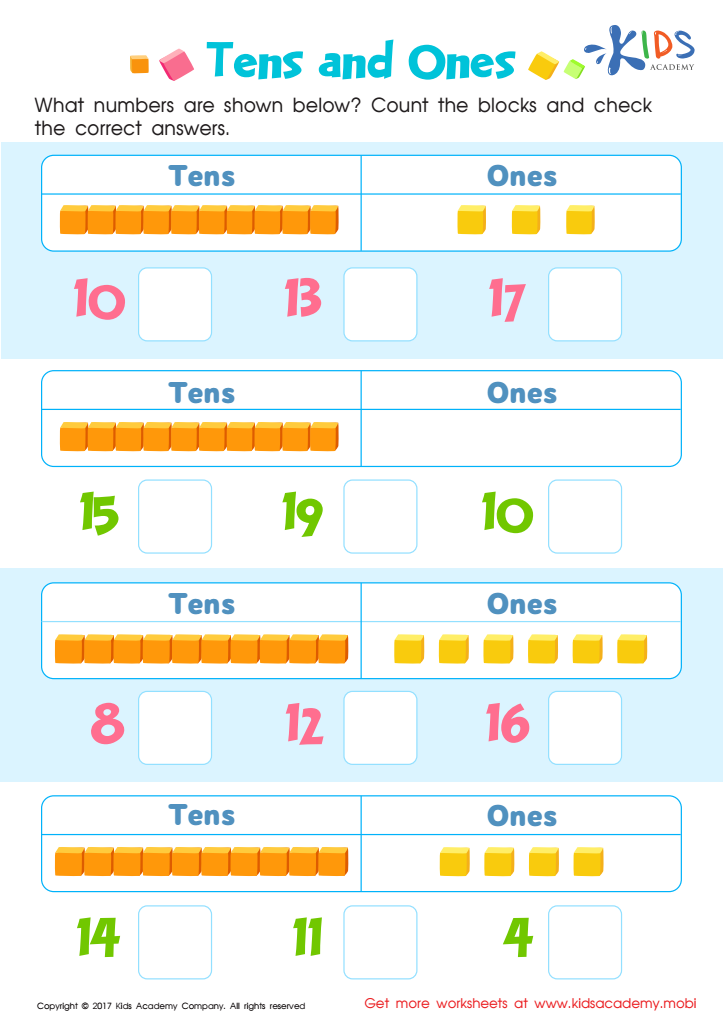
Tens and Ones Worksheet

Tens and Ones Worksheet

Help your child make math fun with this worksheet! Count the blocks on both sides and enter the total in the box below the figures. This will help them overcome any math-related anxieties they might have and let them enjoy the learning process.
Tens and Ones Worksheet
Worksheet
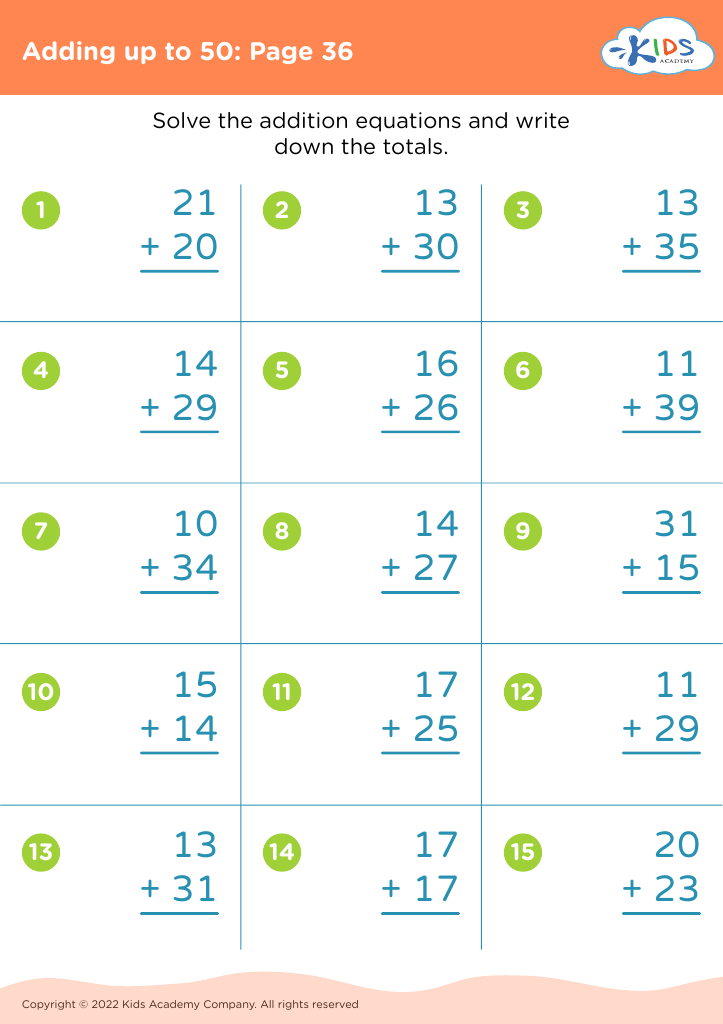
Adding up to 50: Page 36

Adding up to 50: Page 36

Adding up to 50: Page 36
Worksheet
Free place value worksheet PDF

Free Place Value Worksheet

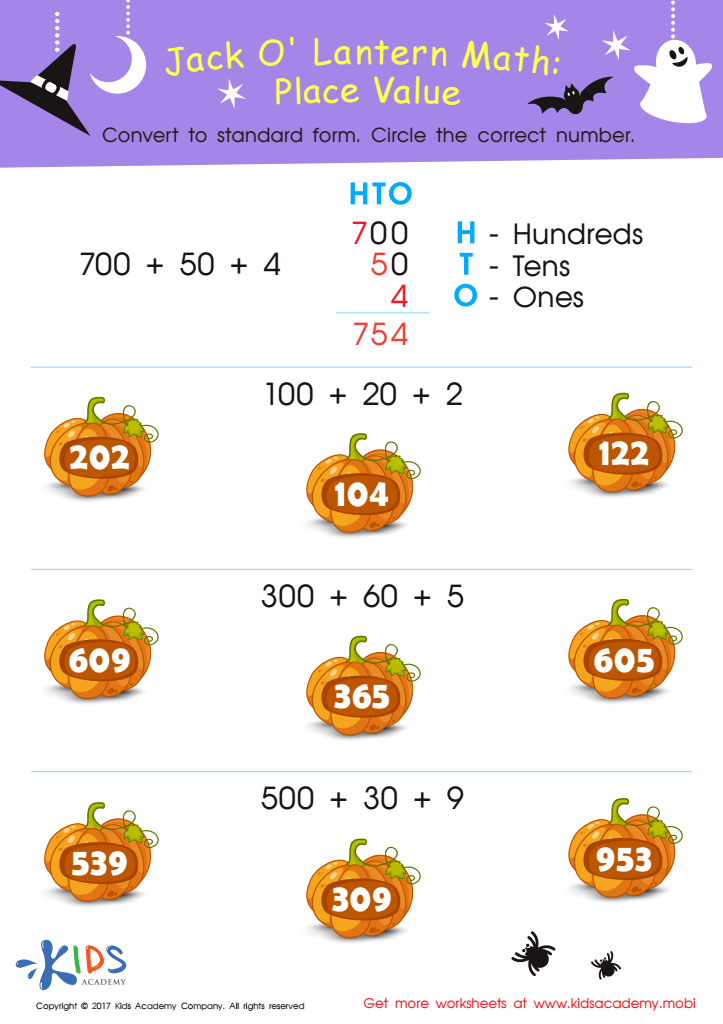
This Halloween-themed worksheet helps children practice converting equations to standard form and understand place value for better problem-solving. Download this free PDF for a fun way to do it!
Free Place Value Worksheet
Worksheet
Community Helpers: 1 less Worksheet
Community Helpers: 1 less Worksheet
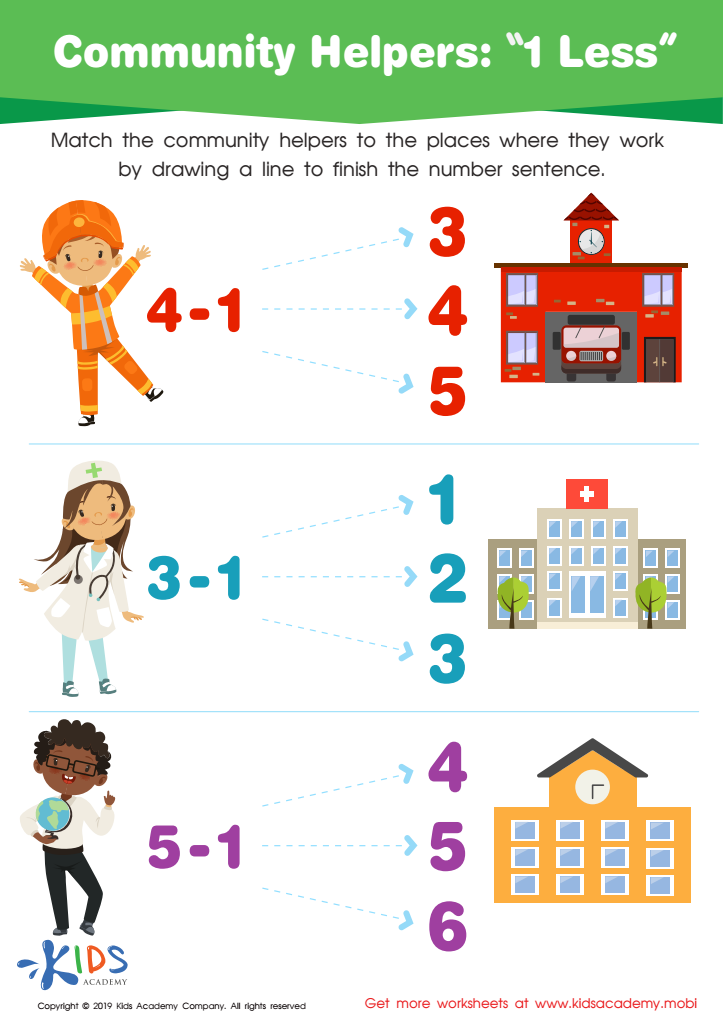
Look at this worksheet with your child and ask them to identify the different community helpers. Match them to the places where they work by drawing a line to finish the number sentence. This helps them identify the people that help keep the community organized and running smoothly. Examples of community helpers include doctors, police officers, firefighters, teachers, etc.
Community Helpers: 1 less Worksheet

Worksheet
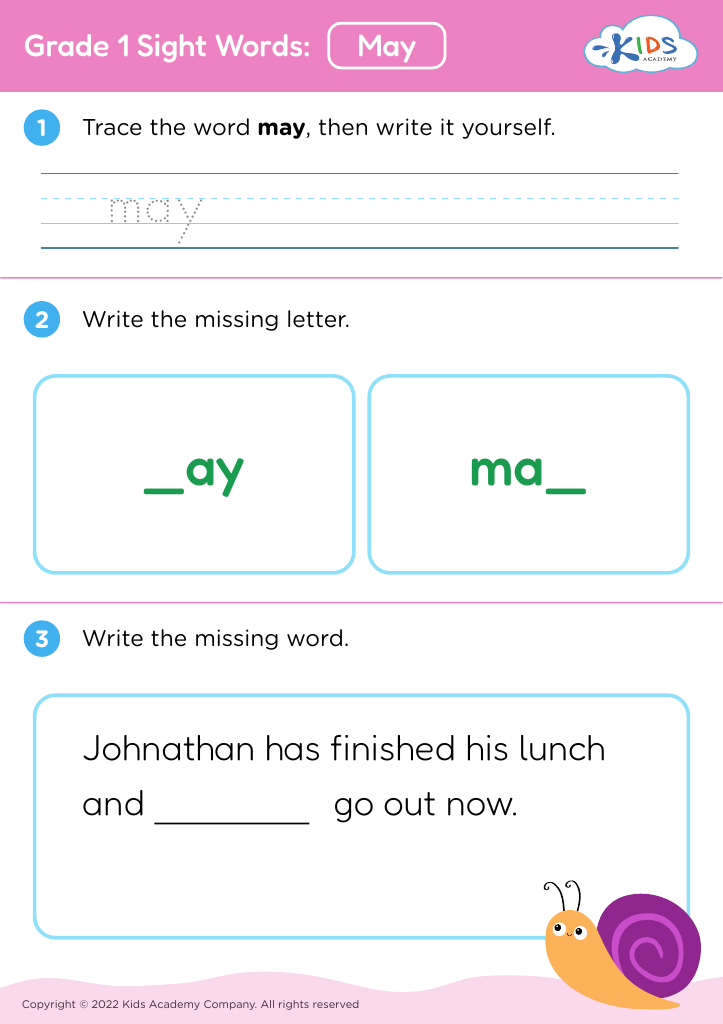
Grade 1 Sight Words: May

Grade 1 Sight Words: May

Grade 1 Sight Words: May
Worksheet
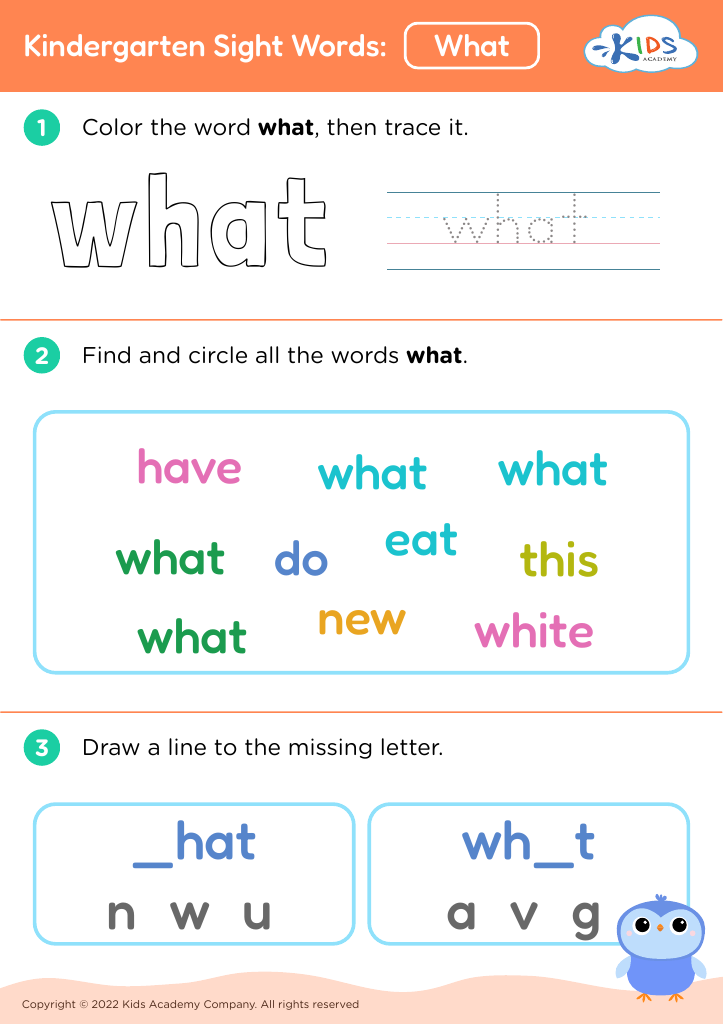
Kindergarten Sight Words: What

Kindergarten Sight Words: What

Kindergarten Sight Words: What
Worksheet
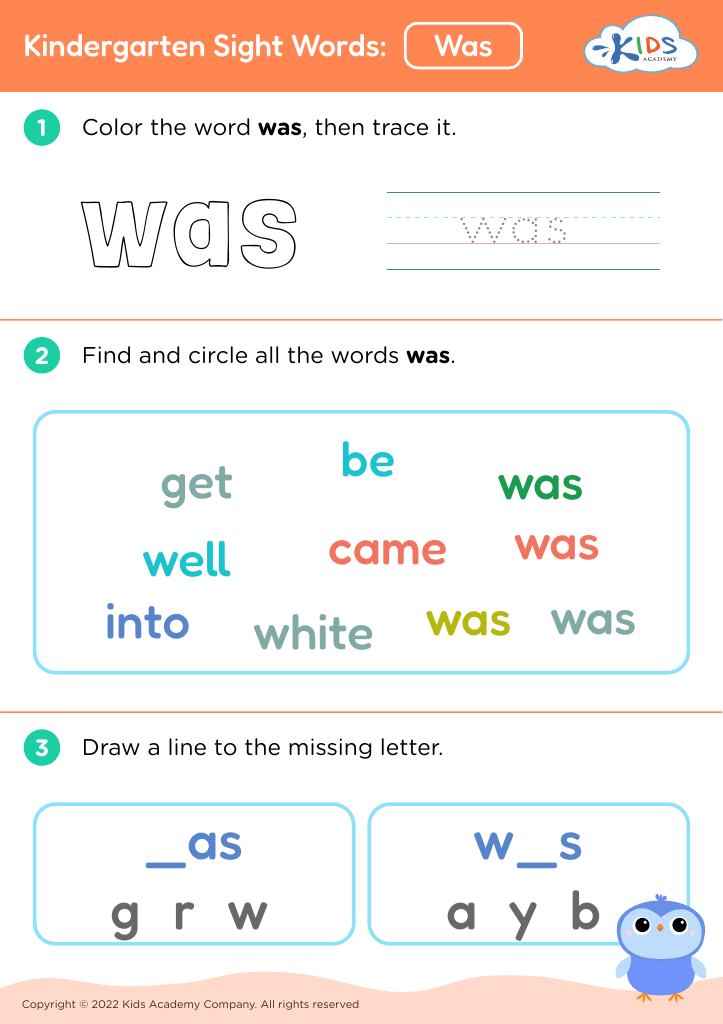
Kindergarten Sight Words: Was

Kindergarten Sight Words: Was

Kindergarten Sight Words: Was
Worksheet


Recognizing numbers is a foundational skill vital for children aged 6-8, methodically laying the groundwork for advanced mathematical understanding and real-life problem-solving. When children in this age group start to identify numbers with proficiency, it empowers them to engage more confidently with basic arithmetic operations—addition, subtraction, multiplication, and division. Furthermore, number recognition nurtures both logical thinking and pattern recognition skills, essential in myriad academic subjects beyond mathematics.

For parents and teachers, fostering a strong grasp of numbers early can directly impact a child’s academic trajectory, reducing math-related anxiety and fostering a positive, growth-oriented mindset toward learning. Consistent practice with numbers can bolster a child's self-esteem, making them more equipped to handle complex concepts later on.

In everyday life, numerical literacy is practical. Children who easily recognize numbers can better manage tasks such as telling time, measuring ingredients for a recipe, and comparing quantities or values, enhancing their autonomy and confidence. Beyond academics, these skills contribute to their ability to navigate a world where numerical information is ubiquitous, from understanding timetables to grasping the value of money. Ultimately, focusing on number recognition at this dismissive age not only accelerates academic success but also equips children with critical life skills.