Sequencing events Worksheets for Ages 6-8
7 filtered results
-
From - To
Discover our engaging Sequencing Events Worksheets tailored for ages 6-8. Perfect for honing essential reading and critical thinking skills, these printables guide children in arranging story elements in the correct order. Through fun activities, young learners enhance their understanding of narrative structure, logical flow, and time-related concepts. Our educator-approved worksheets feature vibrant visuals and kid-friendly themes to make learning enjoyable. By practicing with these resources, children build a solid foundation for more complex reading and writing tasks. Empower your kids to succeed academically and boost their confidence with our comprehensive sequencing events collection. Illuminate learning with Kids Academy today!
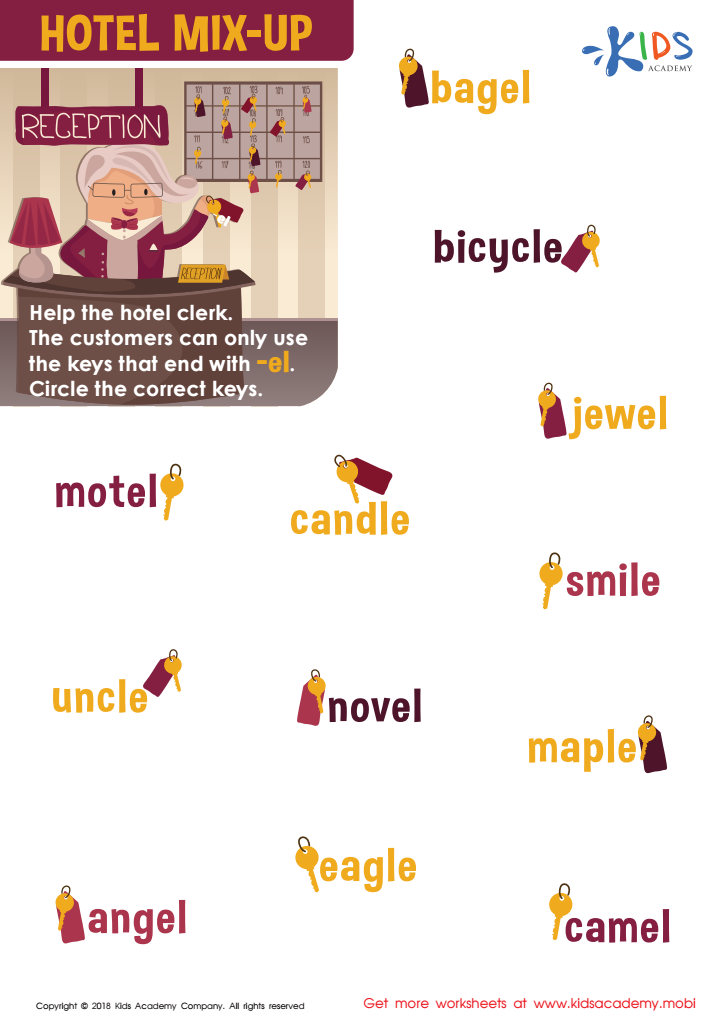
Hotel Mix-up Worksheet
 Assign to My Students
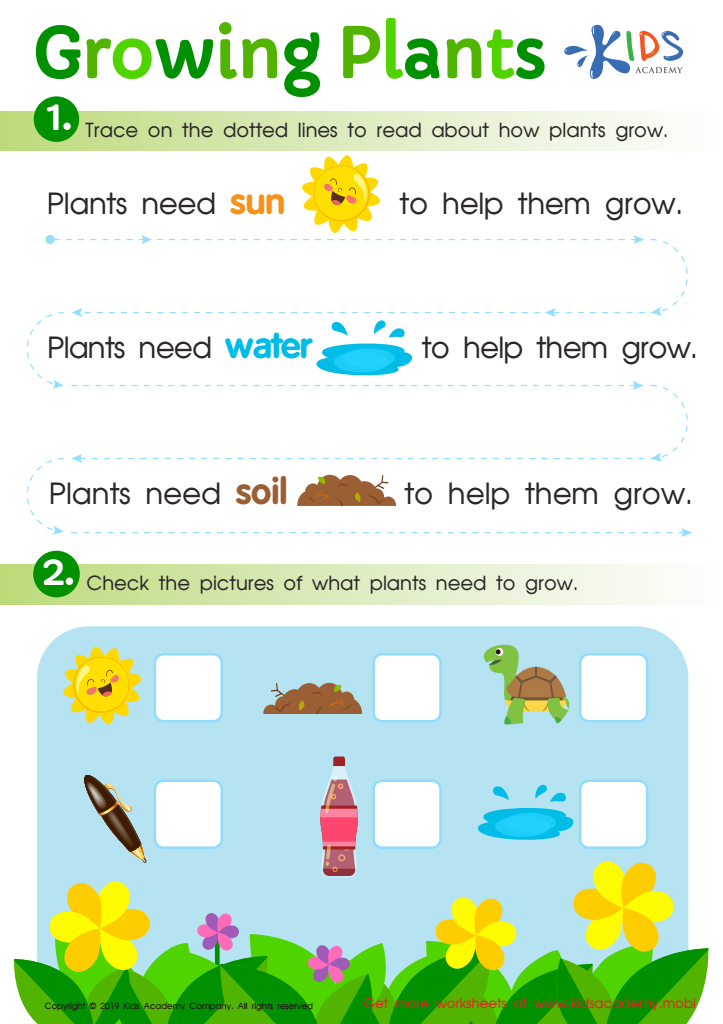
Growing Plants Worksheet
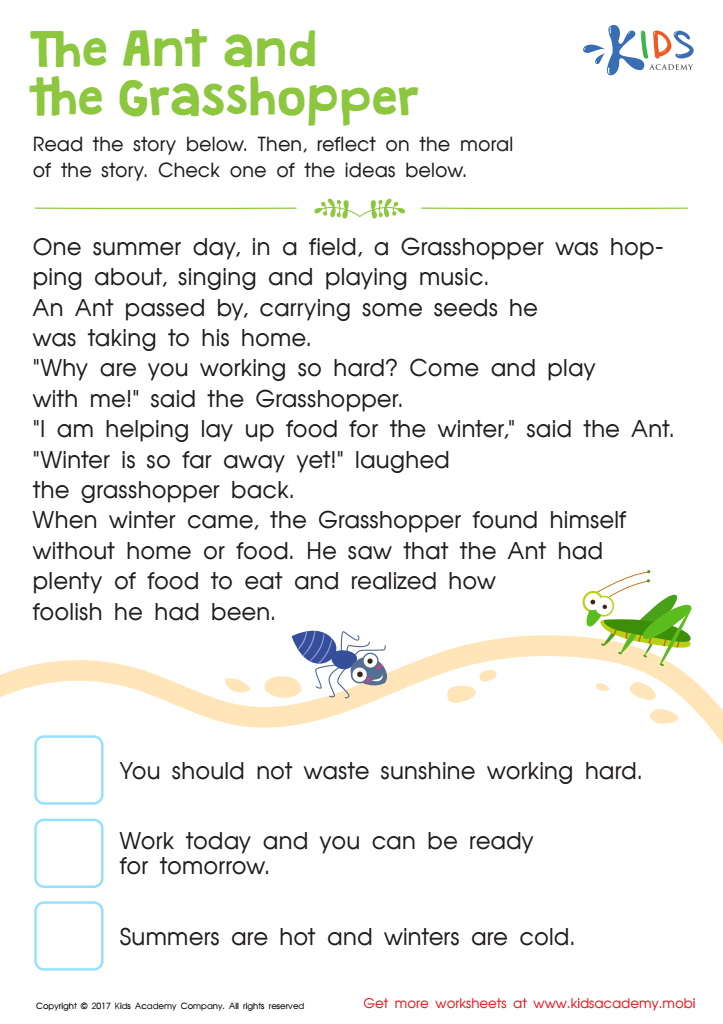
The Ant and The Grasshopper Printable

Emperor Penguin Journey Worksheet
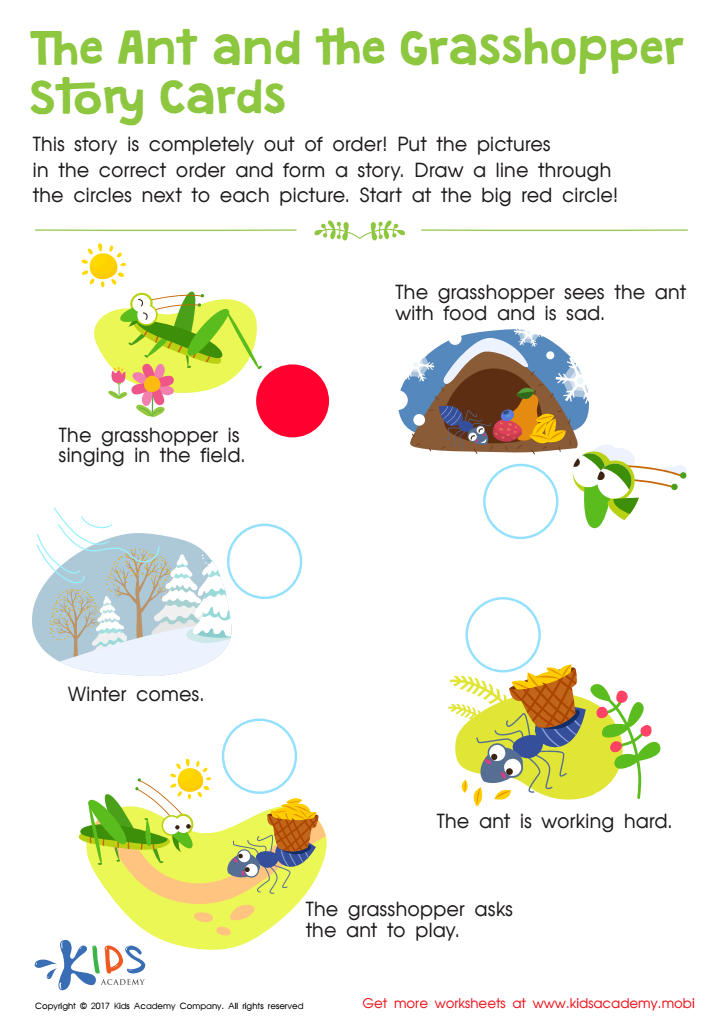
The Ant and The Grasshopper Worksheet
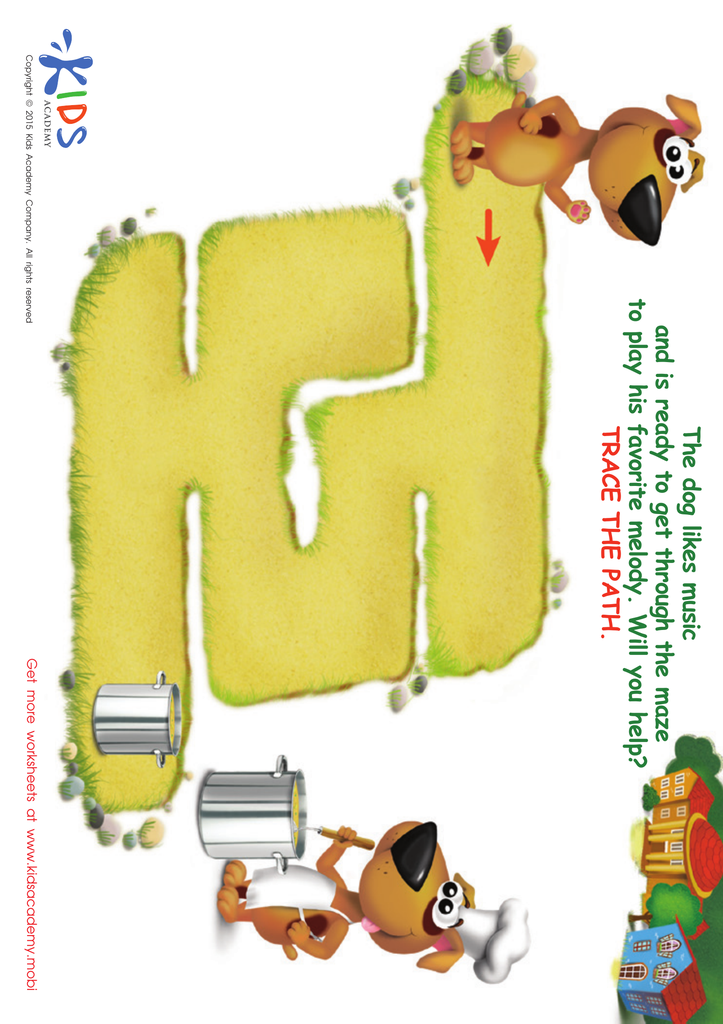
Cook Maze Worksheet
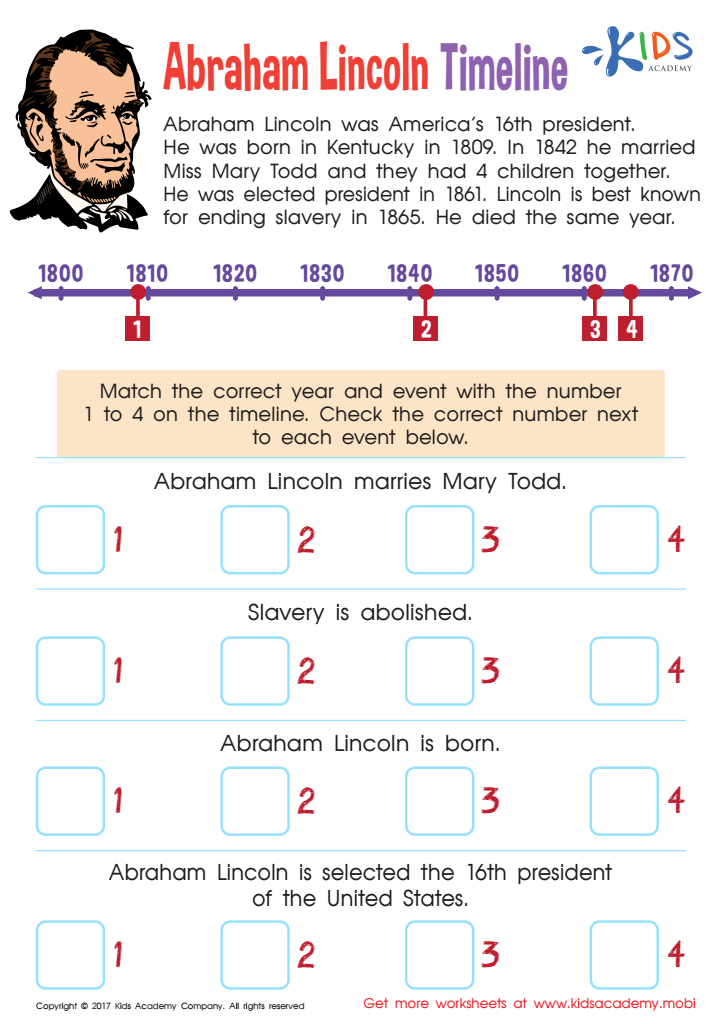
Abraham Lincoln Timeline Worksheet








Sequencing events is a fundamental skill for children ages 6-8, and parents and teachers should prioritize it for several reasons. Firstly, understanding sequence helps children grasp the concept of order and progression, which is vital for both reading comprehension and narrative storytelling. If a child can sequence events correctly, they are more likely to understand and retell stories accurately, improving their literacy skills.
Secondly, sequencing promotes critical thinking and logical reasoning. When children figure out the order of events, they learn to use clues, make inferences, and predict outcomes. This kind of thinking lays the groundwork for problem-solving abilities in more complex subjects like math and science.
Moreover, mastering sequencing aids in developing organizational skills. Knowing how to arrange tasks and follow steps in an orderly fashion can help children both in academic settings and in daily activities, fostering independence and self-confidence.
Lastly, sequencing events in stories often mirrors real-life scenarios, teaching children about time management and respecting the chronology of real events. This skill is beneficial for developing a sense of responsibility and understanding cause and effect in their environments.
In summary, focusing on sequencing events enhances literacy, critical thinking, organizational skills, and real-world understanding, making it a crucial part of early childhood education.








