Shape identification Worksheets for Ages 6-8 - Page 2
36 filtered results
-
From - To
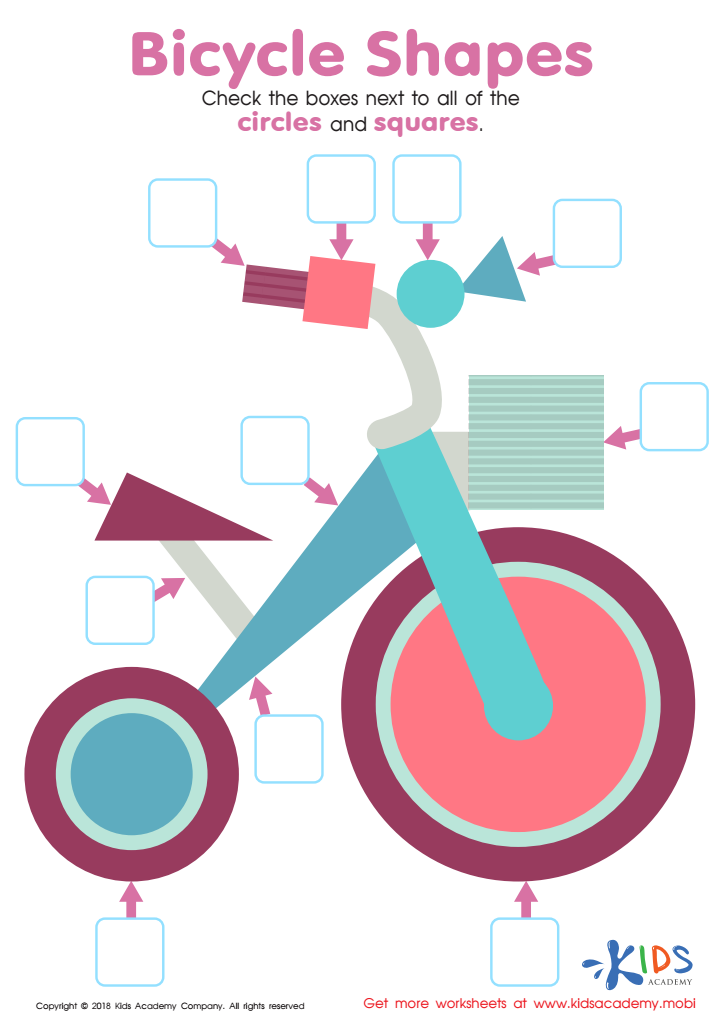
Bicycle Shapes Worksheet
 Assign to My Students
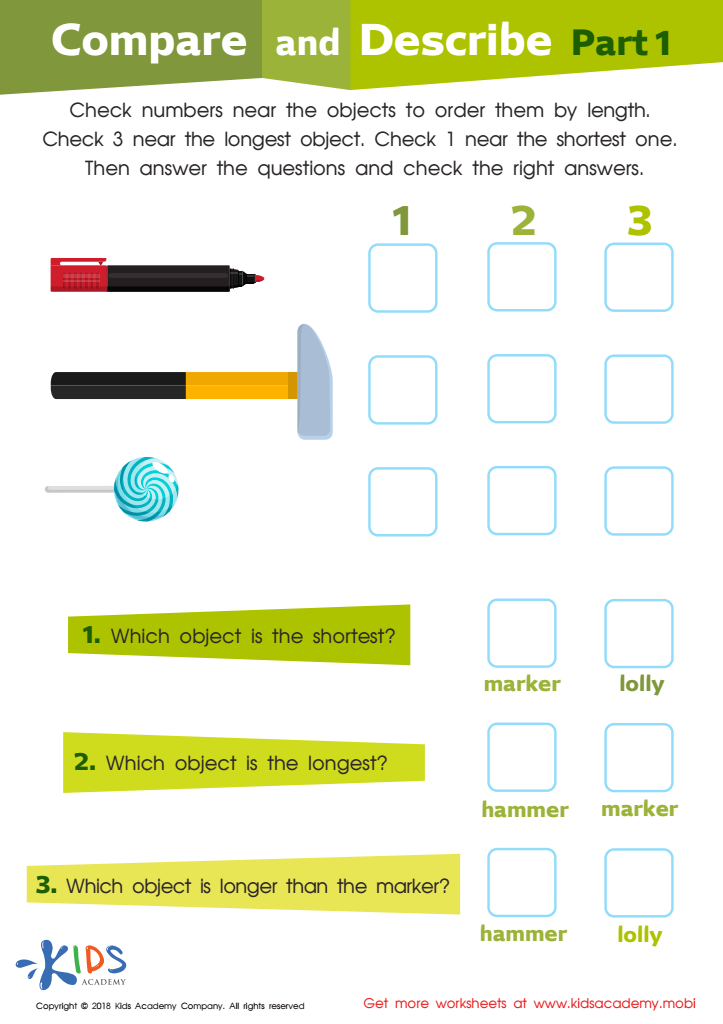
Compare and Describe: Part 1 Worksheet
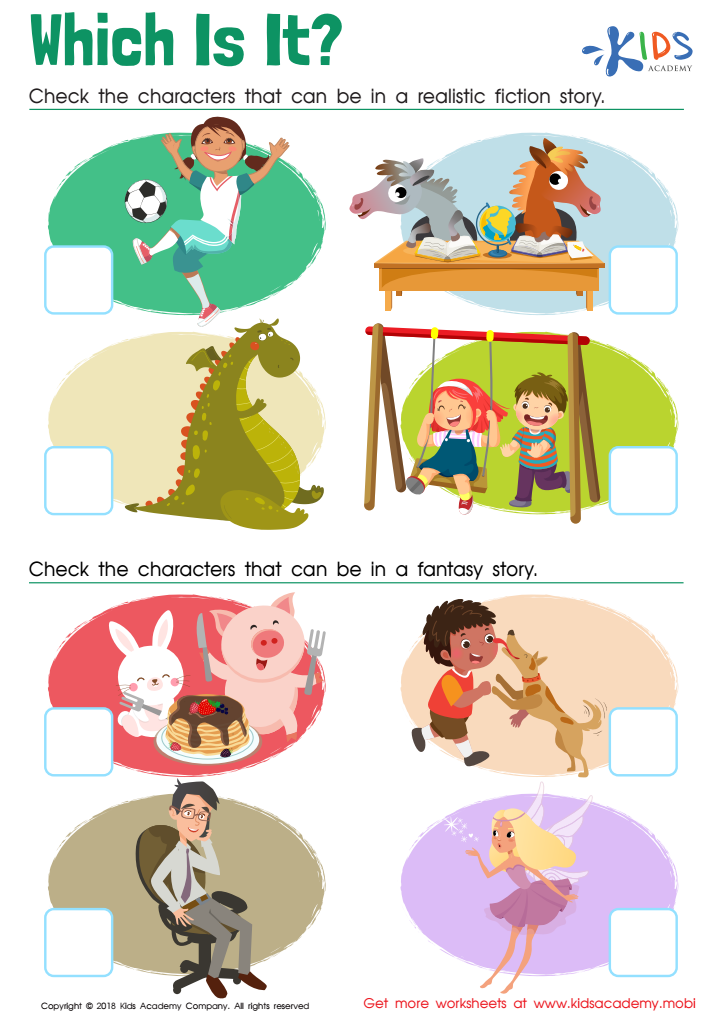
Which Is It? Worksheet
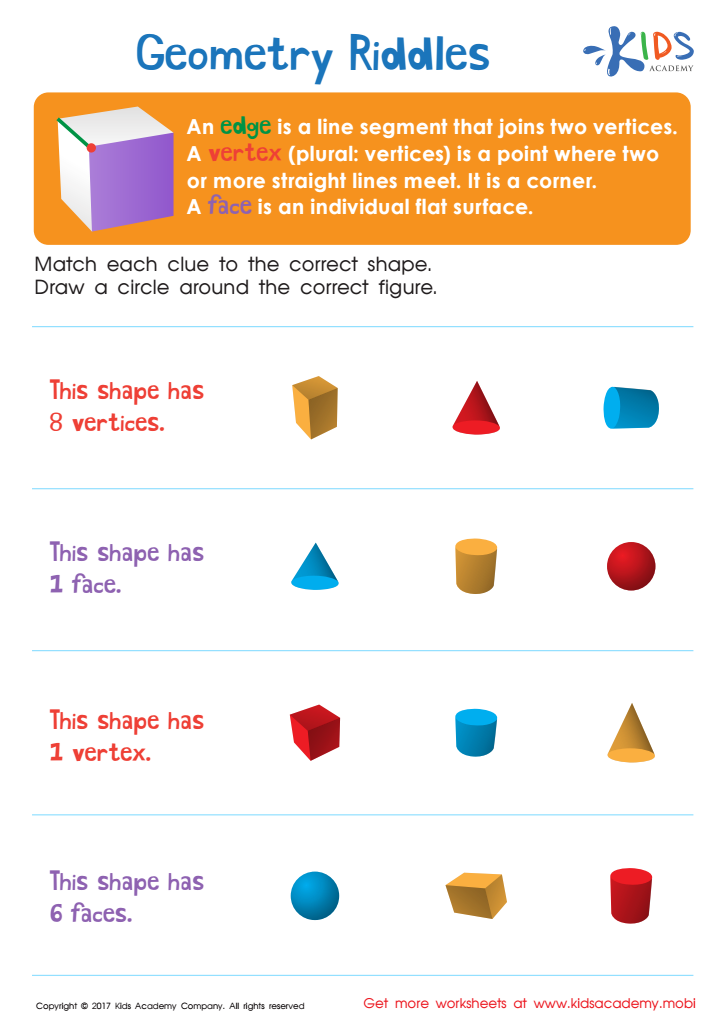
Geometry Riddles Printable
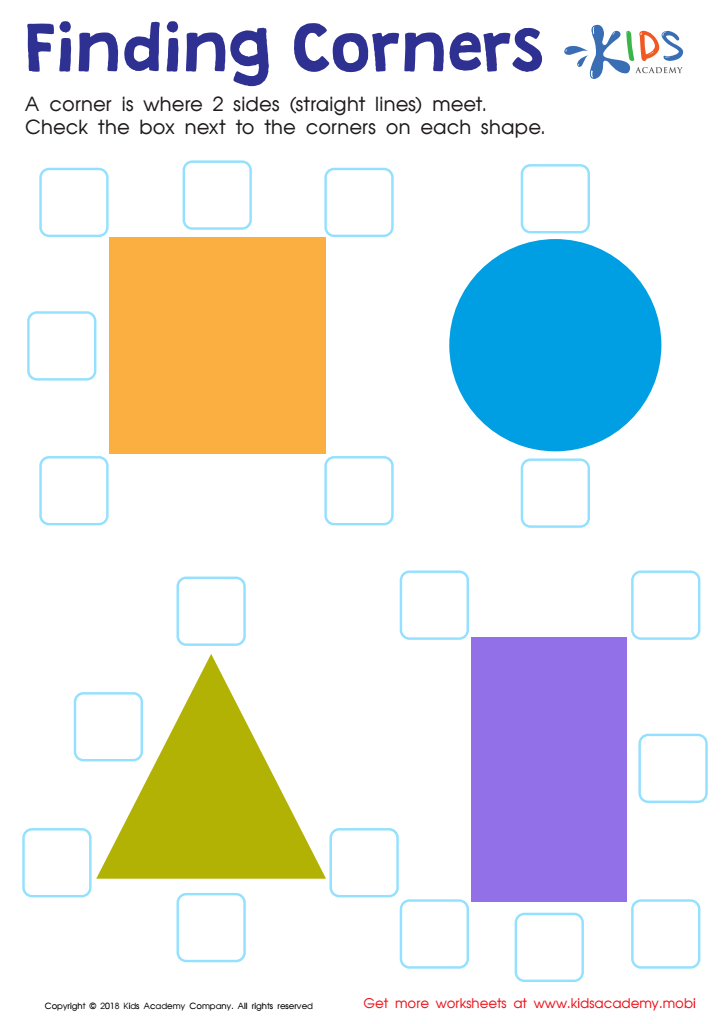
Finding Corners Worksheet
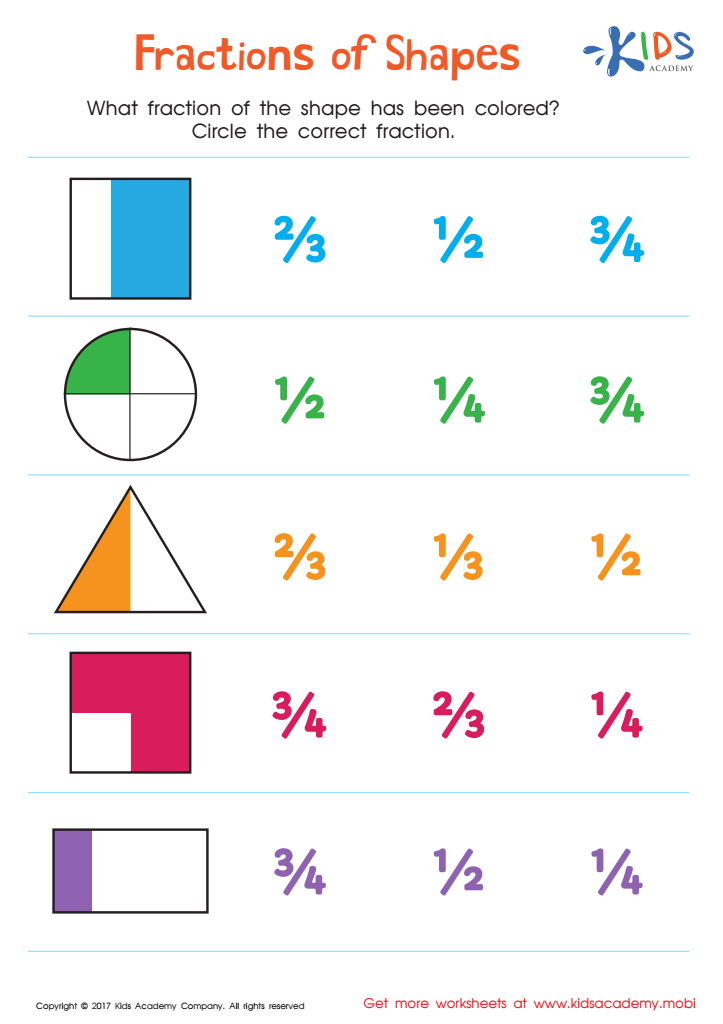
Fractions of Shapes: Math Concept Worksheet
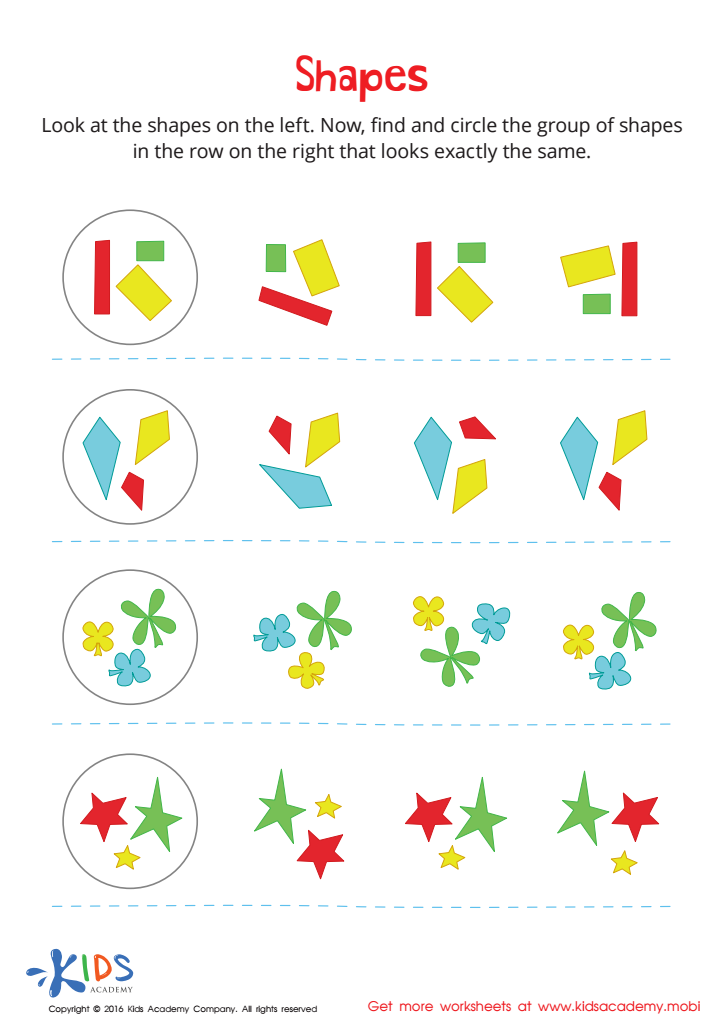
Shapes Worksheet
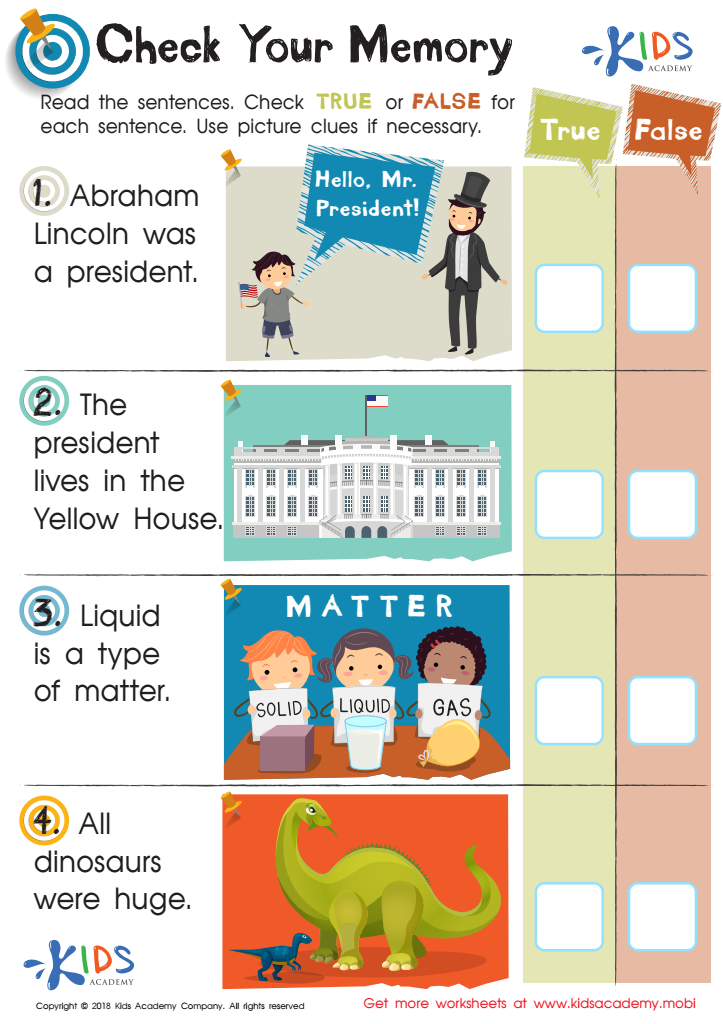
Check Memory Worksheet
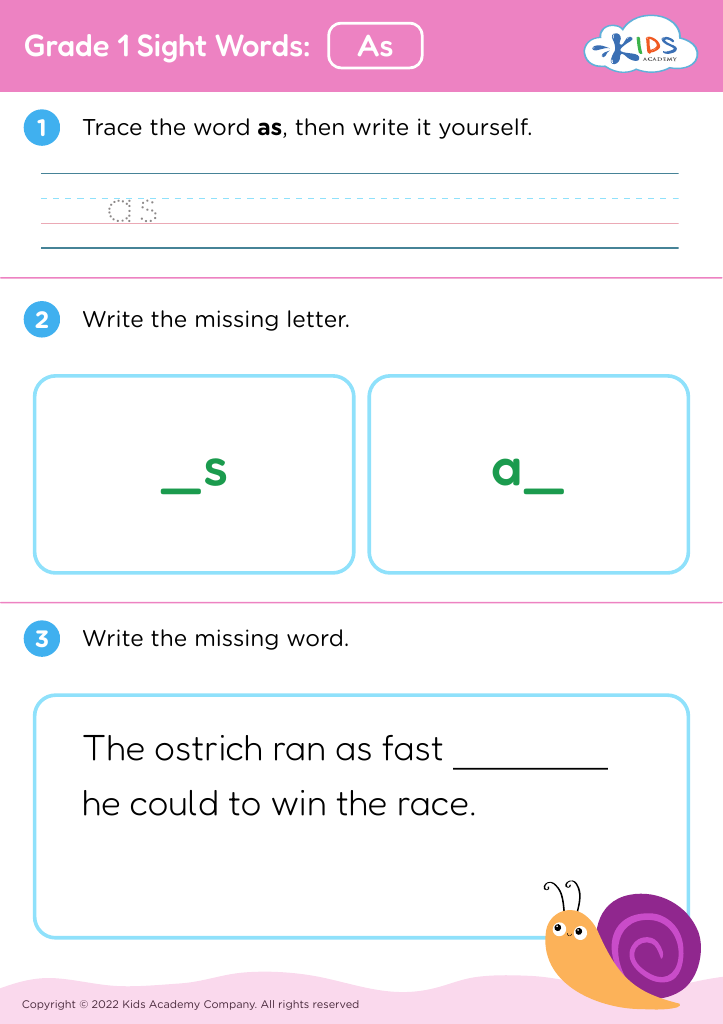
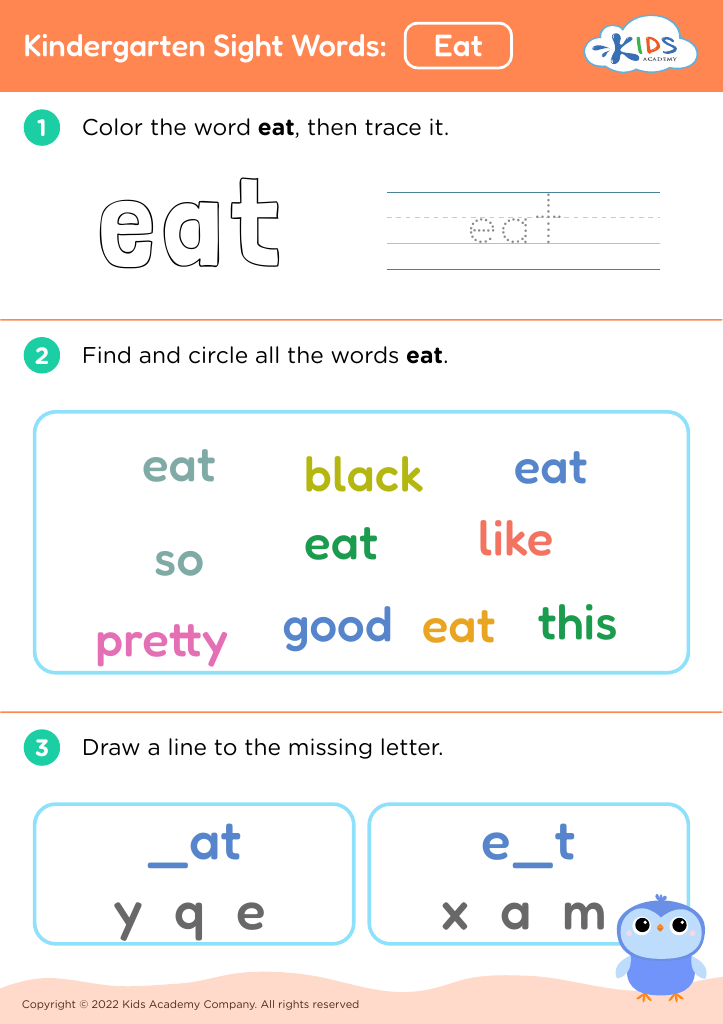




.jpg)

Shape identification is crucial for children aged 6 to 8, as it lays the foundation for essential cognitive and spatial skills. During this developmental stage, children are learning to recognize and categorize the world around them, and understanding shapes is fundamental to this process. By identifying different shapes, children develop observation and reasoning skills, enhancing their ability to classify and organize information.
Furthermore, shape recognition supports mathematical aptitude. It introduces concepts of geometry, measurement, and symmetry, fostering a deeper understanding of spatial relationships. Early mastery of these concepts paves the way for more advanced mathematical skills later in life.
Shape identification also encourages creativity and problem-solving. Children learn to identify and use shapes in art and design, allowing them to express themselves while enhancing critical thinking skills. Additionally, this learning process improves fine motor skills, as children manipulate objects to explore shapes in various contexts.
Ultimately, when parents and teachers prioritize shape identification, they contribute to a child's overall cognitive development. By nurturing these skills at an early age, caregivers help children acquire the tools they need for future academic success and everyday life challenges. Therefore, investing in shape identification is an essential part of fostering well-rounded, capable learners.








