Sound recognition Worksheets for Ages 6-8
16 filtered results
-
From - To
Discover our engaging Sound Recognition Worksheets designed for children aged 6-8! These worksheets help young learners develop essential auditory skills by identifying, matching, and distinguishing different sounds in a fun and interactive way. Perfect for enhancing listening abilities, our resources include vibrant illustrations and stimulating activities that keep children motivated. Whether in the classroom or at home, these worksheets provide a valuable tool for fostering language development and cognitive growth. Encourage your child's love for learning as they explore various sounds through games, exercises, and challenges that suit their age and skill level. Start your child's sound recognition journey today!
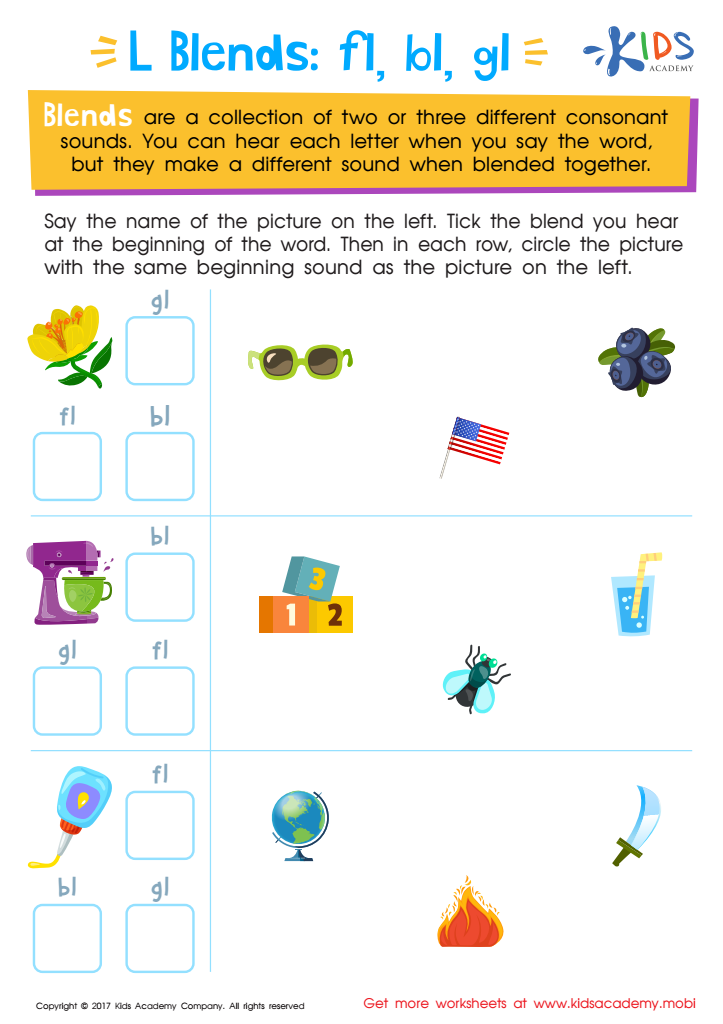
Blending Consonants: "Fl", "Bl" and "Gl" Printable
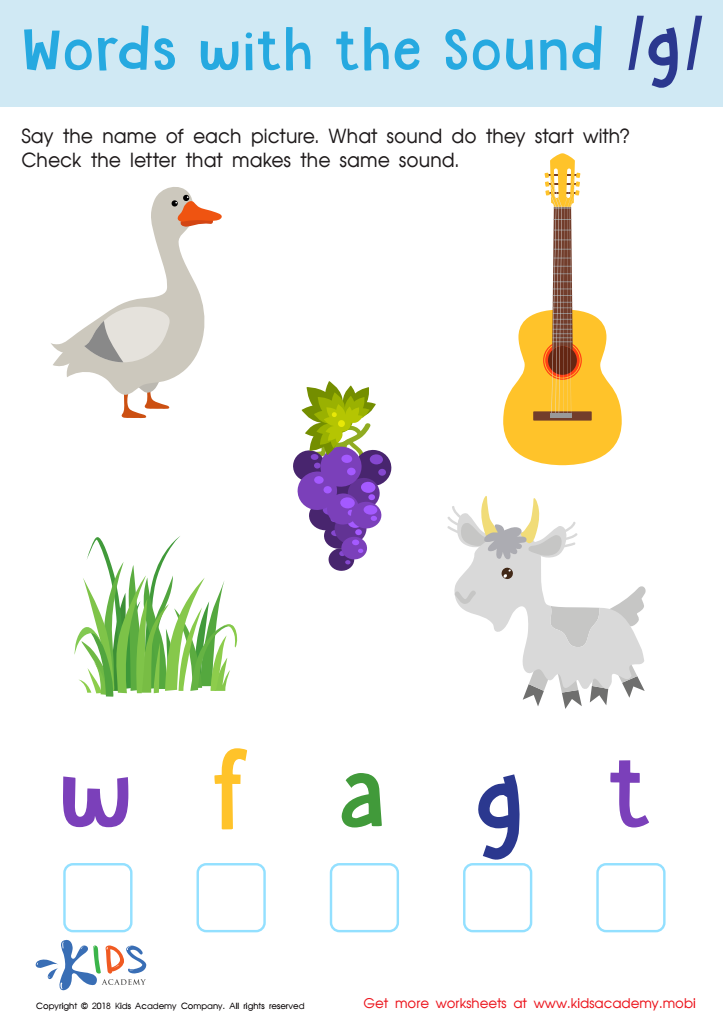
Words with sound g Reading Worksheet
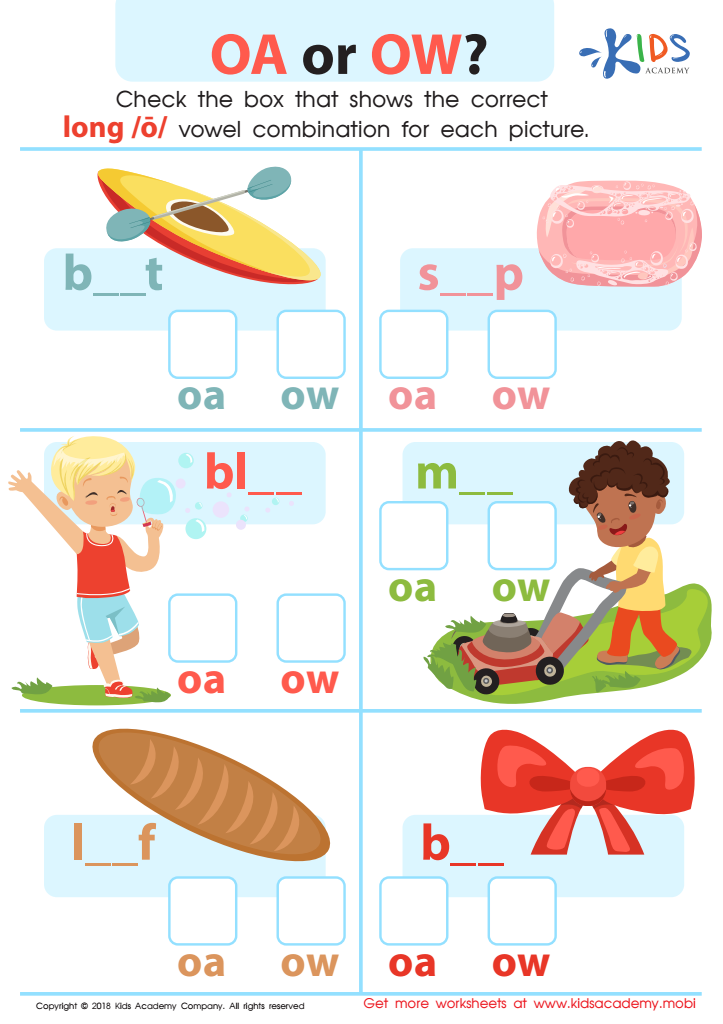
Reading: OA or OW Worksheet
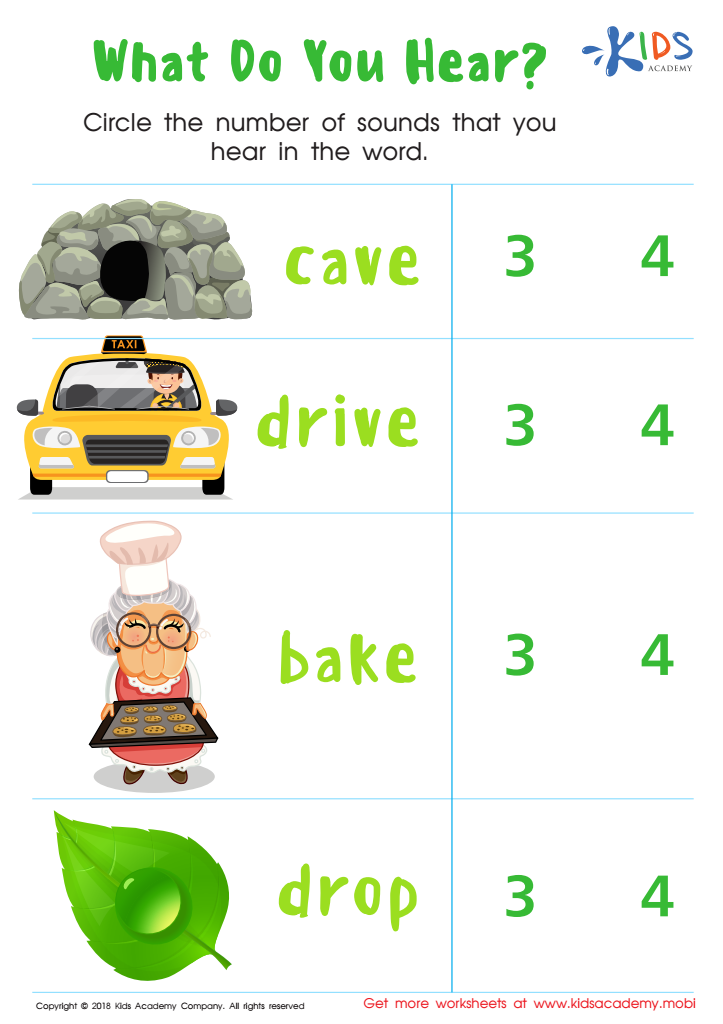
What Do You Hear? Worksheet
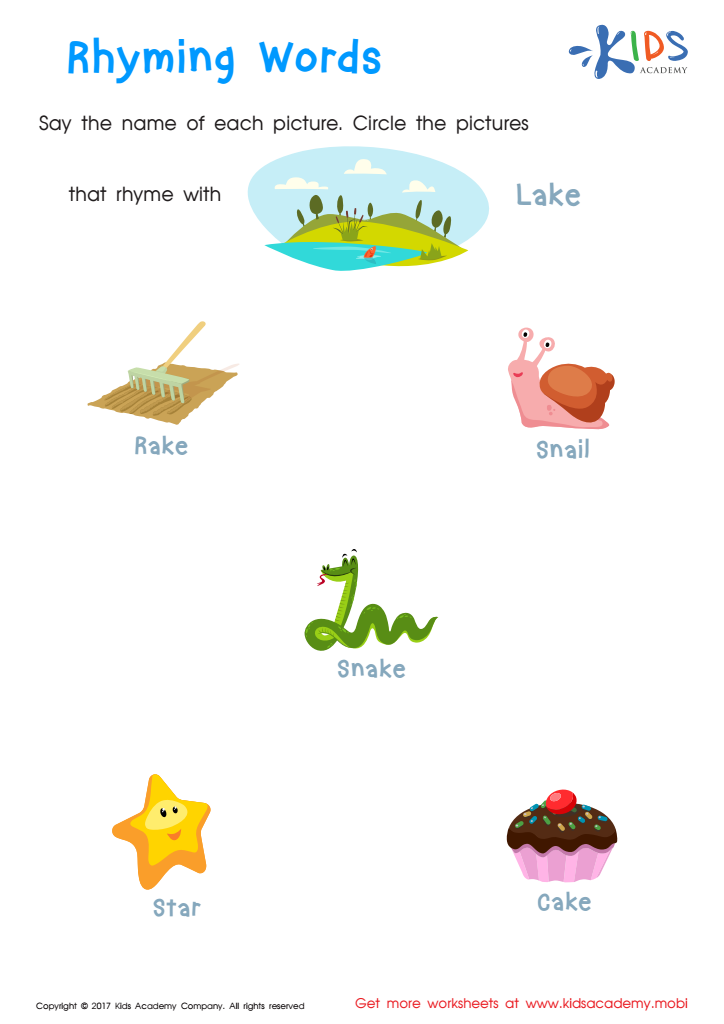
Rhyming Words Rhyming Worksheet
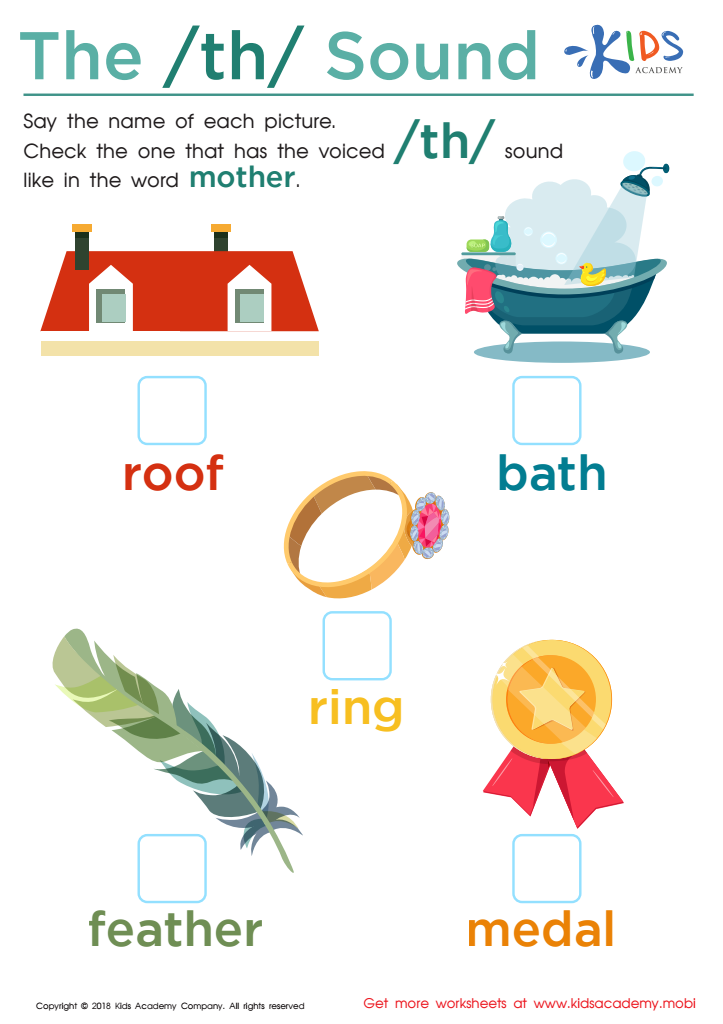
The /th/ Sound Worksheet
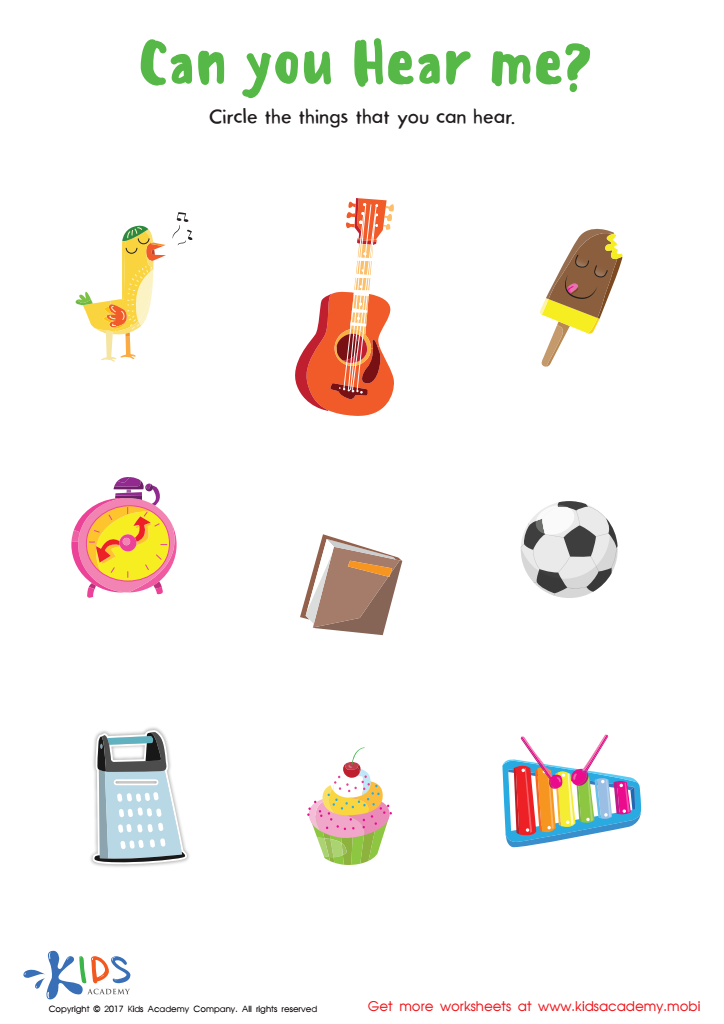
Can You Hear Me Worksheet
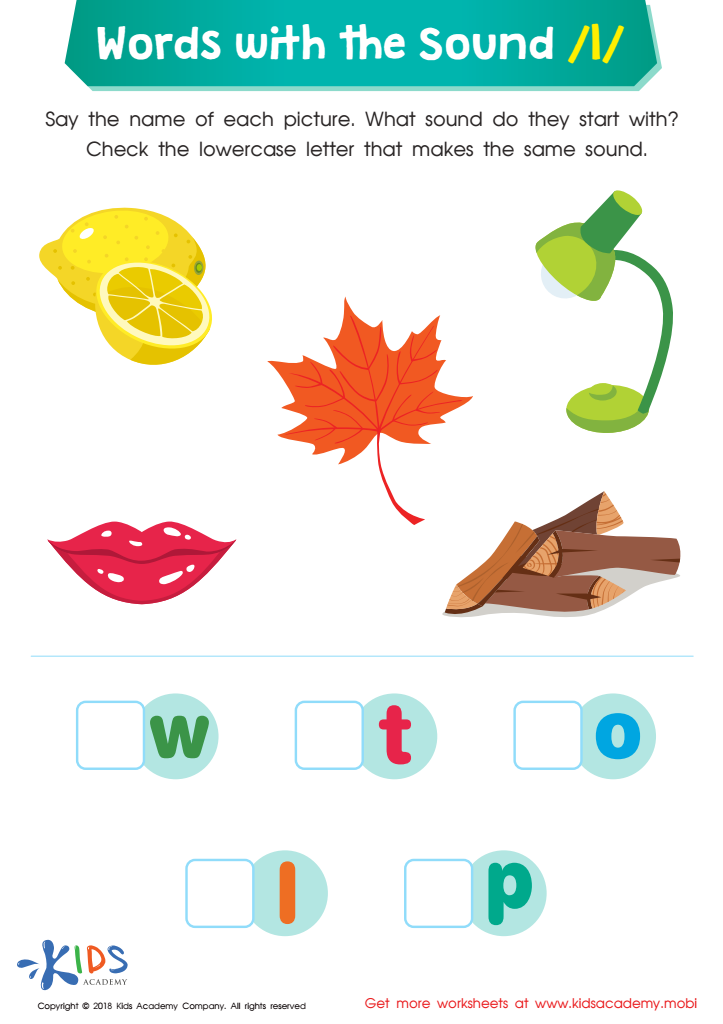
Words with Sound L Reading Worksheet
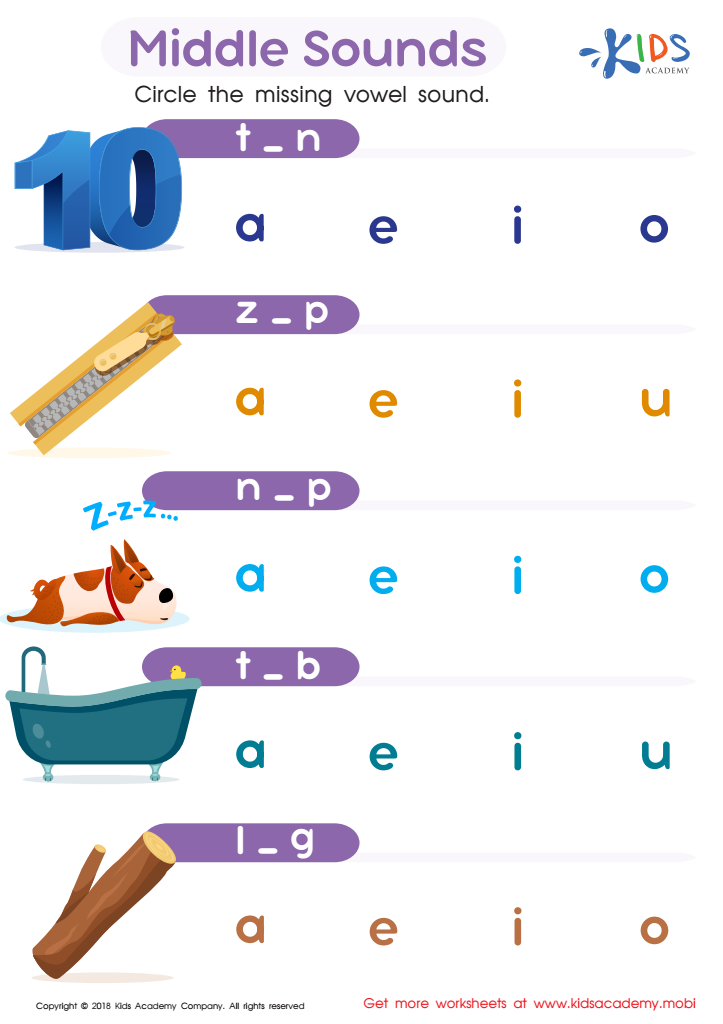
Middle Sounds Worksheet

Long and Short U Worksheet
 Assign to My Students
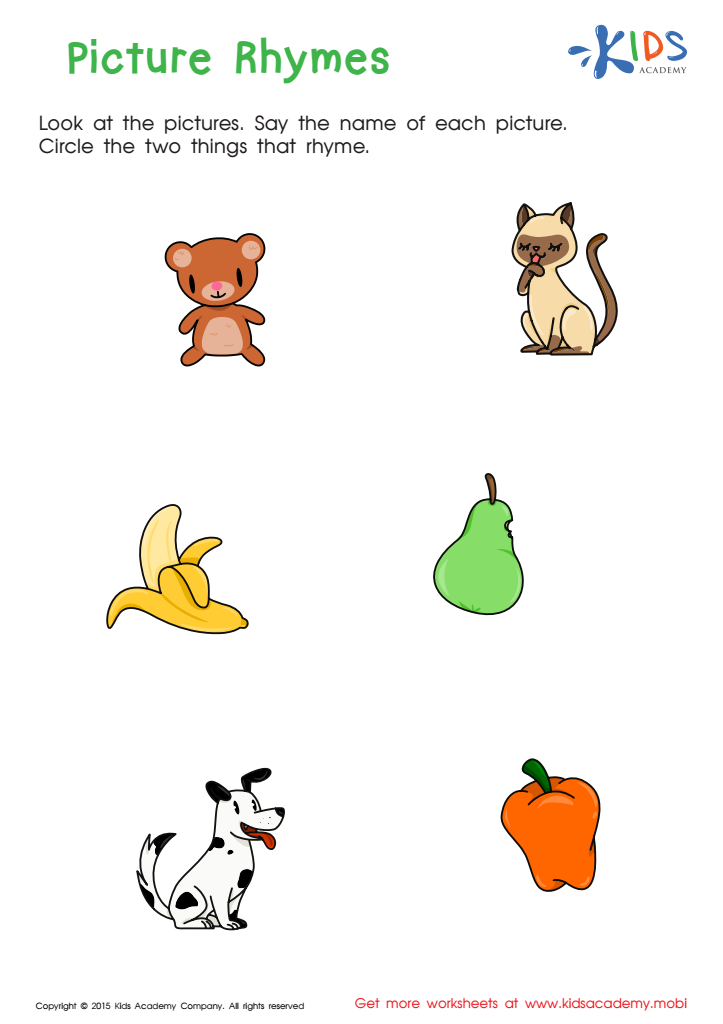
First Words: Picture Rhymes Worksheet
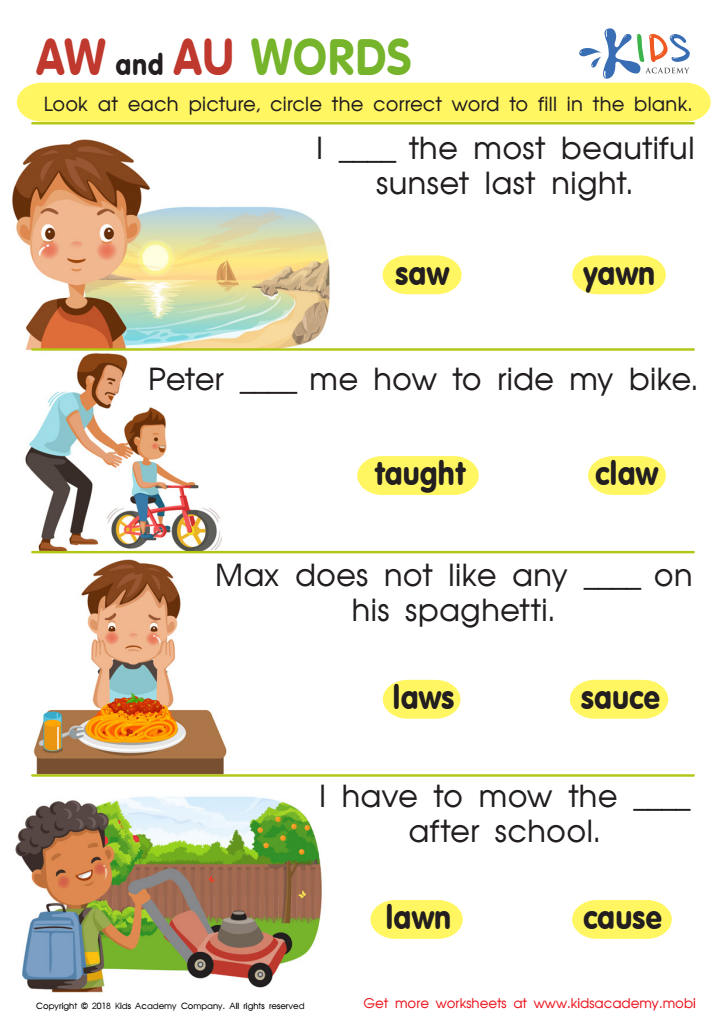
Reading: AW and AU Words Worksheet
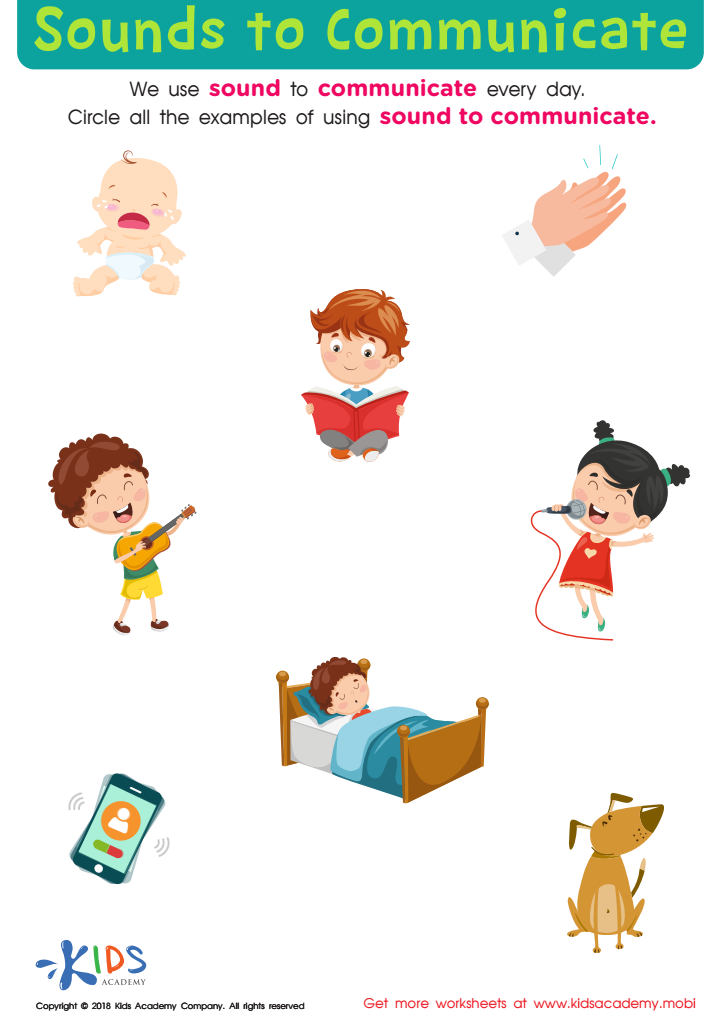
Sounds to Communicate Worksheet
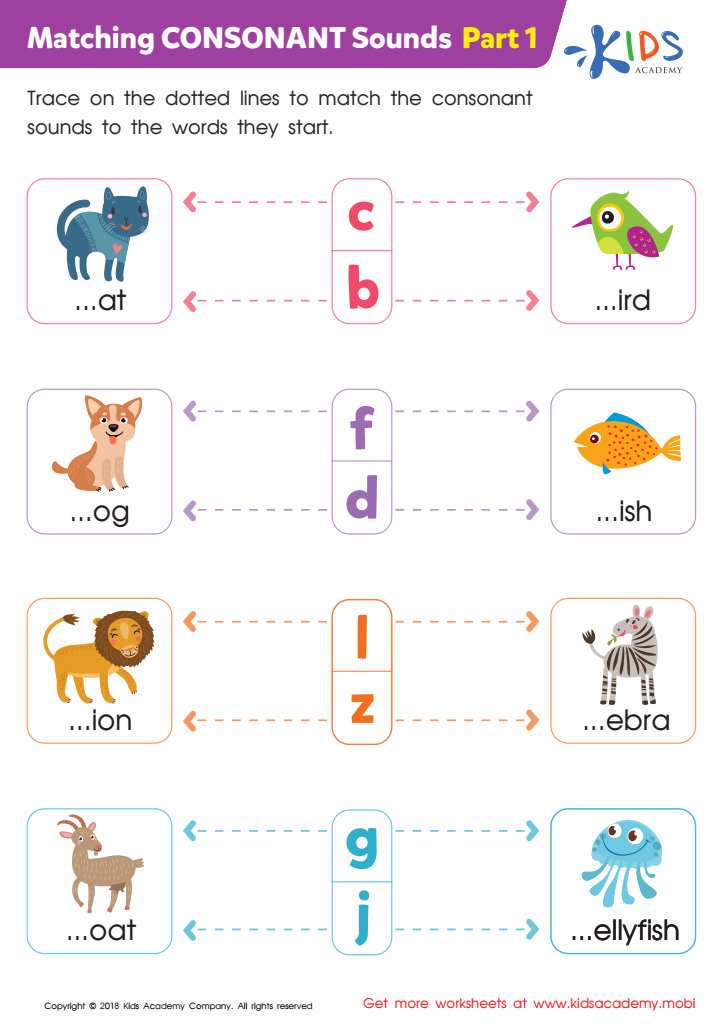
Matching Consonant Sounds: Part 1 Worksheet
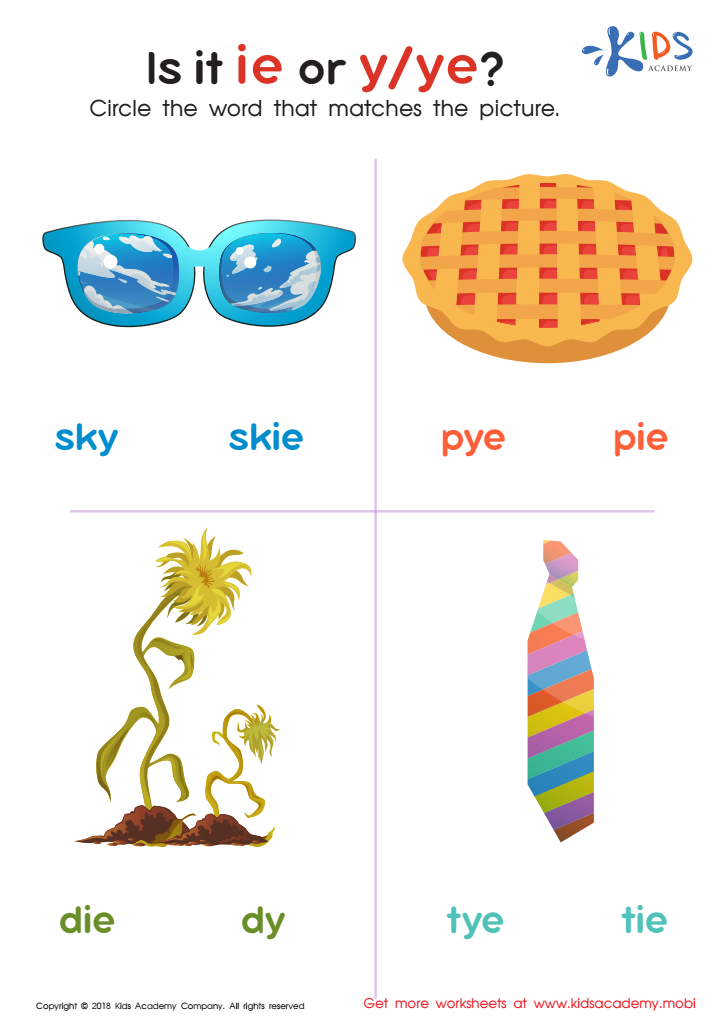
Is It IE or Y/Ye? Worksheet



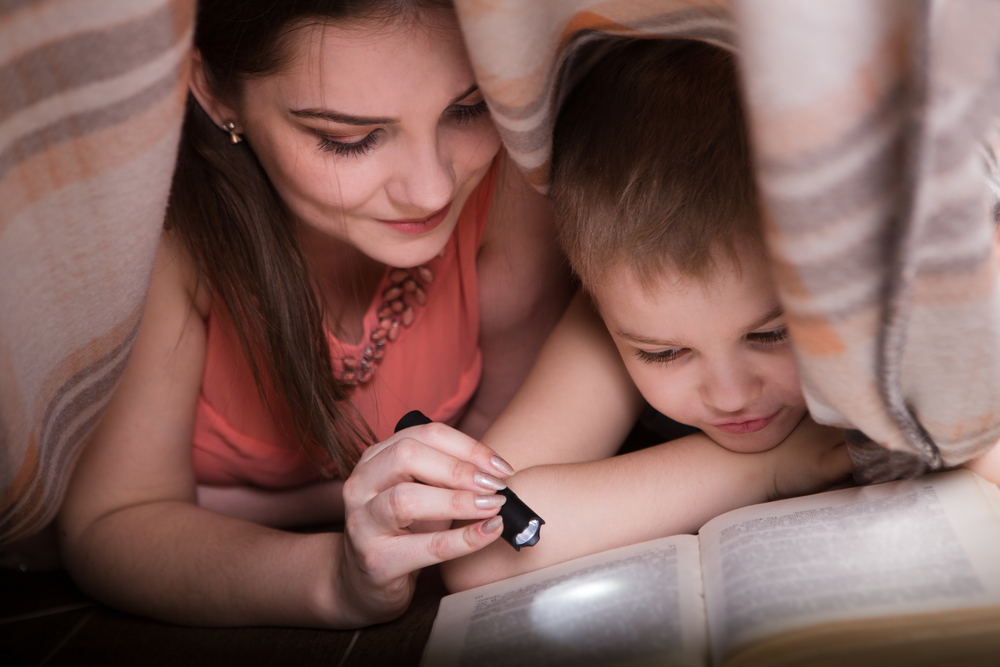


Sound recognition is a vital skill for children aged 6-8, as it forms the foundation for effective communication and literacy. At this stage, children are refining their ability to identify and process various sounds, including speech, environmental noises, and musical tones. This auditory skill is crucial for reading development, as recognizing individual sounds, or phonemes, helps them in decoding words and improving their vocabulary.
Parents and teachers should care about sound recognition because it directly impacts a child's educational success. Children who struggle with sound recognition may face difficulties in learning to read or write, leading to frustration and decreased confidence. Early intervention through fun activities like singing, rhyming, or sound games can significantly enhance these skills and promote greater academic achievement.
Additionally, sound recognition fosters critical listening skills essential for following instructions and engaging in meaningful conversations. Socially, children with strong sound recognition can better connect with their peers, easing the development of friendships. By prioritizing sound recognition, parents and teachers can create a supportive environment that nurtures communication, literacy, and social skills vital for children's overall growth and development. Encouraging these skills early on sets the stage for lifelong learning and success.








