Spatial awareness Worksheets for Ages 6-8 - Page 2
47 filtered results
-
From - To
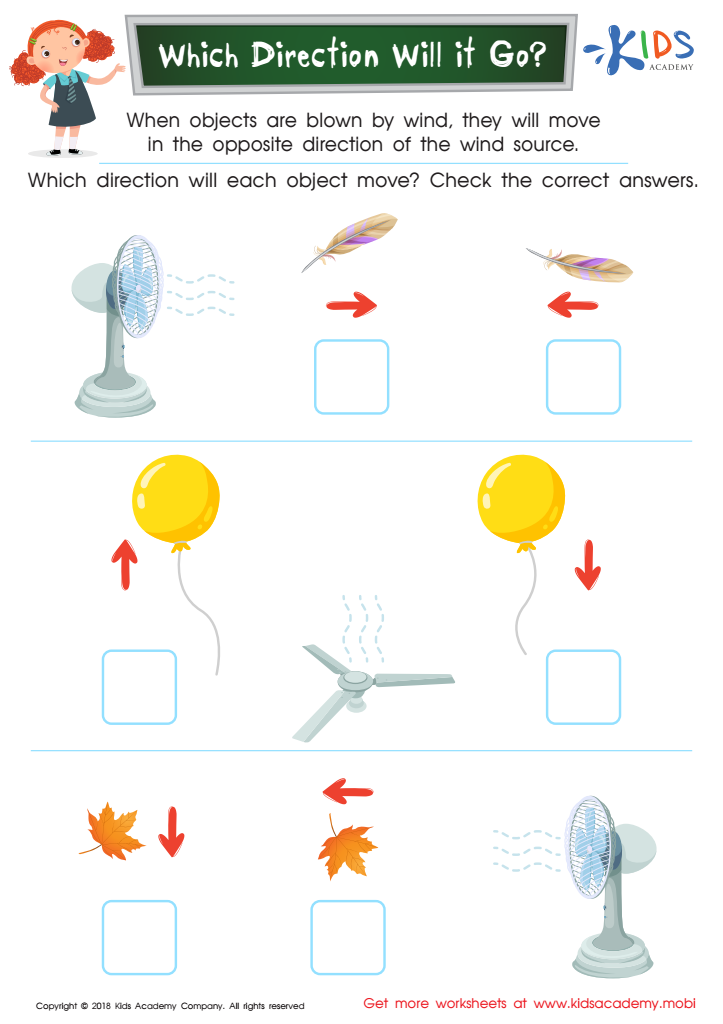
Which Direction Will it Go? Worksheet
 Assign to My Students
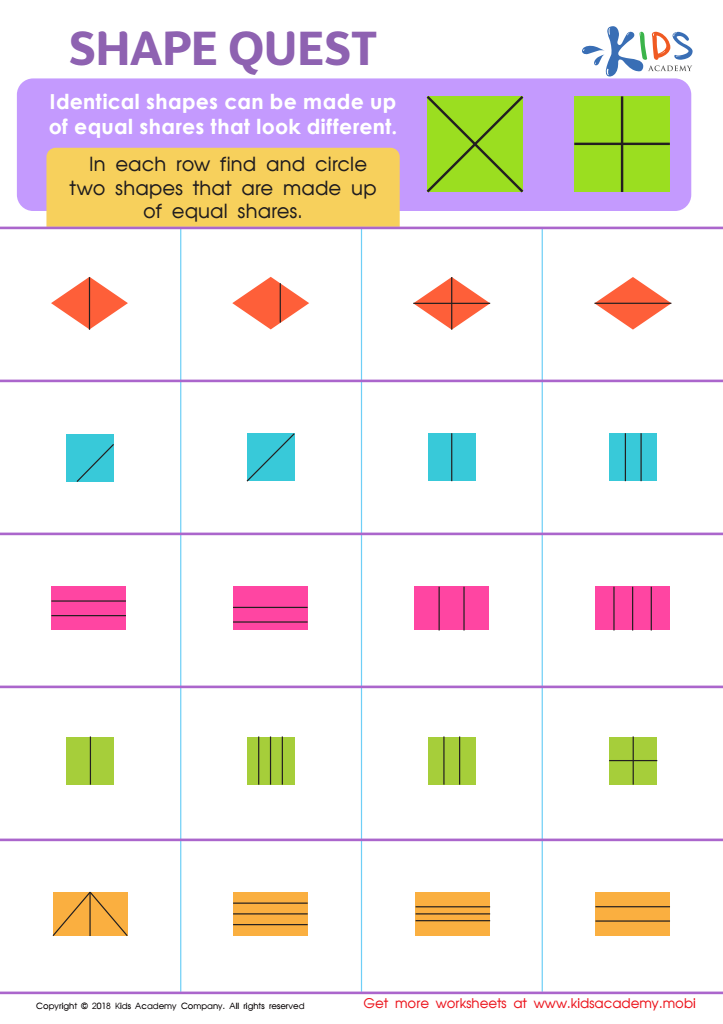
Shape Quest Worksheet
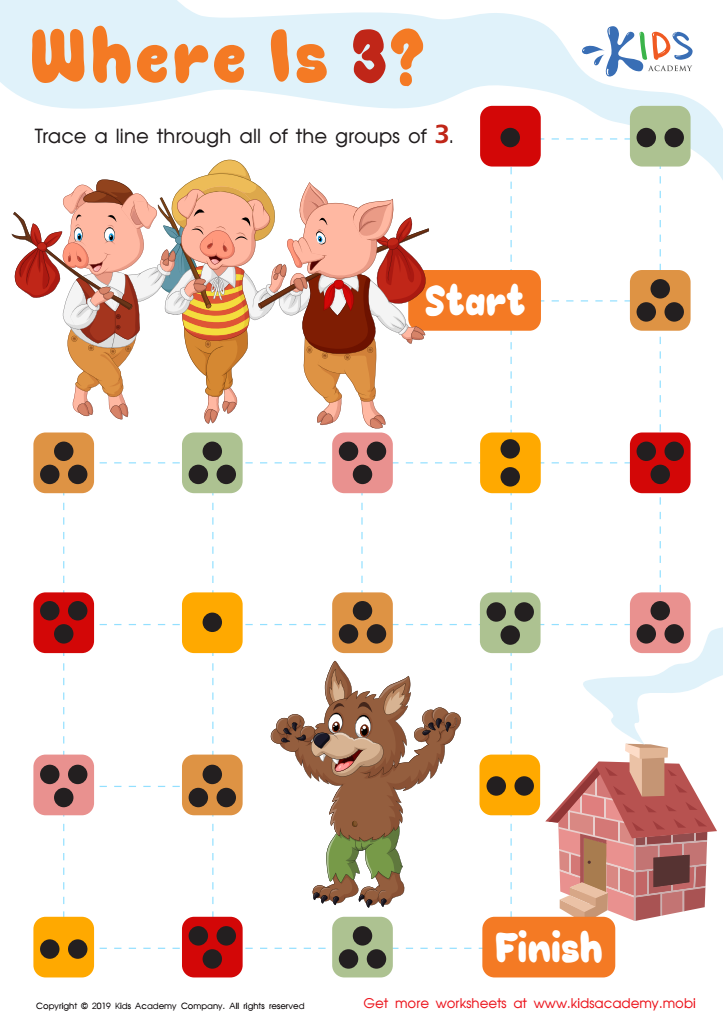
Where Is 3? Worksheet
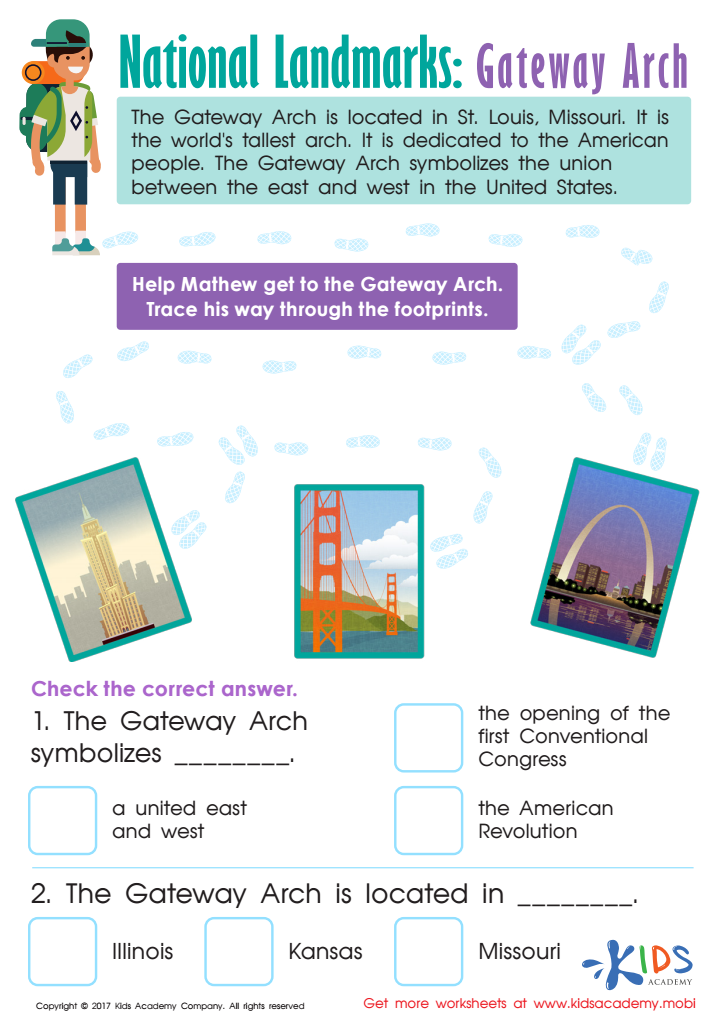
Gateway Arch Printable Worksheet
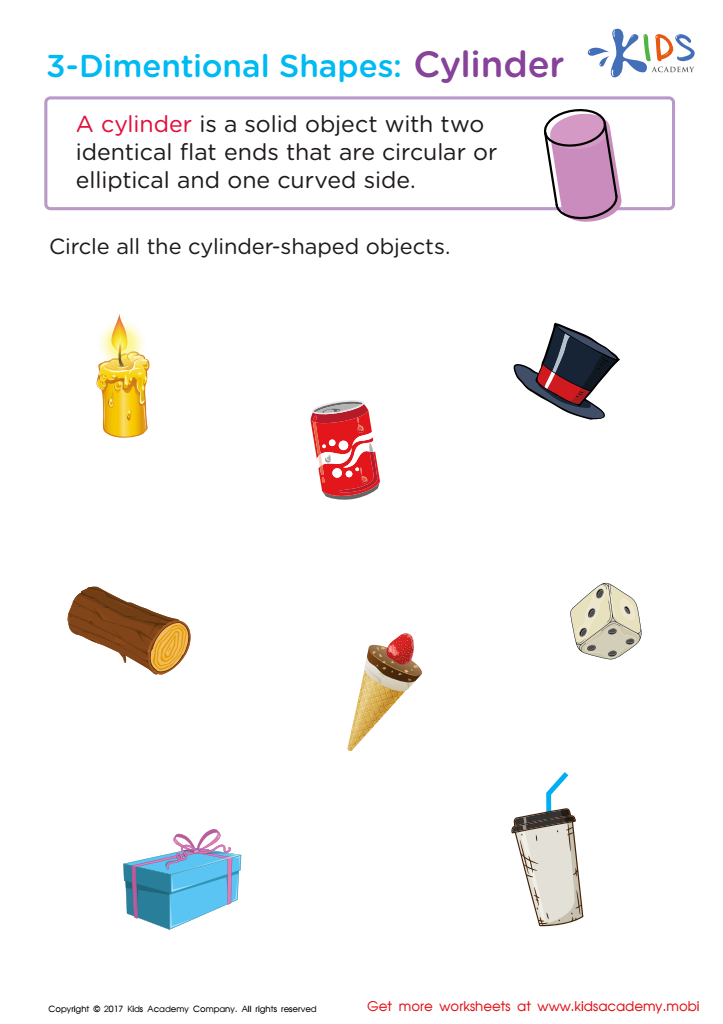
Three–Dimensional Shapes: Cylinder Worksheet
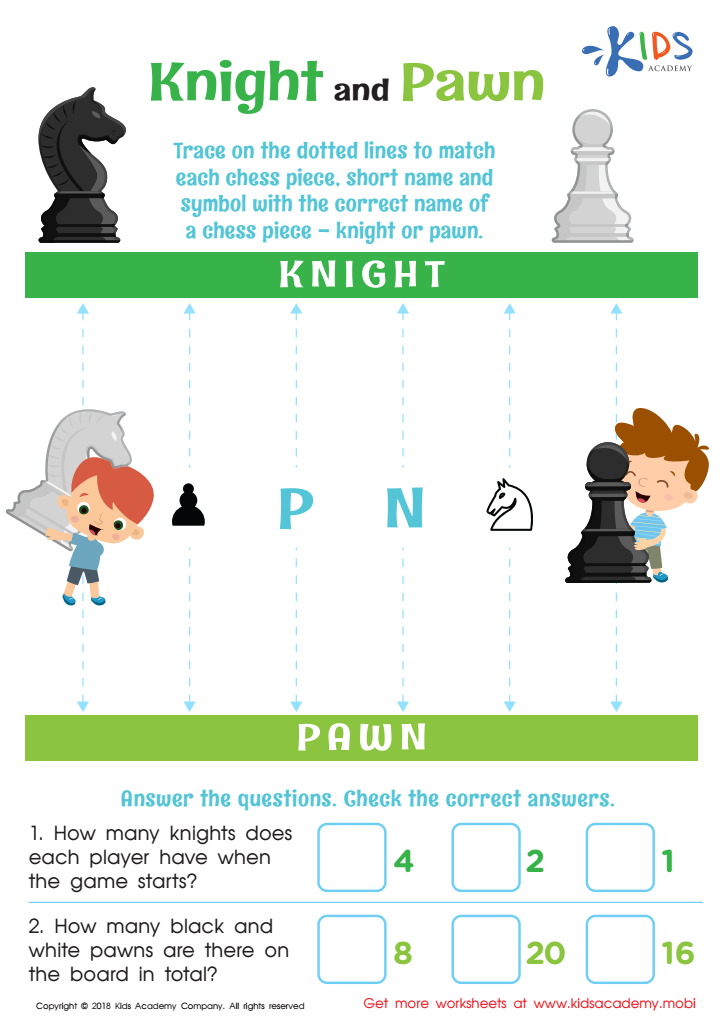
Knight and Pawn Worksheet
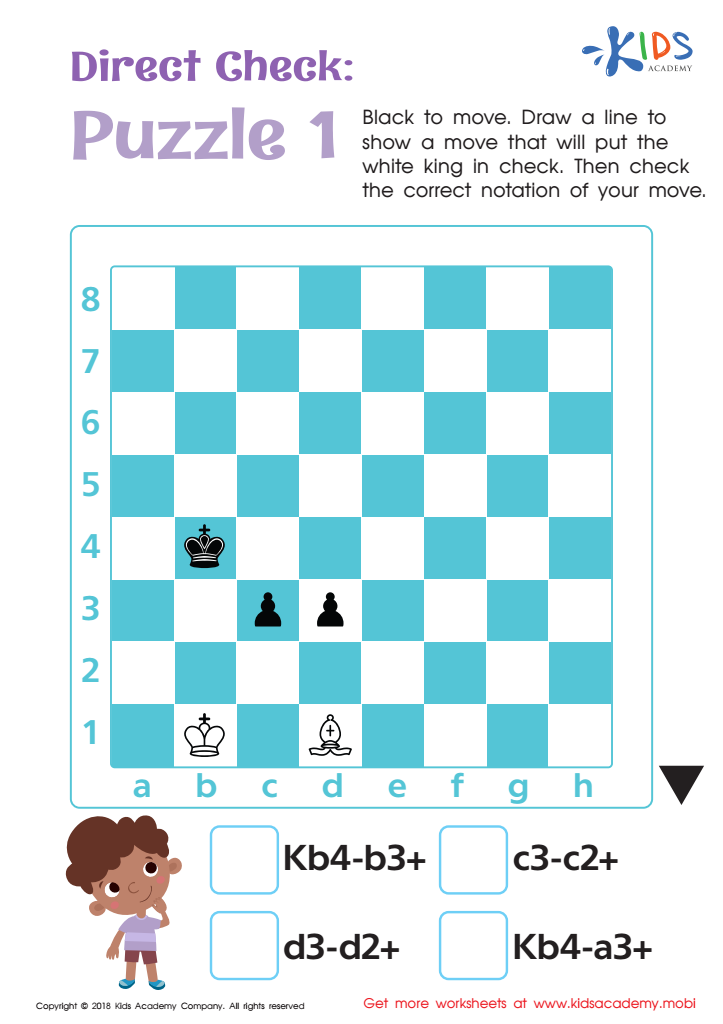
Direct Check: Puzzle 1 Worksheet
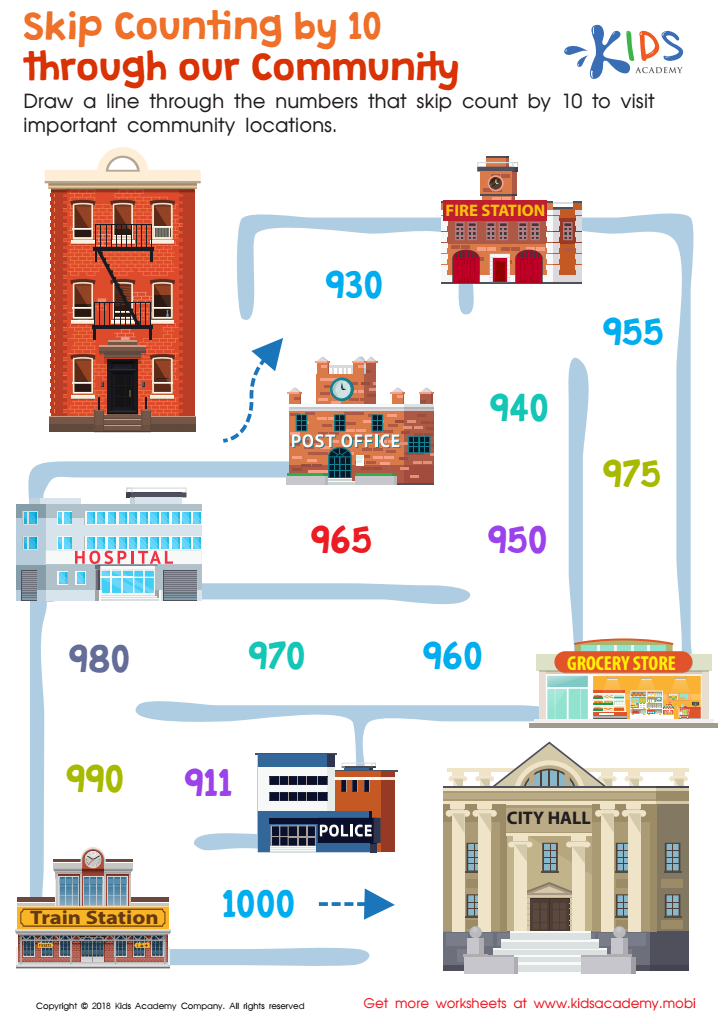
Skip Counting by 10 Through Our Community Worksheet
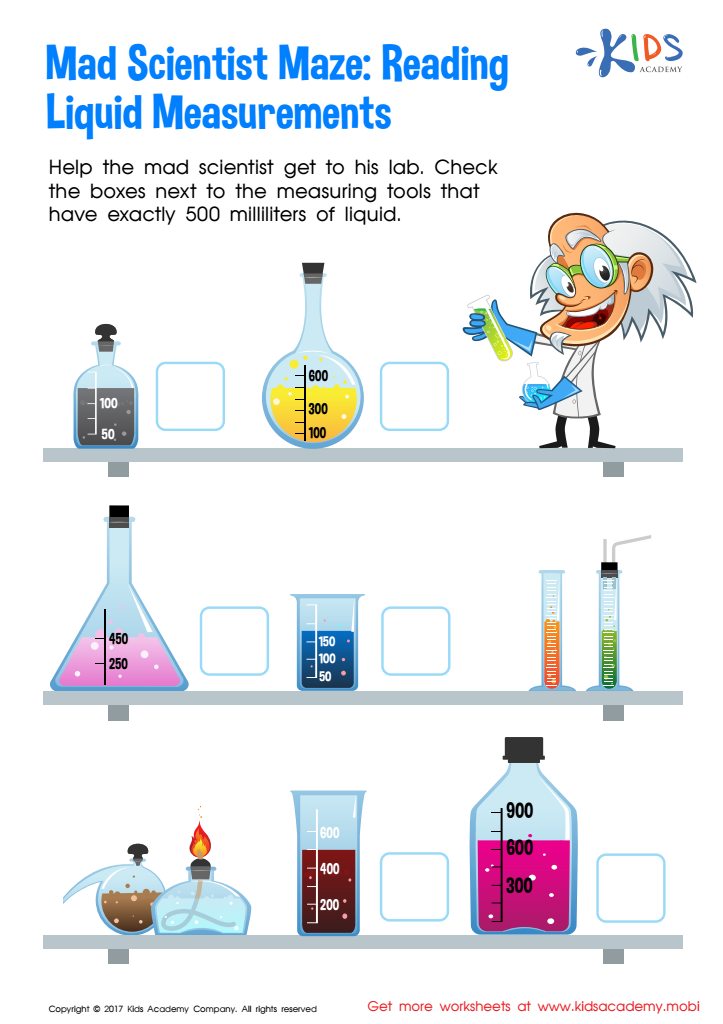
Reading Liquid Measurement Worksheet
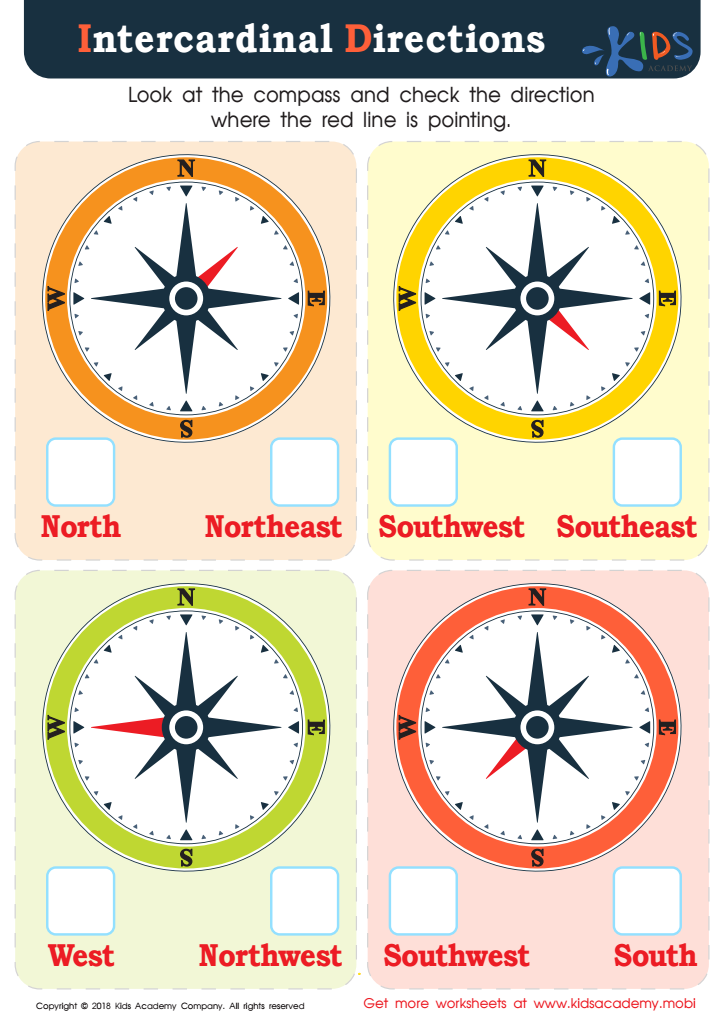
Intercardinal Directions Worksheet
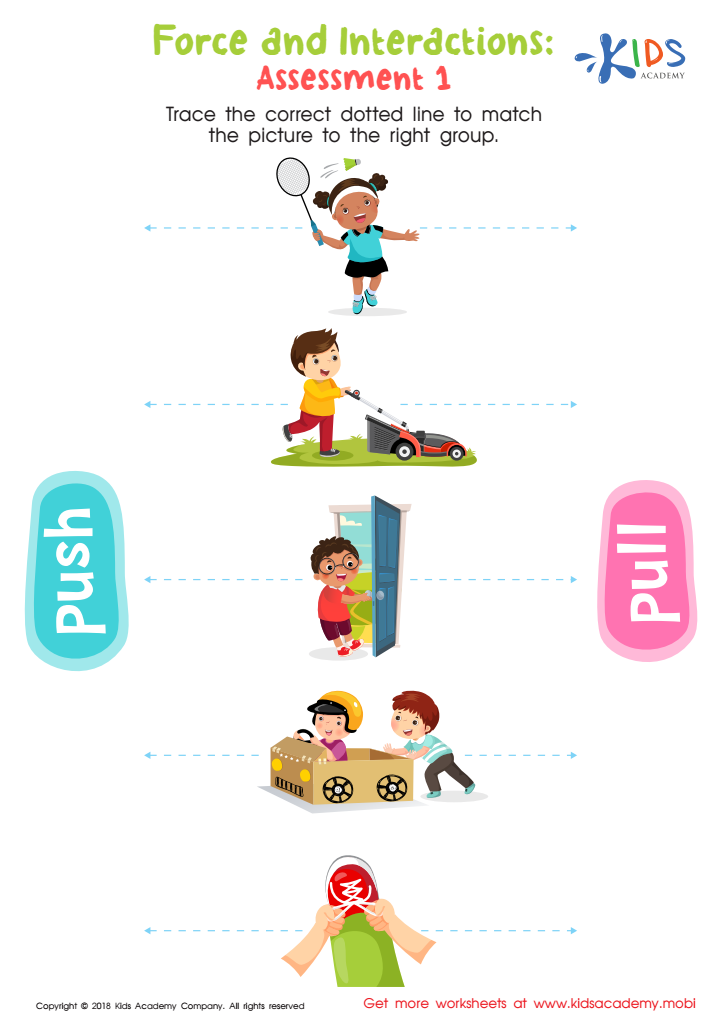
Force and Interactions: Assessment 2 Worksheet
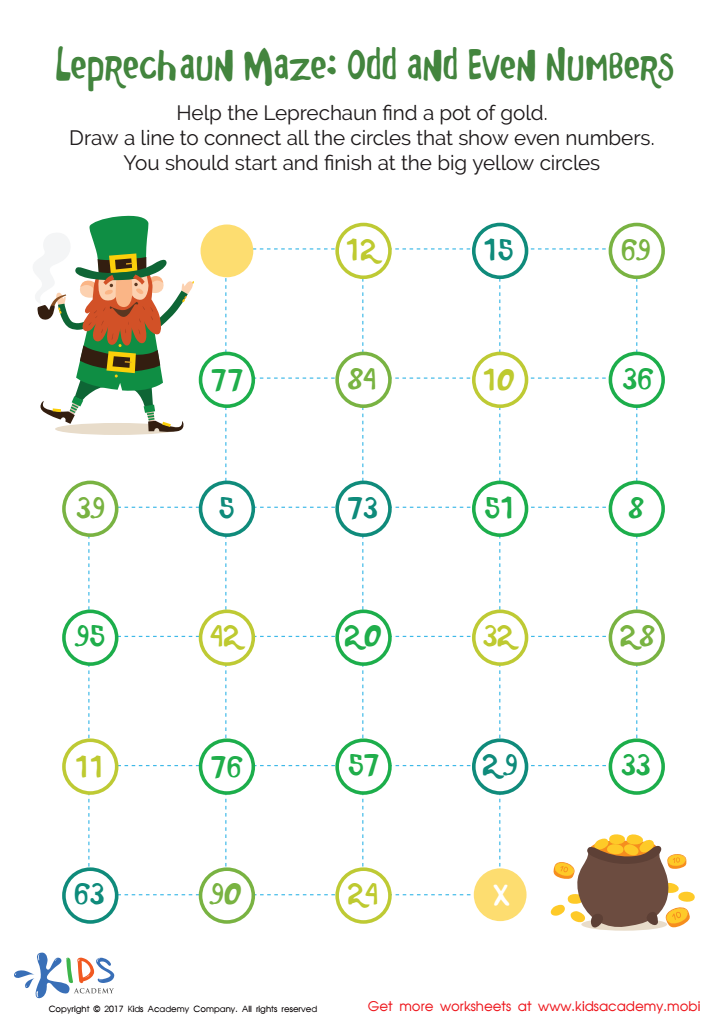
Leprechaun Maze Printable
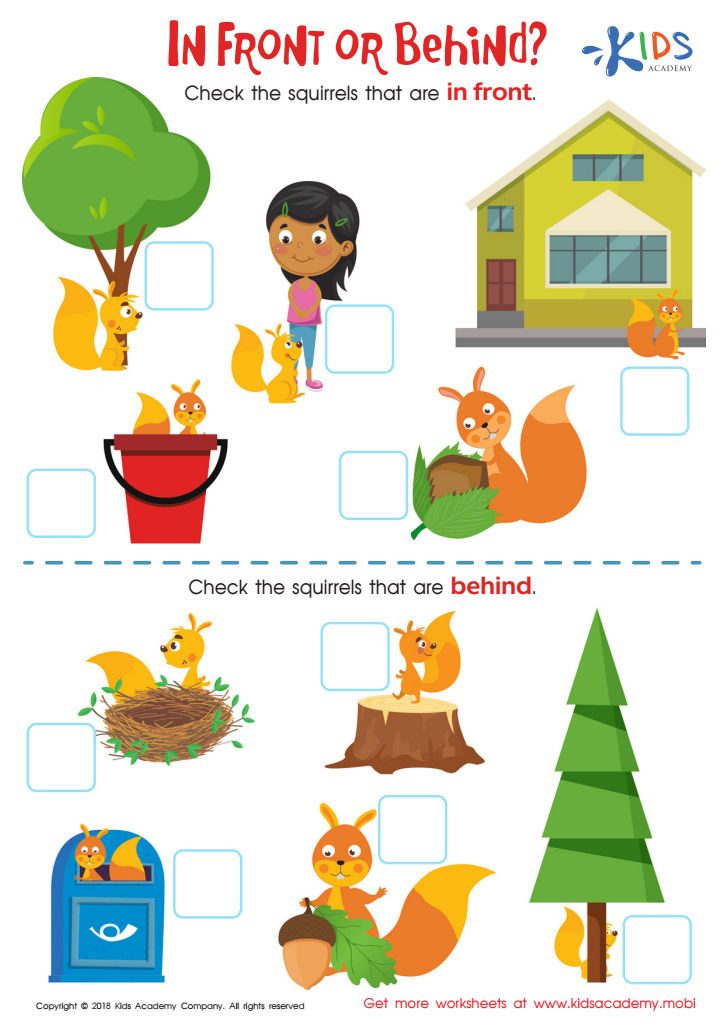
In Front or Behind: Part 2 Worksheet
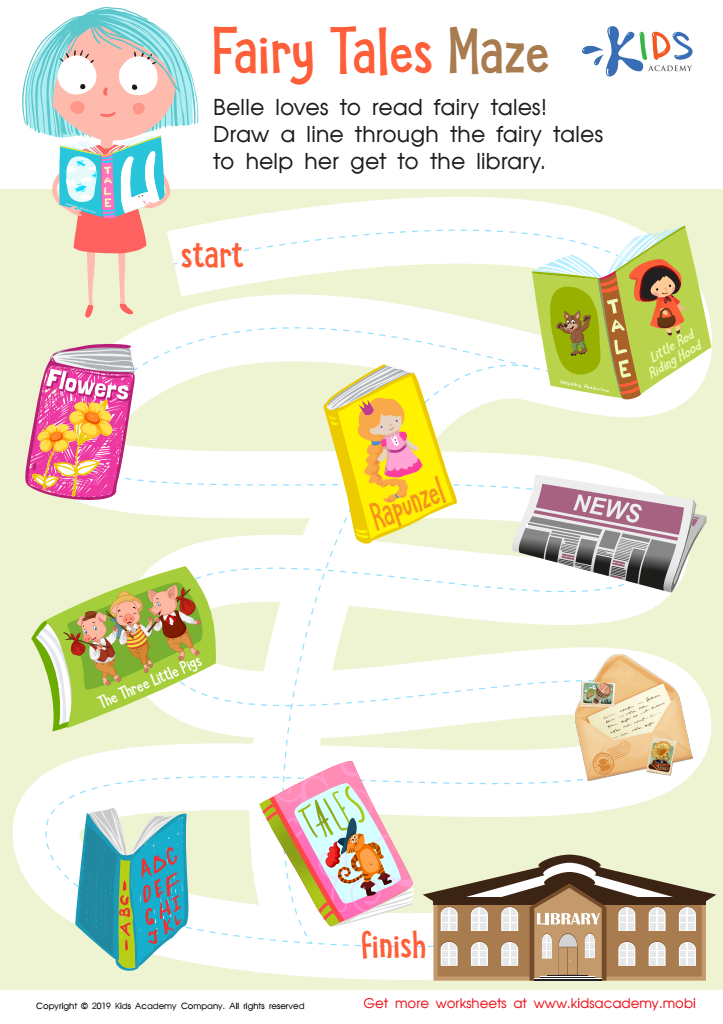
Fairy Tales Maze Worksheet
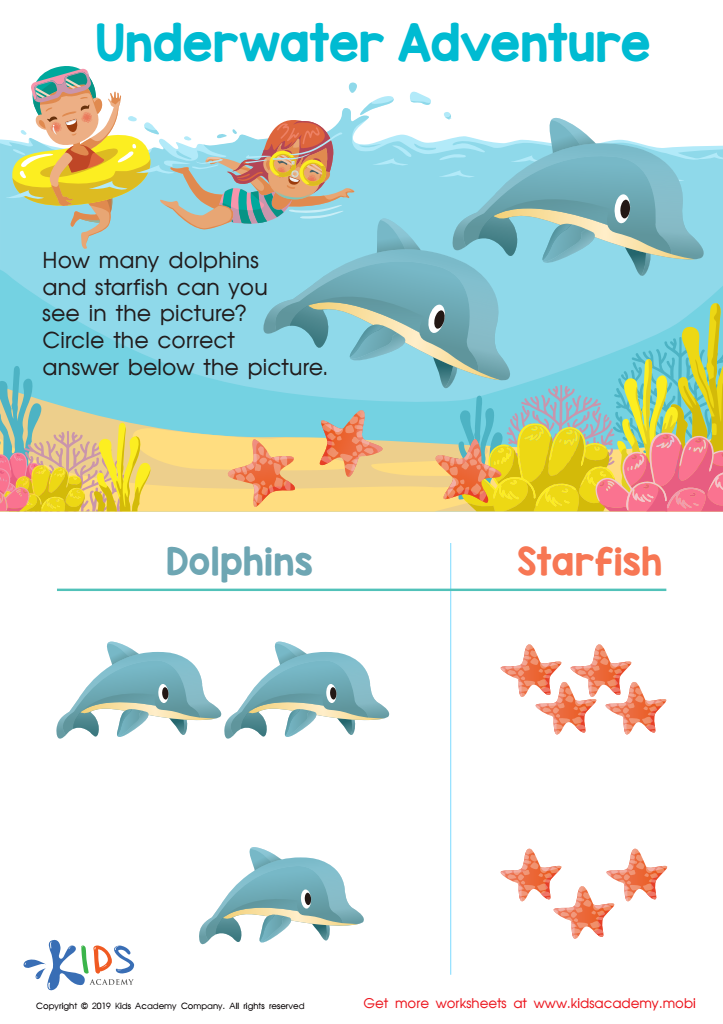
Underwater Adventure Worksheet
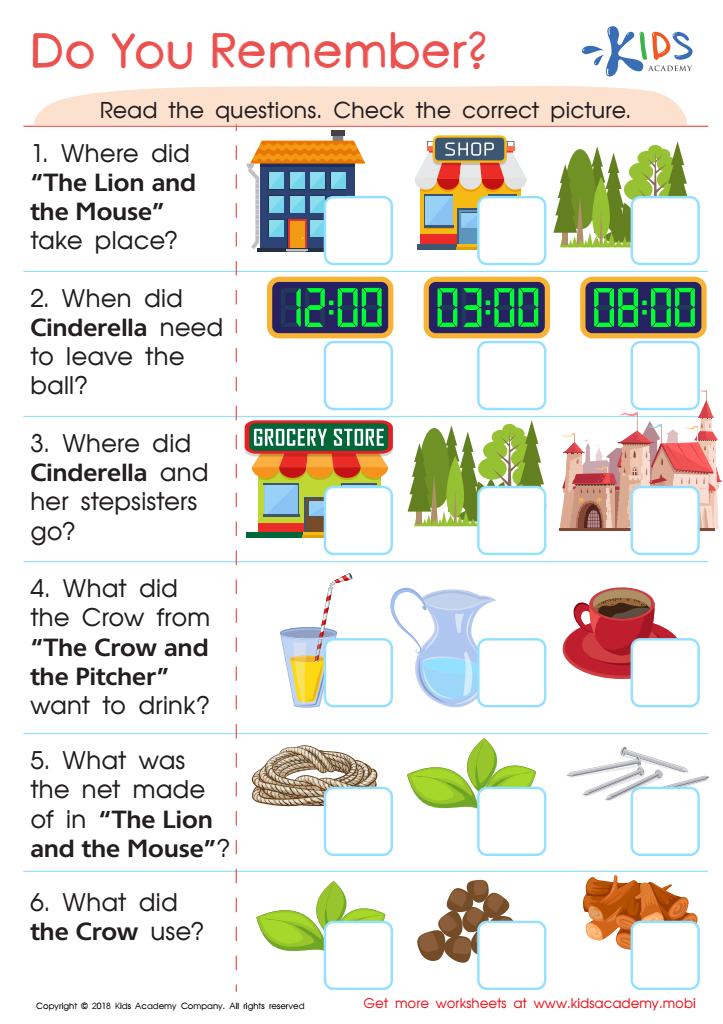
Do You Remember? Worksheet
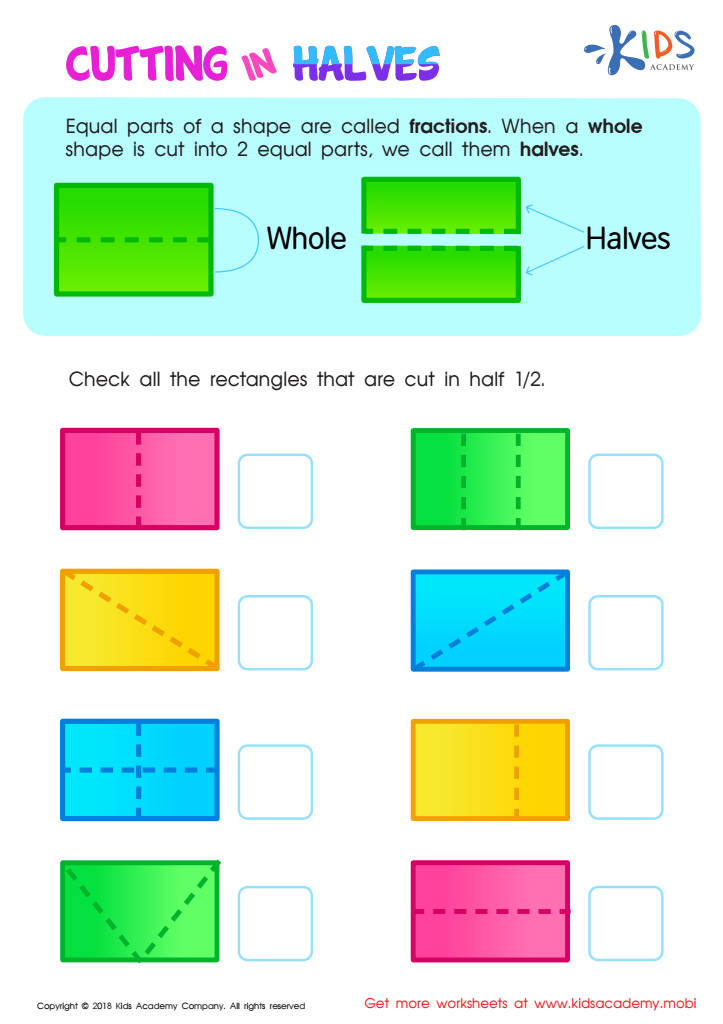
Cutting in Halves Worksheet
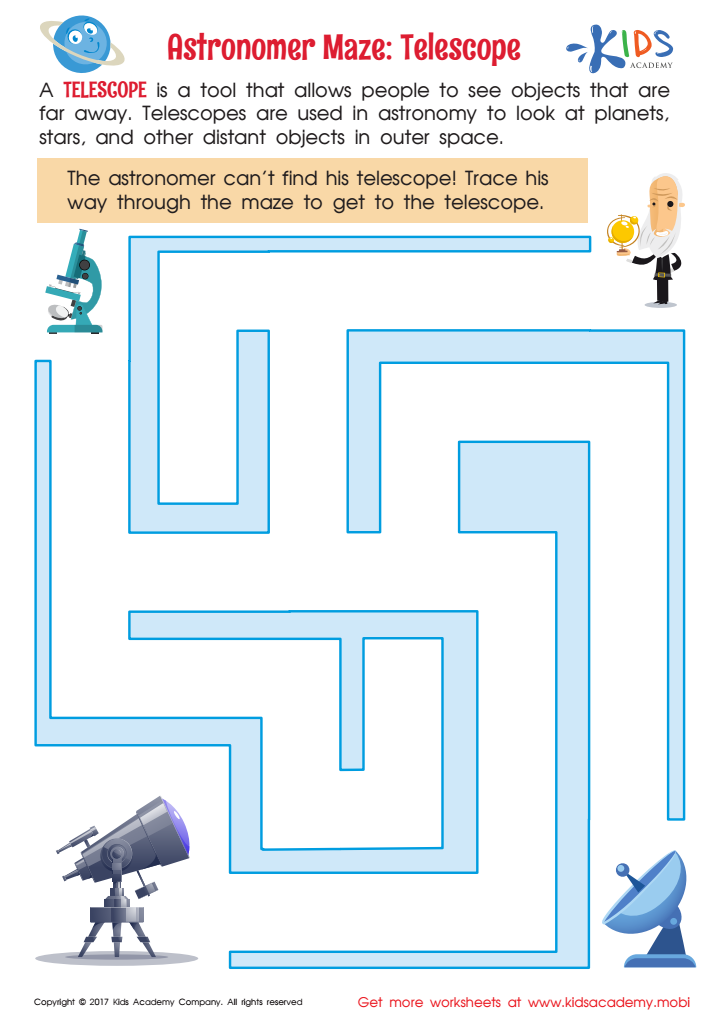
Astronomer Maze: Telescope Worksheet
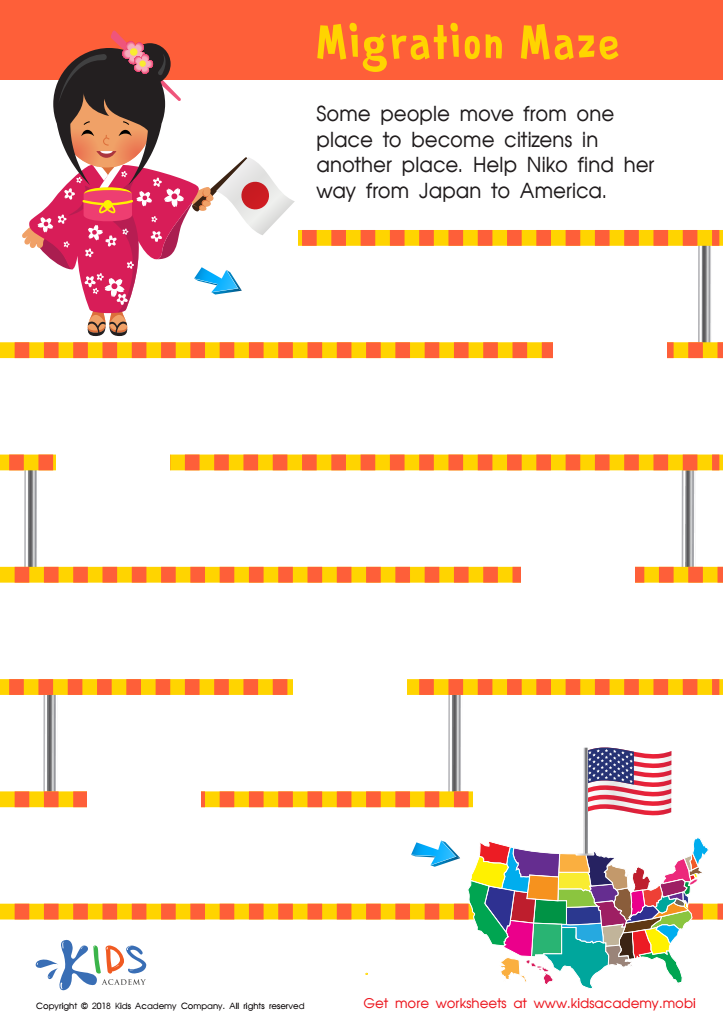
Migration Maze Worksheet
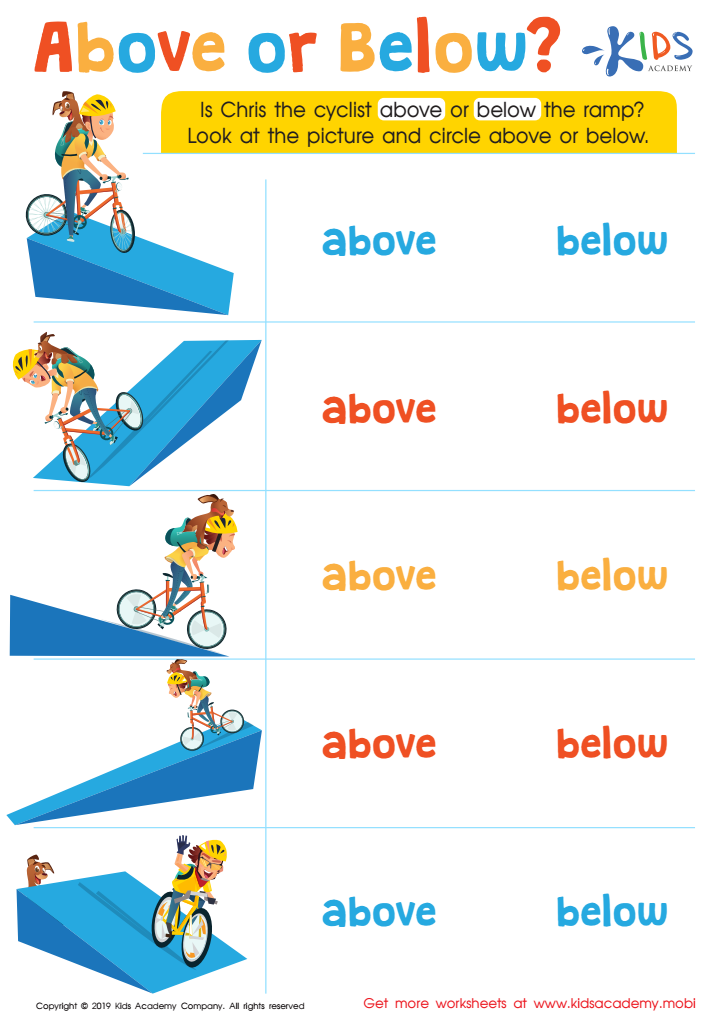
Above or Below? Worksheet






Spatial awareness is crucial for children aged 6-8 as it forms the foundation for their physical, cognitive, and social development. During these critical years, children begin to explore their environment more actively, and understanding spatial relationships enhances their ability to navigate the world confidently.
For parents and teachers, fostering spatial awareness can significantly impact a child’s academic success. It plays a vital role in subjects such as mathematics, where concepts like geometry and measurement depend heavily on understanding shapes and spaces. Additionally, spatial skills are linked to problem-solving abilities and logical thinking, which are essential for cognitive development.
Beyond academics, spatial awareness aids in everyday activities. Children learn to judge distances, develop motor skills through physical play, and improve their coordination, which are vital for sports and other group activities. It also encourages creativity and imagination when children visualize and manipulate objects in their minds.
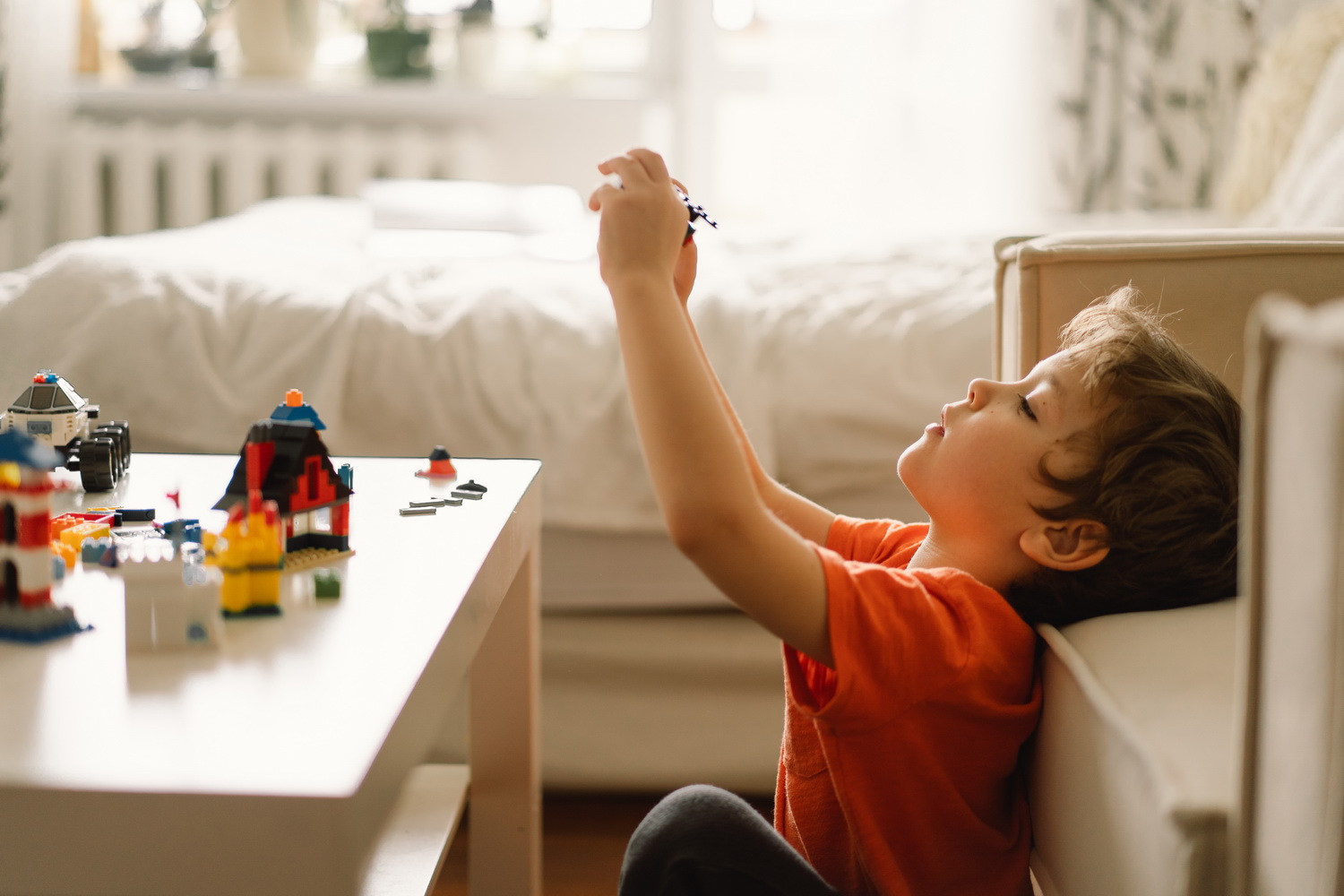
Moreover, strong spatial skills can boost a child's confidence and social interactions, as they engage in imaginative play and collaborative tasks with peers. Therefore, prioritizing spatial awareness activities, such as puzzles, building blocks, and interactive games, will not only benefit children's learning but also contribute to their overall growth and readiness for future challenges.








