
Understanding number sequences Worksheets for Ages 6-8
8 filtered results
Difficulty Level
Grade
Age
-
From - To
Subject
Activity
Standards
Enhance your child's numerical skills with our "Understanding Number Sequences Worksheets for Ages 6-8." Designed to make learning fun and engaging, these worksheets help young learners grasp number patterns and sequences. Our expertly crafted resources feature progressively challenging activities that build confidence and proficiency in recognizing, predicting, and creating number sequences. These worksheets not only align with educational standards but also foster critical thinking and problem-solving skills. Perfect for both classroom use and at-home practice, they ensure young minds stay curious and excited about math. Help your child master number sequences effortlessly with our tailored worksheets.
Favorites
With answer key
Interactive
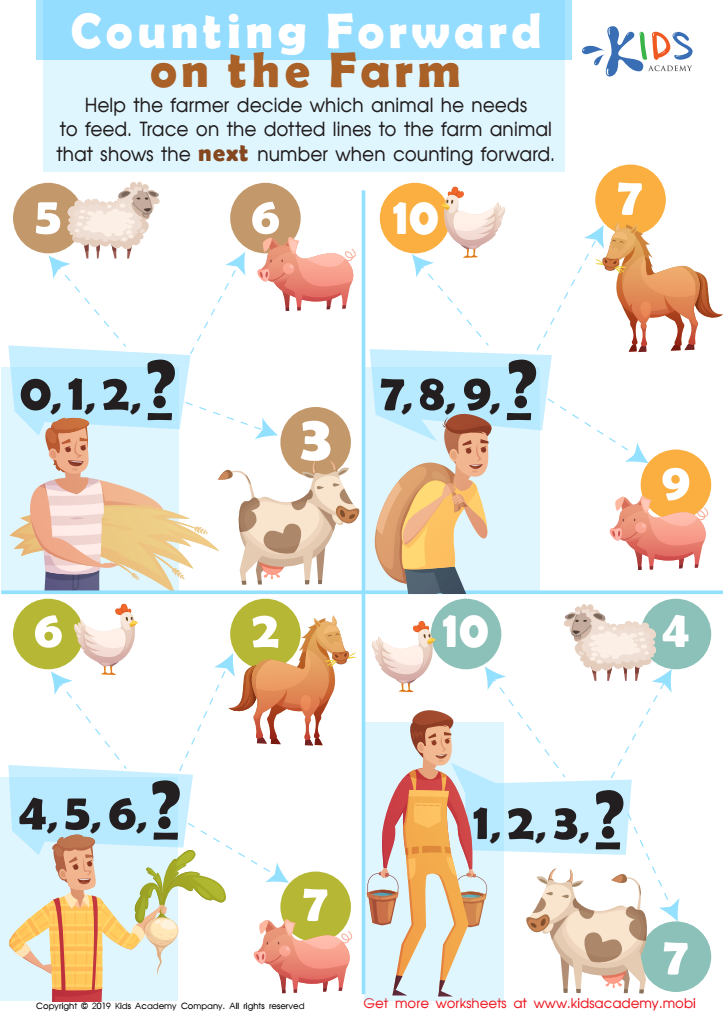
Counting Forward On the Farm Worksheet
Help your child practice counting with this fun worksheet. Have them help a farmer feed the right animal by counting on from a starting point. This activity will help them build number line thinking and refine fine motor skills.
 Assign to My Students
Counting Forward On the Farm Worksheet
Worksheet
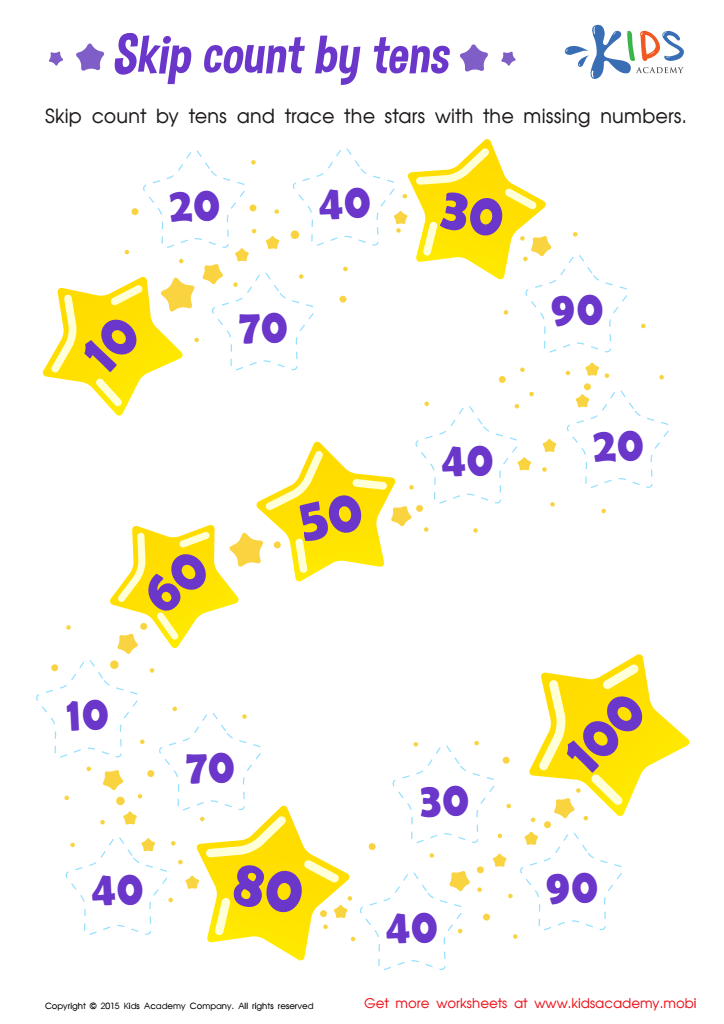
Learn dozens: Skip Count by Tens Printable
Follow a shooting star on an adventure of skip counting by 10s. Strengthen math skills with this fun and colorful worksheet. Kids will solve a puzzle, exercise logical reasoning and problem-solving skills. Get them ready for multiplication and division through increased skip counting abilities. Print this worksheet and take your star to the next level!
Learn dozens: Skip Count by Tens Printable
Worksheet
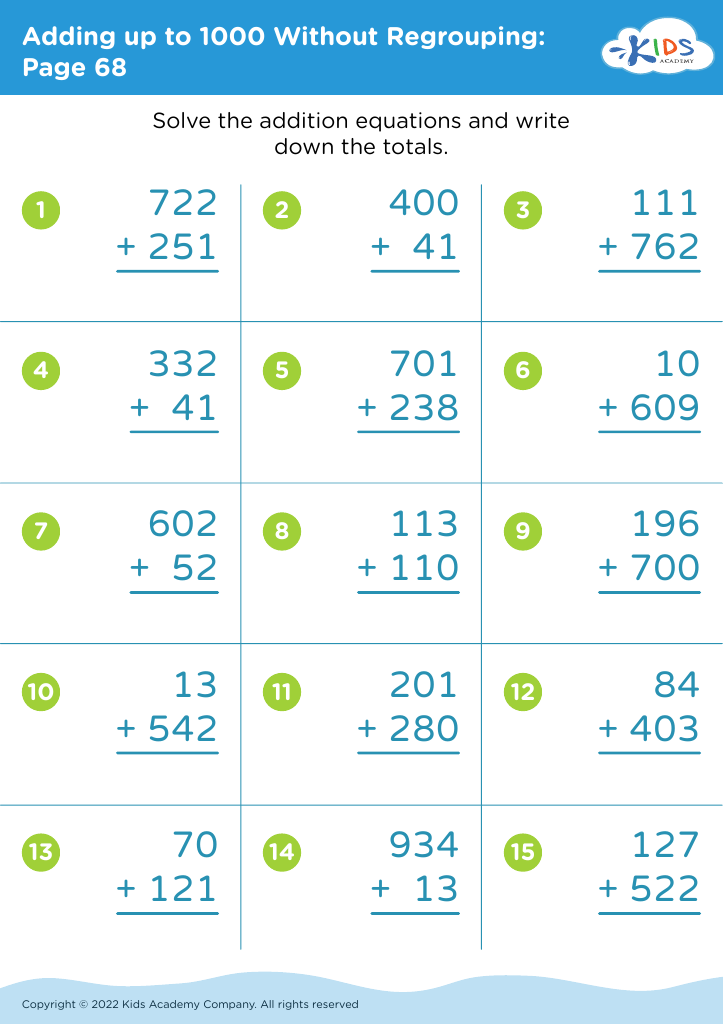
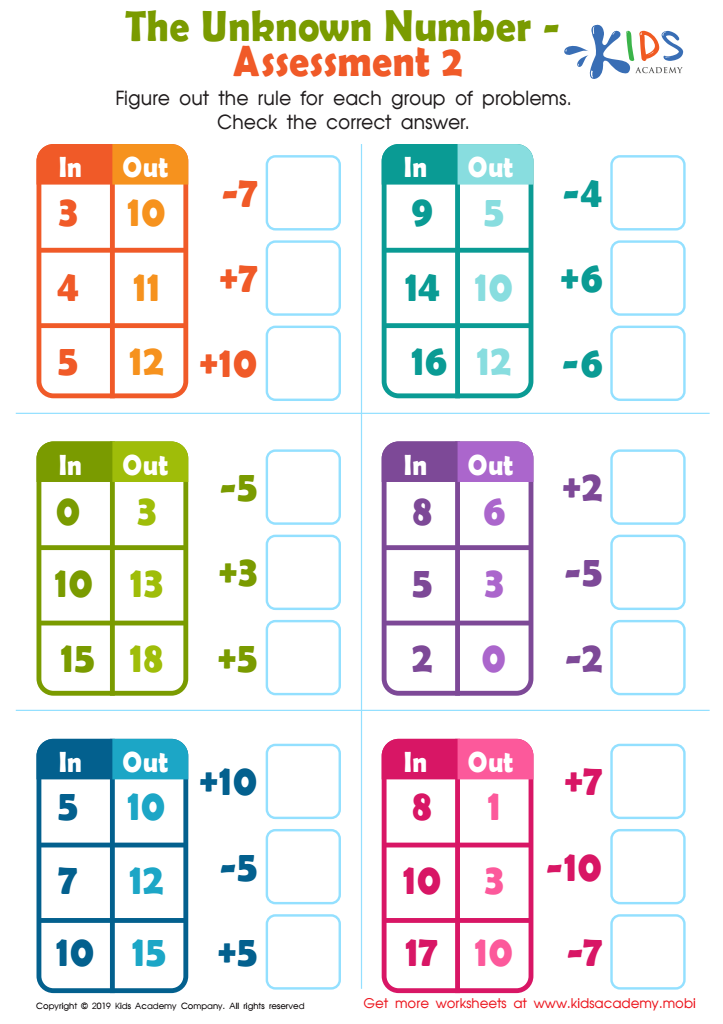
The Unknown Number - Assessment 2 Worksheet
Help your kids to figure out the rule for each group of math problems. Check the right answer and show that there's nothing to be nervous about. Encourage them and use creative learning for better understanding of math. Constant practice is key.
The Unknown Number - Assessment 2 Worksheet
Worksheet
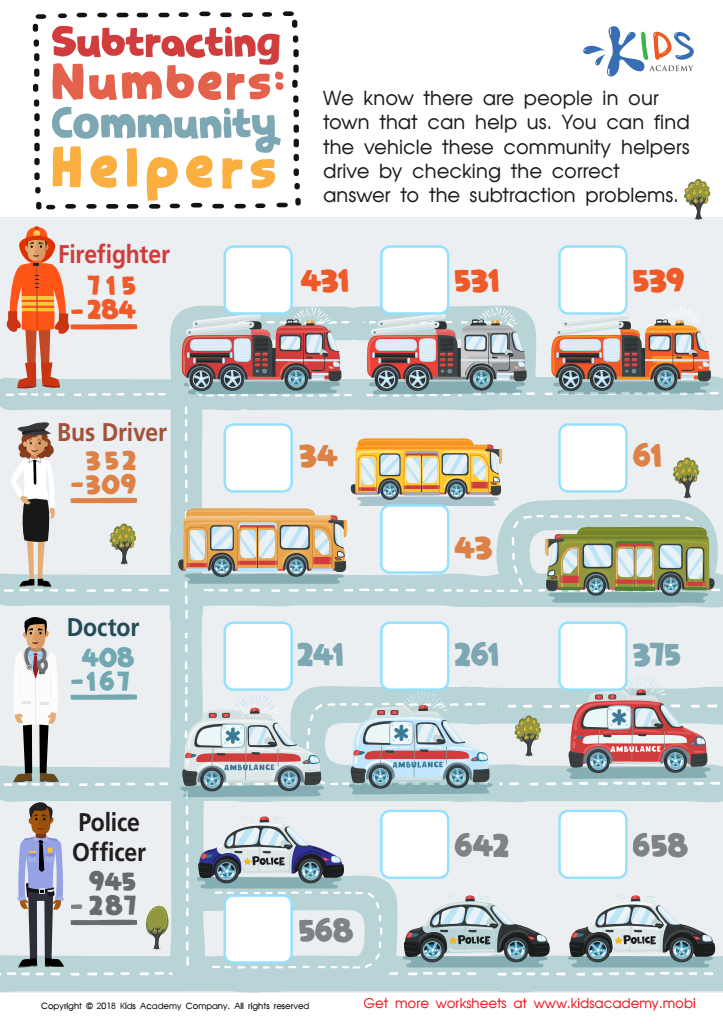
Subtracting Numbers: Community Helpers Worksheet
A community is an area of different people, buildings and other elements. People in a community have varied roles and work together to make it thrive. Ask your child what community helpers they know and how they help. Match the helpers to their vehicles by solving subtraction problems!
Subtracting Numbers: Community Helpers Worksheet
Worksheet
Join Kids Academy for Free
Who is primarily going to use this learning content?




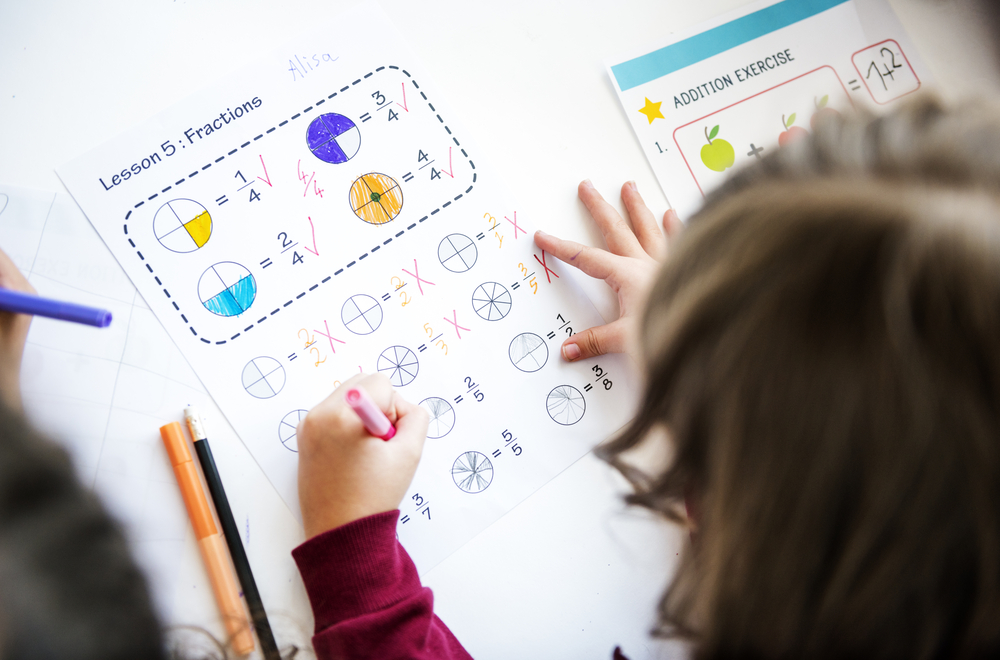



Understanding number sequences is a crucial component of early childhood education for several reasons. For children aged 6-8, it is not just about learning numbers but also about building a strong mathematical foundation. Number sequences help children understand order and the relationships between numbers, which are fundamental concepts in math.
This knowledge is vital for their ability to perform more complex mathematical operations, such as addition, subtraction, multiplication, and division. It also contributes to their understanding of patterns and logical thinking, which are essential skills not only in math but in everyday problem-solving and decision-making.
Moreover, grasping number sequences at an early age fosters confidence in young learners. As children successfully identify and predict number patterns, they gain a sense of achievement and are more likely to engage positively with math, often a subject perceived as challenging.
For parents and teachers, encouraging familiarity with number sequences also aligns well with educational standards and curricula designed to progressively enhance mathematical knowledge. Activities that involve counting, skip-counting, and recognizing patterns can be easily integrated into daily routines and classroom activities, making learning both effective and enjoyable.
Ultimately, early proficiency in number sequences sets the stage for academic success and a lifelong appreciation of mathematics.








