Understanding Simple Machines Worksheets for Ages 6-8
4 filtered results
-
From - To
Dive into the world of physics with our "Understanding Simple Machines Worksheets for Ages 6-8". These engaging resources are designed to spark curiosity and enhance the learning experience for young minds. Kids will explore fundamental concepts through fun, hands-on activities and vibrant illustrations. Topics include levers, pulleys, inclined planes, and more, crafted to align with educational standards. Perfect for classrooms, homeschooling, or supplementary practice, our worksheets make complex ideas accessible and enjoyable. Help your child or students build a strong foundation in science while developing critical thinking and problem-solving skills with our carefully tailored materials.
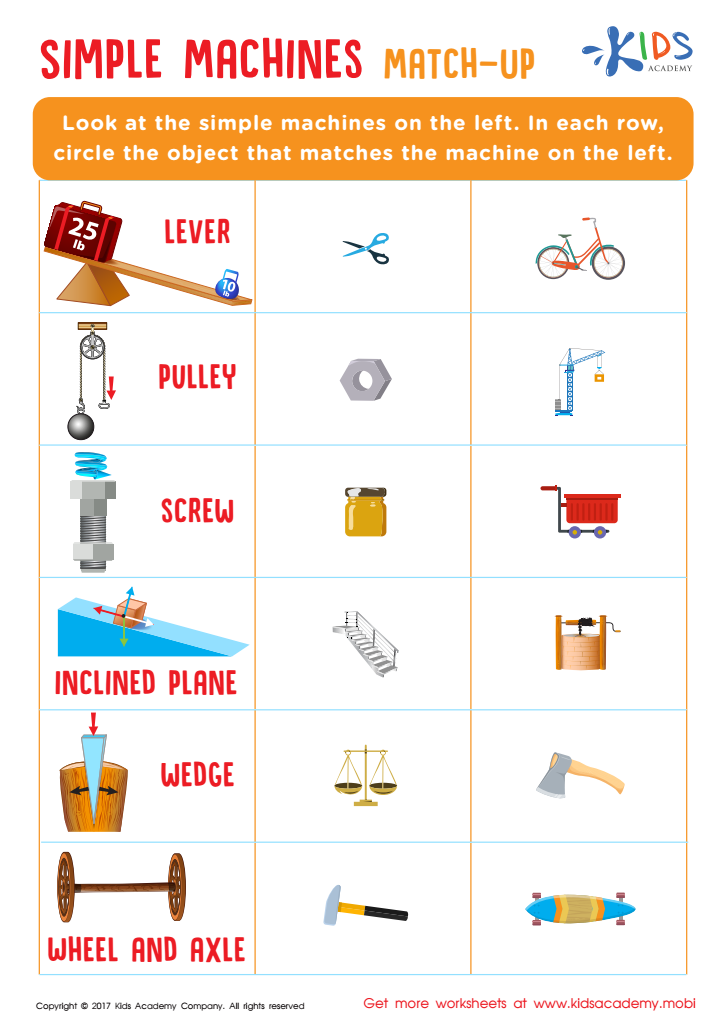
Simple Machines Worksheet
 Assign to My Students
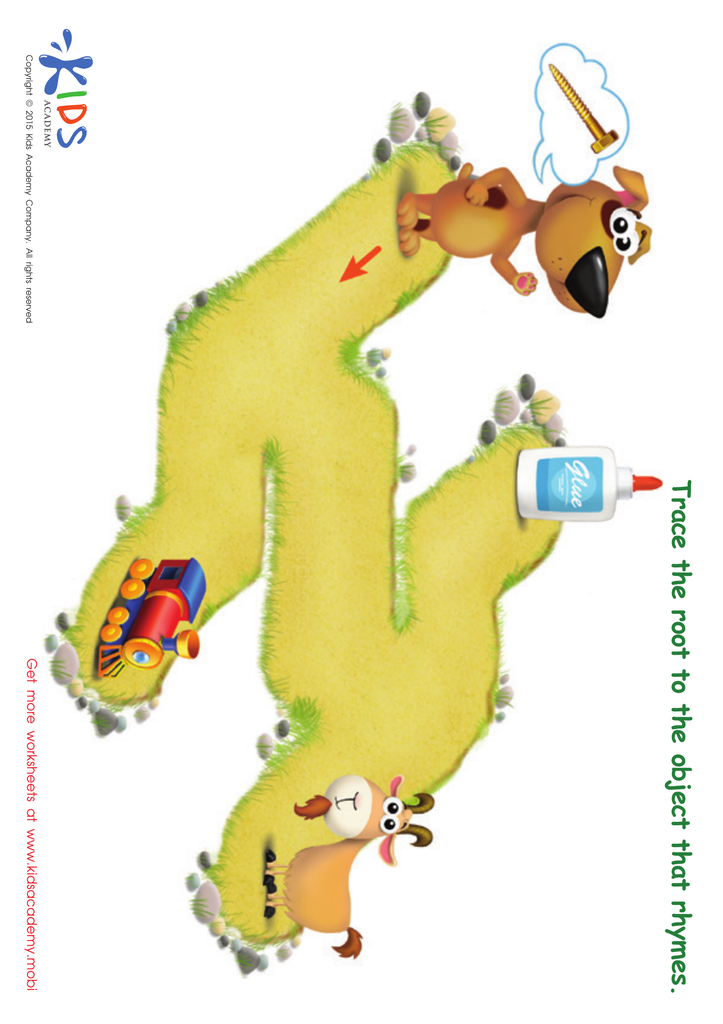
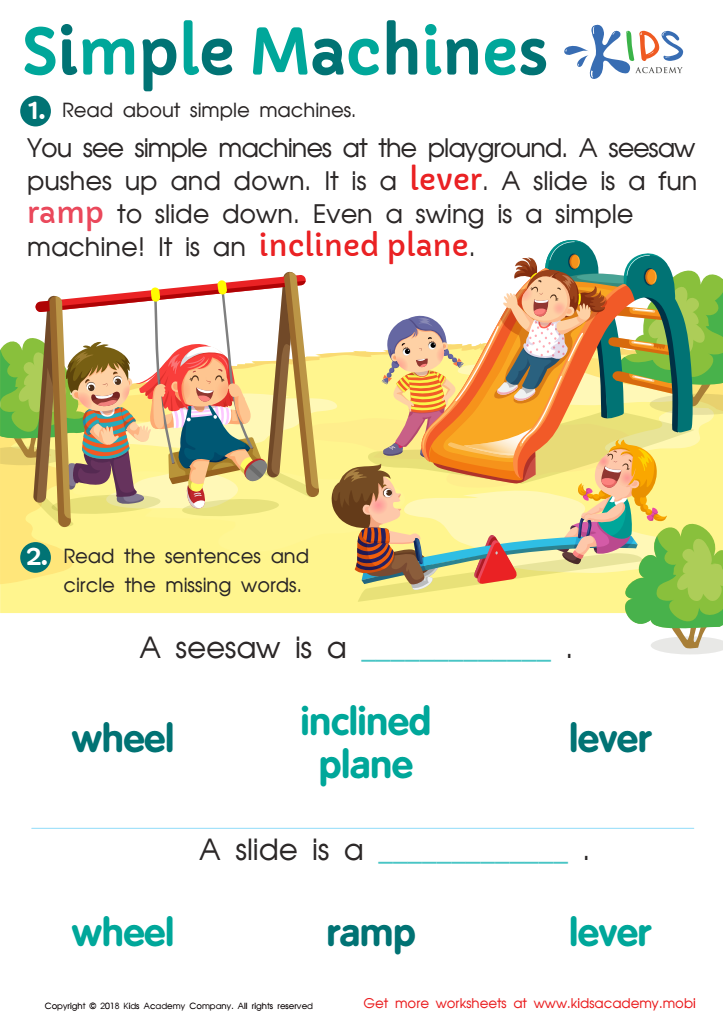
Simple Machines Worksheet
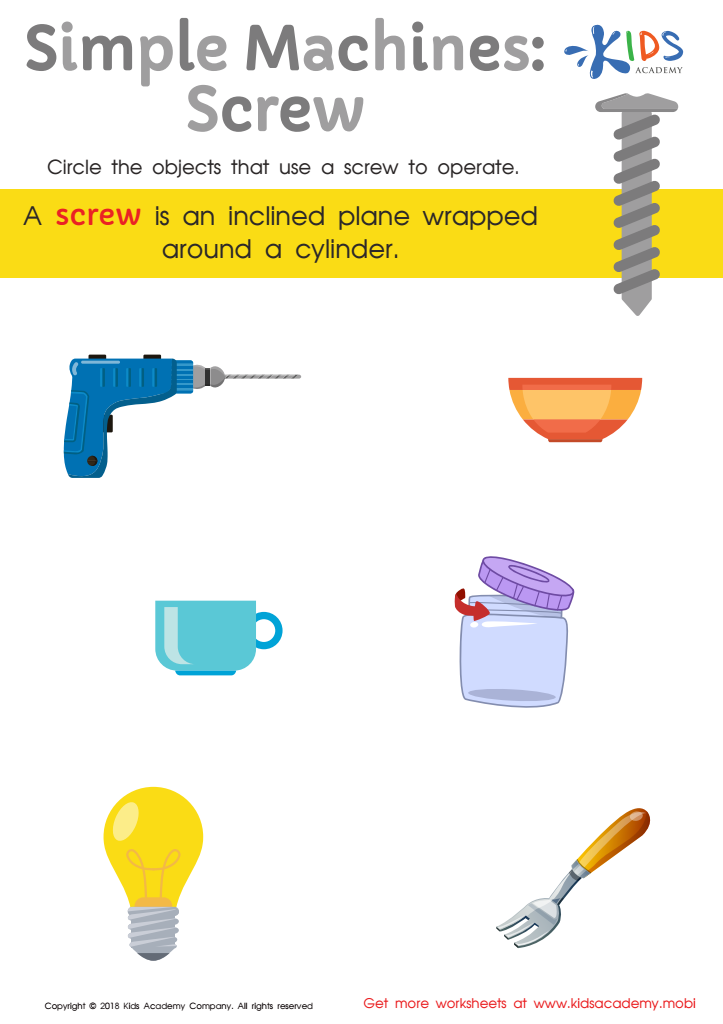
Simple Machines: Screw Worksheet








Understanding simple machines is crucial for young children's development because it lays a foundation for critical thinking, problem-solving, and a love for science and engineering. At ages 6 to 8, kids are naturally curious and imaginative—this is the perfect time to introduce them to fundamental concepts that describe the physical world.
Simple machines like levers, pulleys, and inclined planes might seem basic, but they illustrate core principles of physics. When children learn how these devices work, they start to see how they make our daily tasks easier and more efficient. This realization sparks curiosity and encourages them to ask questions, laying the groundwork for scientific inquiry.
Additionally, understanding simple machines fosters hands-on learning. Activities that involve building or experimenting with these mechanisms boost fine motor skills, coordination, and spatial awareness. These experiences also promote perseverance and resilience, as children learn to test and refine their ideas.
Moreover, the comprehension of simple machines often aligns with curriculum standards, supporting academic learning in an enjoyable and engaging way. For parents and teachers, introducing these concepts in a tangible, relatable manner not only enhances educational experiences but also cultivates the early STEM (Science, Technology, Engineering, and Math) enthusiasm that is critical for future academic and career success.








