Visual-motor skills Worksheets for Ages 6-8
3 filtered results
-
From - To
Enhance your child's visual-motor skills with our engaging worksheets designed specifically for ages 6 to 8. These expertly crafted resources help children improve hand-eye coordination, fine motor skills, and spatial awareness through fun activities such as tracing, drawing, and puzzles. Our worksheets support various learning styles and promote a passion for learning while making skill development enjoyable. Perfect for reinforcing classroom lessons or for at-home practice, these printable worksheets are easy to use and perfect for fostering creativity. Help your child achieve confidence in their abilities with our visual-motor skills worksheets and watch their growth flourish!
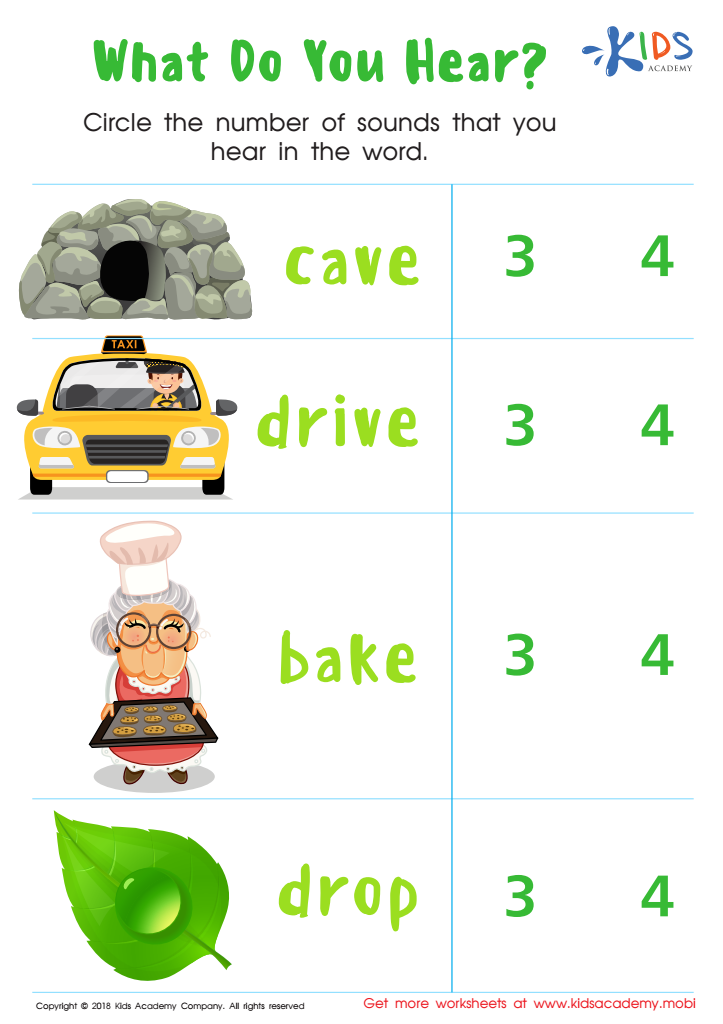
What Do You Hear? Worksheet
 Assign to My Students
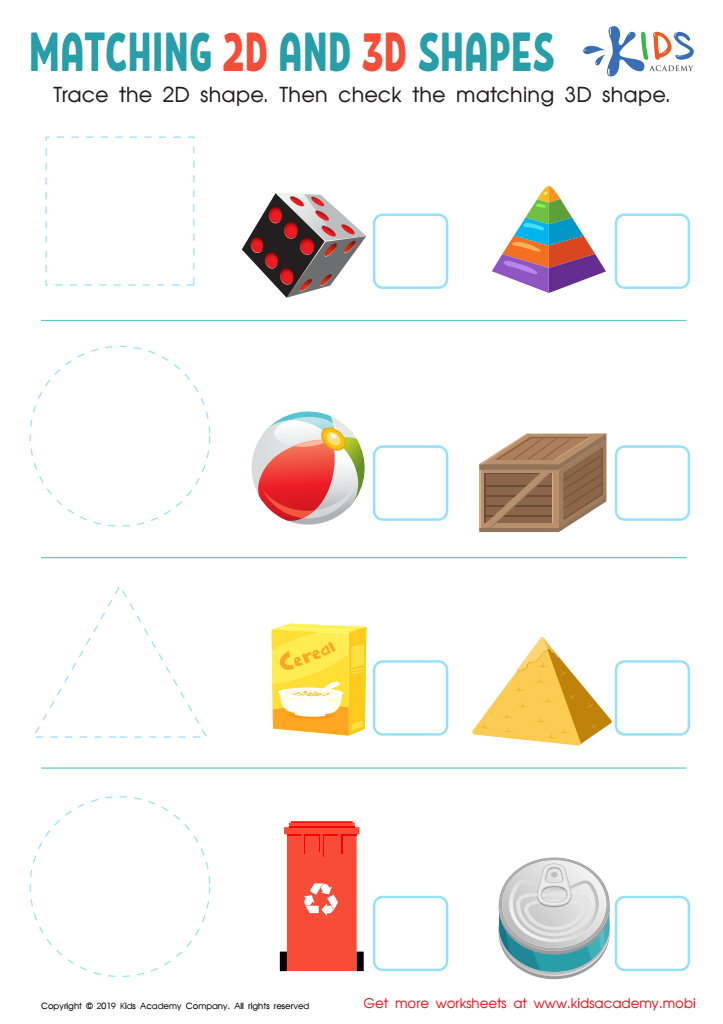
Matching 2D and 3D Shapes Worksheet
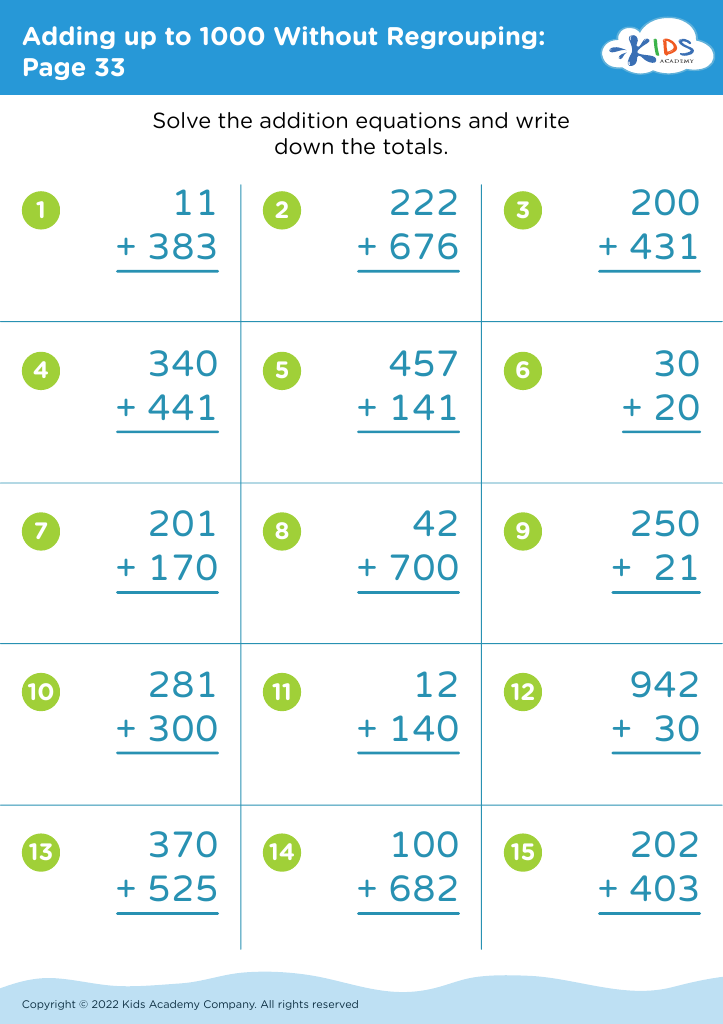




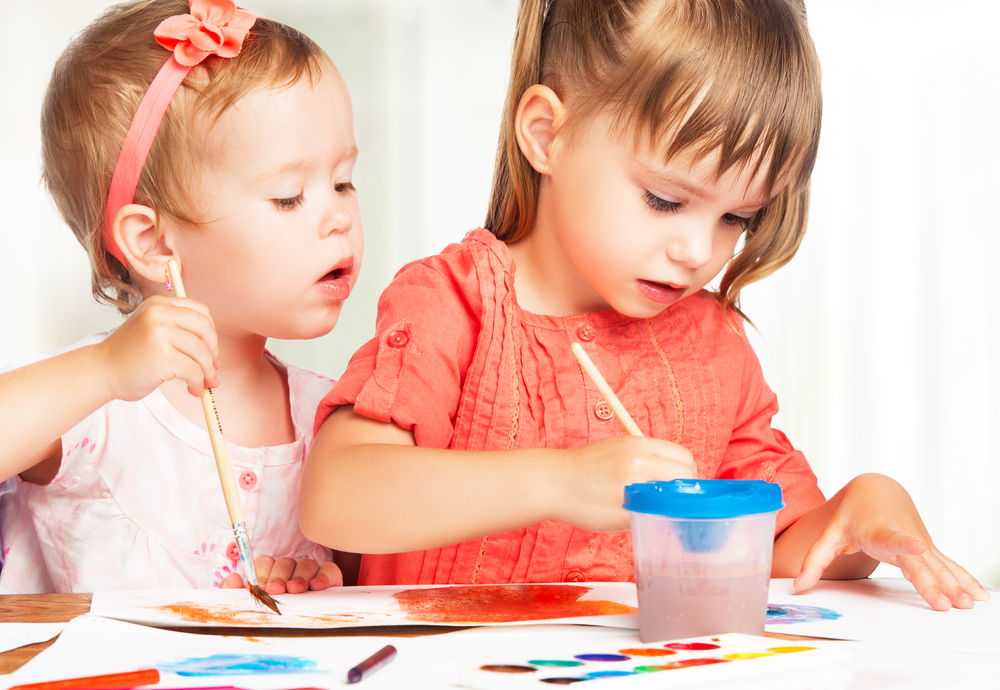



Visual-motor skills are crucial for children aged 6-8, as they directly impact various aspects of learning and daily activities. At this age, children are honing their abilities to coordinate visual input with motor actions, essential for writing, drawing, and participating in sports. Strong visual-motor skills not only aid in academic success but also enhance fine motor skills, facilitating tasks like cutting with scissors and buttoning clothing.
Parents and teachers should care about these skills because deficiencies can lead to challenges in school, such as trouble with handwriting, difficulty completing assignments, and decreased confidence in physical activities. Children who struggle with visual-motor integration may also experience frustration, potentially leading to a dislike of school or reduced social interactions.
Moreover, fostering these skills can improve overall developmental outcomes. Engaging children in activities like puzzles, arts and crafts, and sports helps cultivate their visual-motor abilities, paving the way for better academic performance and life skills. Parents and teachers play an essential role in recognizing and supporting this aspect of development, ensuring that children thrive both in and out of the classroom, setting them up for a successful, well-rounded future.








