Color recognition Logic and Early Math Worksheets for Ages 6-8
4 filtered results
Difficulty Level
Grade
Age
-
From - To
Subject
Activity
Standards
Enhance your child's learning with our Color Recognition Logic and Early Math Worksheets, tailored for ages 6-8. These engaging activities are designed to develop critical thinking and foundational math skills through fun color-based exercises. Kids will enjoy identifying different colors, matching them to objects, and completing colorful patterns, all while honing their logic and early numerical abilities. Perfect for home or classroom use, our worksheets make learning exciting and interactive, helping young learners build confidence and achieve academic success. Visit our website for free, printable worksheets that can transform your child’s educational journey.
Favorites
With answer key
Interactive
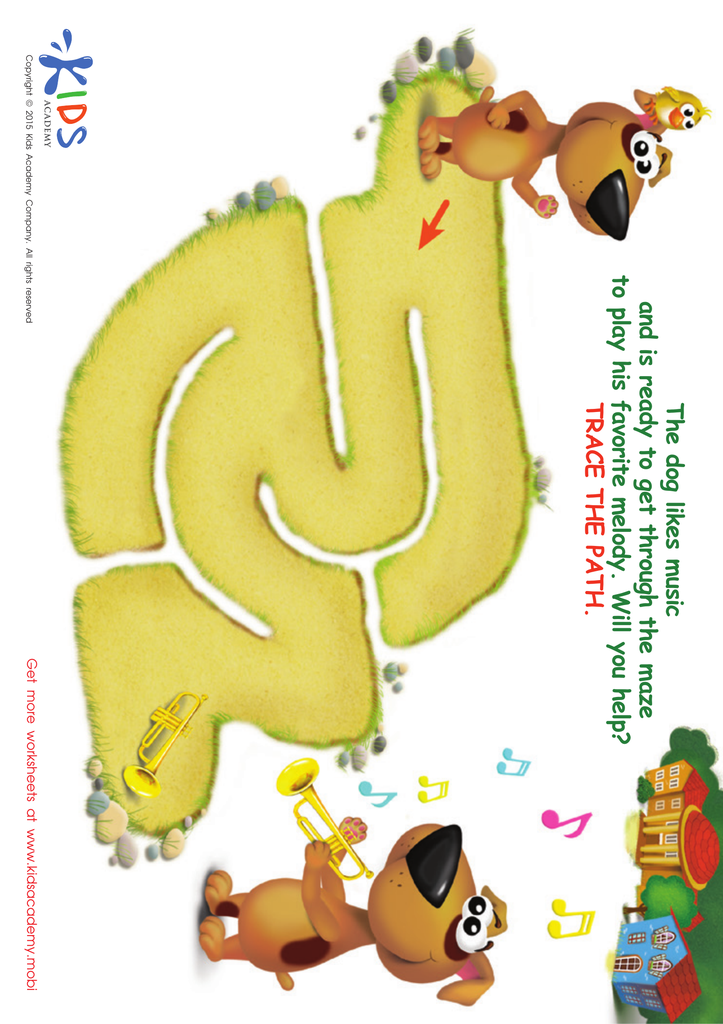
Trumpeter Maze Worksheet
Help your kid to find the way out of the maze to hear their favorite melody! Visit Kids Academy now and explore plenty of fun and educational resources.
Trumpeter Maze Worksheet
Worksheet
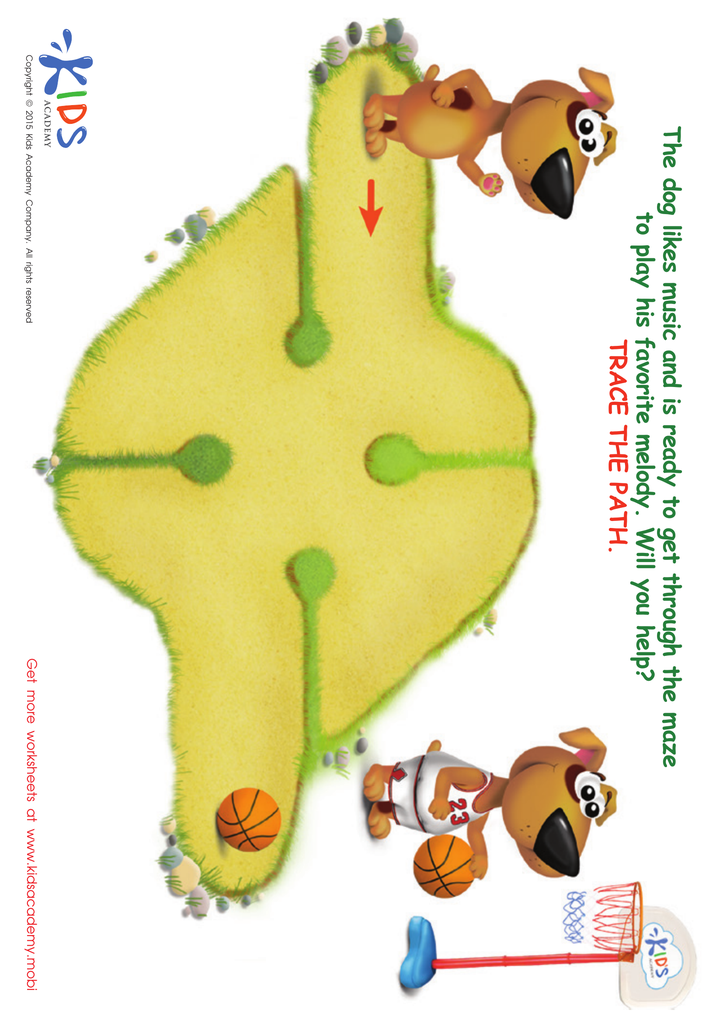
Basketball Player Maze Worksheet
Test your skills with our new printable maze worksheets, and help the little dog get his basketball! Trace the path carefully to get the ball and play together.
Basketball Player Maze Worksheet
Worksheet
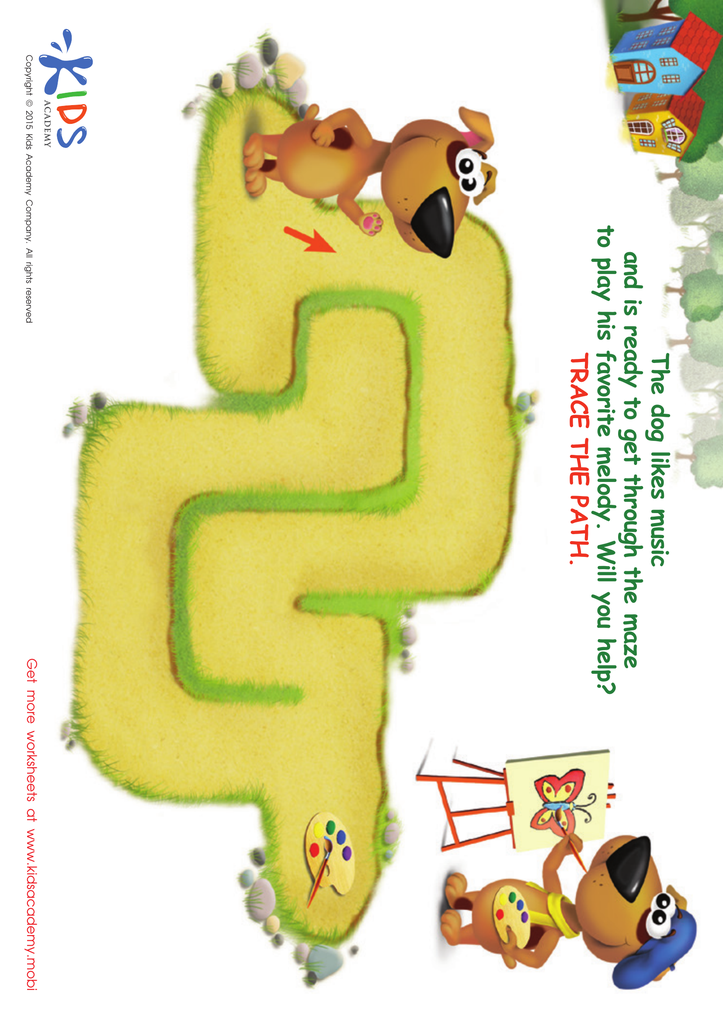
Artist Maze Worksheet
Try this new maze worksheet to help your child develop problem-solving skills. Let the pup traverse the path and create a masterpiece with the brush and paints on the other side! Give it a go now.
Artist Maze Worksheet
Worksheet
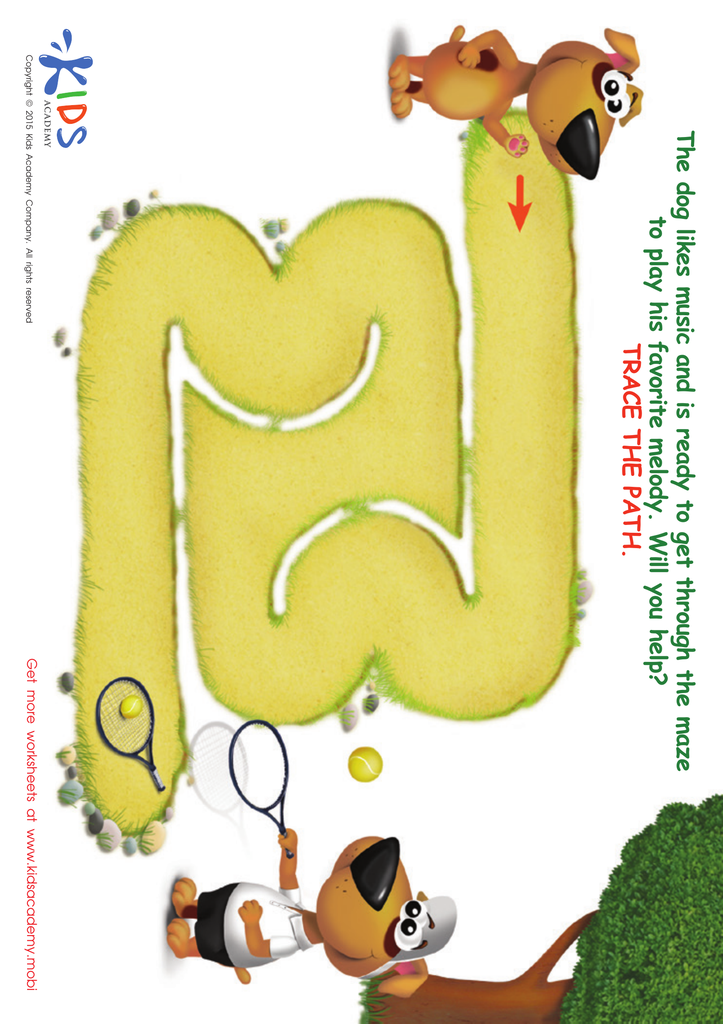
Tennis Player Maze Worksheet
Get them now and play together with your kids! Trace paths and help the dog find the racquets and balls. Fun and learning await.
Tennis Player Maze Worksheet
Worksheet
Join Kids Academy for Free
Who is primarily going to use this learning content?








Parents and teachers should prioritize color recognition, logic, and early math for children aged 6-8 because these skills lay a critical foundation for future learning and cognitive development. First, color recognition is fundamental in helping children differentiate and categorize visual information. This ability enhances their observational skills, aids in understanding patterns, and boosts their vocabulary as they learn to label and describe their environment. Secondly, developing logic skills at an early age fosters critical thinking and problem-solving abilities. Logical reasoning is essential across all subjects and daily tasks, from understanding sequences and making predictions to resolving conflicts and making informed decisions.
Early math skills, including basic arithmetic, pattern recognition, and spatial awareness, are equally crucial. They introduce children to structured thinking and analytical methods. Mathematical concepts often relate directly to real-life situations—such as counting objects, telling time, or understanding money—which enhance children's practical and numerical proficiency. Moreover, early exposure to math helps remove anxiety around the subject, promotes a positive attitude towards learning, and encourages persistence in tackling challenges.
Integrating these foundational skills in a supportive and engaging way ensures children gain confidence and competence across various areas of learning, thereby setting them up for academic and personal success. Parents and teachers play a pivotal role in nurturing these vital skills through interactive activities, structured play, and consistent practice.