Counting skills Addition & Subtraction Worksheets for Ages 6-8 - Page 7
146 filtered results
-
From - To
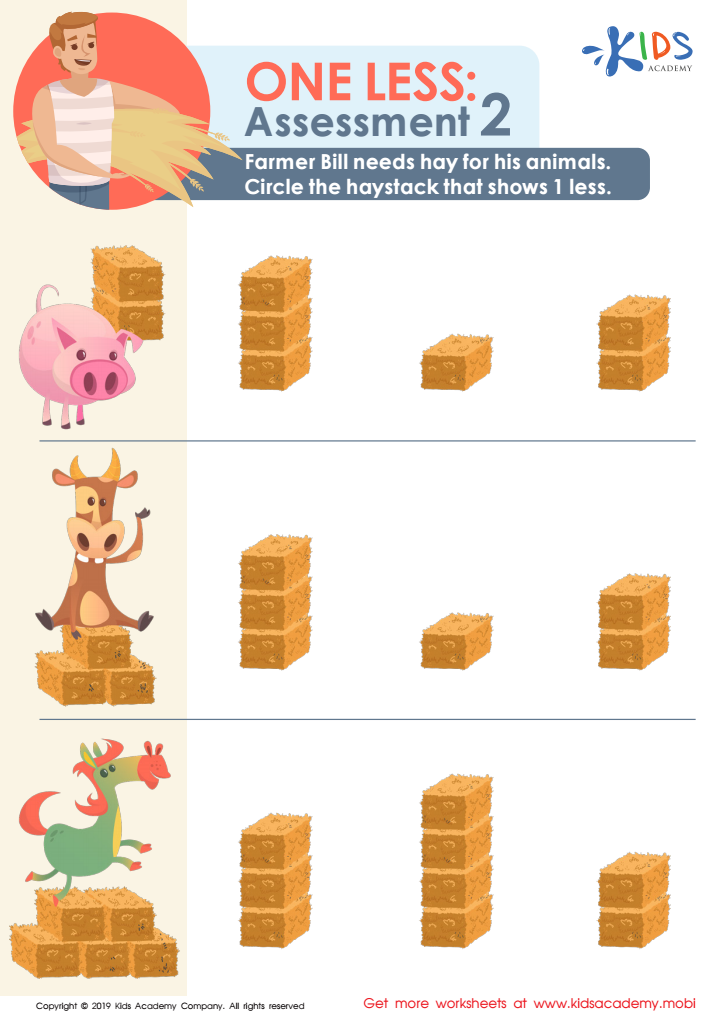
One Less: Assessment 2 Worksheet
 Assign to My Students
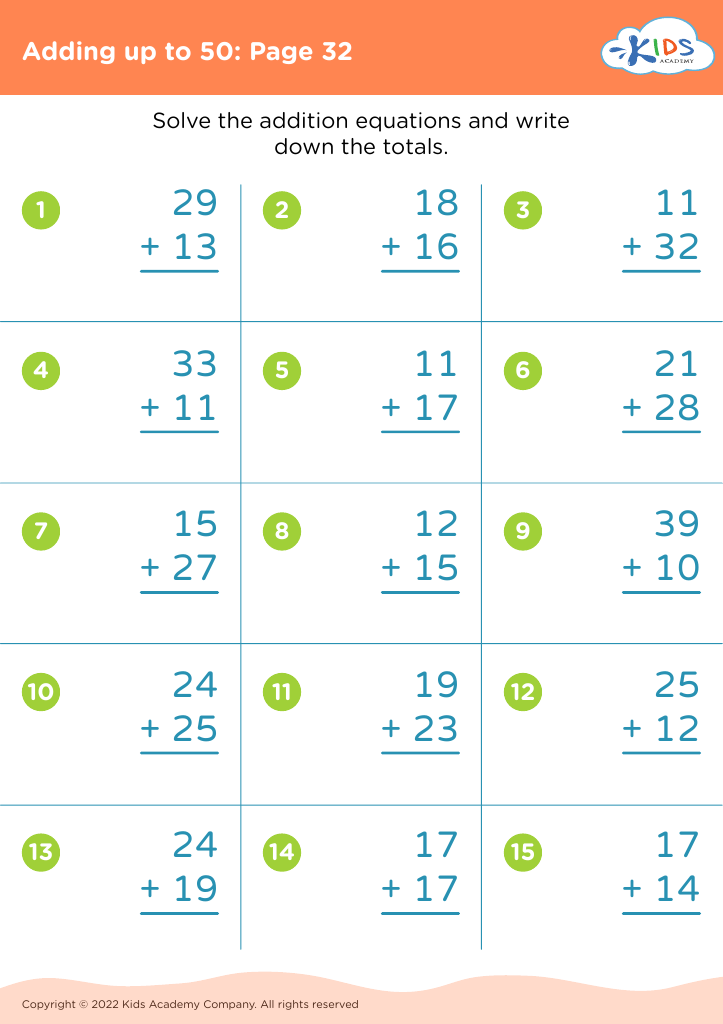


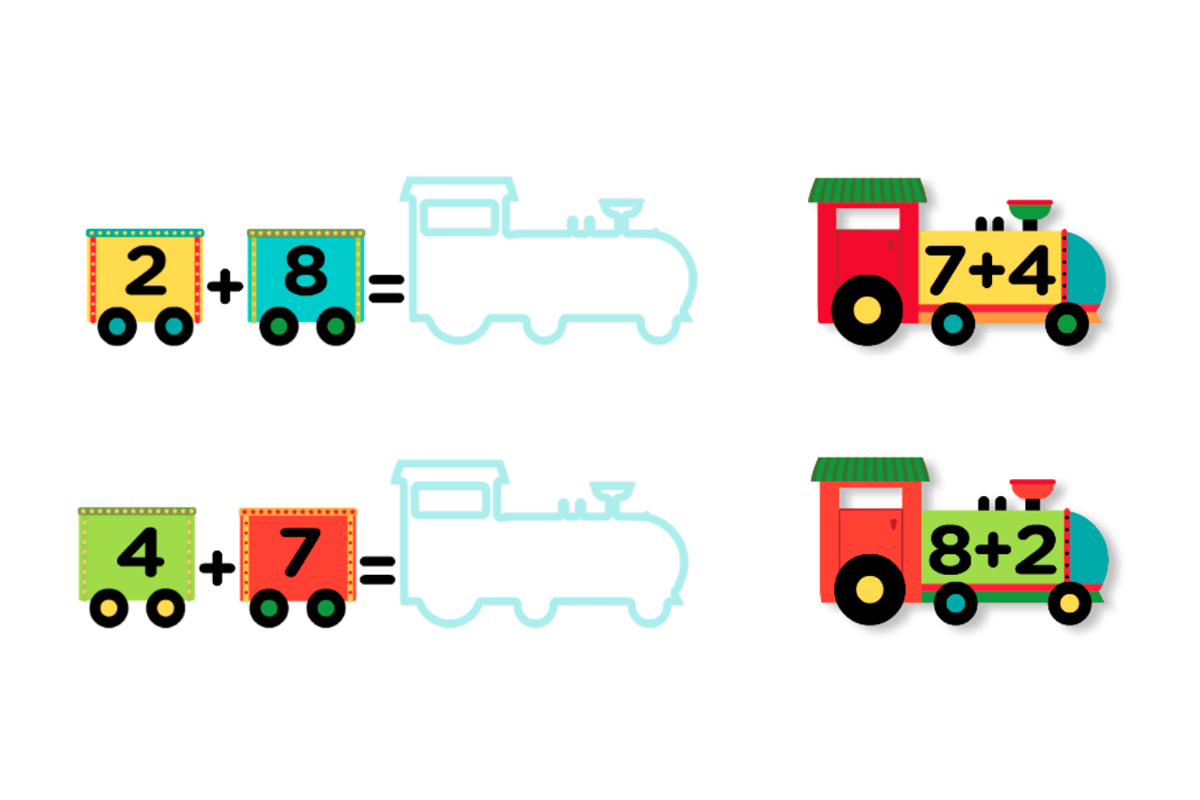





Counting skills, particularly in addition and subtraction, are foundational for children's mathematical understanding and overall cognitive development between ages 6 to 8. During this critical stage, children build the ability to comprehend numbers, formulate relationships between them, and apply operations effectively.
Parents and teachers should recognize that strong counting skills lay the groundwork for more complex mathematical concepts like multiplication, division, and problem-solving. These skills not only foster a child’s academic success but also enhance logical thinking and reasoning.
Moreover, counting exercises promote fine motor skills and cognitive coordination, allowing children to better engage with tactile learning materials. Establishing a solid base in addition and subtraction encourages confidence, reducing math anxiety and creating a positive attitude towards learning.
Additionally, everyday activities provide abundant opportunities for practicing these skills—be it through sharing snacks, counting toys, or helping with grocery lists. By reinforcing counting concepts at home and in the classroom, parents and teachers not only support mathematical proficiency but also nurture children’s analytical abilities for future success in academics and life. In this way, attention to counting, addition, and subtraction is vital for holistic child development and lifelong learning.








