Enhance number recognition Addition & Subtraction Worksheets for Ages 6-8
17 filtered results
-
From - To
Unlock the world of numbers with our "Enhance Number Recognition Addition & Subtraction Worksheets" designed specifically for children aged 6-8. These engaging worksheets not only make learning foundational math skills fun, but they also reinforce number recognition through an array of dynamic activities. With colorful illustrations and age-appropriate exercises, students will enjoy practicing addition and subtraction while identifying numbers flawlessly. Ideal for homeschoolers or classroom environments, our resources support developing young mathematicians’ confidence and competence. Explore our interactive worksheets today to spark curiosity and help your child master essential math skills, fostering a lifelong love of learning.
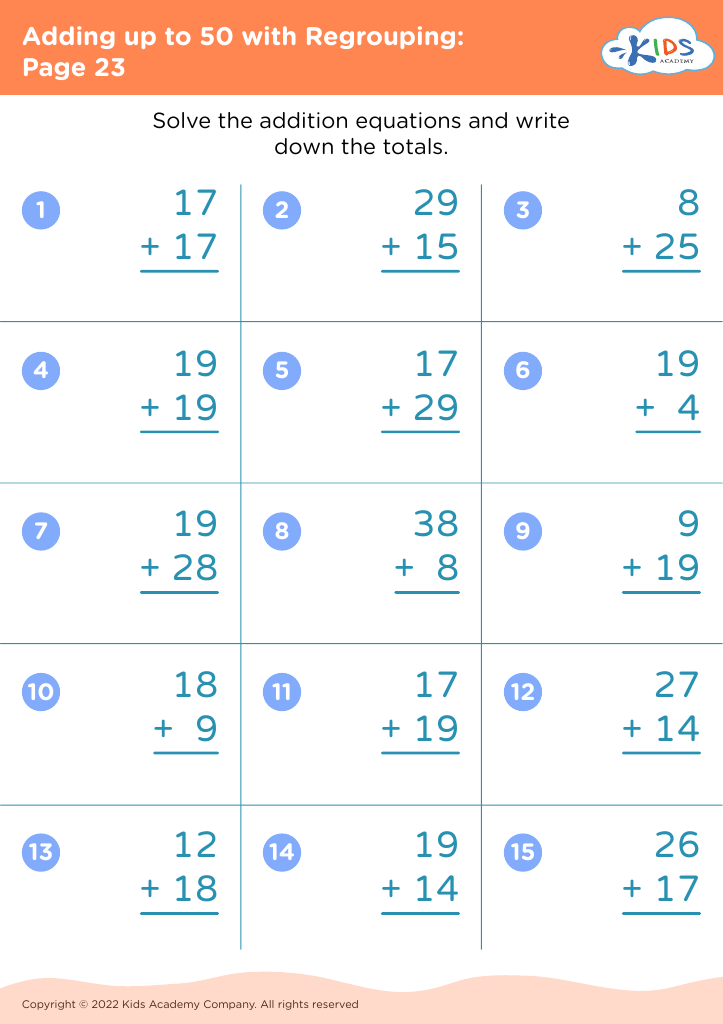
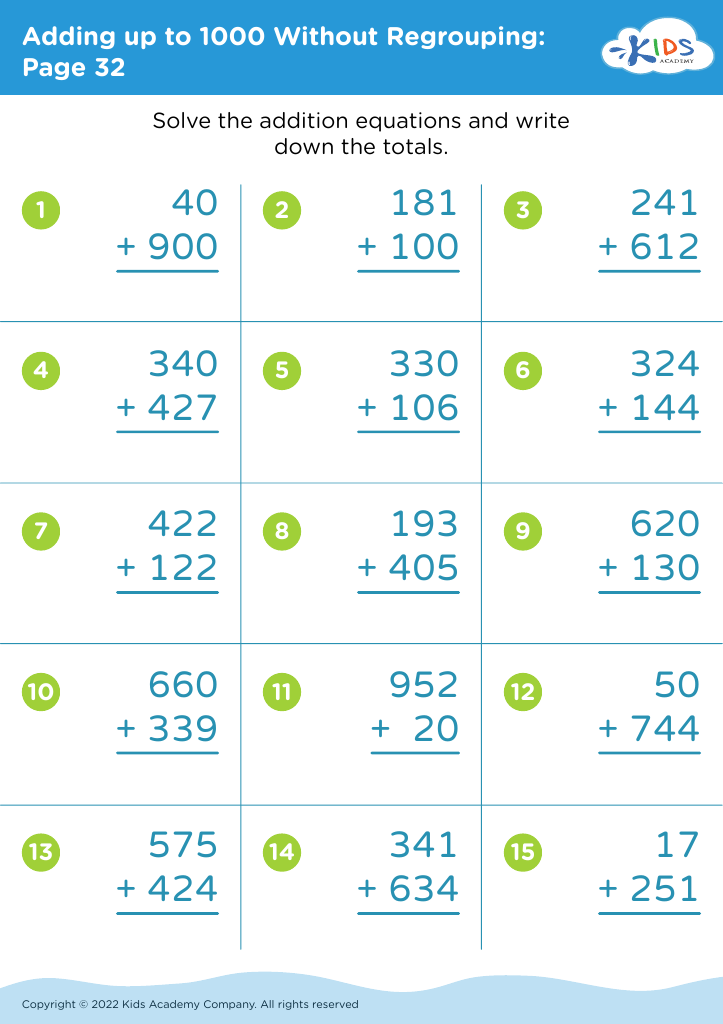
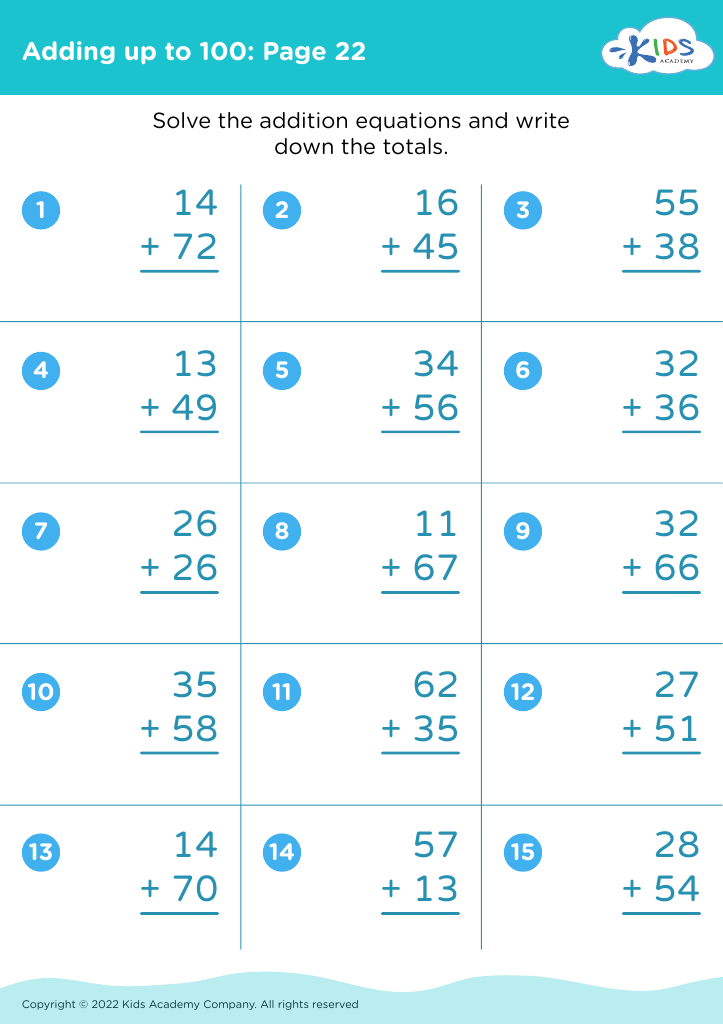
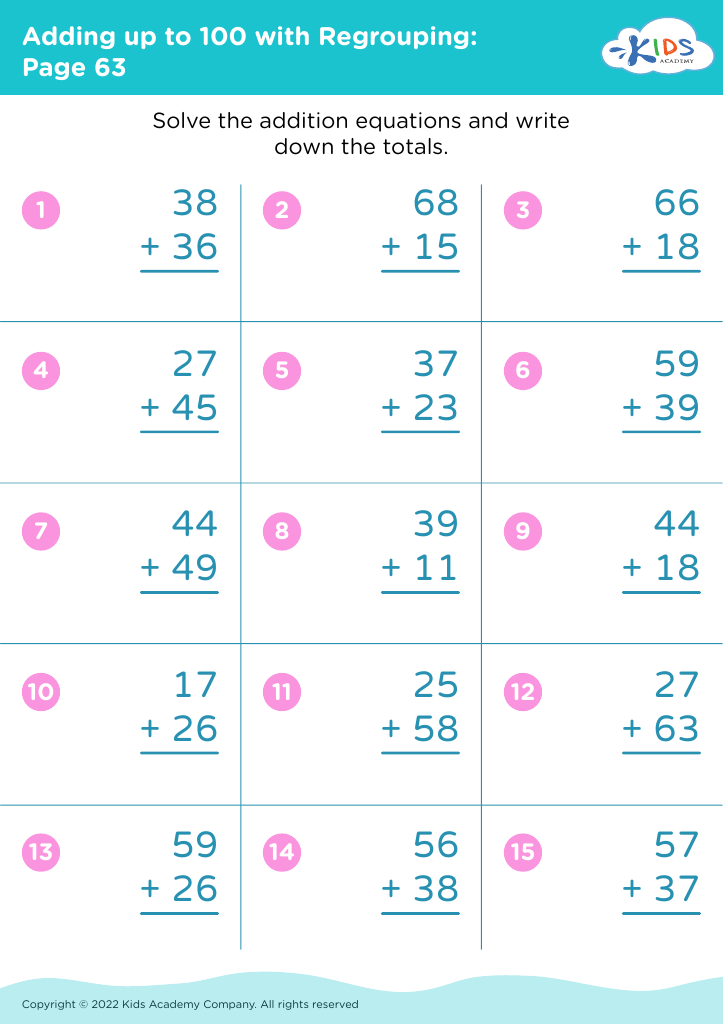
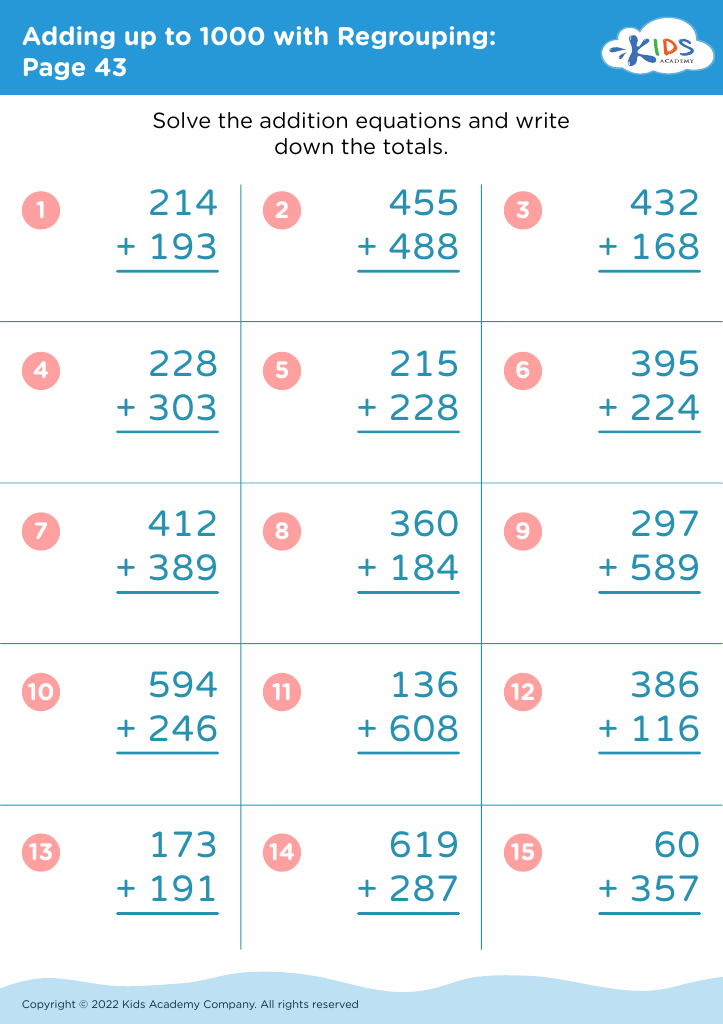
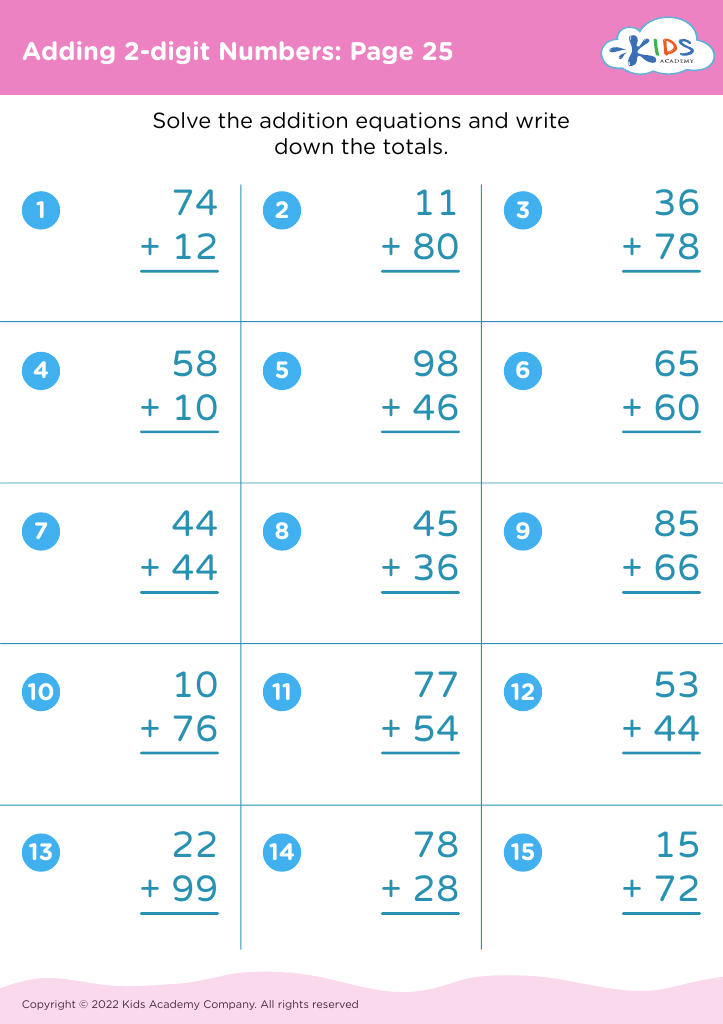
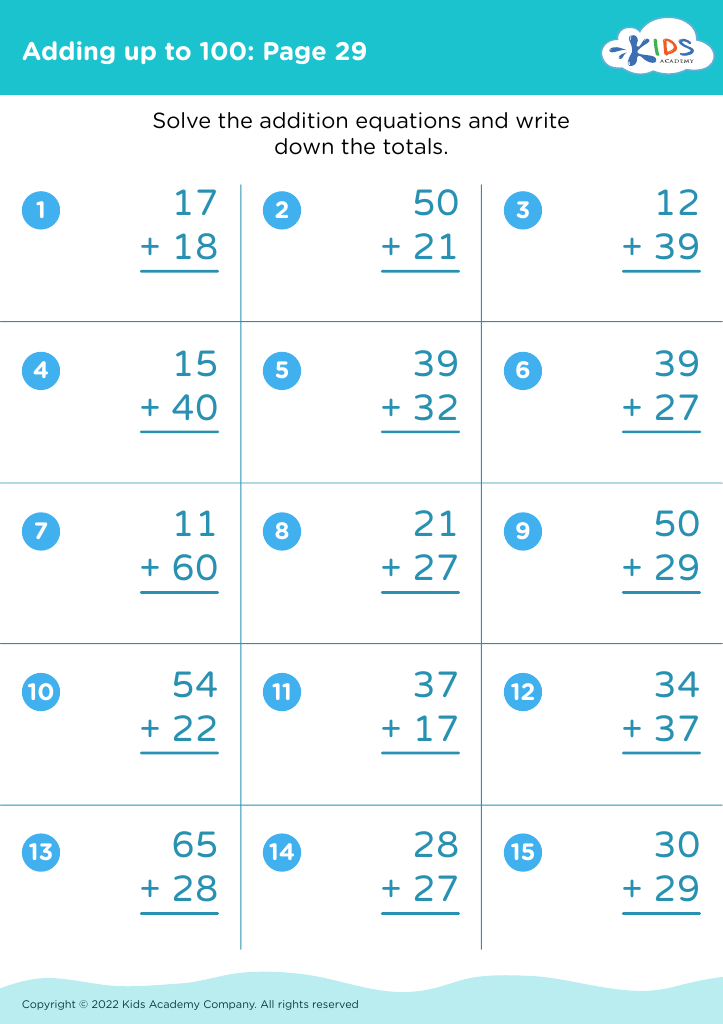
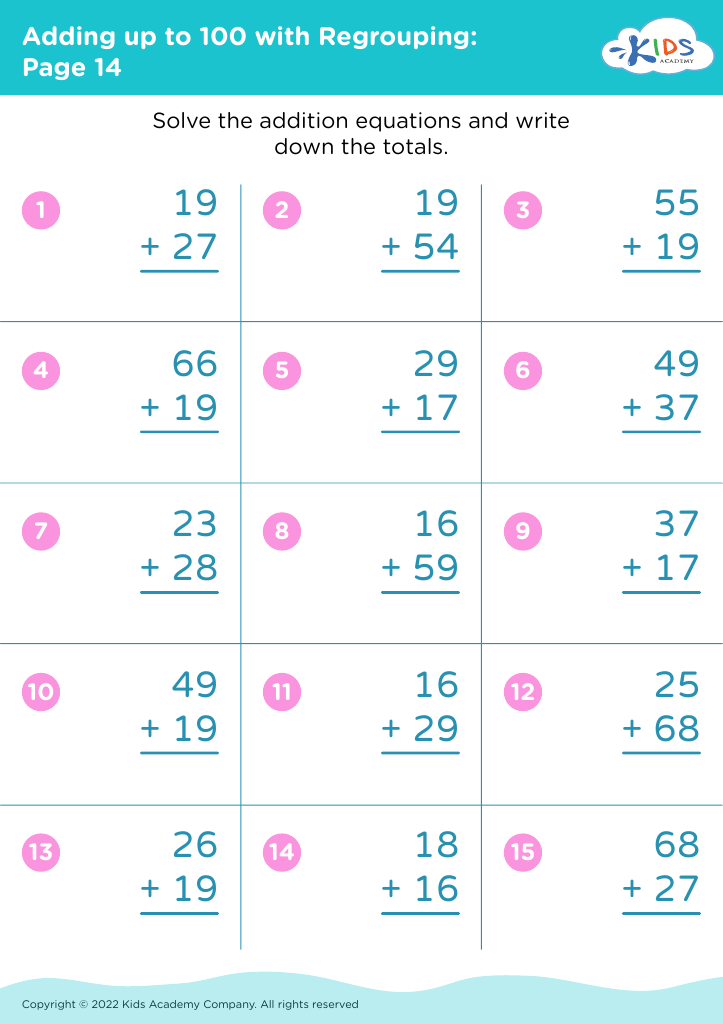
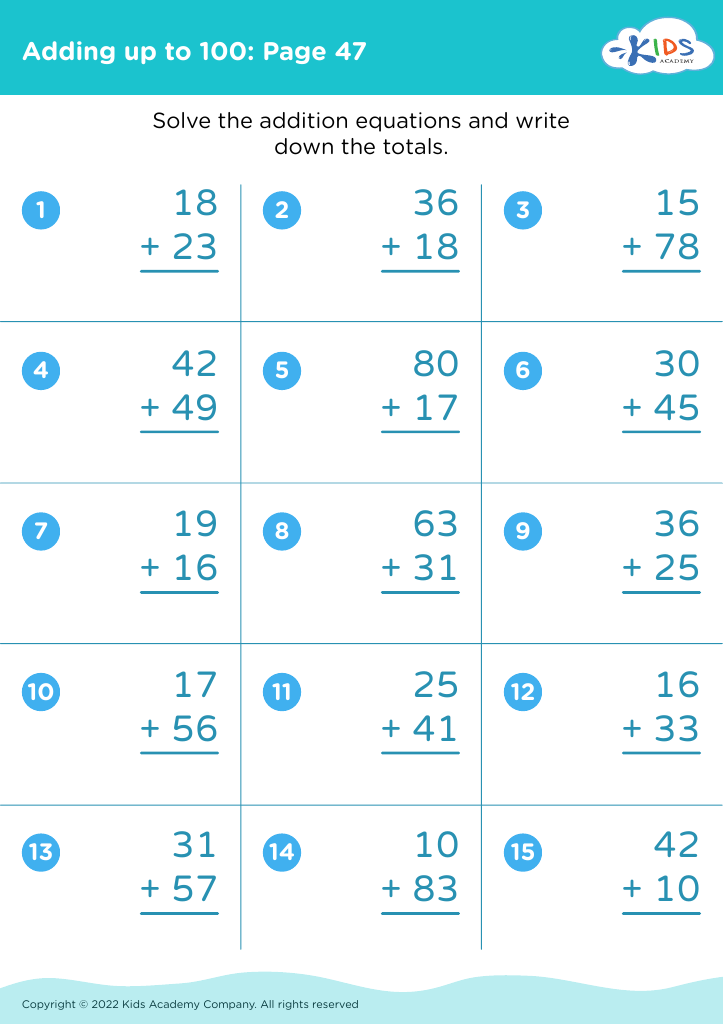
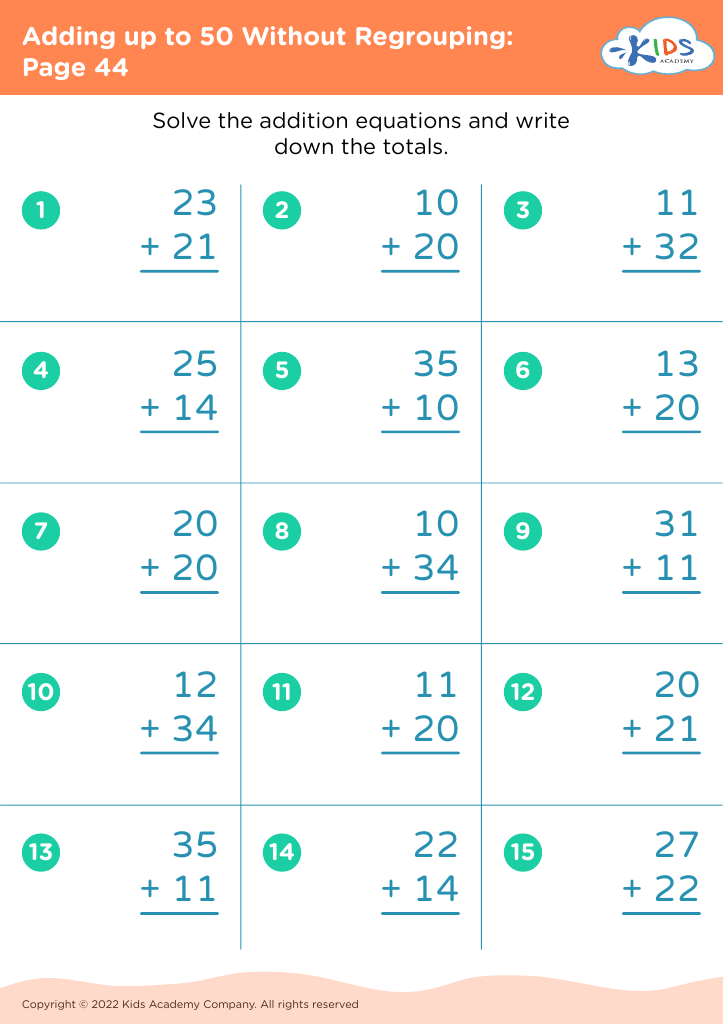
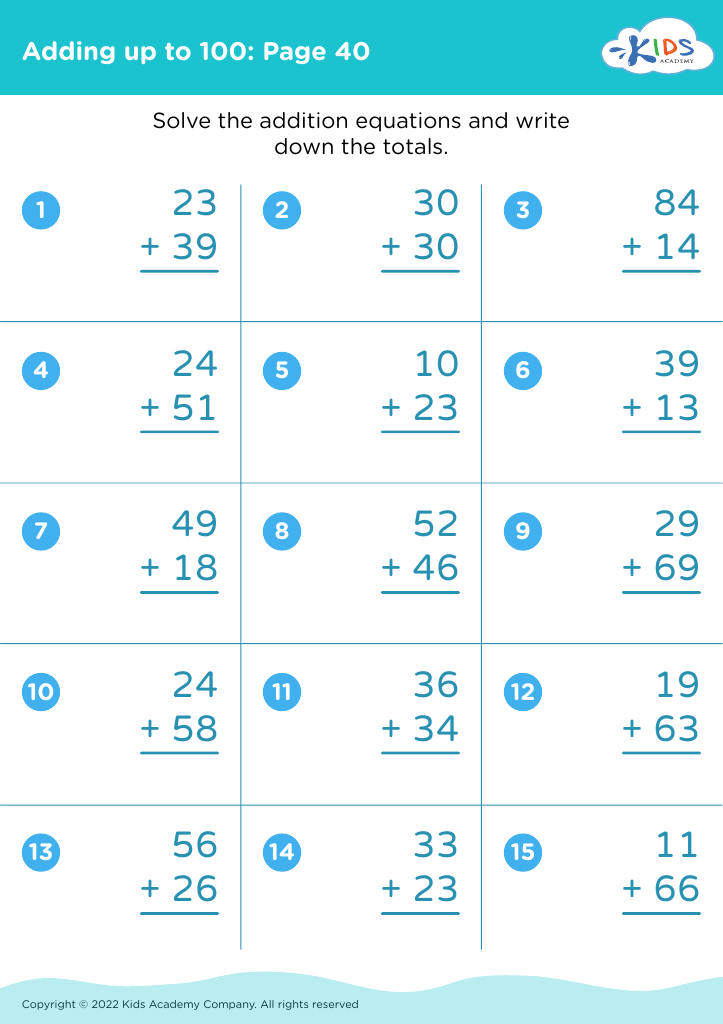
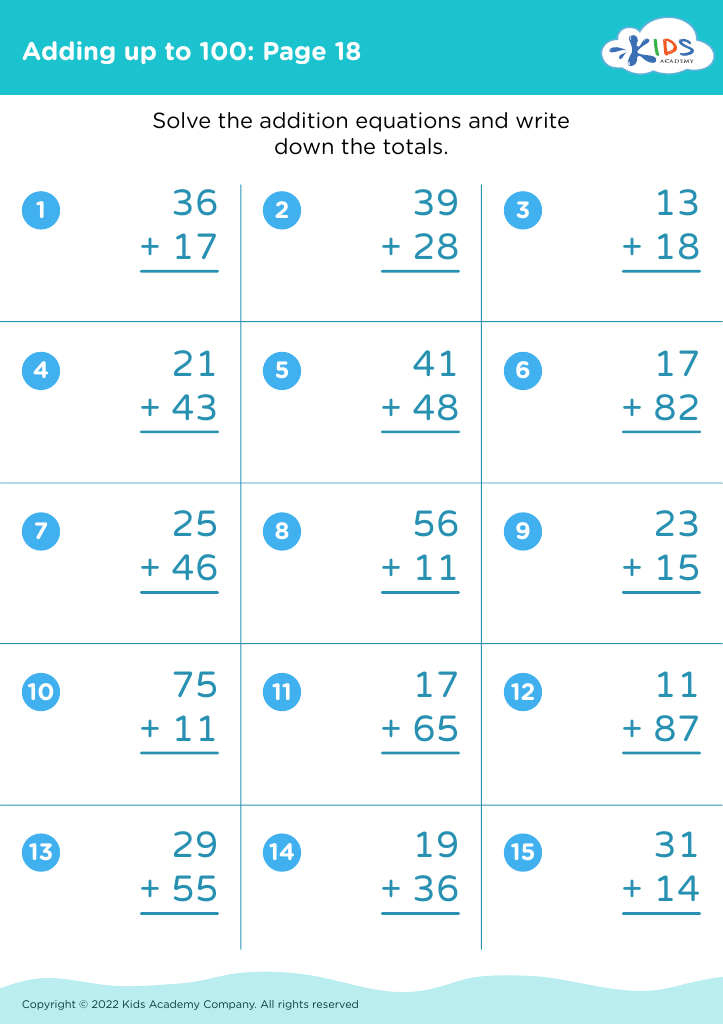
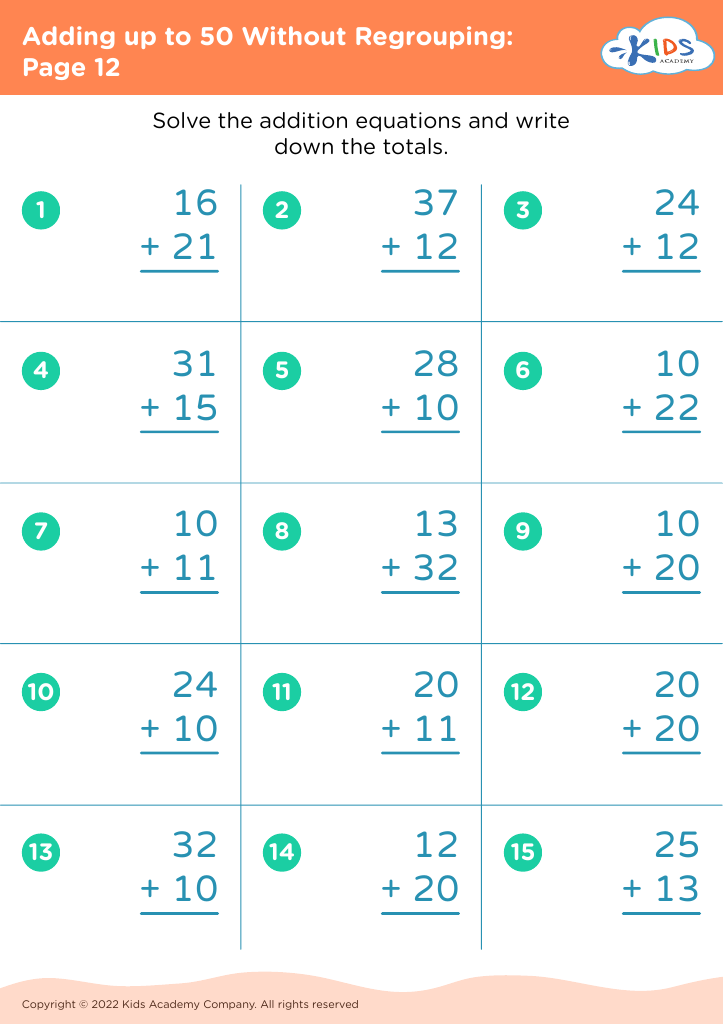
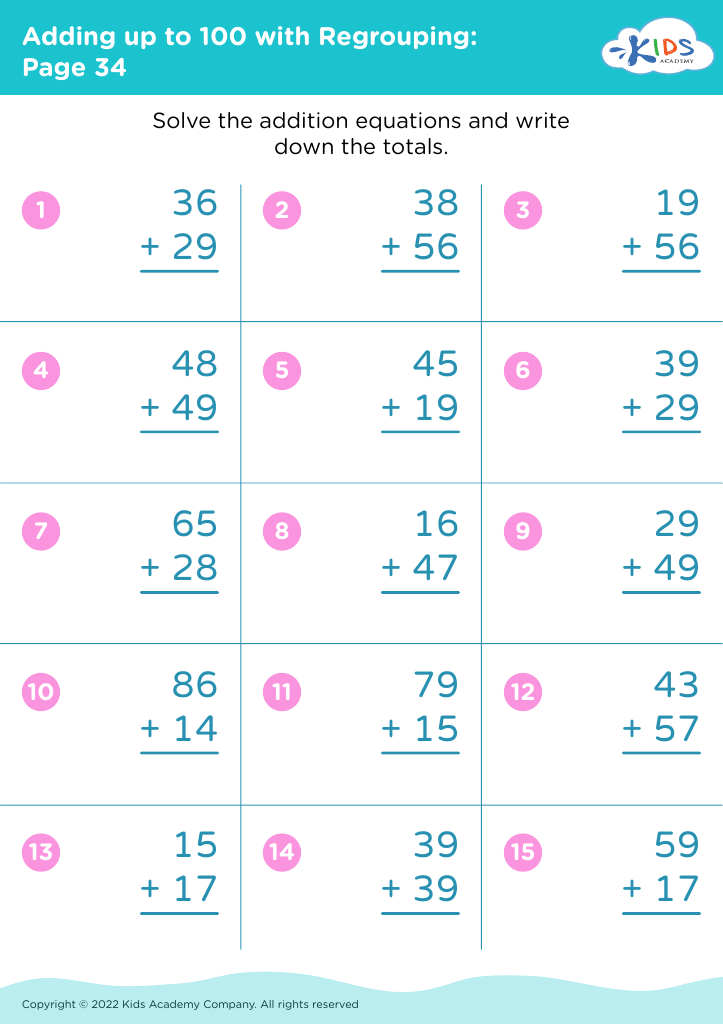
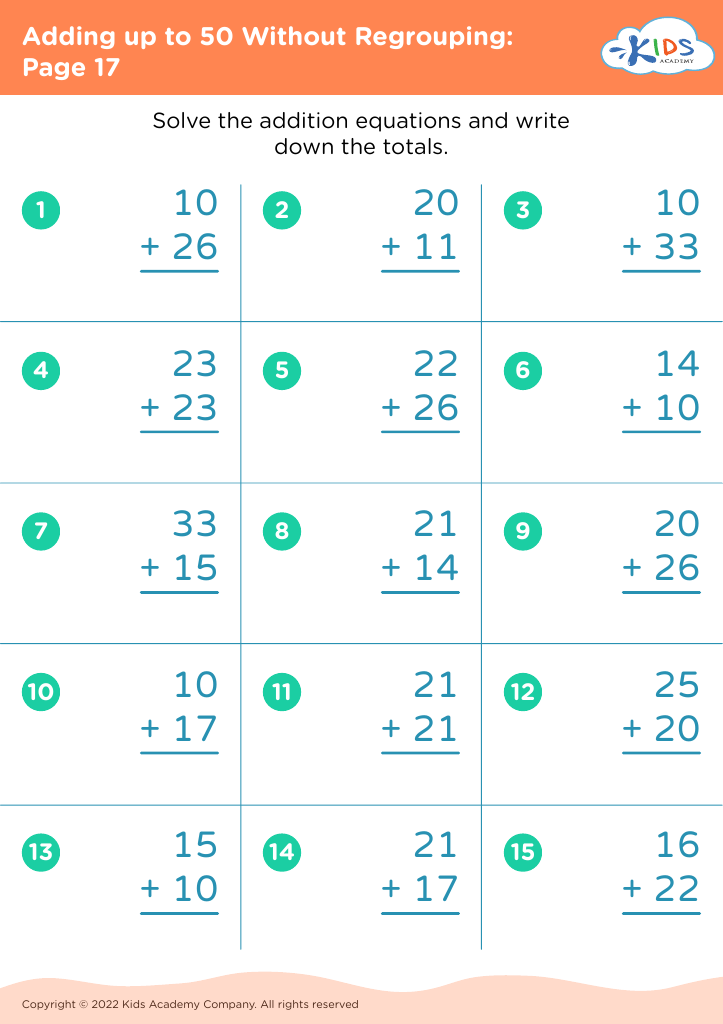
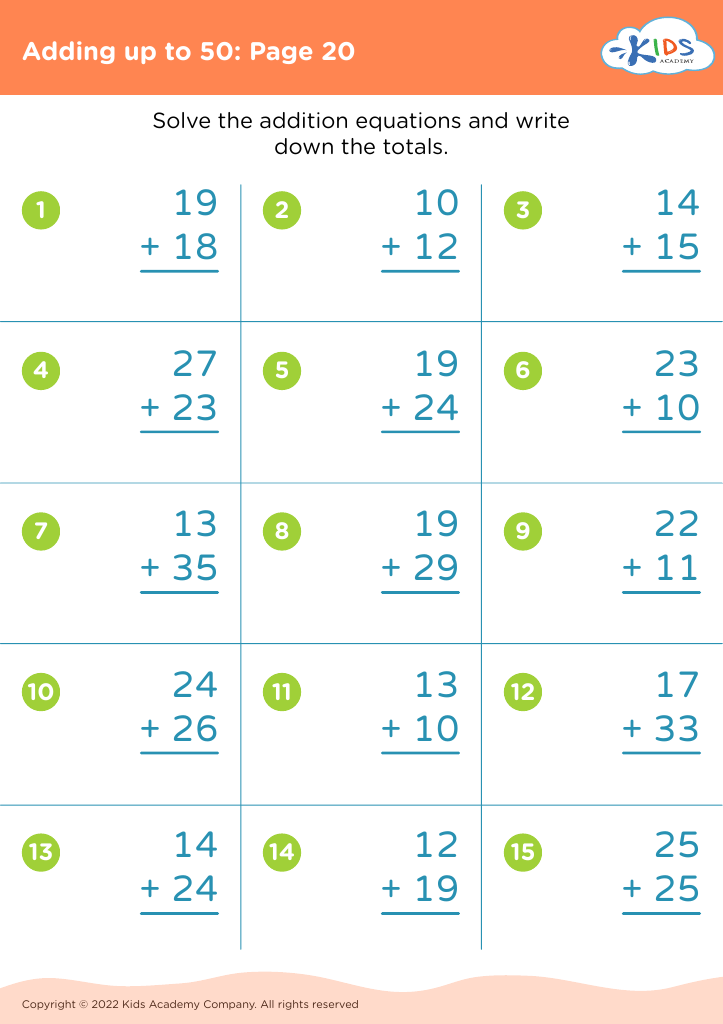
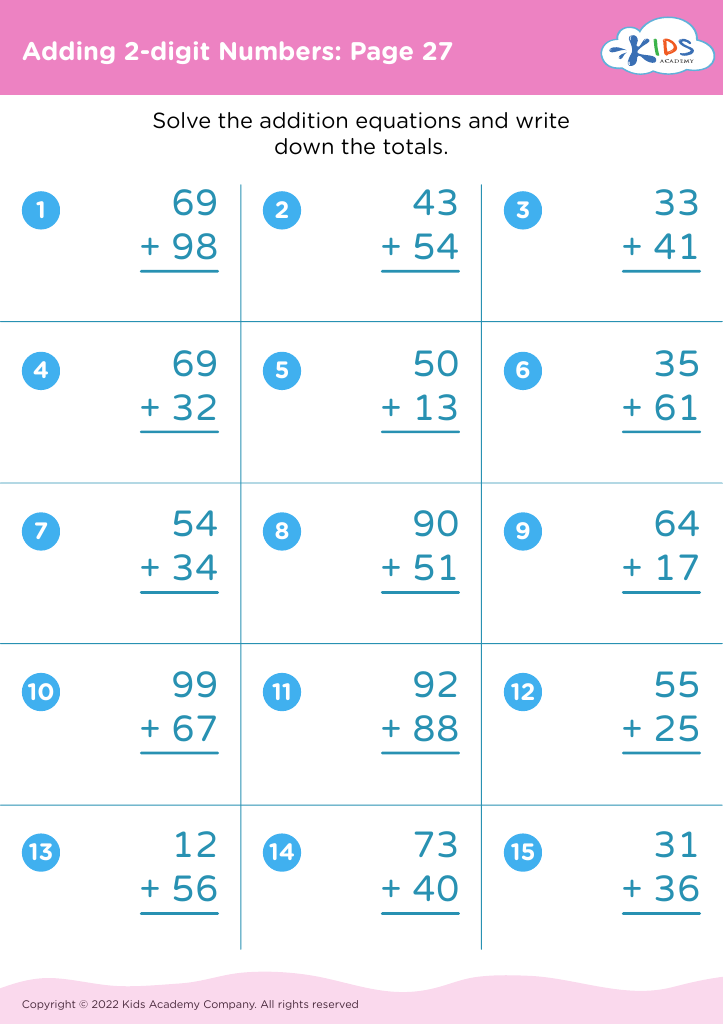








Enhancing number recognition, addition, and subtraction skills for children ages 6-8 is crucial for their cognitive development and future academic success. During this formative stage, children's brains are highly receptive to learning, and establishing a strong foundation in basic mathematics is essential. Mastery of number recognition not only helps students identify and understand quantities, but it also strengthens their ability to engage with more complex mathematical concepts later on.
Effective development of addition and subtraction skills fosters critical thinking and problem-solving abilities. These skills are fundamental for navigating everyday situations, from managing money to estimating time. Furthermore, proficiency in math enhances children’s confidence, making them more likely to engage in further learning opportunities.
Parents and teachers play an essential role in nurturing these skills by providing a supportive environment filled with engaging activities and real-world contexts. Collaborative learning experiences can solidify children’s understanding and spark their interest in math. By prioritizing these foundational skills, parents and teachers empower children to thrive academically, prevent future math anxiety, and cultivate a lifelong love for learning that extends beyond the classroom. Investing time in this early math education is vital for building resilient and confident learners.








