
Improve math skills Addition & Subtraction Worksheets for Ages 6-8
18 filtered results
Difficulty Level
Grade
Age
-
From - To
Subject
Activity
Standards
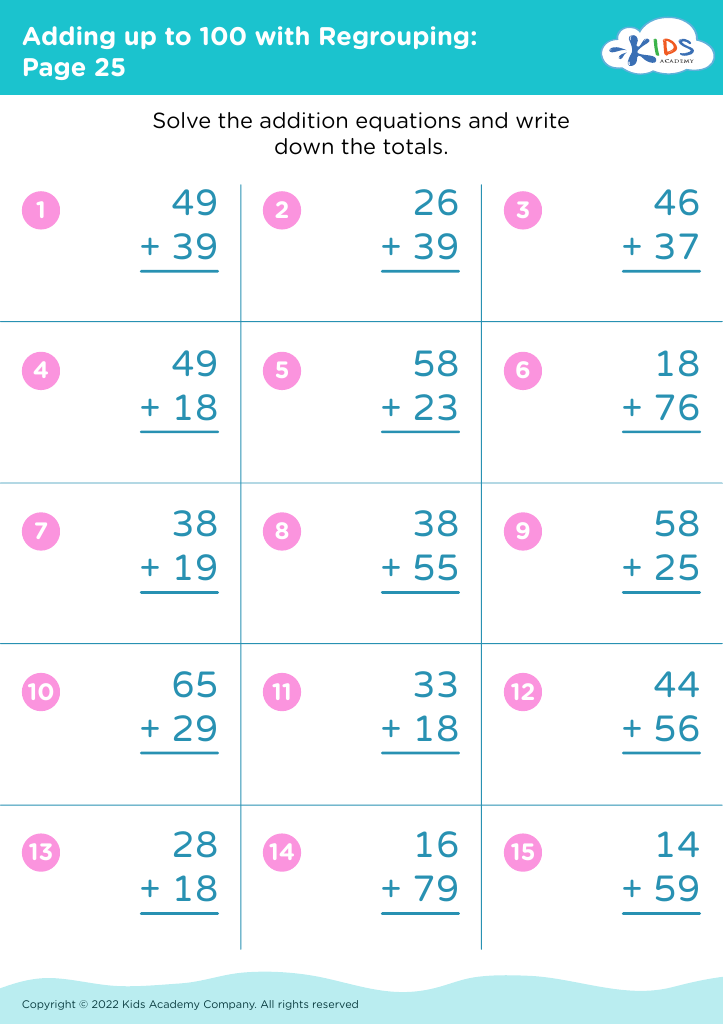
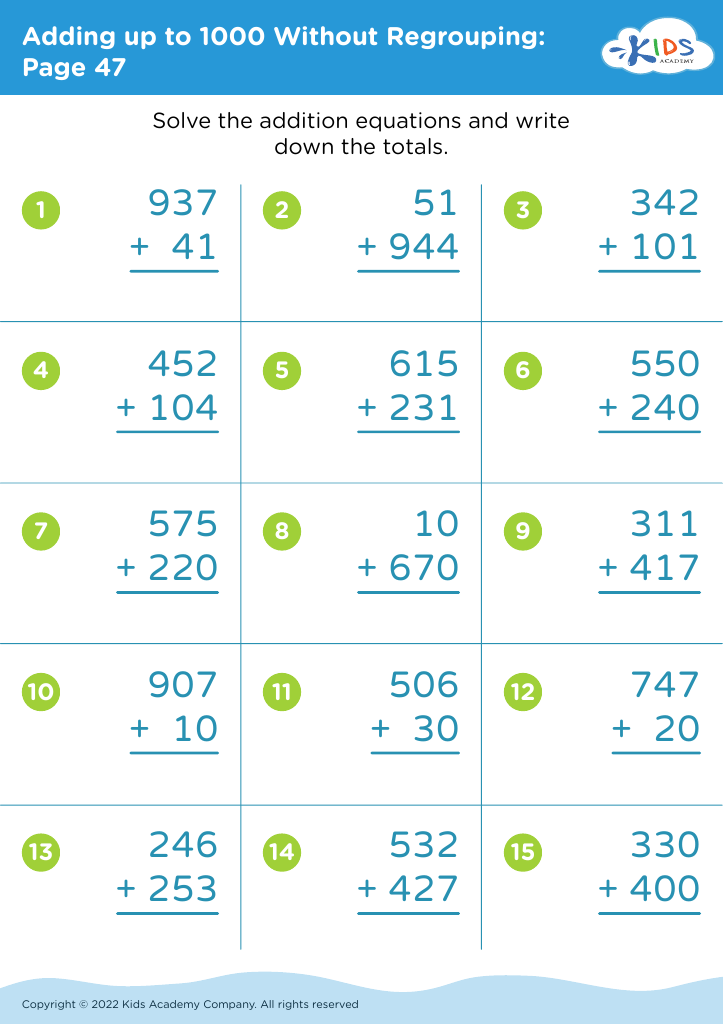
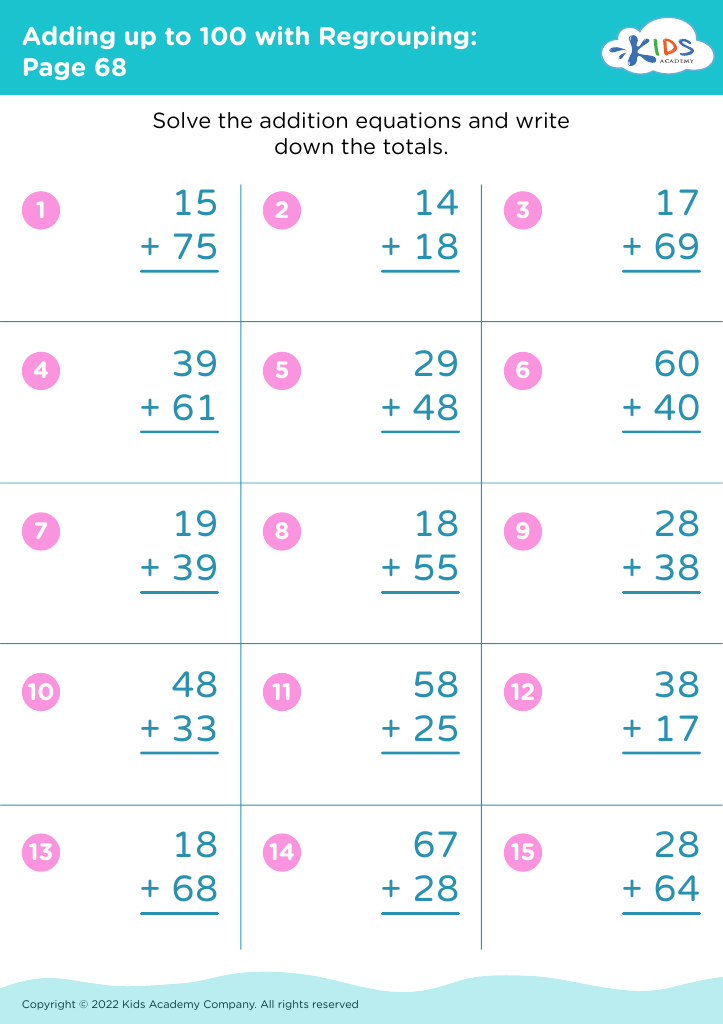
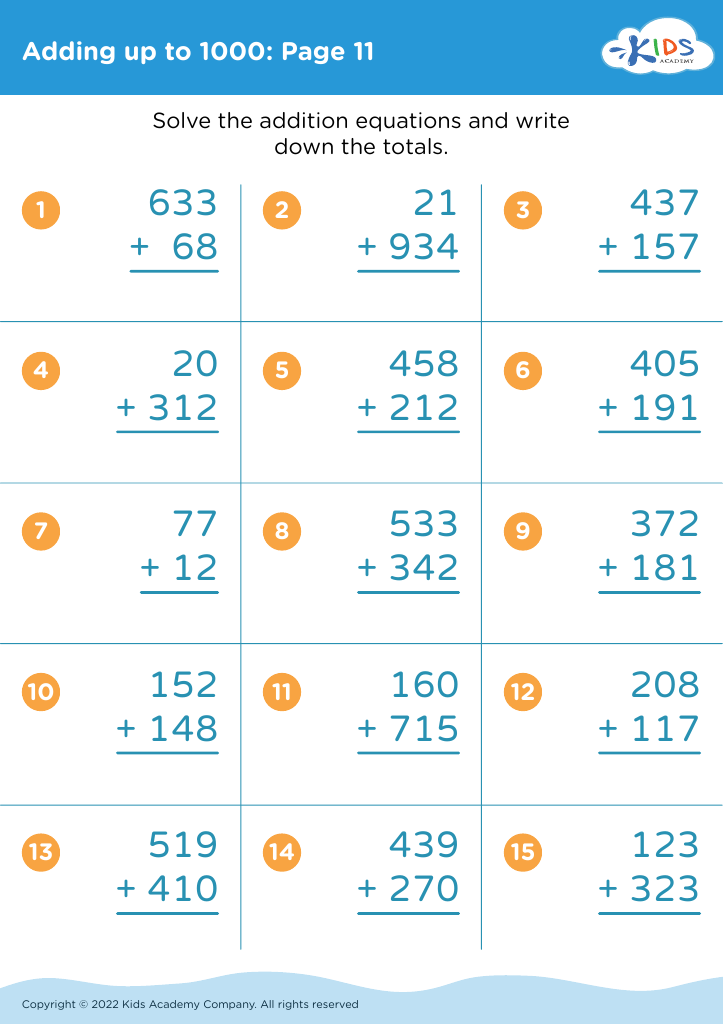
Enhance your child's math proficiency with our meticulously designed Addition & Subtraction Worksheets for Ages 6-8. Our engaging and educational resources are crafted to develop your child's arithmetic skills in a fun, interactive manner. These worksheets cover fundamental addition and subtraction concepts, helping children build a strong numerical foundation. As they solve problems, kids will sharpen their problem-solving abilities and boost their confidence in math. Ideal for both classroom and home use, our worksheets make learning math enjoyable, fostering a lifelong love for numbers. Empower your young learner's progress today with our top-quality, effective worksheets.
Favorites
With answer key
Interactive
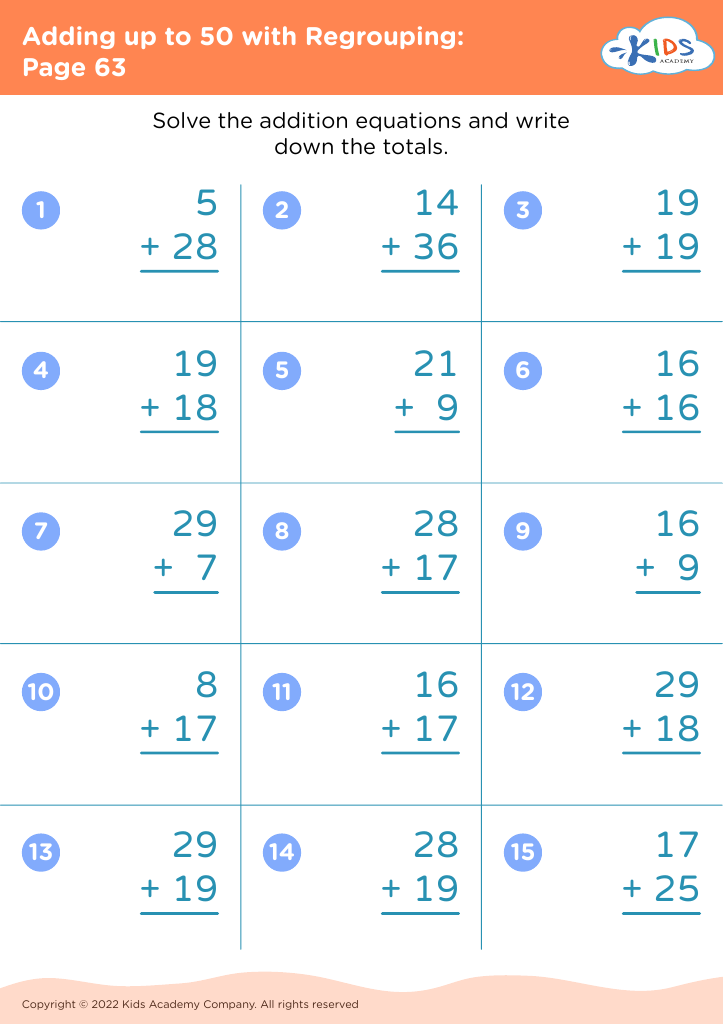
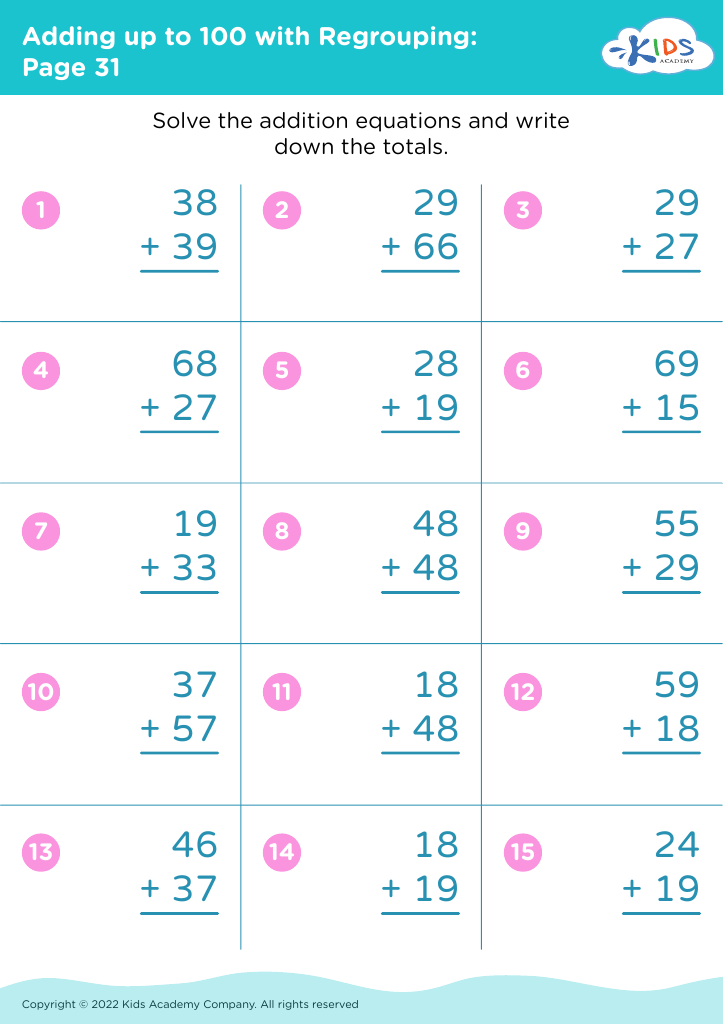
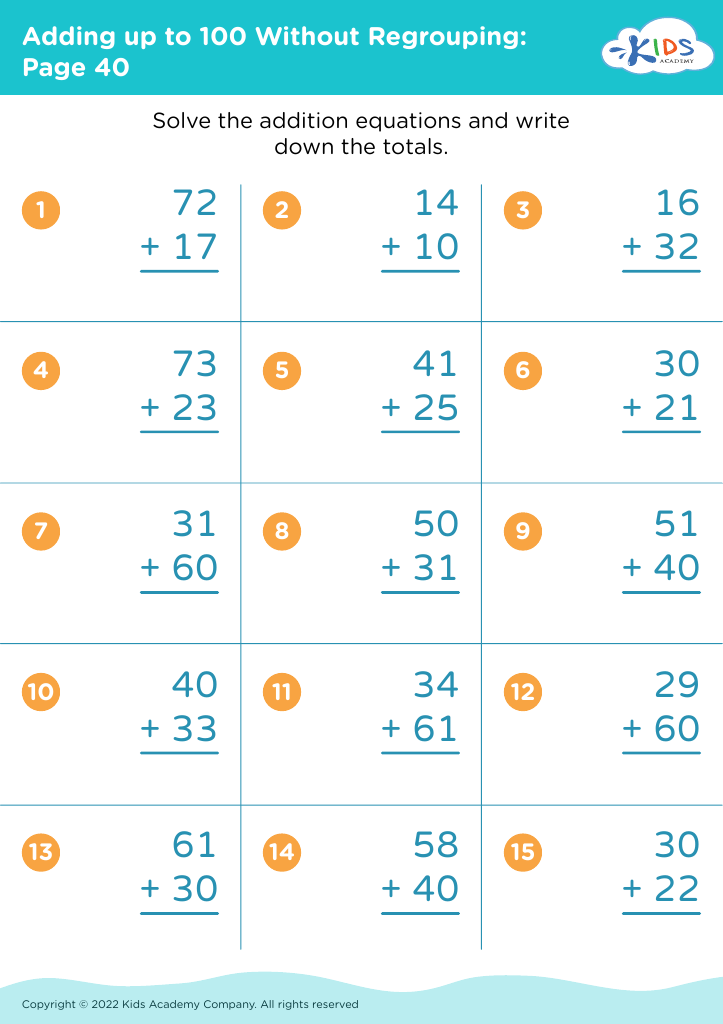
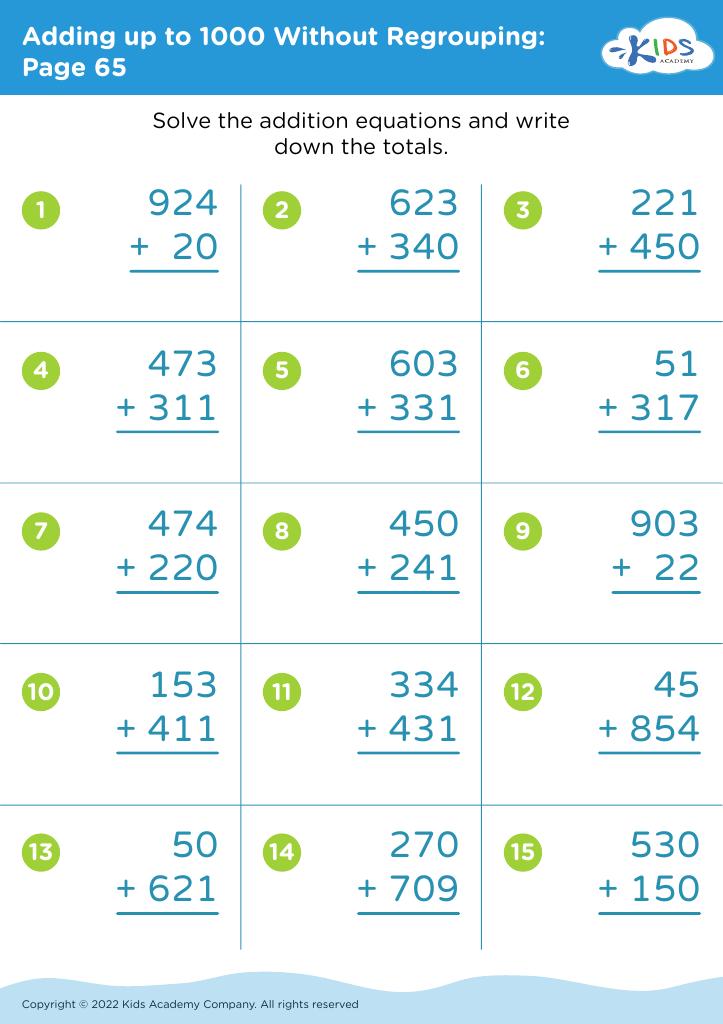
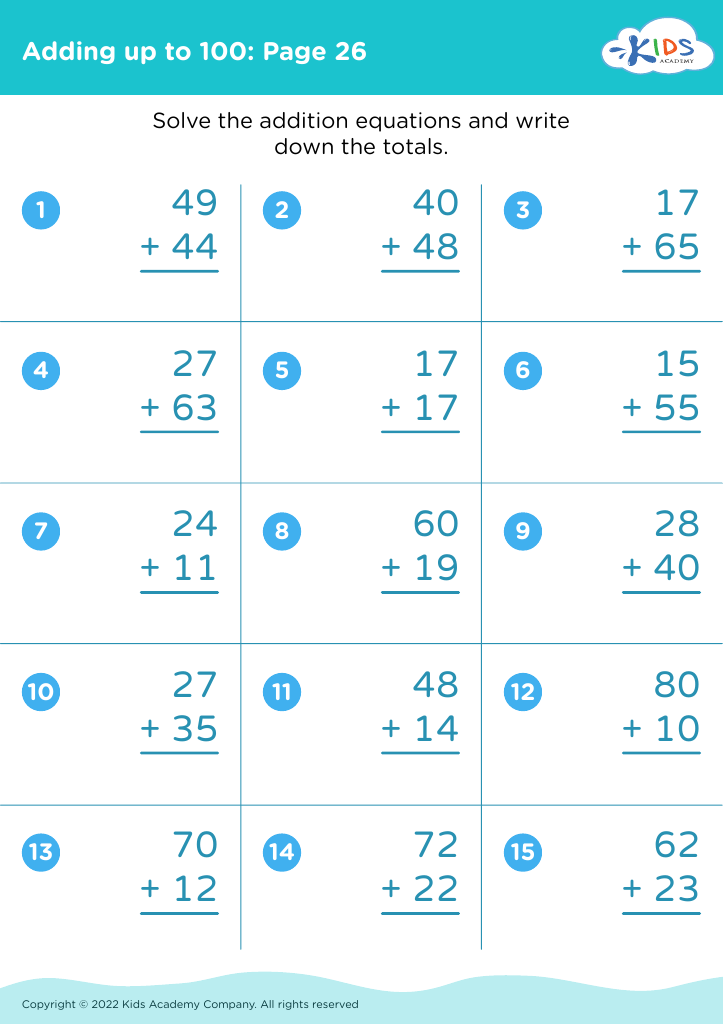
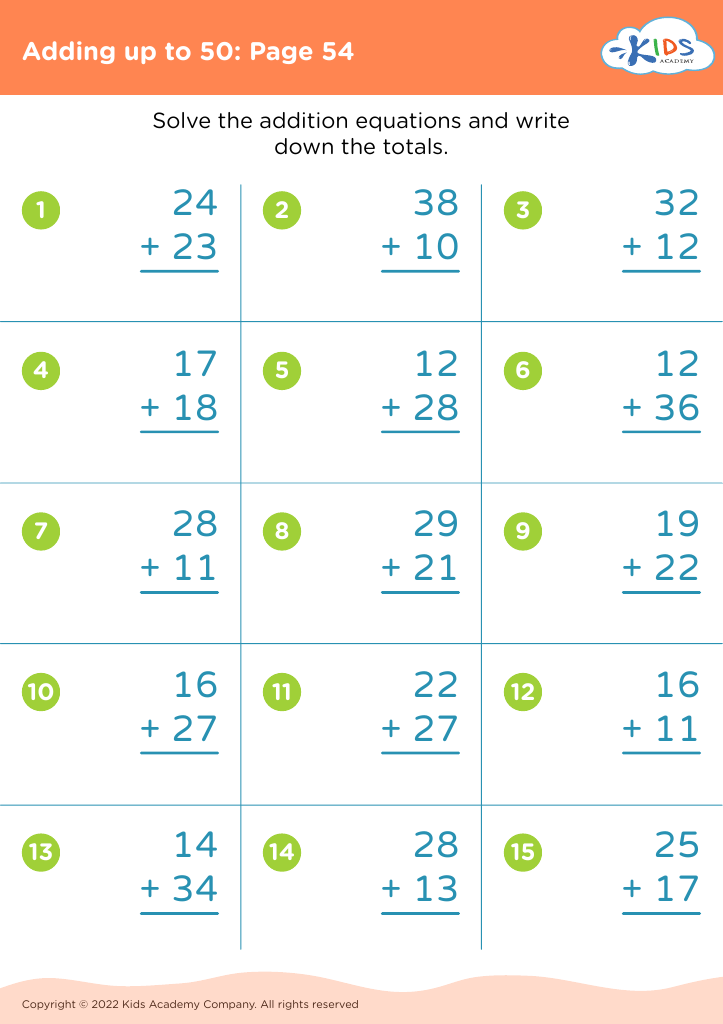
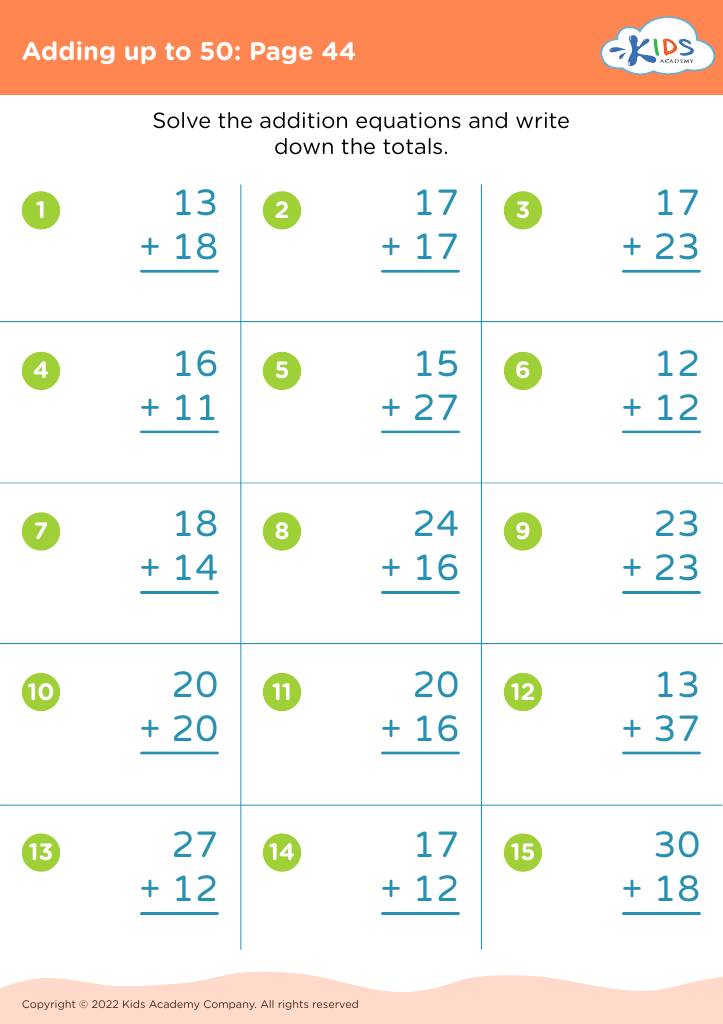
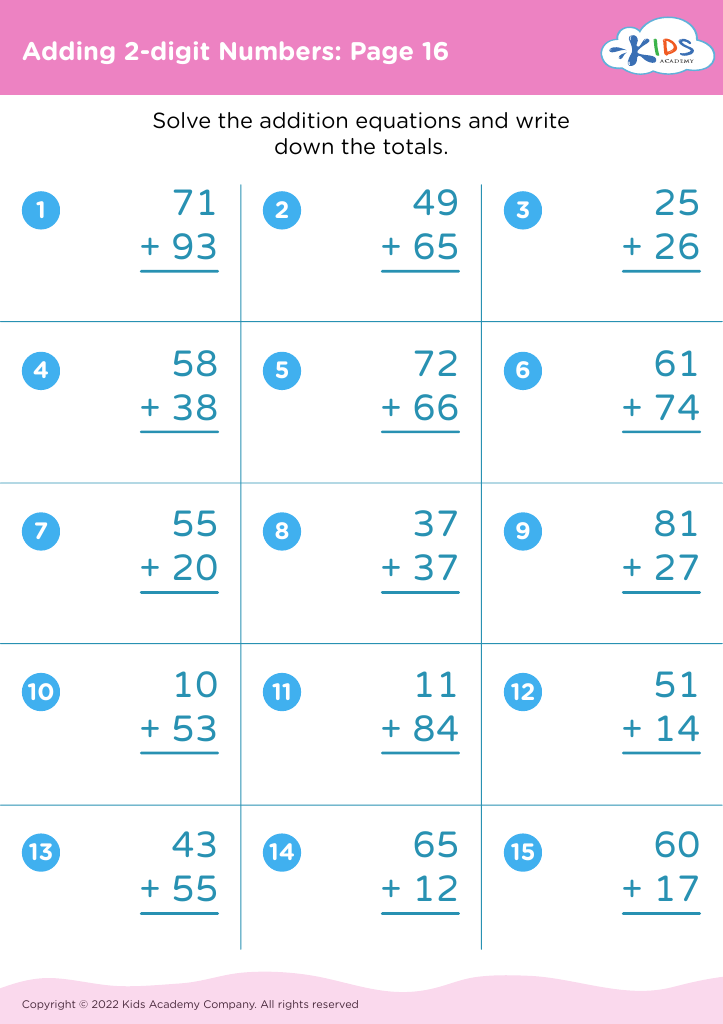
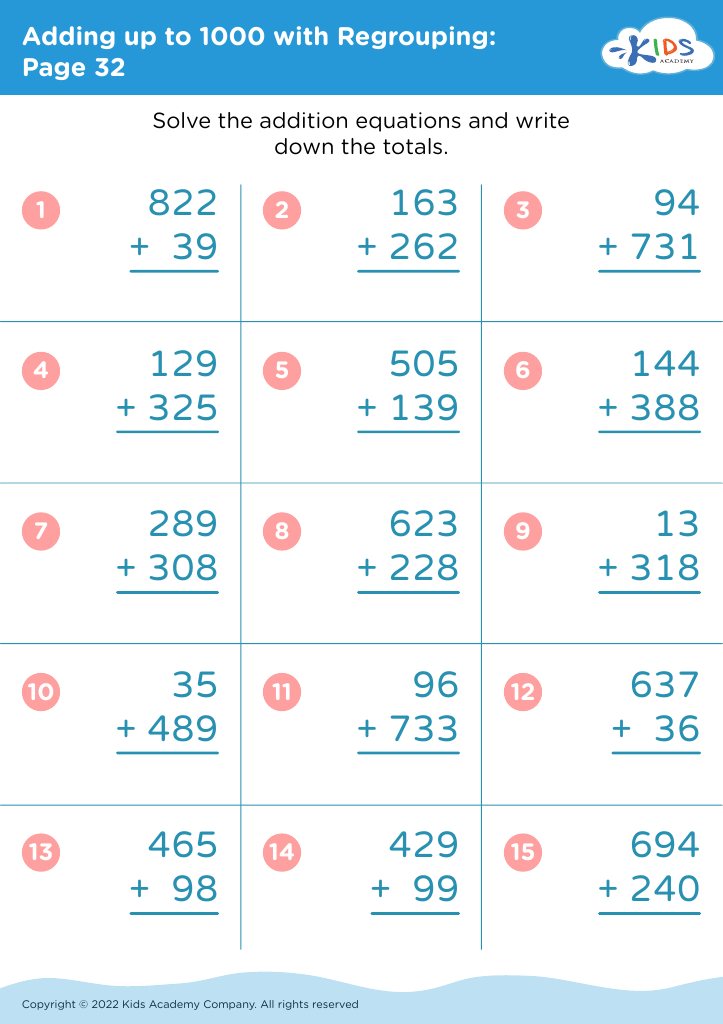
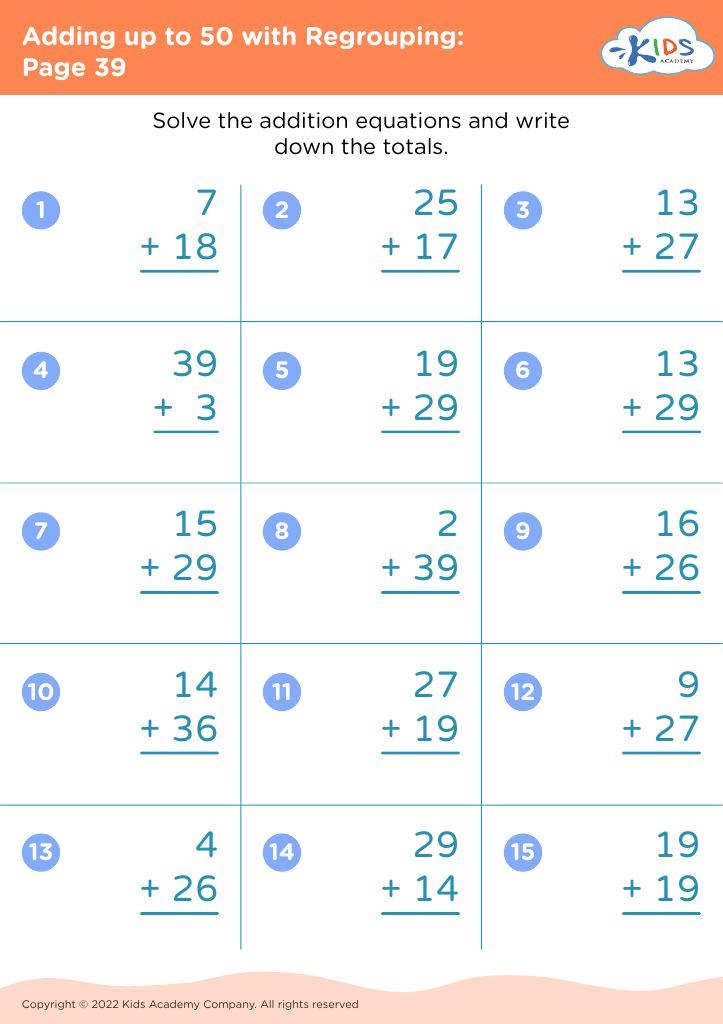
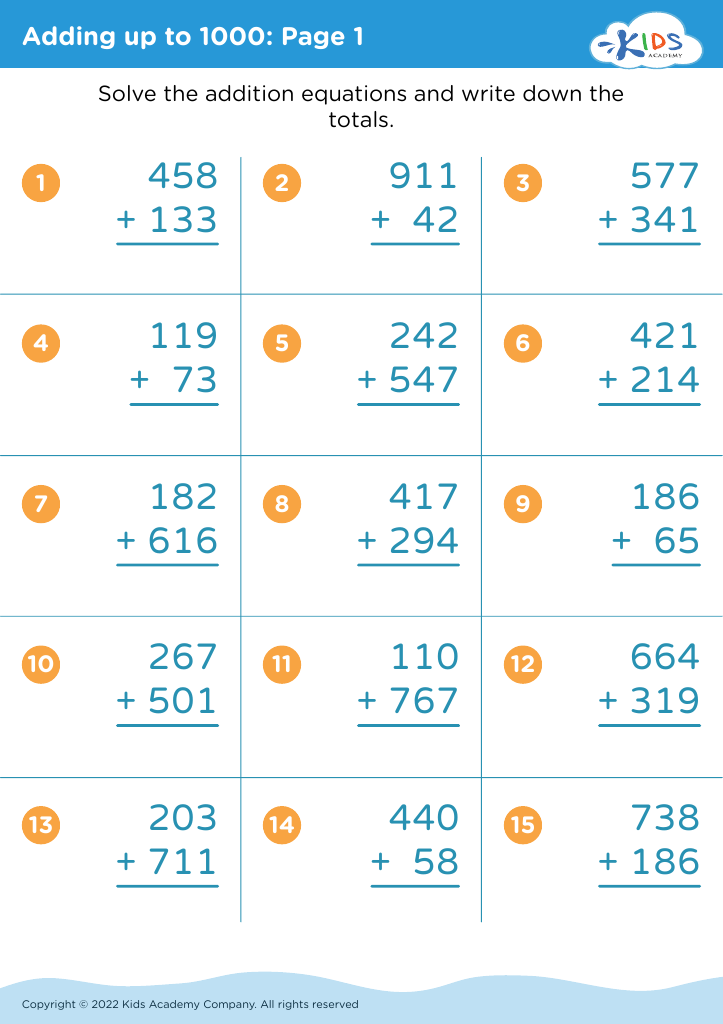
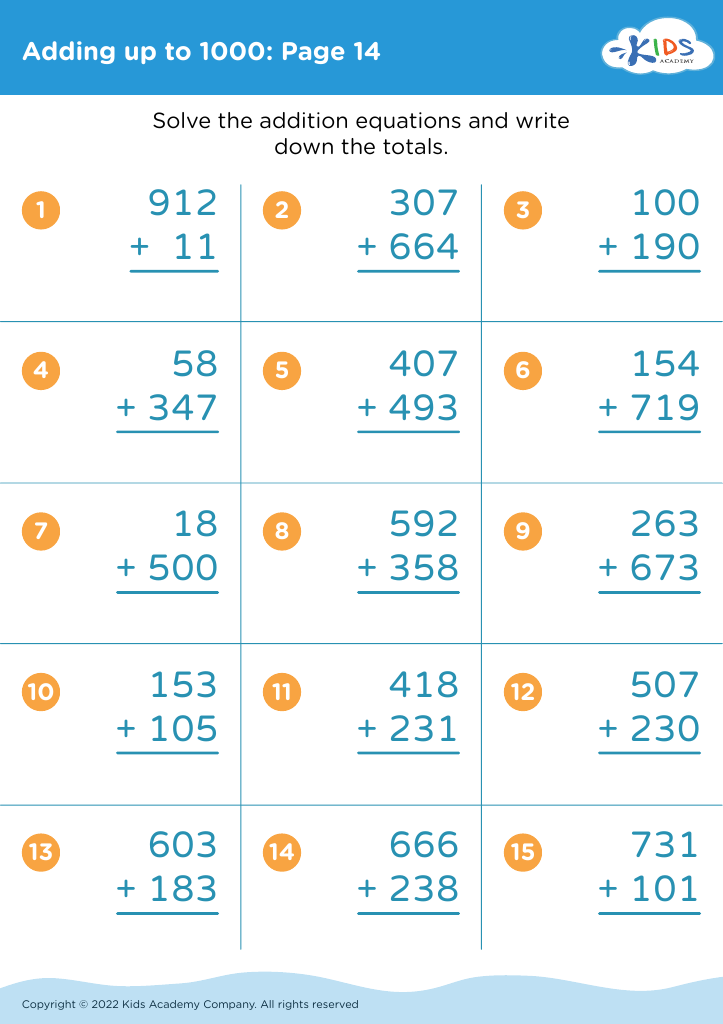
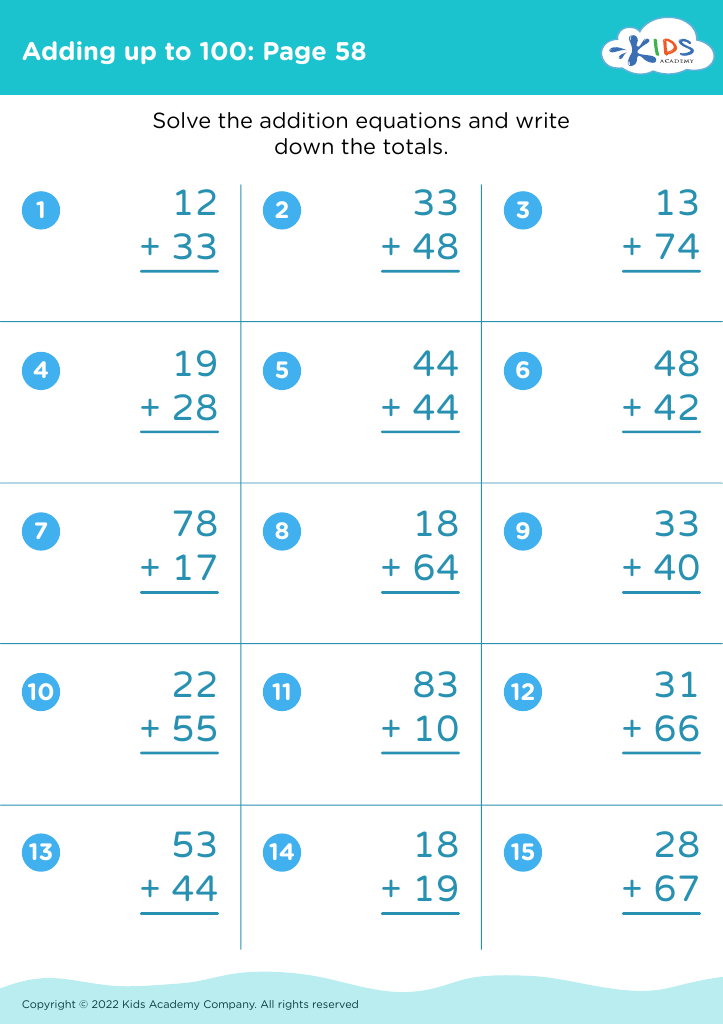
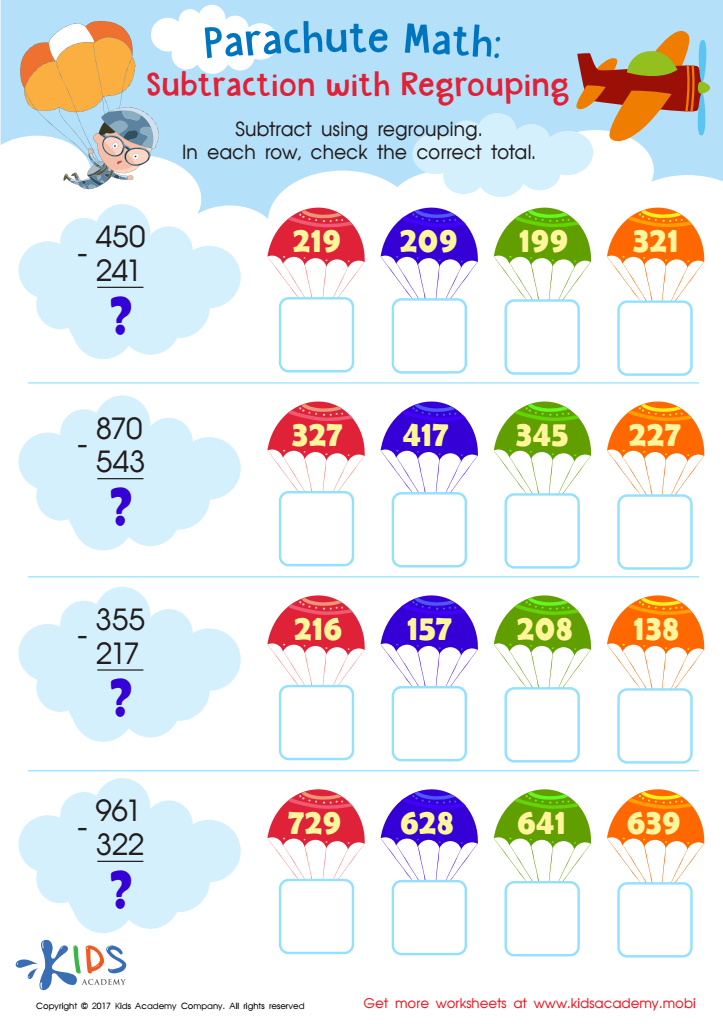
Subtraction with Regrouping for 3rd Grade Worksheet
Kids will have fun mastering subtraction with regrouping with this parachute-themed worksheet! Perfect for 3rd graders, it provides plenty of practice so your child can take to the skies in their math understanding.
 Assign to My Students
Subtraction with Regrouping for 3rd Grade Worksheet
Worksheet
Join Kids Academy for Free
Who is primarily going to use this learning content?








Parents and teachers play a pivotal role in developing a child's foundational skills, especially in early math education, which sets the groundwork for complex problem-solving abilities later in life. At ages 6-8, children are at a critical cognitive development stage, where they are ready to grasp basic concepts like addition and subtraction. Mastering these fundamental skills is not just about numbers; it inculcates logical thinking, boosts memory, and enhances concentration.
Starting young with addition and subtraction helps children develop a positive attitude towards math, reducing anxiety associated with the subject as they grow older. When children confidently handle early math challenges, they build a sense of achievement, fostering a growth mindset that encourages a love for learning and resilience in face of academic challenges.
Moreover, math skills go beyond academics; they are essential for daily life activities. From understanding time, counting money, to simple problem-solving events like sharing toys fairly, math is entwined with everyday tasks. By actively involving themselves in a child's learning process, parents and teachers not only support academic success but also equip children with essential life skills. Thus, focusing on improving addition and subtraction skills in young learners is an investment in their overall intellectual and practical development.








