Matching skills Addition & Subtraction Worksheets for Ages 6-8
3 filtered results
-
From - To
Enhance your child’s mathematical abilities with our engaging Matching Skills Addition & Subtraction Worksheets, designed specifically for ages 6-8. These worksheets offer a fun way for young learners to connect equivalent expressions, fostering a deeper understanding of addition and subtraction concepts. Perfect for reinforcing classroom lessons or providing additional practice at home, each activity encourages critical thinking while developing problem-solving skills. Our expertly crafted resources promote active learning, allowing children to build confidence in their math skills through interactive exercises. Explore our collection today and watch your child thrive in foundational math with our user-friendly, printable worksheets!
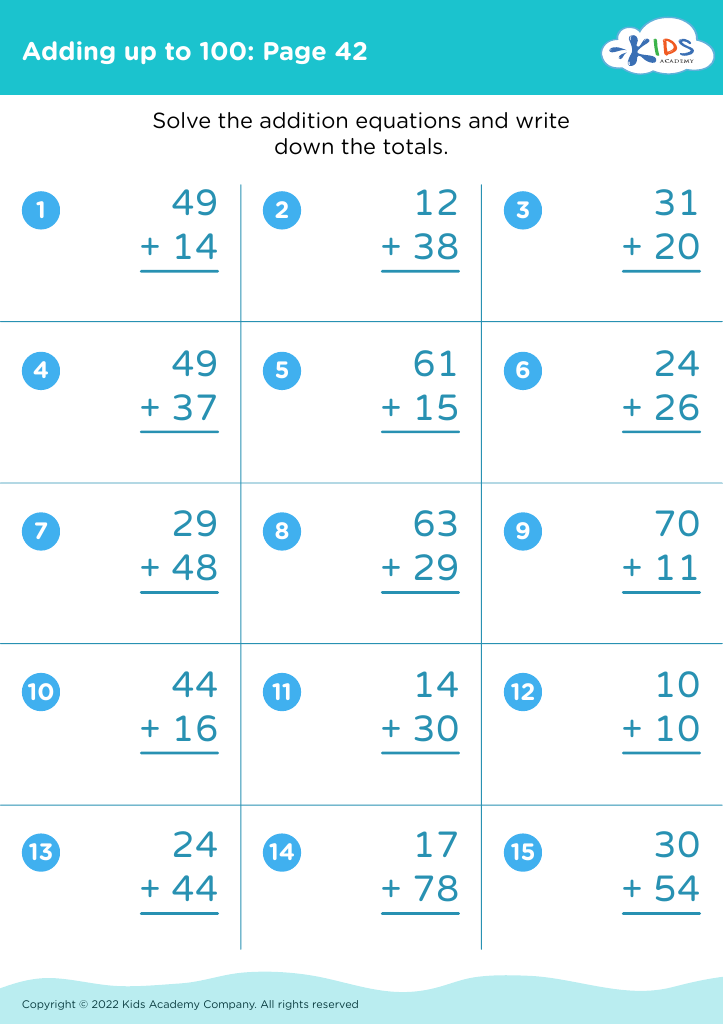
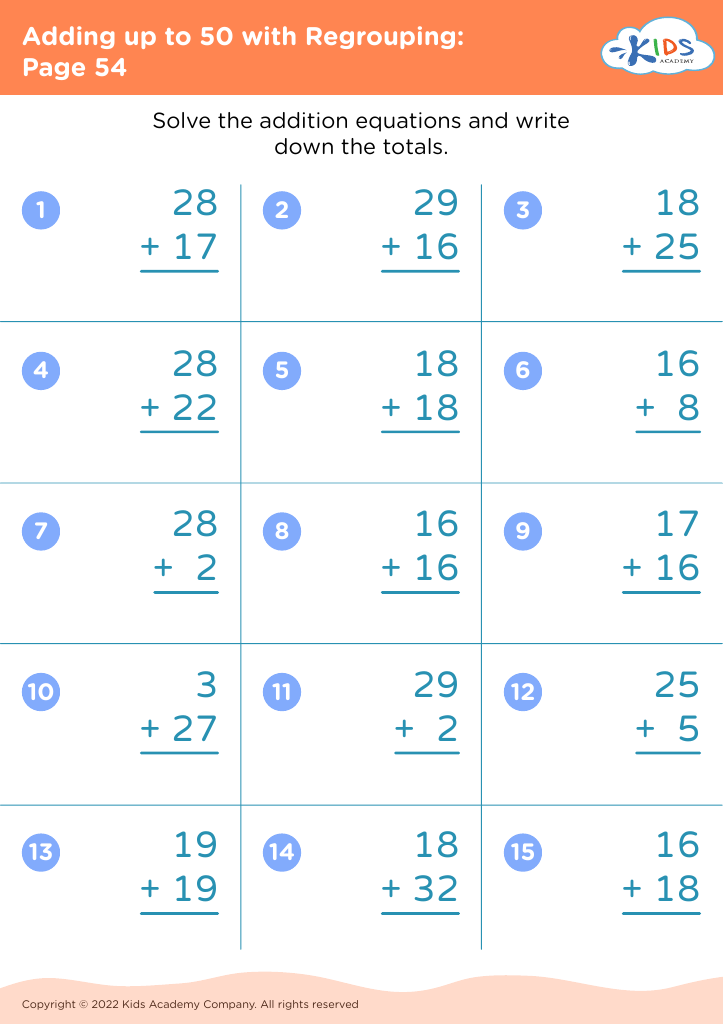
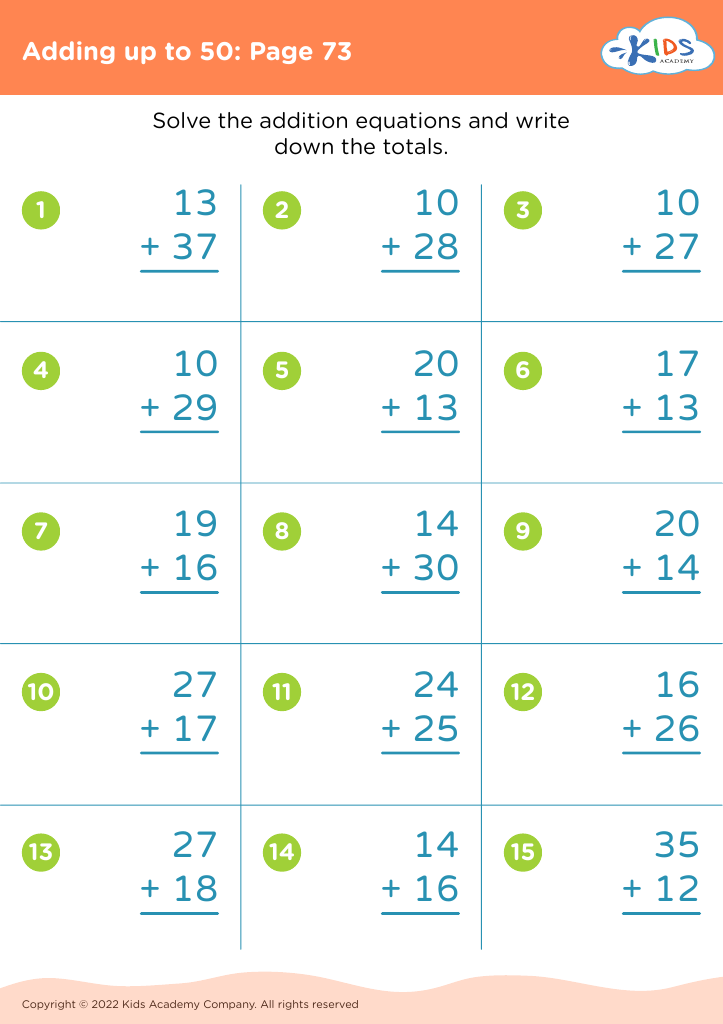








Parents and teachers should care deeply about matching skills in addition and subtraction for children aged 6-8, as these foundational mathematical concepts are essential for future learning. During this developmental stage, children are transitioning from understanding basic operations to applying them in more complex scenarios. By mastering matching skills in addition and subtraction, students enhance their ability to recognize number patterns, develop mental math skills, and improve overall numerical fluency.
Engaging children in matching games and activities fosters critical thinking and problem-solving abilities, as they learn to associate numbers with different representations (like pictures or manipulatives). This not only solidifies their understanding but also keeps learning fun and interactive, promoting a positive attitude towards mathematics.
Furthermore, these skills serve as building blocks for more advanced concepts they will encounter in later grades, such as multiplication, division, and fractions. Just as importantly, developing strong math skills can boost a child's confidence and resilience in tackling academic challenges. By investing in matching skills for addition and subtraction at this early age, parents and teachers are equipping students with vital tools for lifelong learning and overall success in academics and beyond.








