Discover our engaging worksheets designed to simplify the introduction of fractions addition and subtraction for ages 6-8. Tailored to young learners, these worksheets offer a variety of fun activities that make understanding the concept of simplifying fractions interactive and enjoyable. Each worksheet focuses on building foundational skills while encouraging critical thinking and problem-solving abilities. With colorful illustrations and age-appropriate examples, children will gain confidence as they practice, exploring fractions effectively. Ideal for both classroom and homeschool settings, these resources ensure that learning remains enjoyable, paving the way for a positive mathematical journey. Download now and watch your child's skills flourish!
Check out this FREE Trial Lesson on Addition & Subtraction for age 6-8!

My Family

Favorites
With answer key
Interactive
  • 6-8
  • Simplifying Fractions
  • Addition & Subtraction
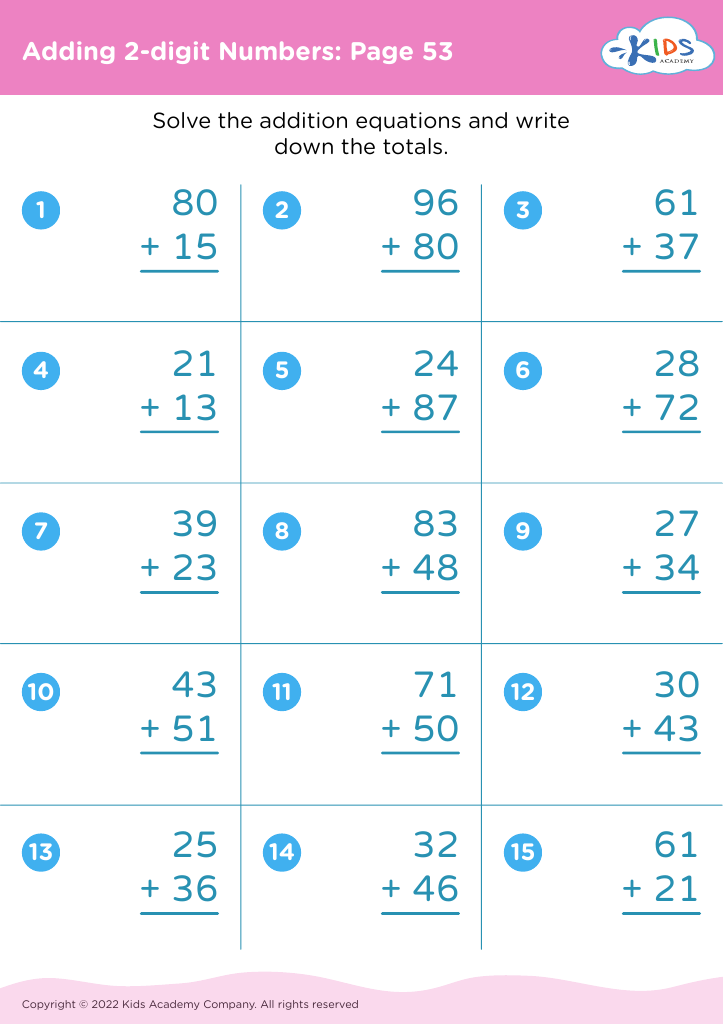
Adding 2-digit Numbers: Page 53

Adding 2-digit Numbers: Page 53

Adding 2-digit Numbers: Page 53
Worksheet
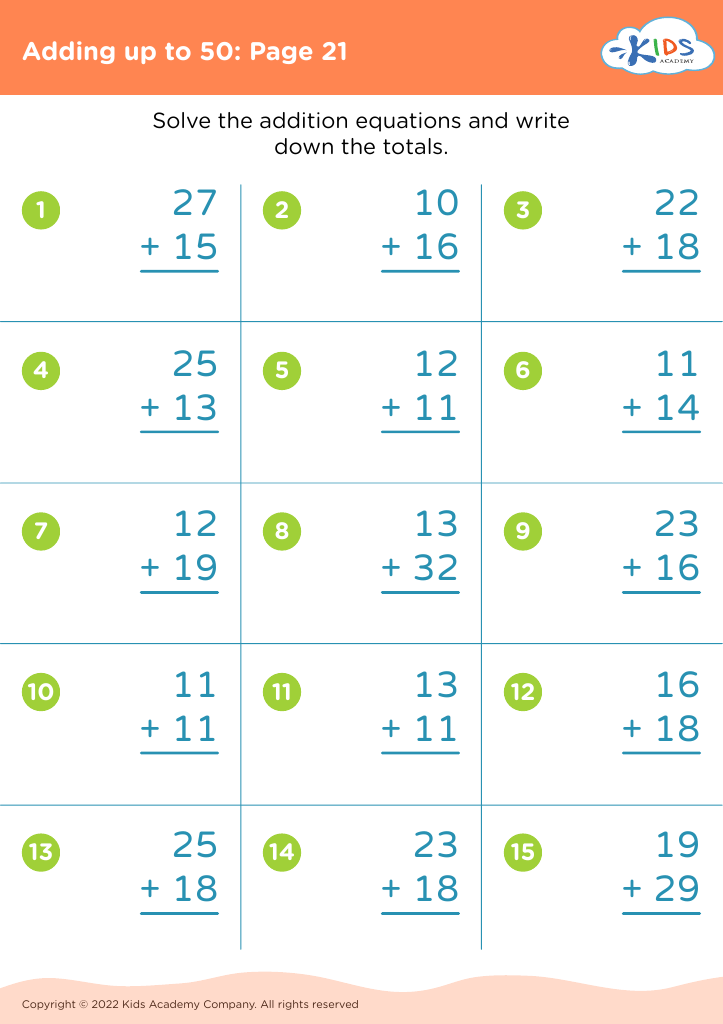
Adding up to 50: Page 21

Adding up to 50: Page 21

Adding up to 50: Page 21
Worksheet
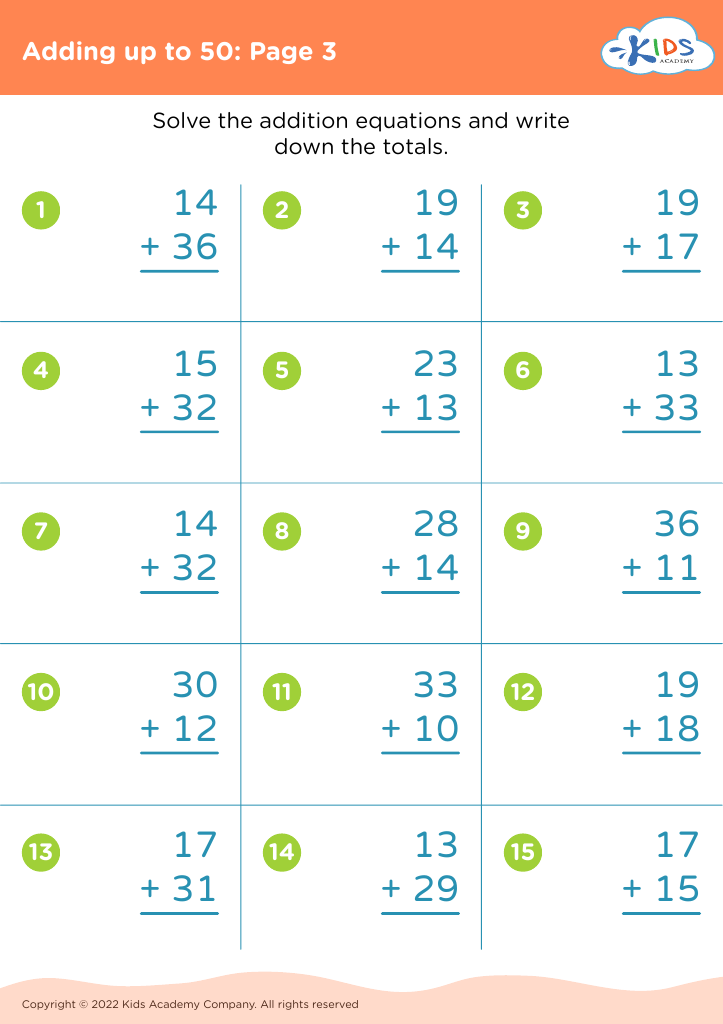
Adding up to 50: Page 3

Adding up to 50: Page 3

Adding up to 50: Page 3
Worksheet
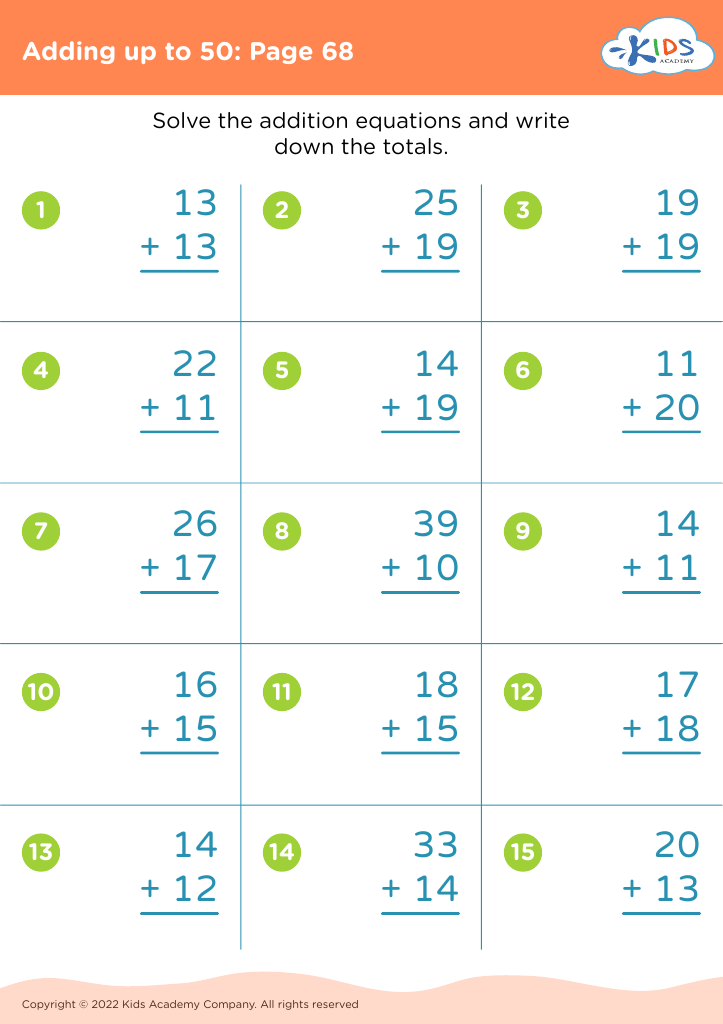
Adding up to 50: Page 68

Adding up to 50: Page 68

Adding up to 50: Page 68
Worksheet
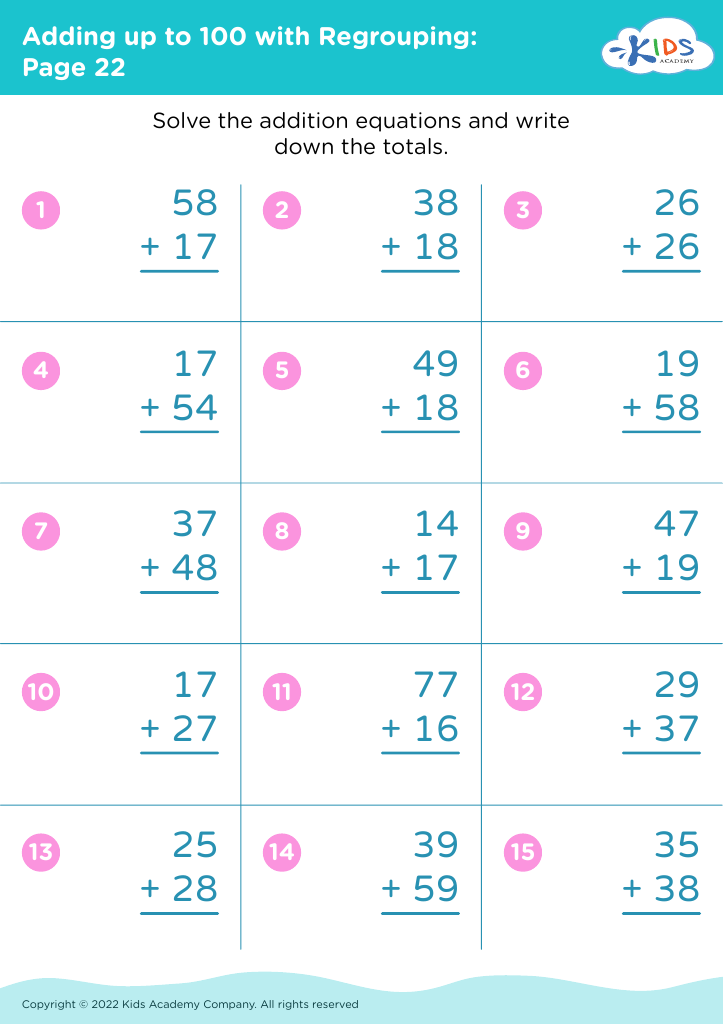
Adding up to 100 with Regrouping: Page 22
Worksheet
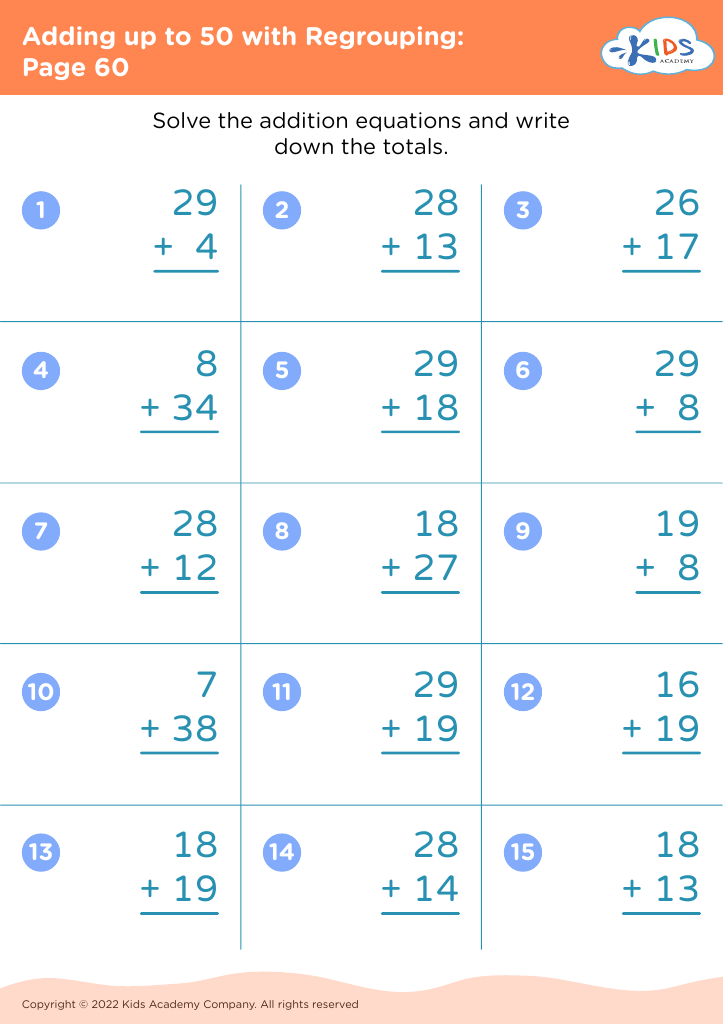
Adding up to 50 with Regrouping: Page 60
Worksheet
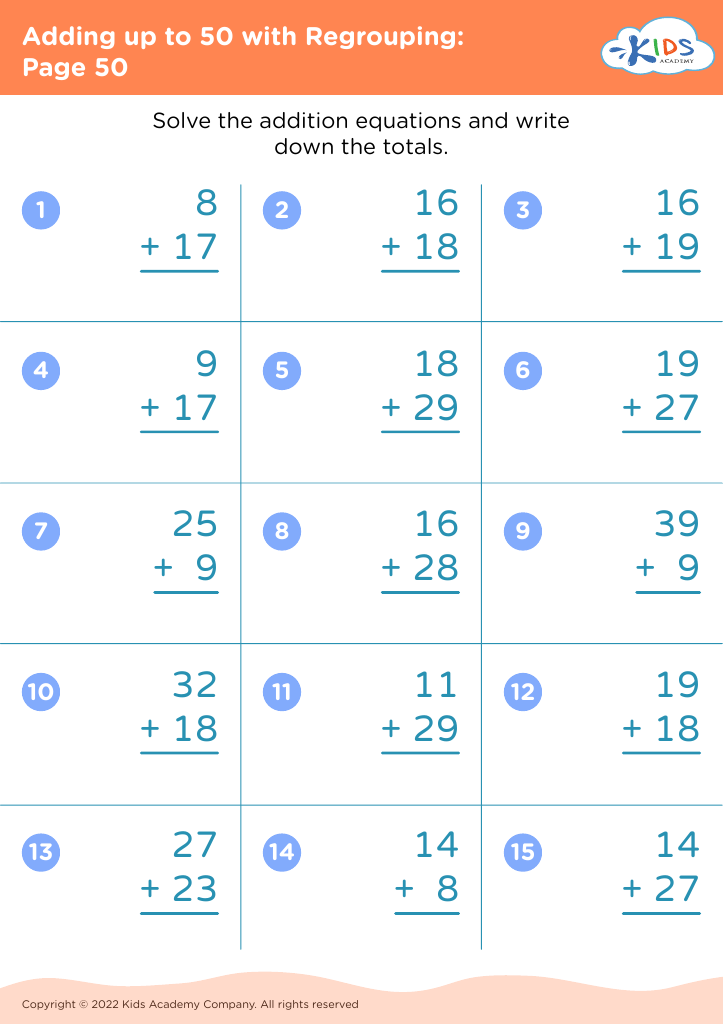
Adding up to 50 with Regrouping: Page 50
Worksheet
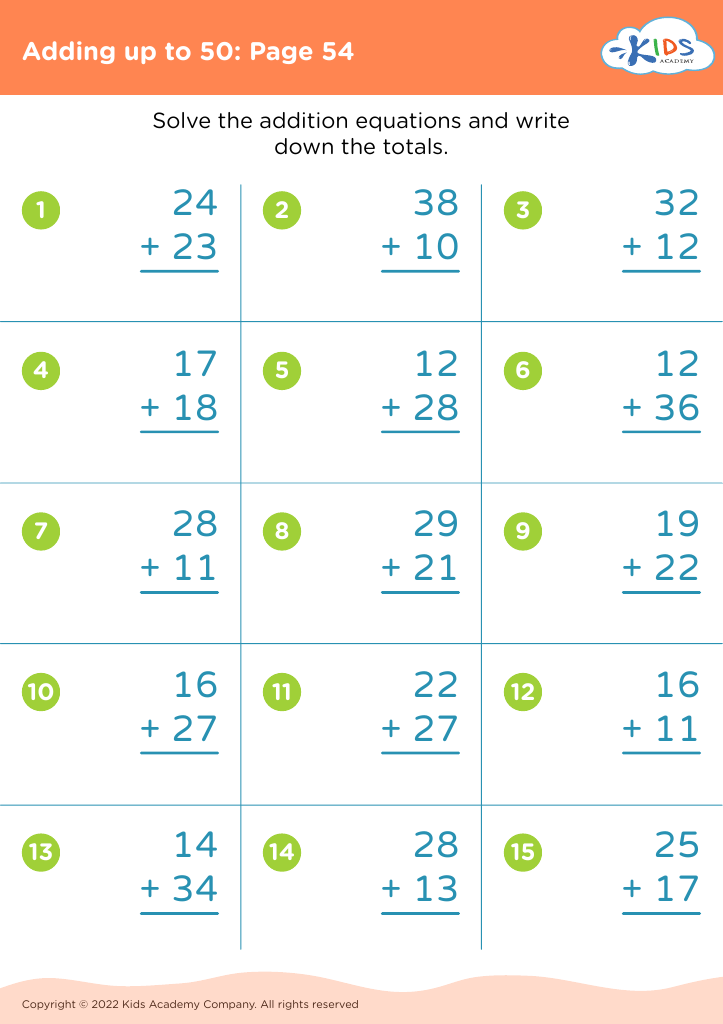
Adding up to 50: Page 54

Adding up to 50: Page 54

Adding up to 50: Page 54
Worksheet
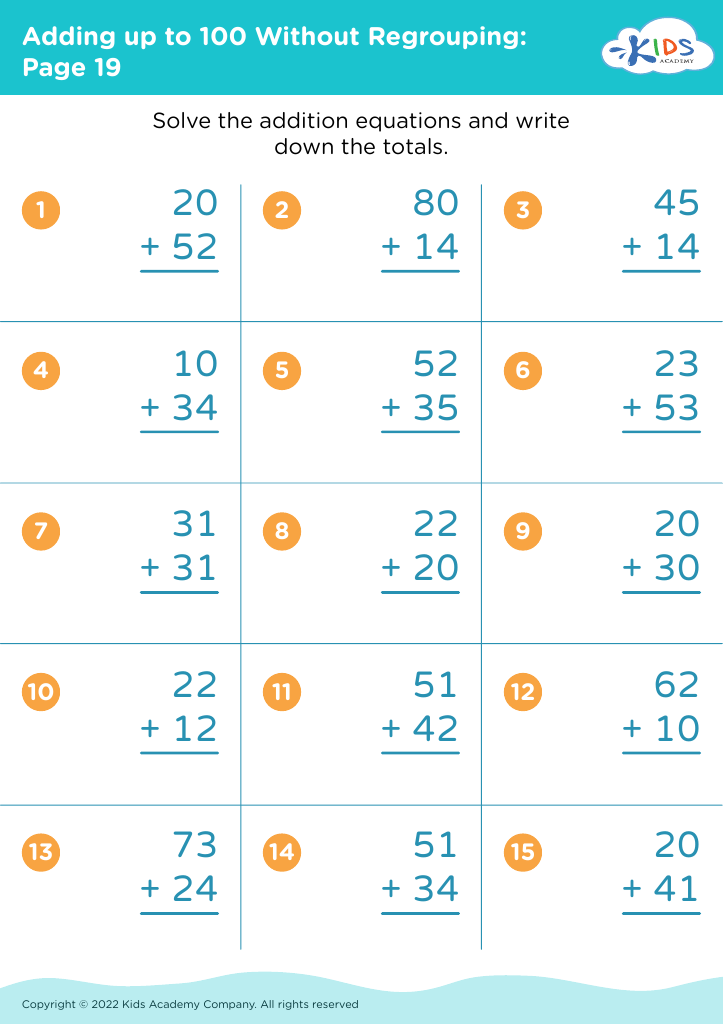
Adding up to 100 Without Regrouping: Page 19
Worksheet
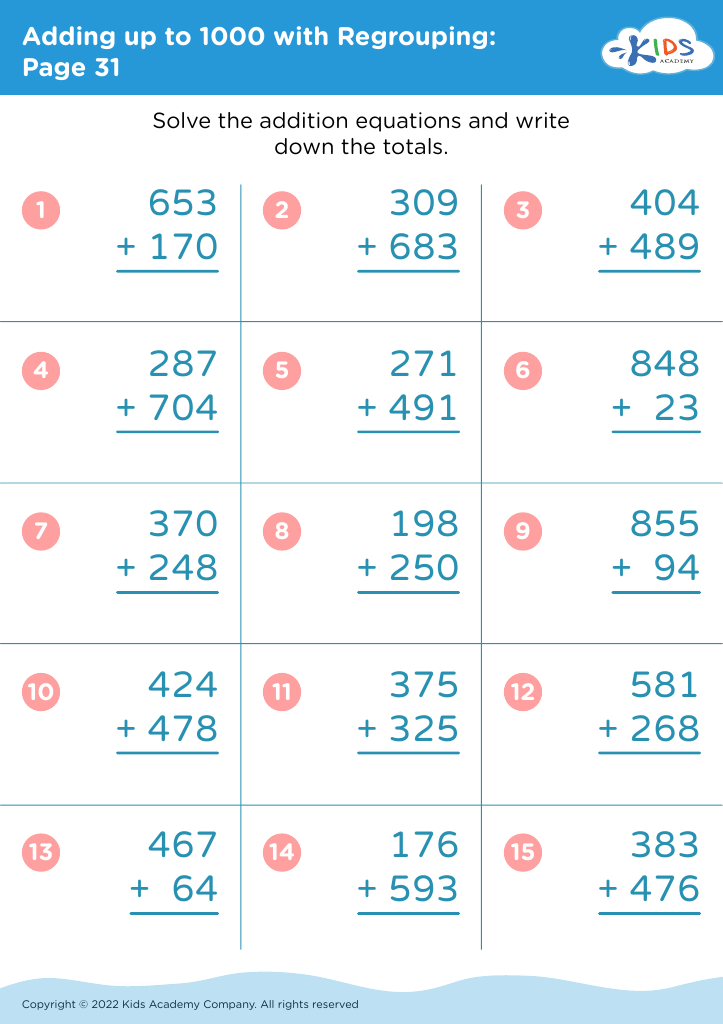
Adding up to 1000 with Regrouping: Page 31
Worksheet
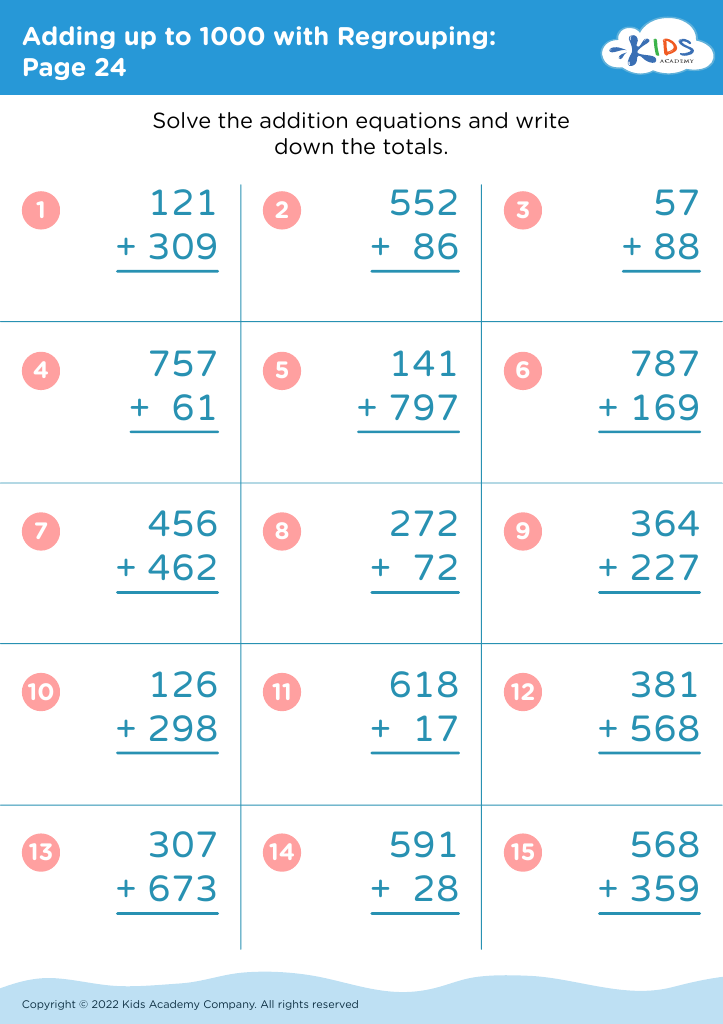
Adding up to 1000 with Regrouping: Page 24
Worksheet
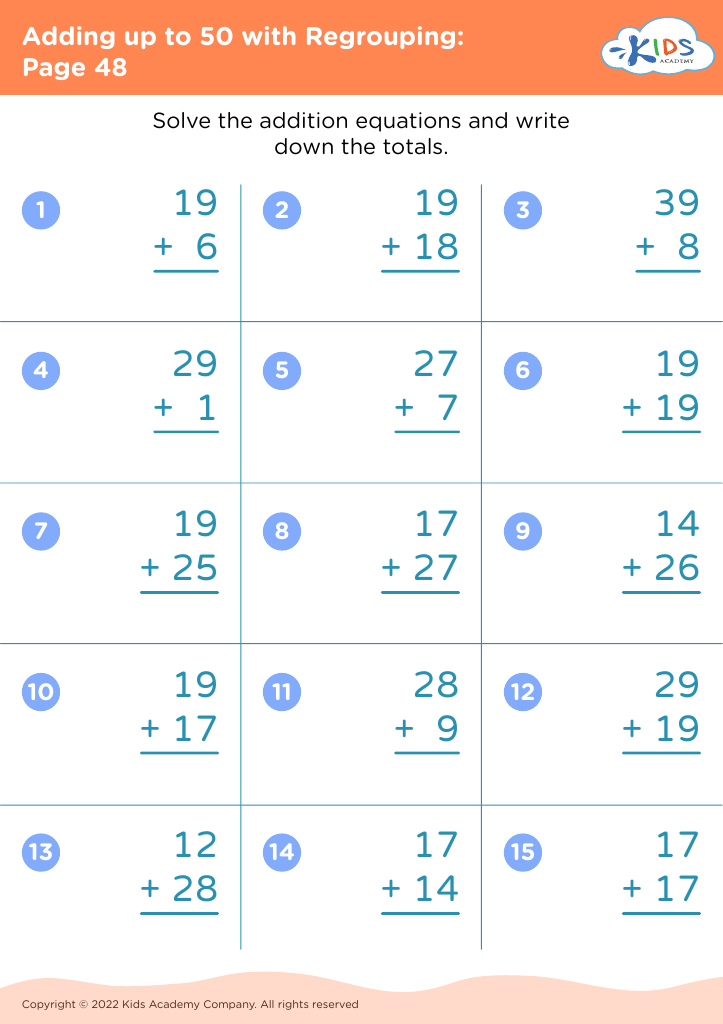
Adding up to 50 with Regrouping: Page 48
Worksheet
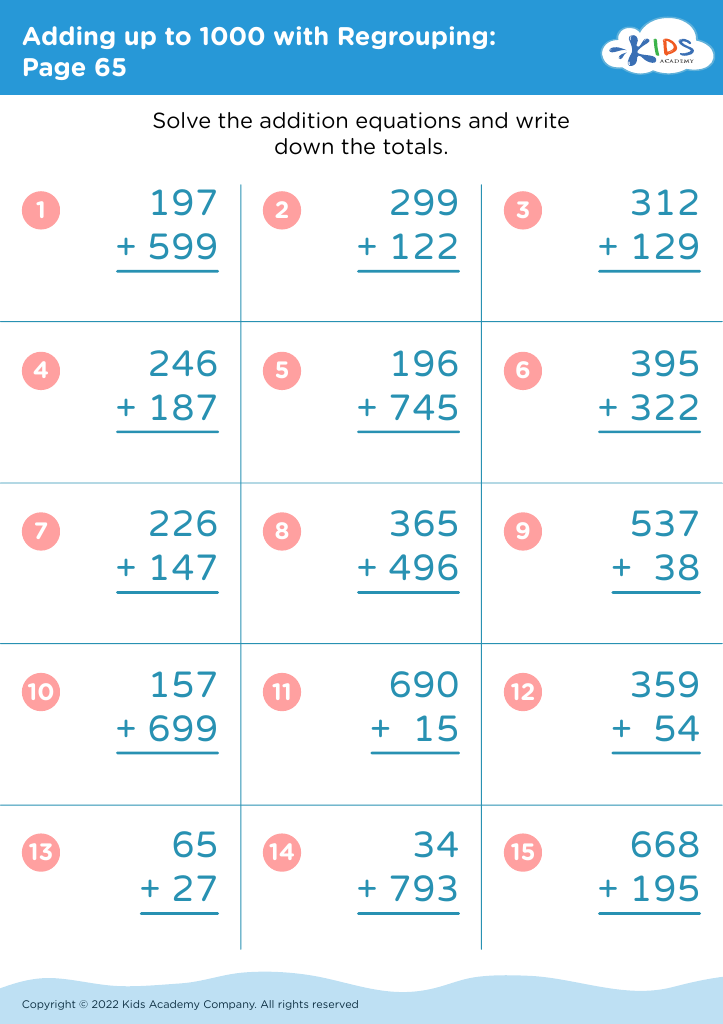
Adding up to 1000 with Regrouping: Page 65
Worksheet
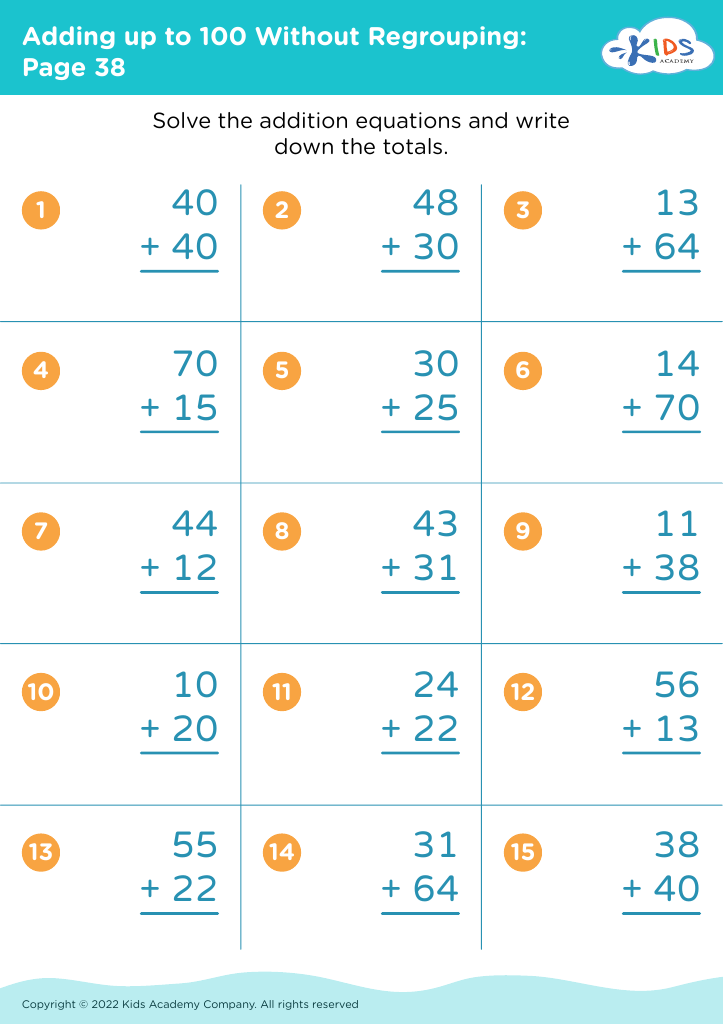
Adding up to 100 Without Regrouping: Page 38
Worksheet
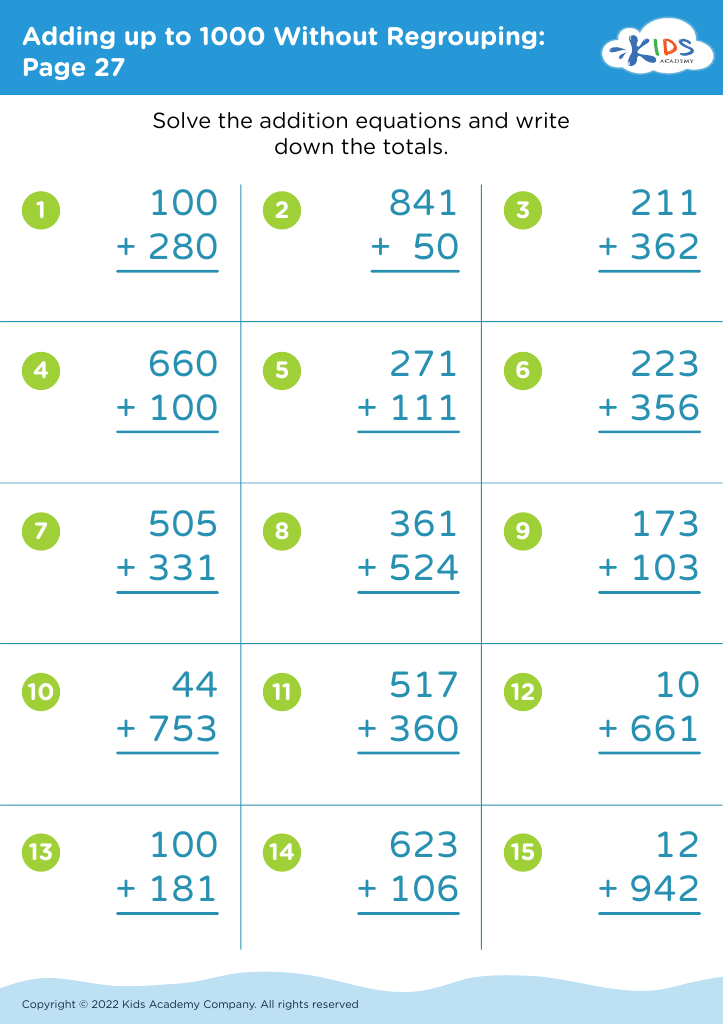
Adding up to 1000 Without Regrouping: Page 27
Worksheet
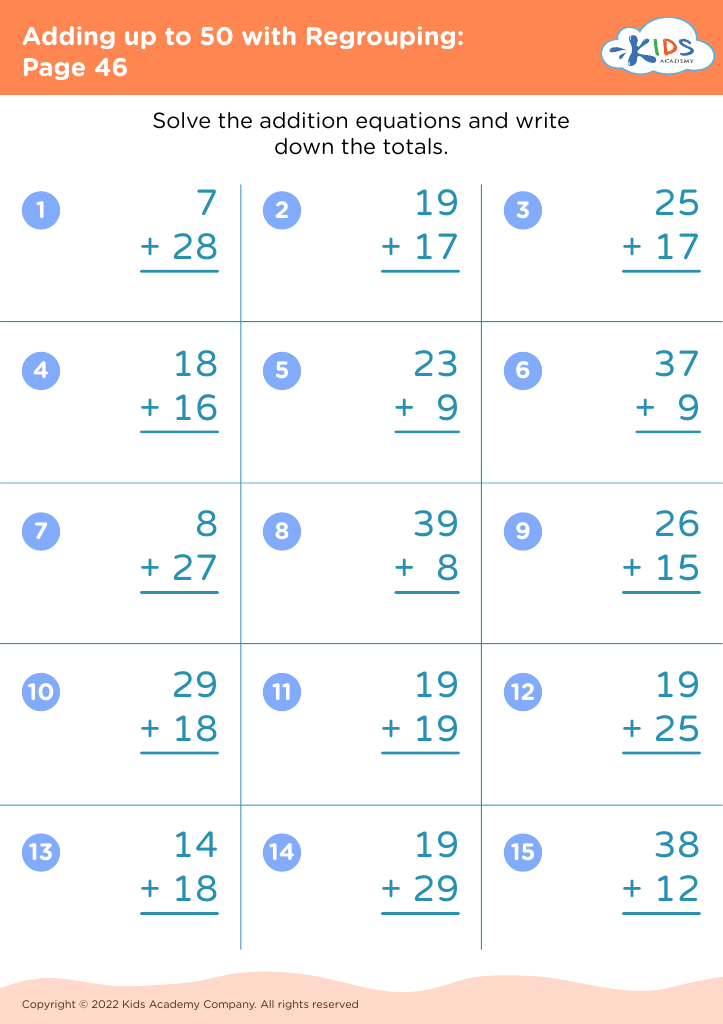
Adding up to 50 with Regrouping: Page 46
Worksheet
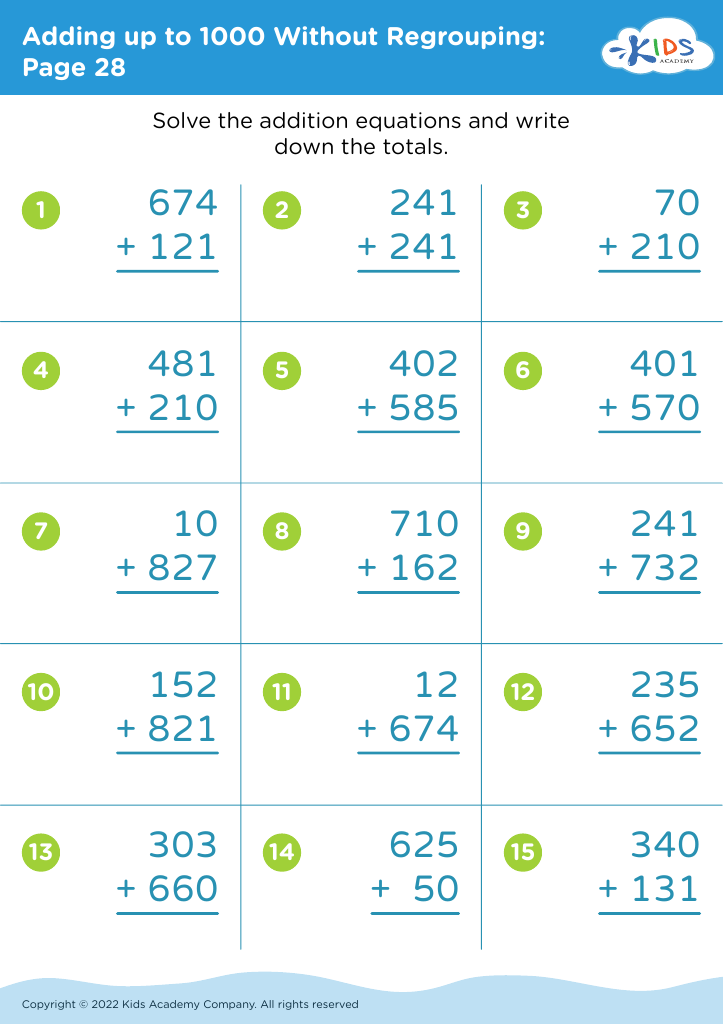
Adding up to 1000 Without Regrouping: Page 28
Worksheet
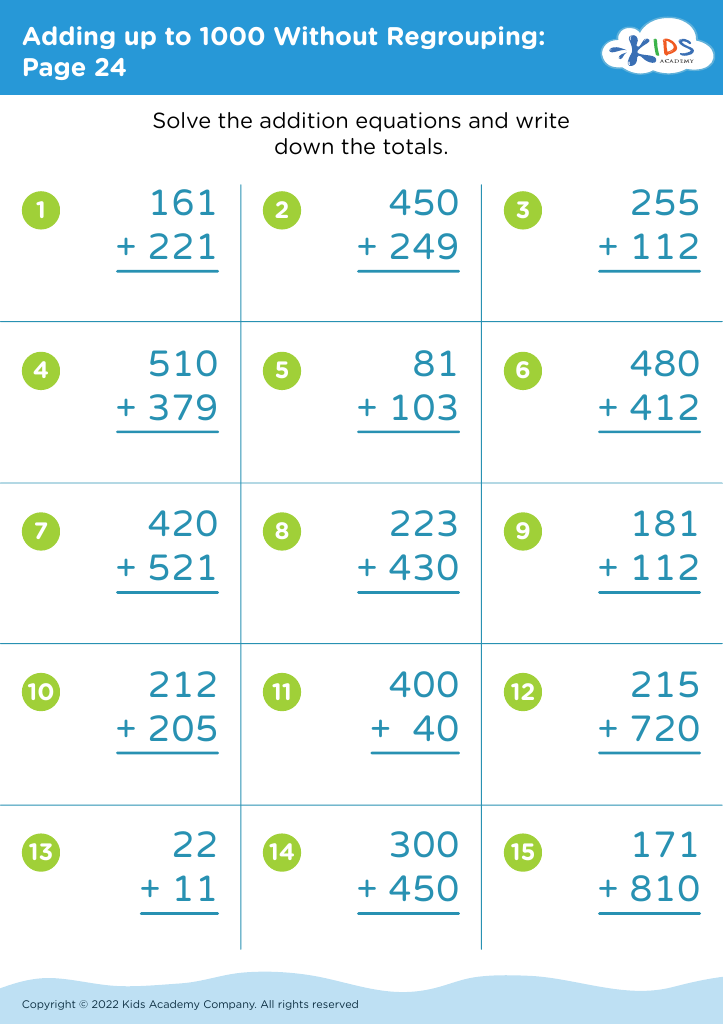
Adding up to 1000 Without Regrouping: Page 24
Worksheet


Understanding how to add and subtract fractions is a foundational math skill that has far-reaching implications for children's academic and everyday lives. For students aged 6-8, learning to simplify fractions in addition and subtraction helps build their arithmetic fluency and conceptual comprehension. This skill enhances their ability to tackle more complex math topics in later grades, ensuring they are well-prepared for algebra and beyond.

Additionally, simplifying fractions teaches children important problem-solving strategies, encouraging logical thinking and the ability to express relationships numerically. Engaging with fractions can also build confidence; when students successfully master these concepts, they are more likely to feel empowered in their overall math abilities.

For parents and teachers, emphasizing the simplification of fractions also reinforces a positive attitude toward math. It shows children that math can be approachable and fun when broken down into manageable steps.

Involving parents in this process through resources and activities fosters a supportive learning environment, allowing for collaboration and enhanced understanding. Overall, focusing on simplification in fractions addition and subtraction not only sharpens math skills but also promotes critical thinking, collaboration, and a love for learning that can last a lifetime.