
Enhance counting skills Addition Worksheets for Ages 6-8
13 filtered results
Difficulty Level
Grade
Age
-
From - To
Subject
Activity
Standards
Discover engaging Enhance Counting Skills Addition Worksheets designed specifically for children ages 6-8! Tailored to develop essential counting and addition abilities, these worksheets feature colorful graphics and fun exercises that captivate young learners. Ideal for reinforcing classroom teachings or as supplemental activities at home, they offer a variety of challenges to keep kids motivated. Through interactive problems and playful formats, children will gain confidence in their math skills while having fun! Parents and educators will appreciate the ease of use and effectiveness of these worksheets in fostering a love for learning. Enhance your child’s counting skills today!
Favorites
With answer key
Interactive
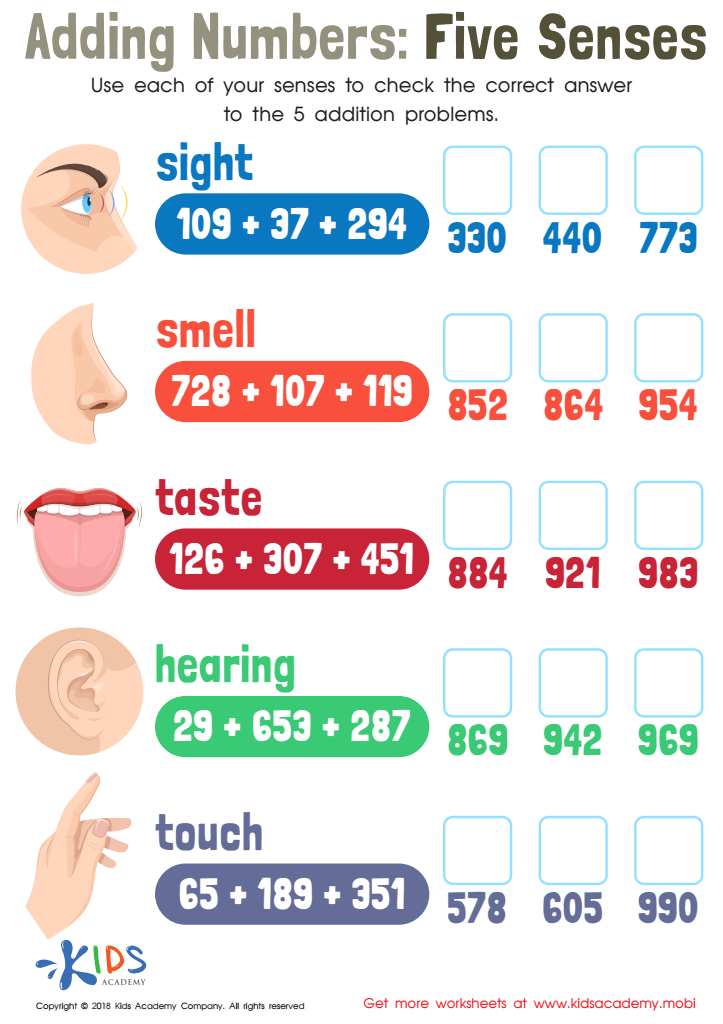
Adding Numbers: Five Senses Worksheet
Help your child identify the five senses on their body: eye, nose, tongue, ear, and skin. Explain that they're used for seeing, smelling, tasting, hearing and touching. Then, have them solve the five addition problems in the worksheet and check the correct answers.
 Assign to My Students
Adding Numbers: Five Senses Worksheet
Worksheet
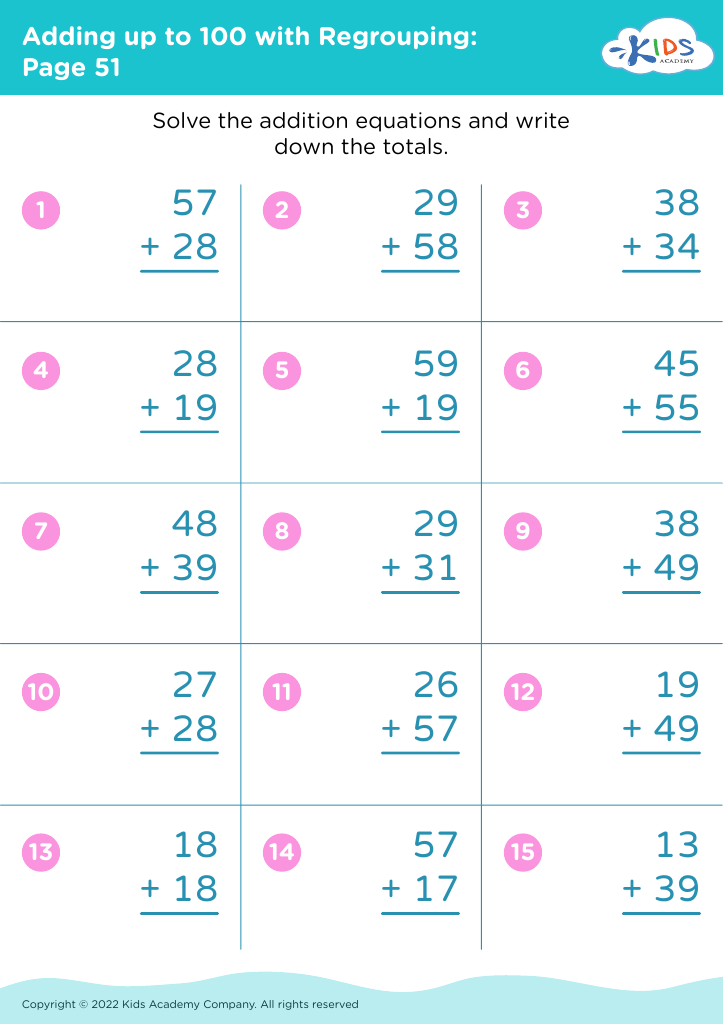
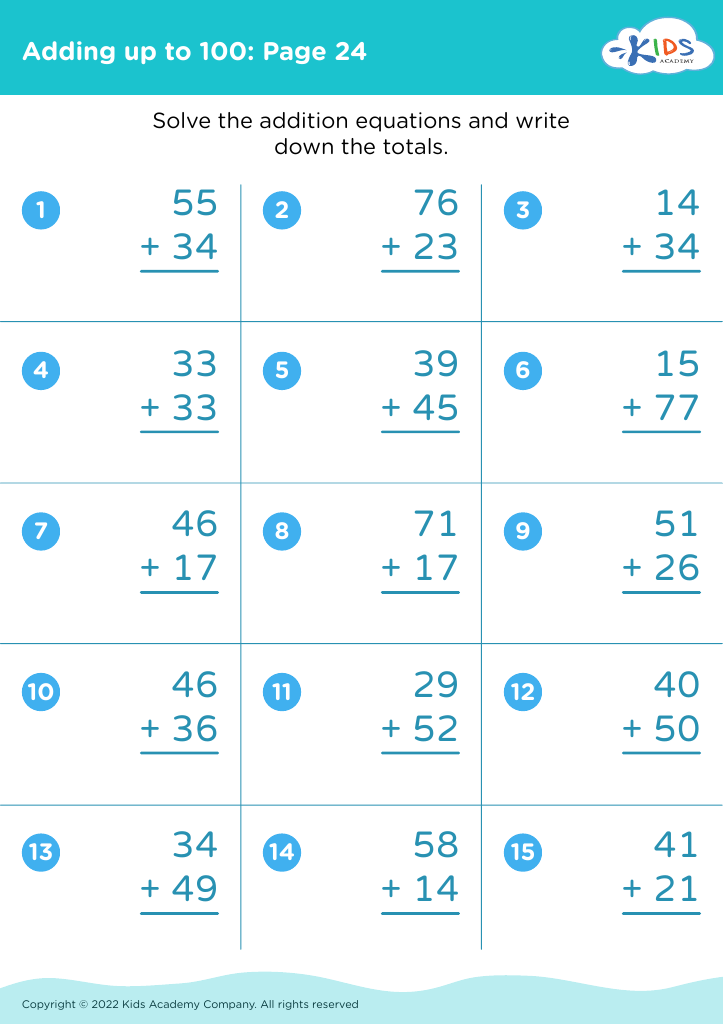
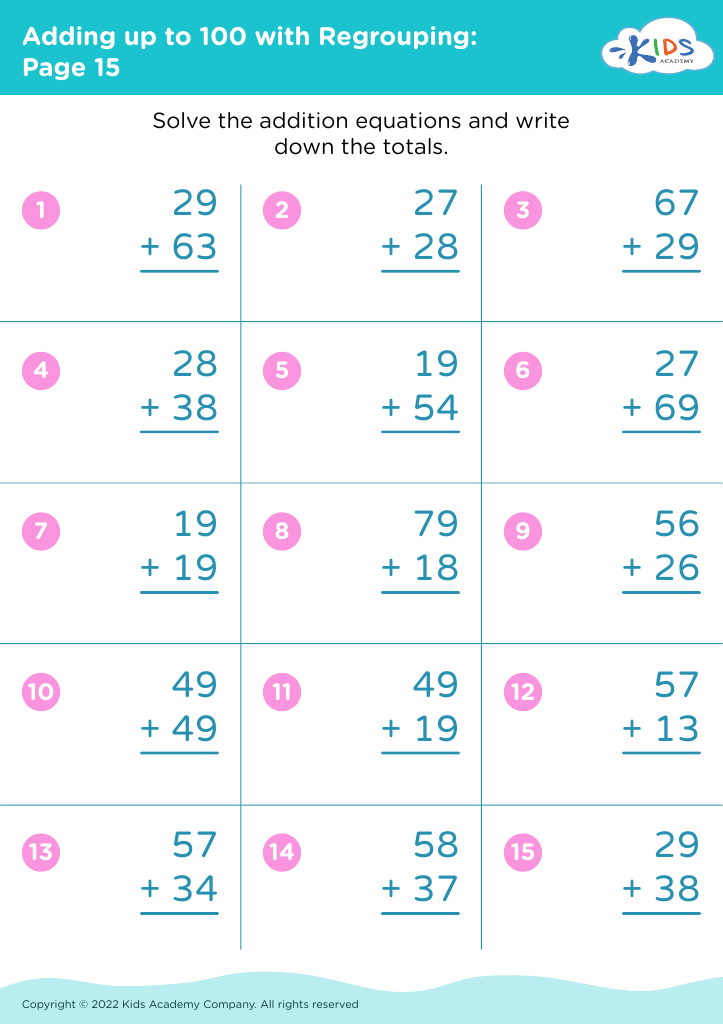
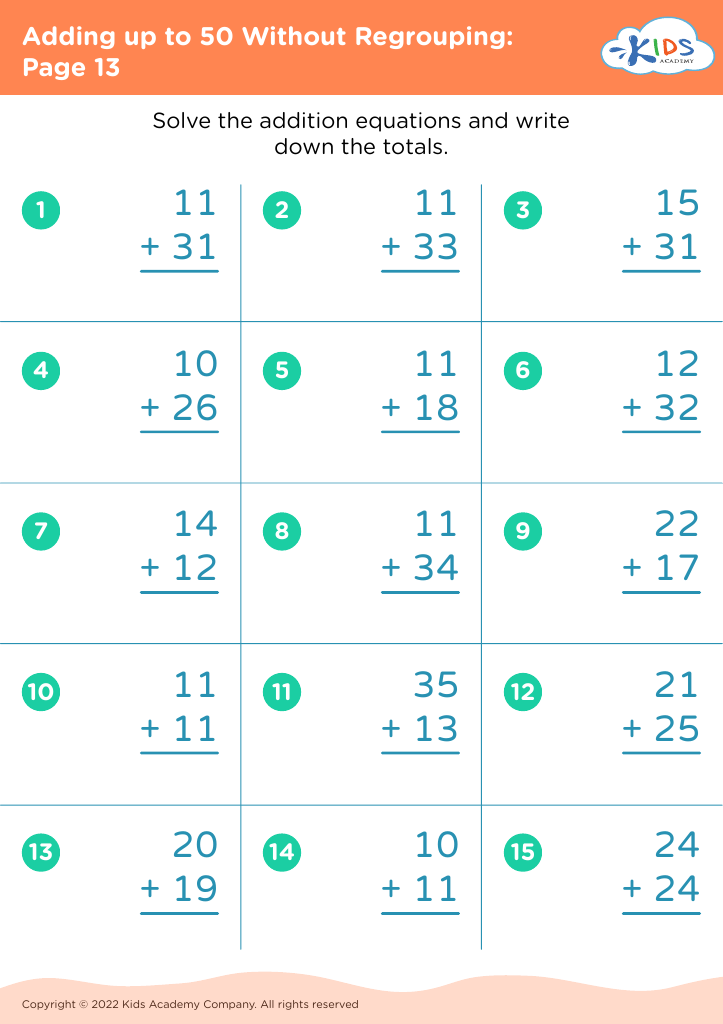
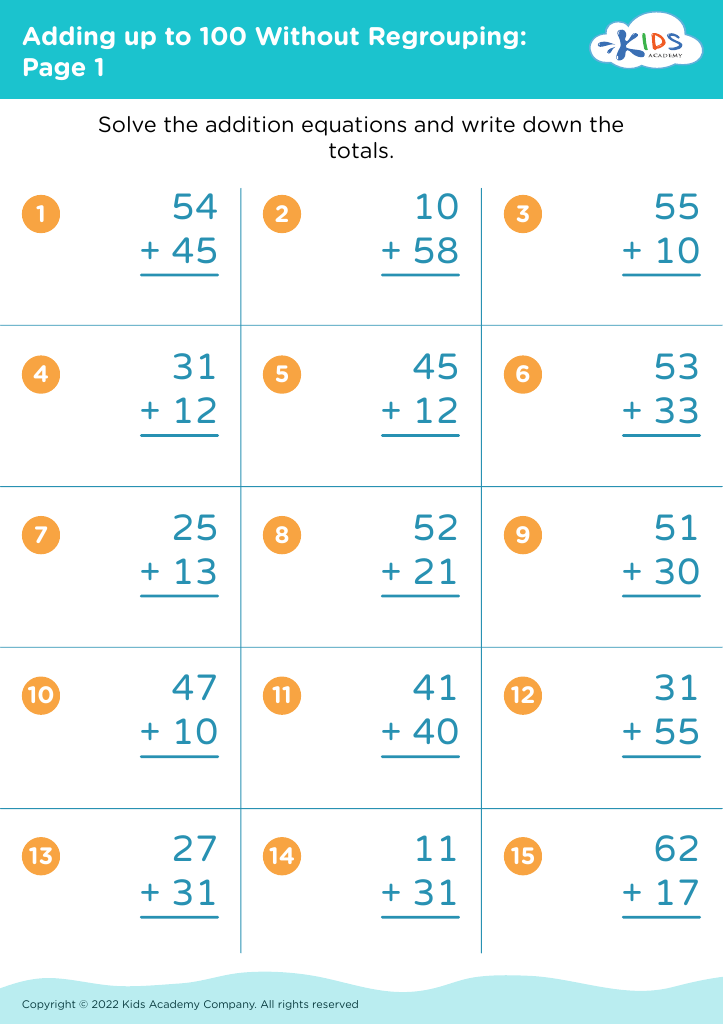
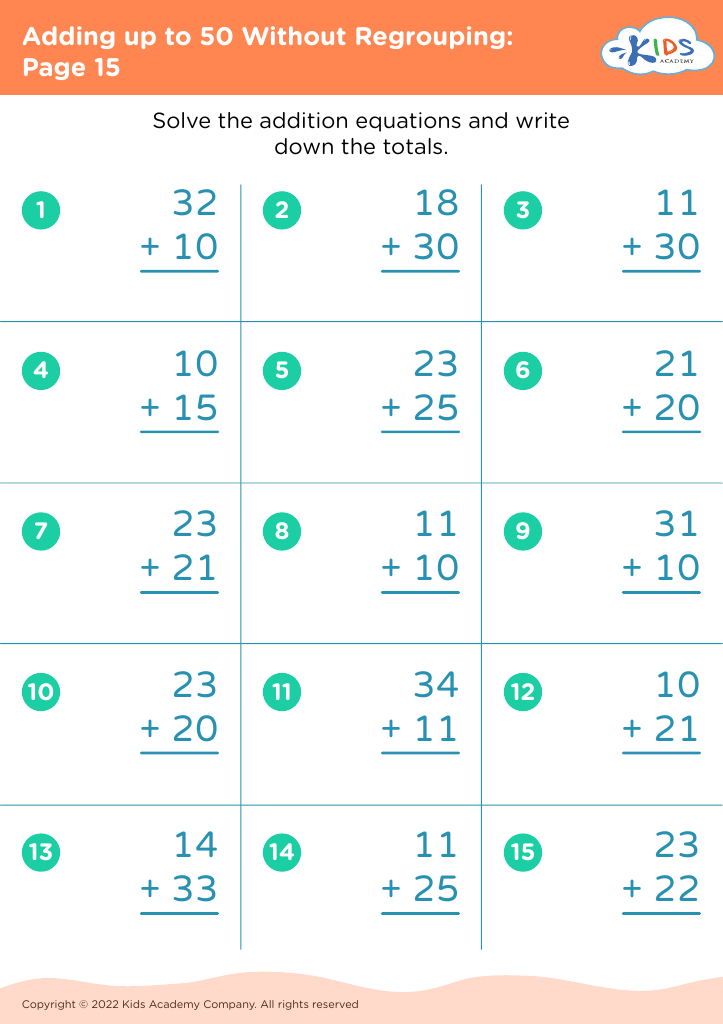
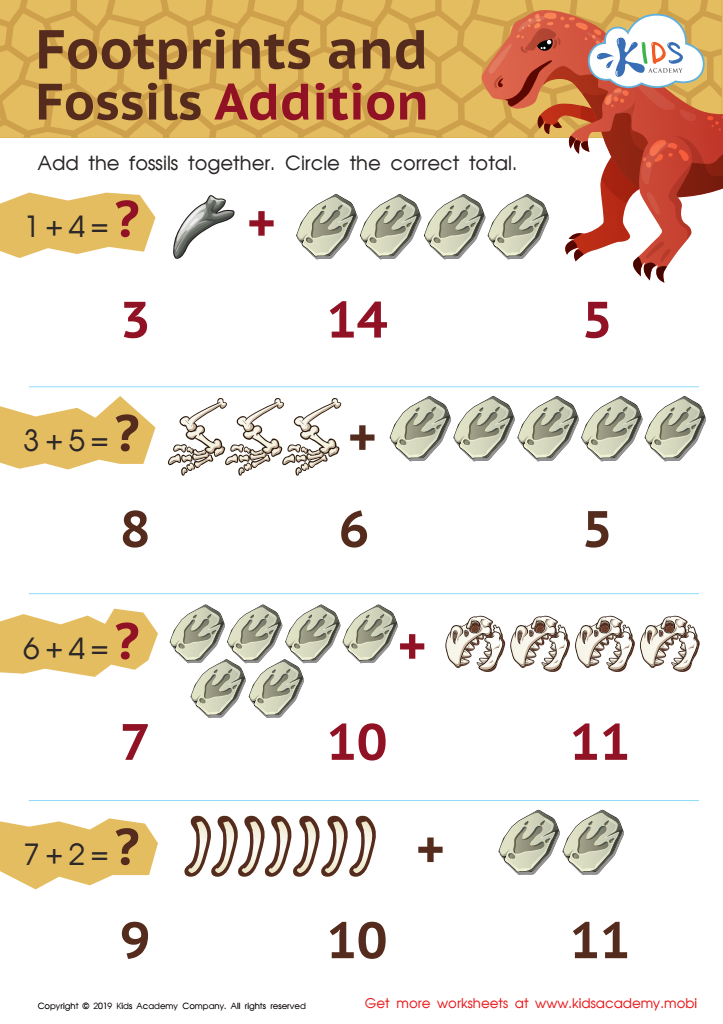
Footprints and Fossils Addition Worksheet
Show your students that addition and subtraction is easy with the right guidance and exercises. Use this worksheet to help them practice by adding fossils and circling the correct total of each equation. Your students will soon see that addition and subtraction is not so intimidating after all.
Footprints and Fossils Addition Worksheet
Worksheet
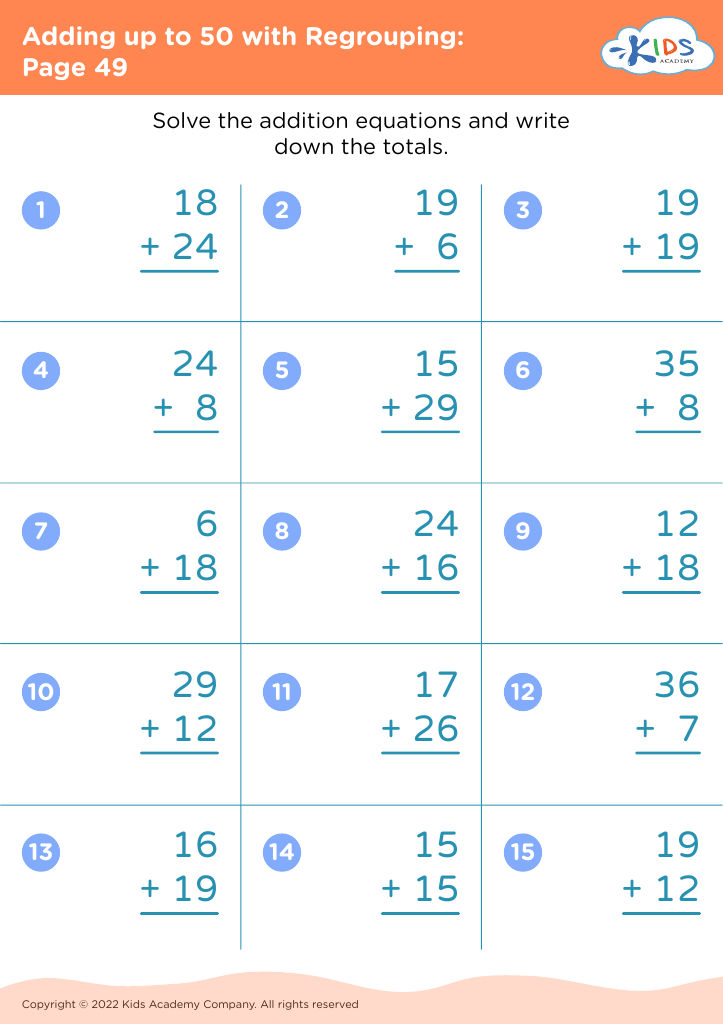
Join Kids Academy for Free
Who is primarily going to use this learning content?








Enhancing counting skills and addition for children ages 6-8 is crucial for several reasons. First, this age group is at a formative stage in their cognitive development, and building a strong foundation in math helps promote critical thinking and problem-solving skills that will be vital throughout their education and daily life.
Developing counting skills not only sets the groundwork for understanding addition but also fosters number sense, which is essential for later math concepts. When children are comfortable with numbers, they are more likely to approach math with confidence, reducing anxiety around the subject.
Additionally, counting and addition skills are integral to various real-life applications, such as managing money, measuring ingredients for cooking, and understanding time and schedules. These practical skills connect mathematics to everyday experiences, making it a valuable subject beyond the classroom.
Moreover, fostering these skills through engaging activities and games encourages a love for learning. By investing in effective counting and addition strategies, parents and teachers play a significant role in ensuring children become well-rounded, numerically literate individuals. This foundation shapes not only their academic journey but also their future interactions with the world around them.








