Learn new vocabulary Addition Worksheets for Ages 6-8
4 filtered results
-
From - To
Enhance your child's vocabulary with our engaging "Learn New Vocabulary Addition Worksheets" designed specifically for ages 6-8. These innovative worksheets blend fundamental math practice with vocabulary building, helping young learners grasp essential addition concepts while expanding their word knowledge. Each worksheet includes fun activities that promote critical thinking, problem-solving, and language skills, making learning enjoyable and effective. With colorful illustrations and age-appropriate content, your child will explore math terms through interactive exercises, ensuring a well-rounded educational experience. Perfect for home or classroom use, these worksheets are a fantastic resource to boost confidence in addition and vocabulary alike. Start learning today!






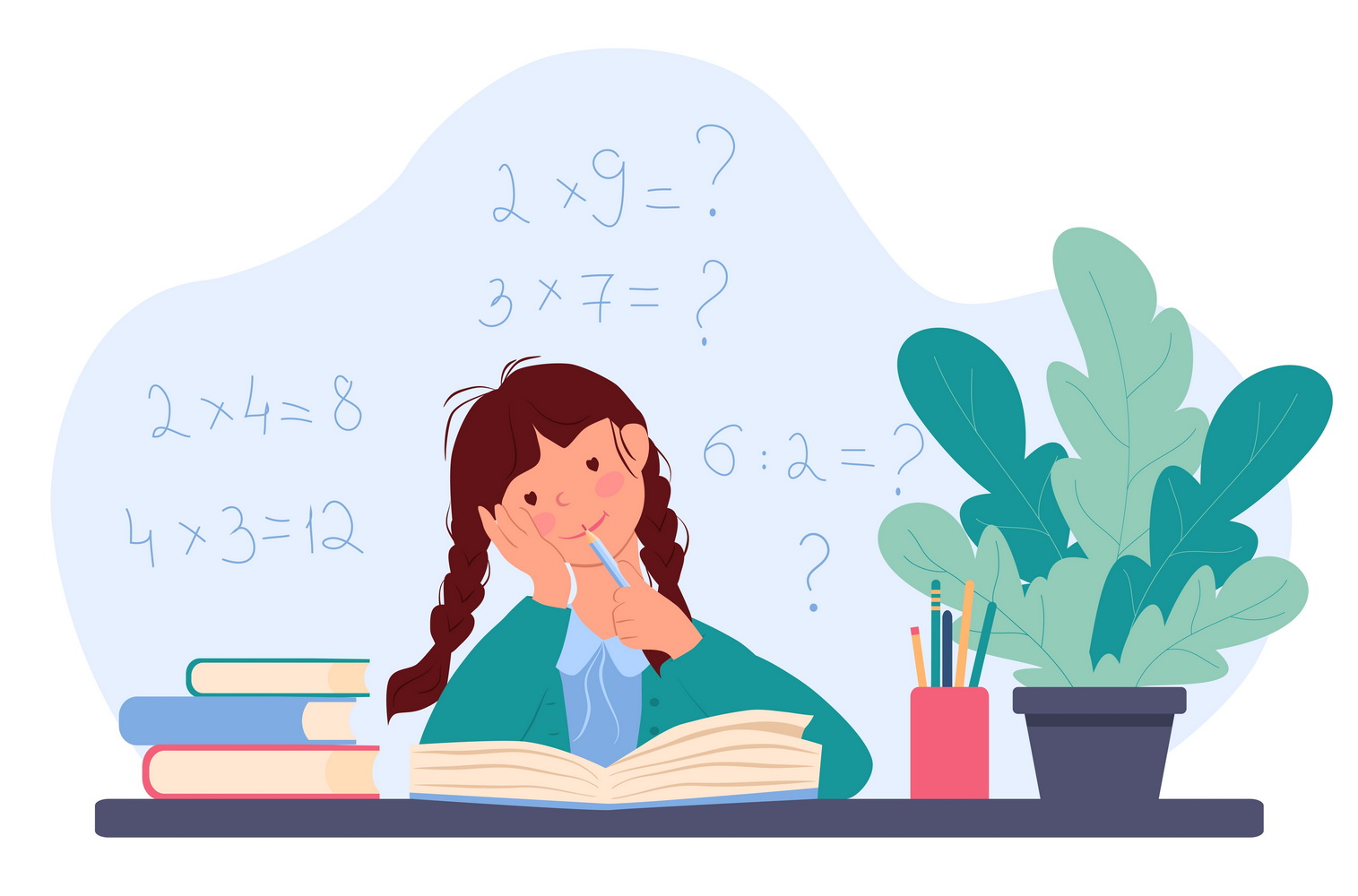

Parents and teachers play a crucial role in fostering language development and educational growth in children, especially in the ages 6-8, where vocabulary expansion is vital. Learning new vocabulary significantly enhances a child's comprehension and communication skills, making it easier for them to express their thoughts and ideas clearly. This is particularly important in the context of addition, as understanding mathematical concepts often requires the use of specific terminology such as "sum," "plus," "altogether," and "more than."
Incorporating vocabulary related to addition helps children not only in identifying numbers and operations but also in building confidence in their mathematical abilities. When children have a diverse vocabulary, they are better equipped to engage in discussions about math, follow instructions, and understand word problems, which are essential skills for success in mathematics and beyond.
Moreover, learning new vocabulary lays the foundation for future academic achievement, including reading comprehension and problem-solving skills. By supporting children in mastering these language concepts, parents and teachers empower them to tackle more complex subjects as they progress through their education, ultimately turning early math learners into confident, articulate, and enthusiastic learners for life. Encouraging a robust vocabulary early on is a gift that will support their education long-term.








