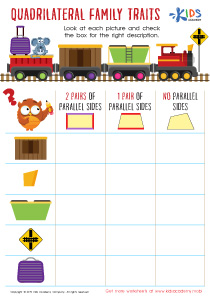
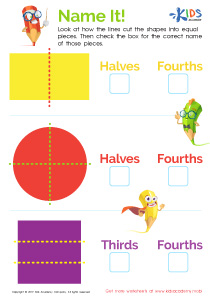
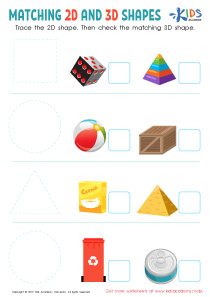
Shape Recognition Area and Perimeter Worksheets for Ages 6-8
3 filtered results
-
From - To
Explore our engaging Shape Recognition Area and Perimeter Worksheets, designed specifically for children ages 6-8. These interactive exercises help young learners develop essential math skills by identifying shapes and understanding their areas and perimeters. Each worksheet is crafted to make learning fun and stimulating, encouraging kids to recognize different geometric shapes while enhancing their problem-solving abilities. Perfect for reinforcing classroom lessons or for at-home practice, our worksheets offer a variety of thoughtfully created activities that cater to diverse learning styles. Help your child build confidence in math with our easy-to-use resources that promote both learning and creativity!
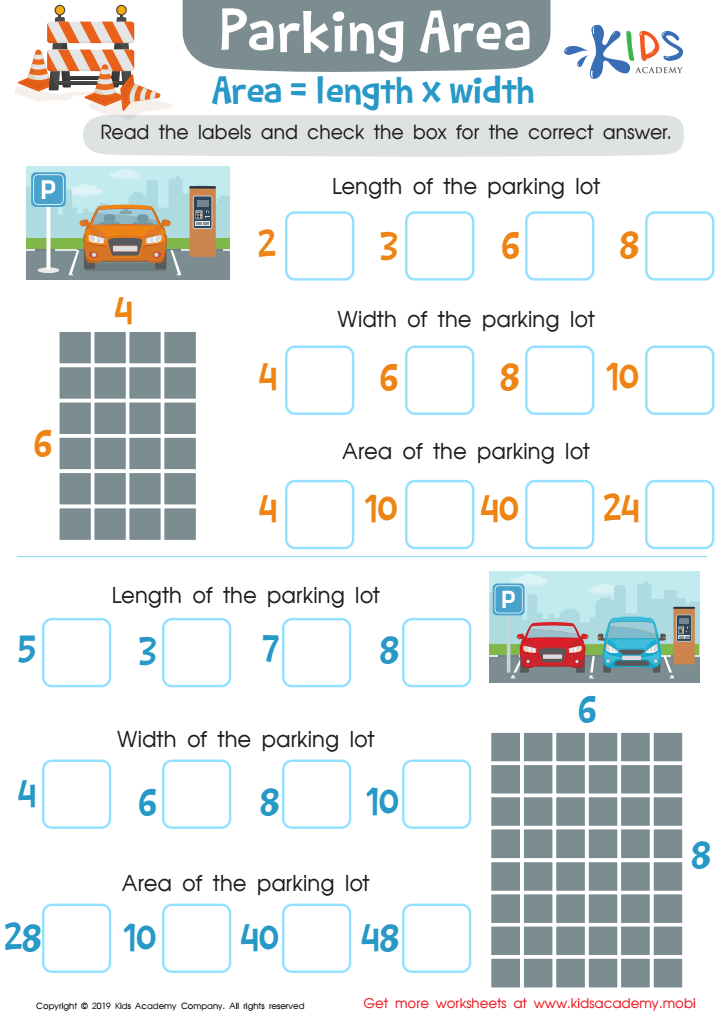
Parking Area Worksheet
 Assign to My Students
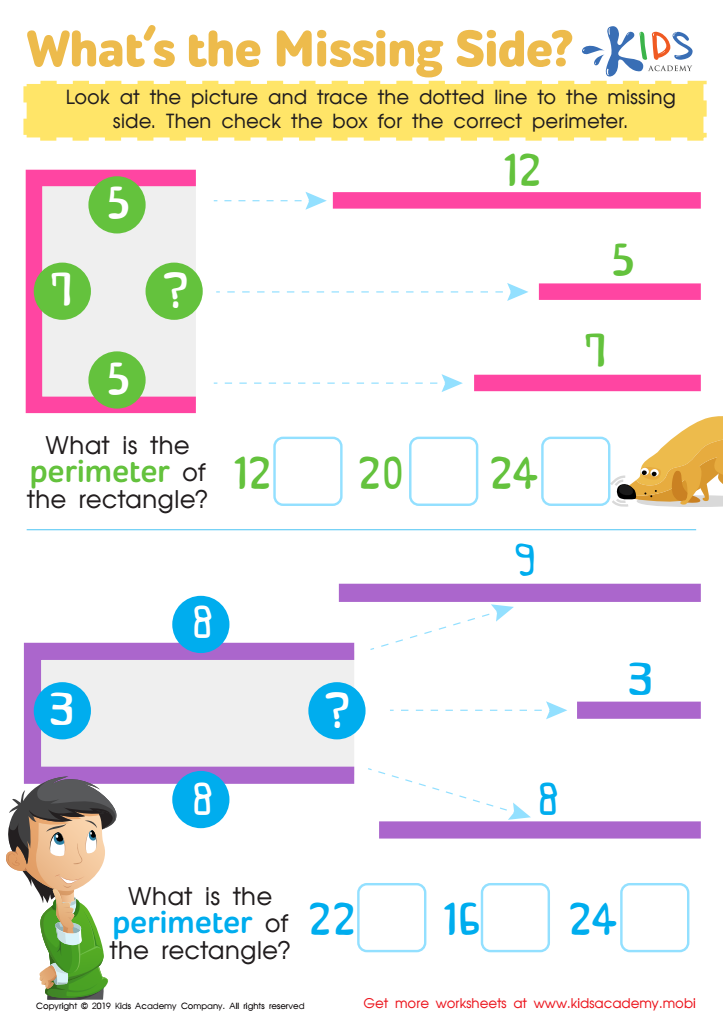
What's the Missing Side Worksheet
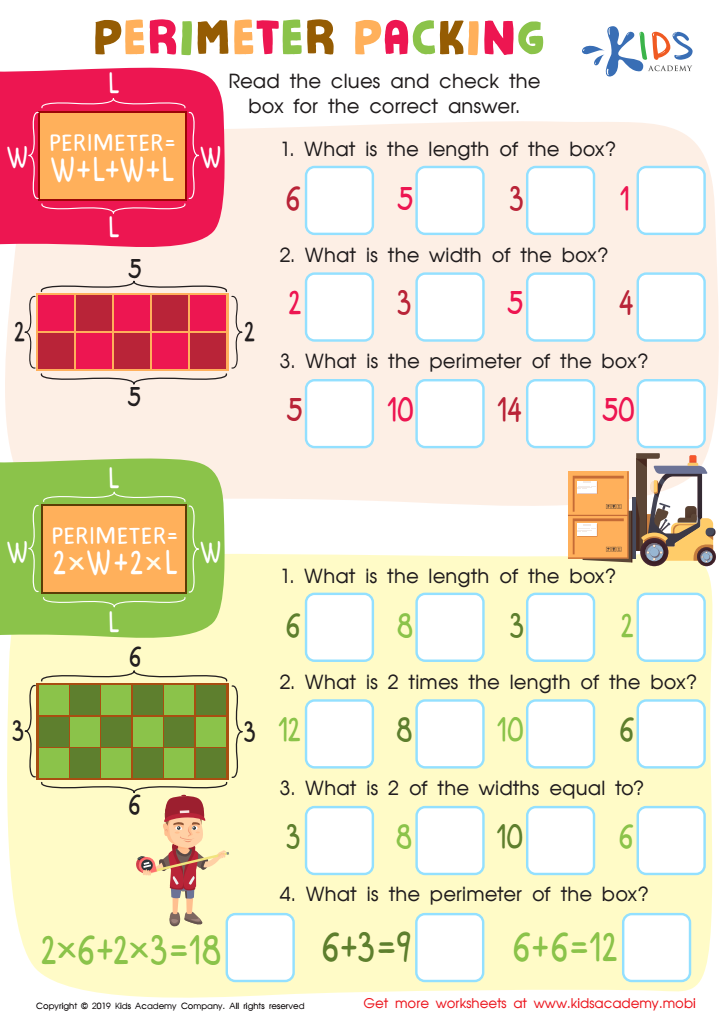
Perimeter Parking Worksheet








Shape recognition and understanding area and perimeter are crucial components of early mathematics education for children aged 6-8. During this developmental stage, children are exceptionally curious about the world around them, and engaging them in shape and spatial concepts lays the groundwork for their mathematical understanding.
Shape recognition enhances their problem-solving skills, creativity, and spatial awareness. When children can identify different shapes in their environment, they begin to understand how these shapes fit together, which is fundamental for developing geometry skills later on. Recognizing shapes is not only foundational for math but also has implications in science and art.
Understanding area and perimeter introduces children to measurement, promoting spatial reasoning and critical thinking. These concepts allow children to explore their environment actively by measuring personal spaces or objects. For teachers and parents, fostering these skills at an early age can contribute significantly to a child's confidence and interest in math, setting positive attitudes toward the subject.
Moreover, proficiency in these areas can form the basis for later learning in more complex mathematics, thereby equipping children with essential analytical tools for their future education. Encouraging playful, exploratory learning in these topics is an investment in their academic success and overall cognitive development.