Counting skills Comparing Numbers Worksheets for Ages 6-8
6 filtered results
-
From - To
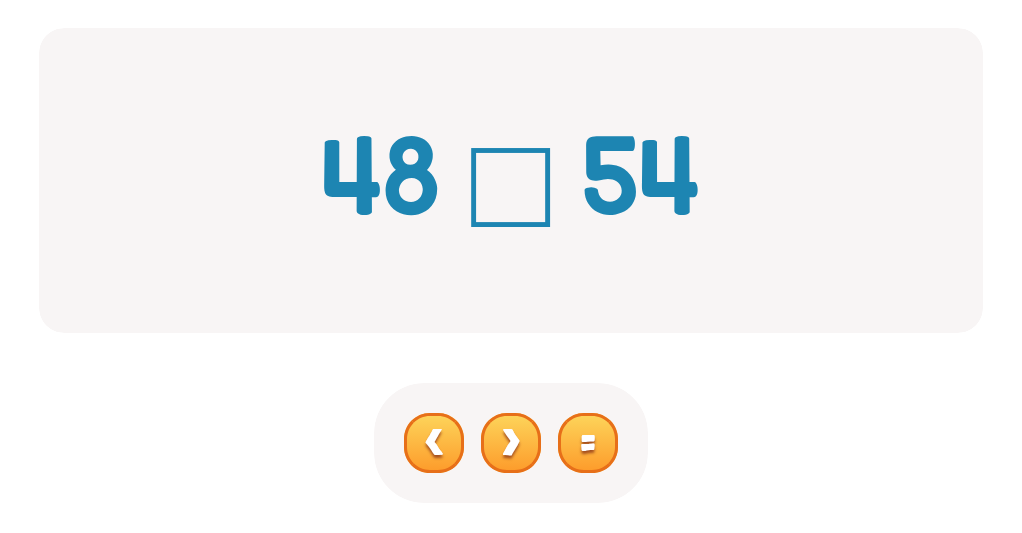
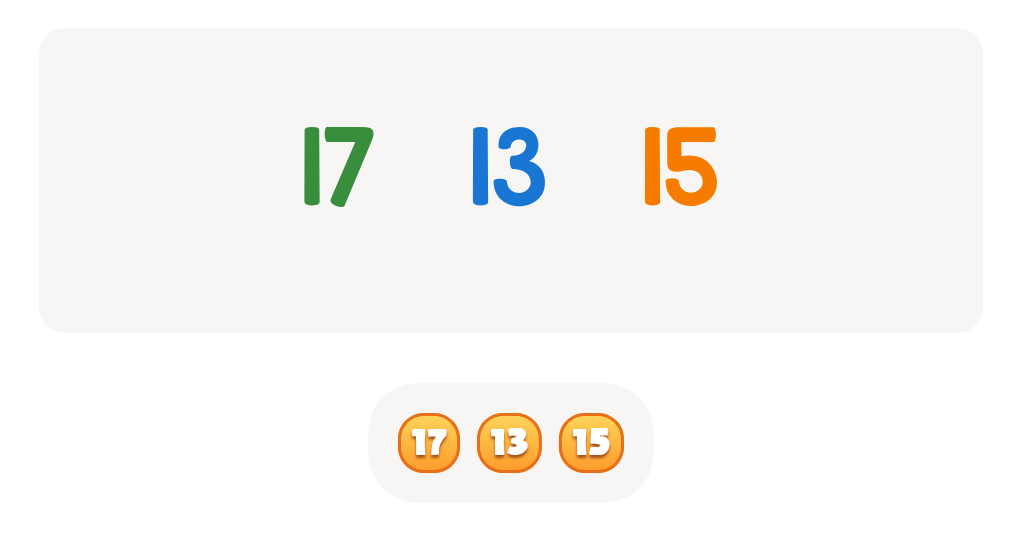
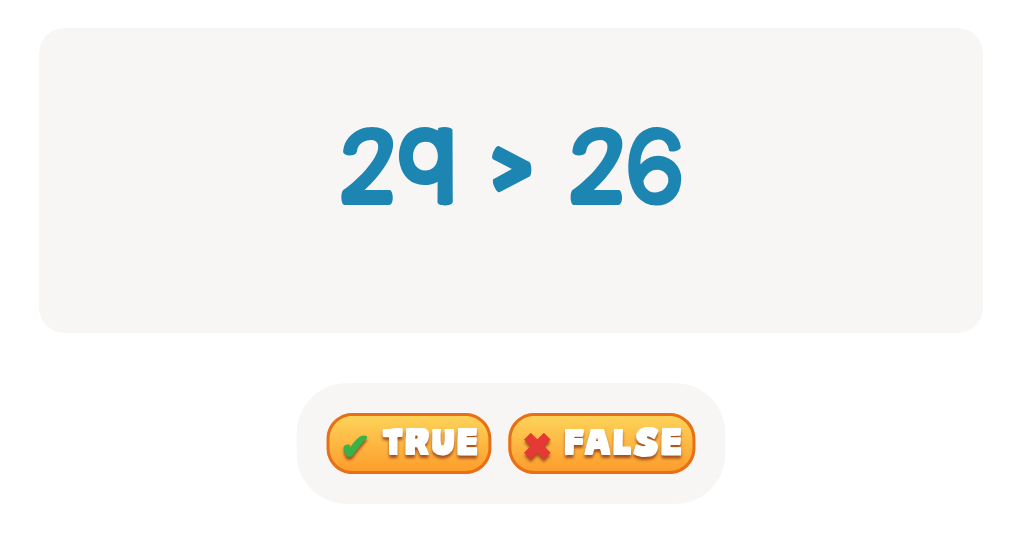
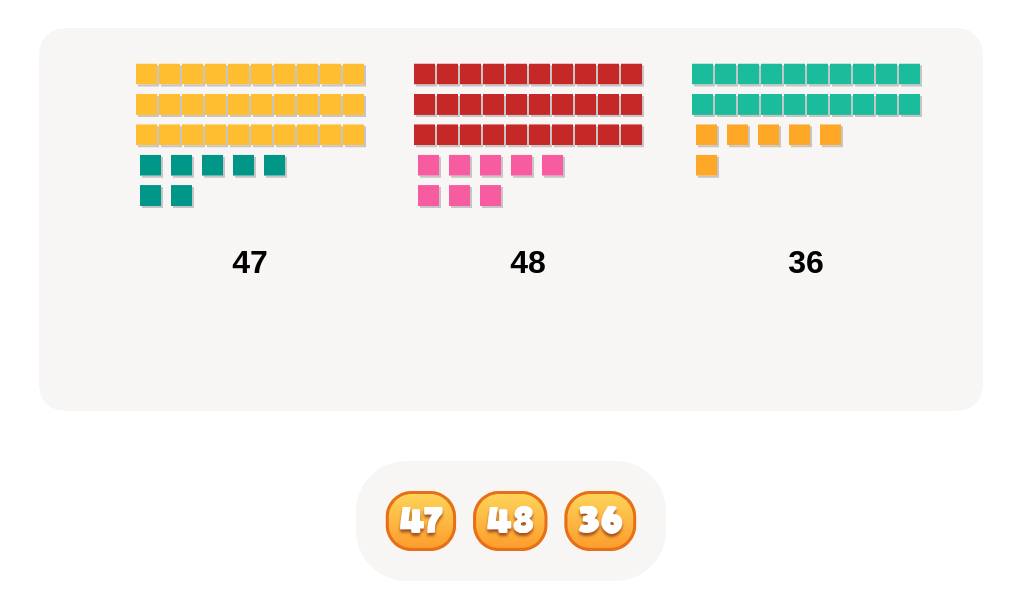
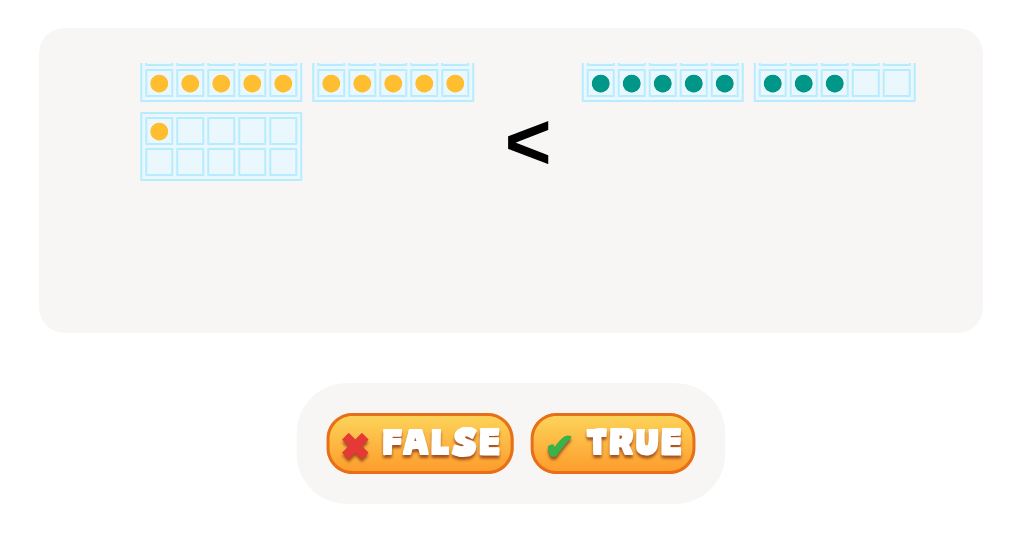
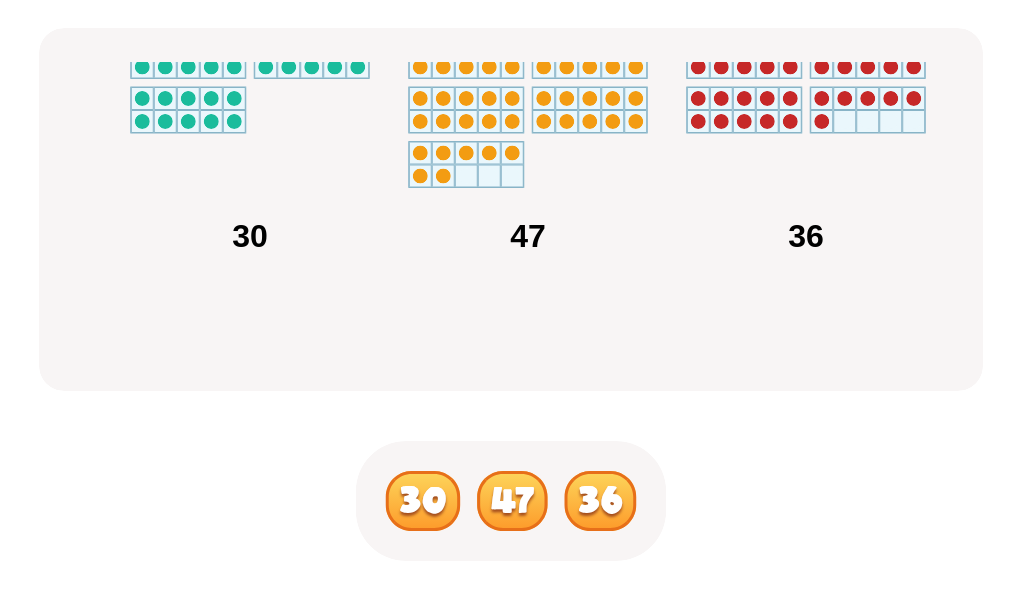
Enhance your child's counting skills with our engaging Comparing Numbers Worksheets for ages 6-8! Designed to make learning fun and interactive, these worksheets help young learners grasp essential concepts of comparing numbers. Through a variety of activities, including visual aids and hands-on exercises, children will master identifying greater, lesser, and equal values. Our resources promote critical thinking and number sense, laying a strong foundation for future math success. Perfect for homeschooling, classroom activities, or additional practice, these worksheets are a valuable tool for fostering confidence and proficiency in math. Download now to ignite your child's love for numbers today!
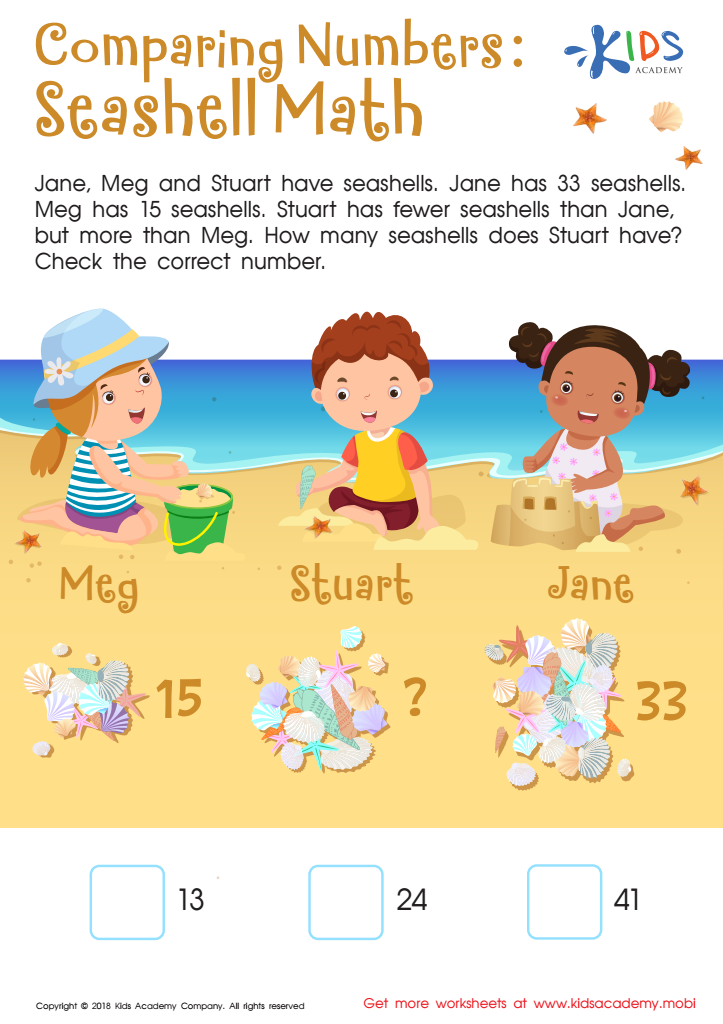
Seashell Collectors Worksheet
 Assign to My Students
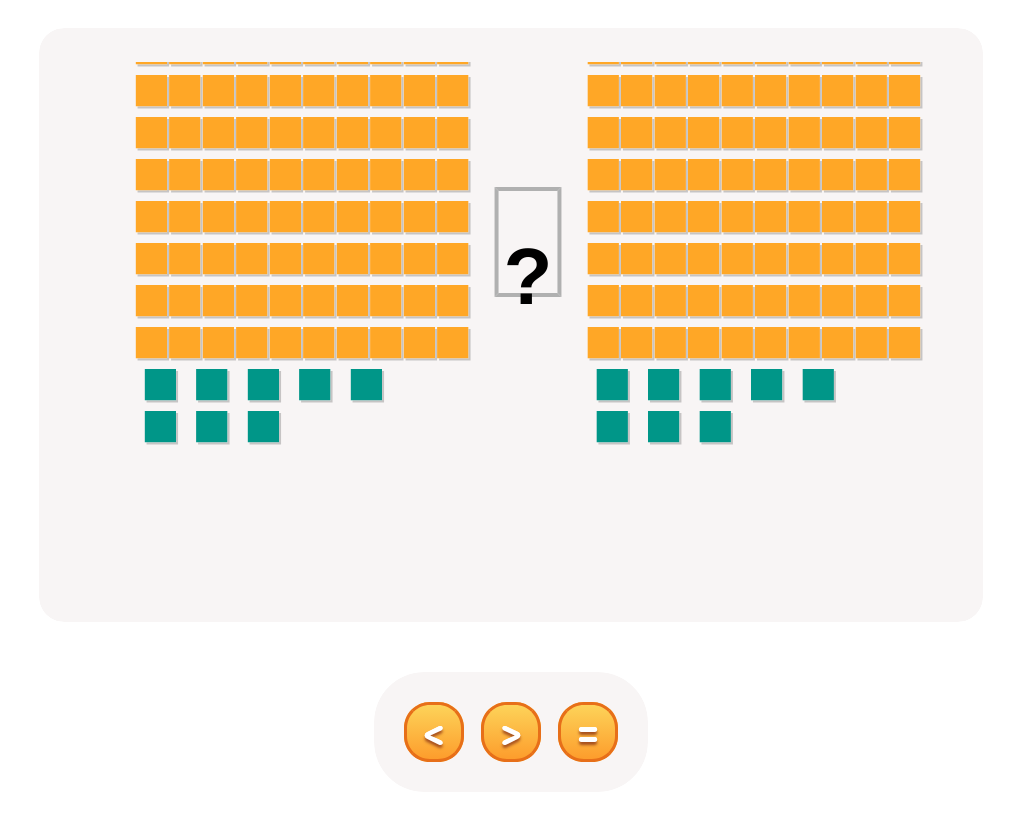

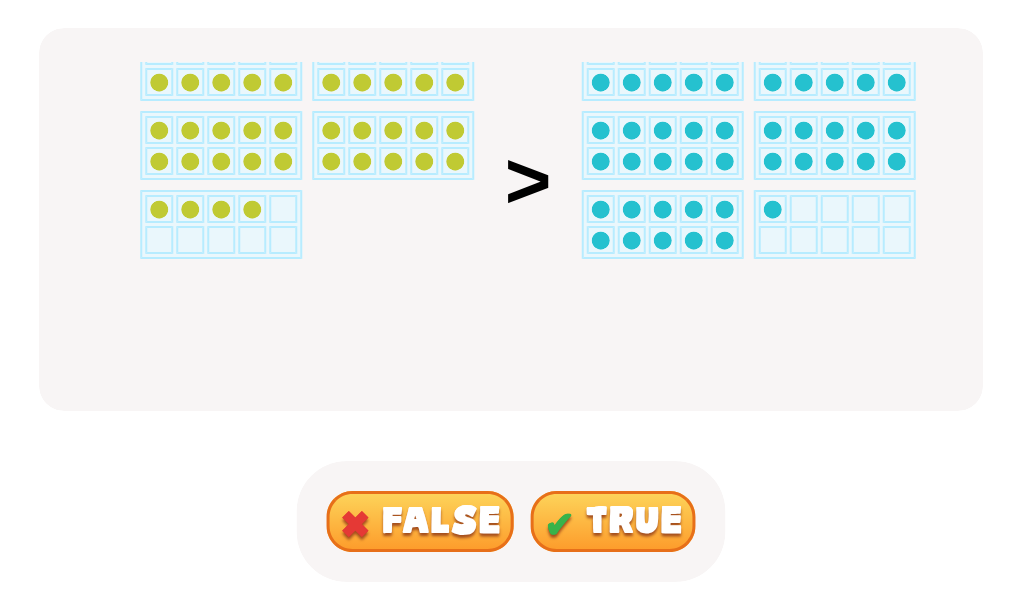
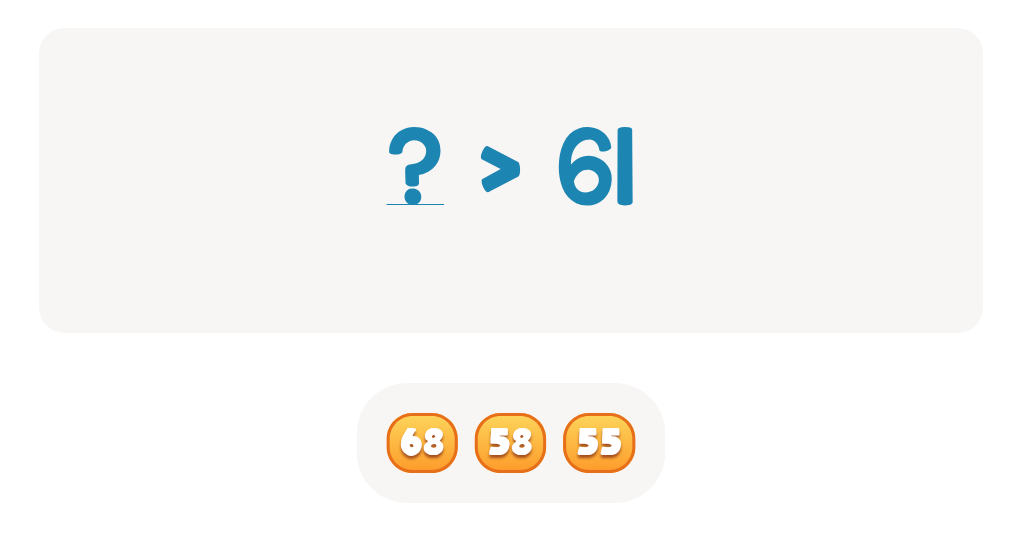
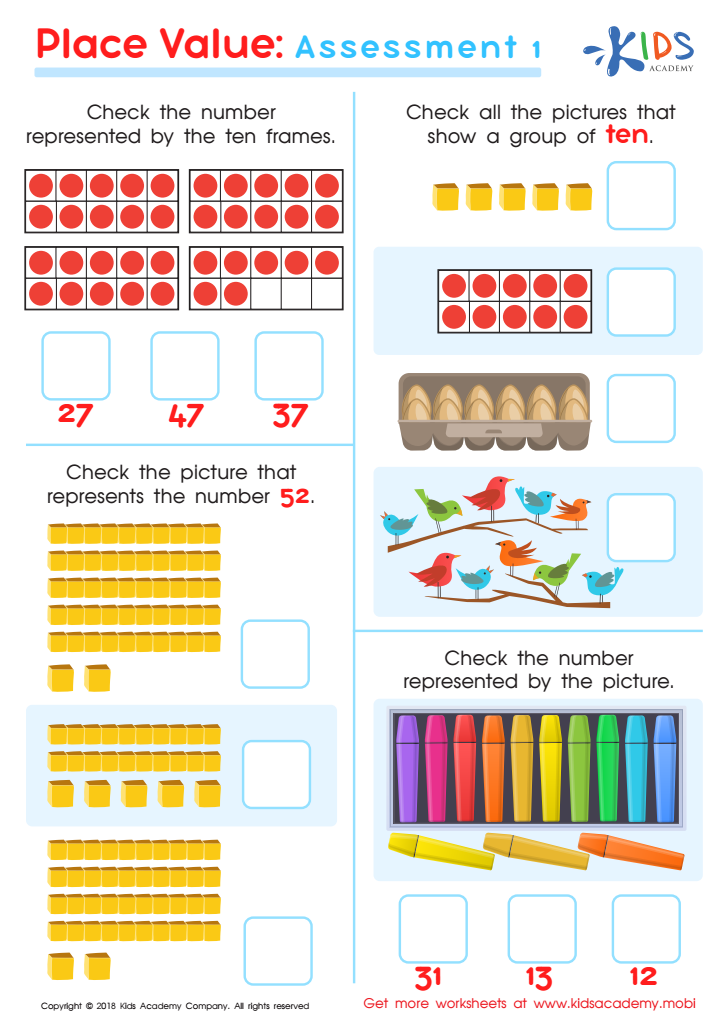
Place Value: Assessment 1 Worksheet
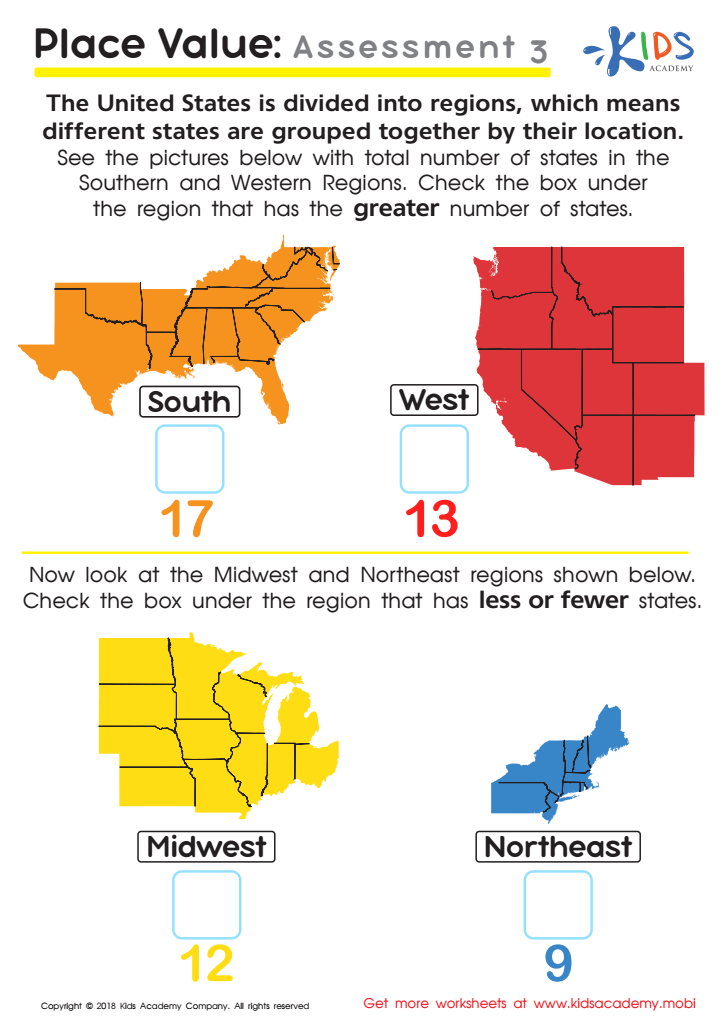
Place Value: Assessment 3 Worksheet
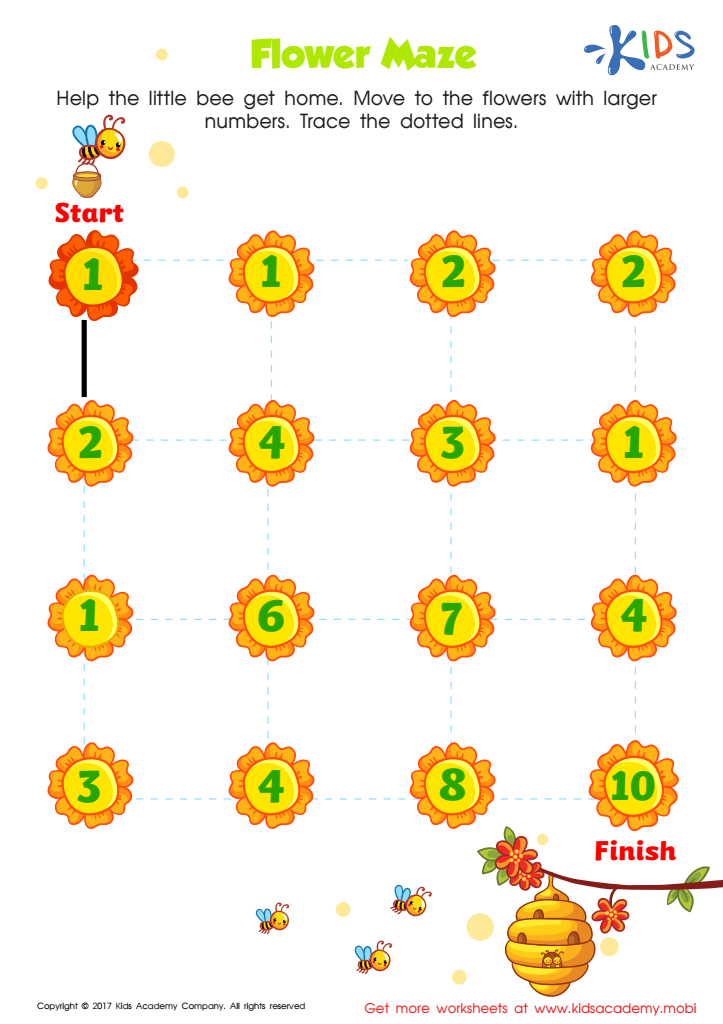
Number Maze For Kindergarten Printable
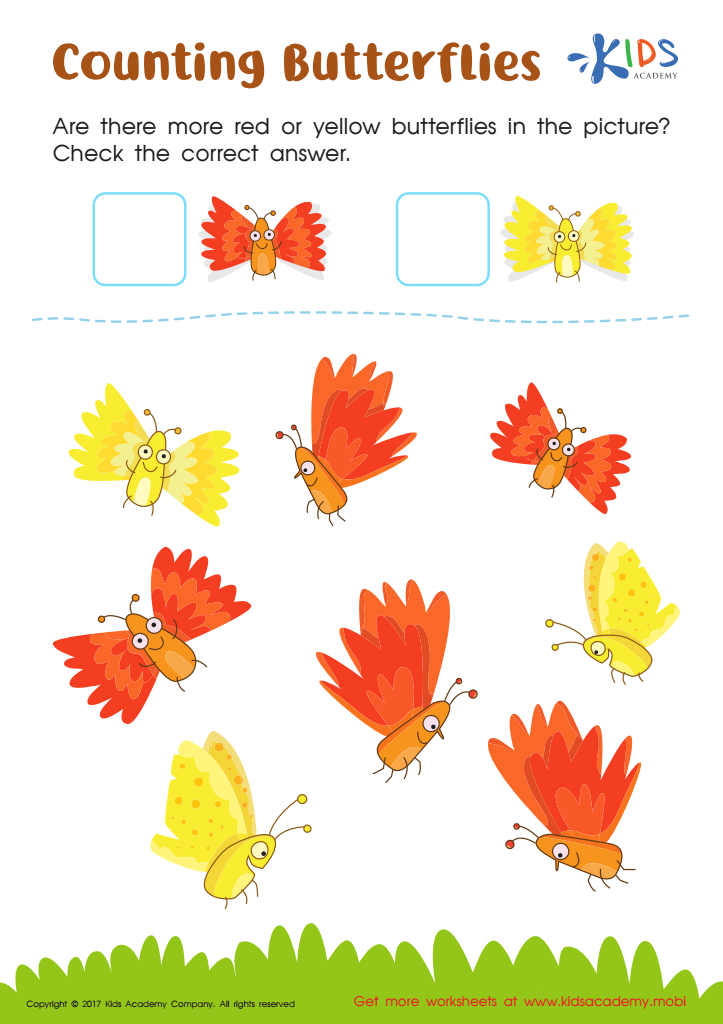
Counting Butterflies Worksheet
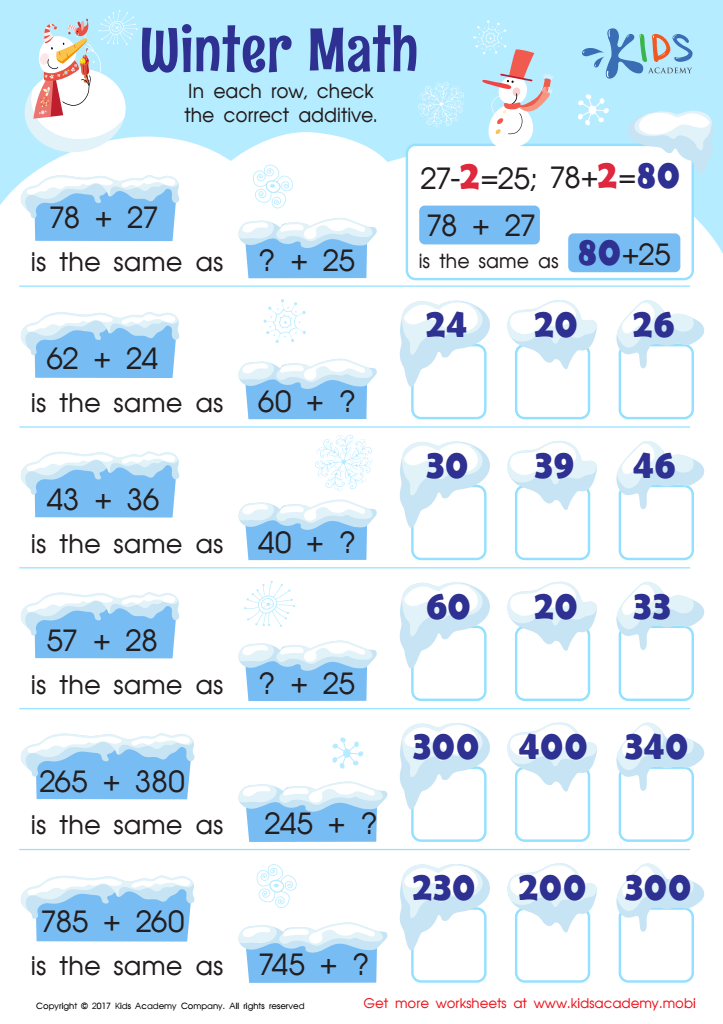
Free Addition Worksheet








Counting skills and comparing numbers are foundational mathematical concepts critical for children aged 6-8, as they form the basis for more advanced math learning. At this stage, children transition from simple counting to understanding the relationships between numbers, such as greater than, less than, and equal to. Mastery of these skills fosters logical reasoning and enhances problem-solving abilities, which are essential not just in mathematics, but across various subjects.
Parents and teachers should care because early proficiency in counting and comparing numbers influences children's overall confidence and competence in math. Those who struggle with these basics may find future math concepts more challenging, potentially leading to gaps in knowledge that can affect academic performance. Additionally, incorporating counting and comparing into daily activities, such as cooking or shopping, can provide practical applications, making math relevant and engaging.
Emphasizing these skills encourages positive attitudes toward math, helping children develop a sense of accomplishment. This can translate into a lifelong appreciation for learning and mathematics. Collaboration between parents and teachers is crucial in promoting these skills, ensuring that children master them in a supportive environment, setting the foundation for future academic success.








