Understanding fractions Comparing Numbers Worksheets for Ages 6-8
3 filtered results
-
From - To
Discover our engaging "Understanding Fractions Comparing Numbers Worksheets" designed specifically for children aged 6-8. These interactive worksheets help young learners grasp the concept of fractions through fun comparisons. Kids will practice recognizing, comparing, and ordering fractions as they complete a variety of exercises tailored to enhance their mathematical skills. With vibrant illustrations and clear instructions, these worksheets make learning fractions enjoyable and effective. Perfect for both classroom and home use, our resources encourage critical thinking and boost confidence in young mathematicians. Start nurturing a solid foundation in math today with our user-friendly worksheets that simplify the learning process!
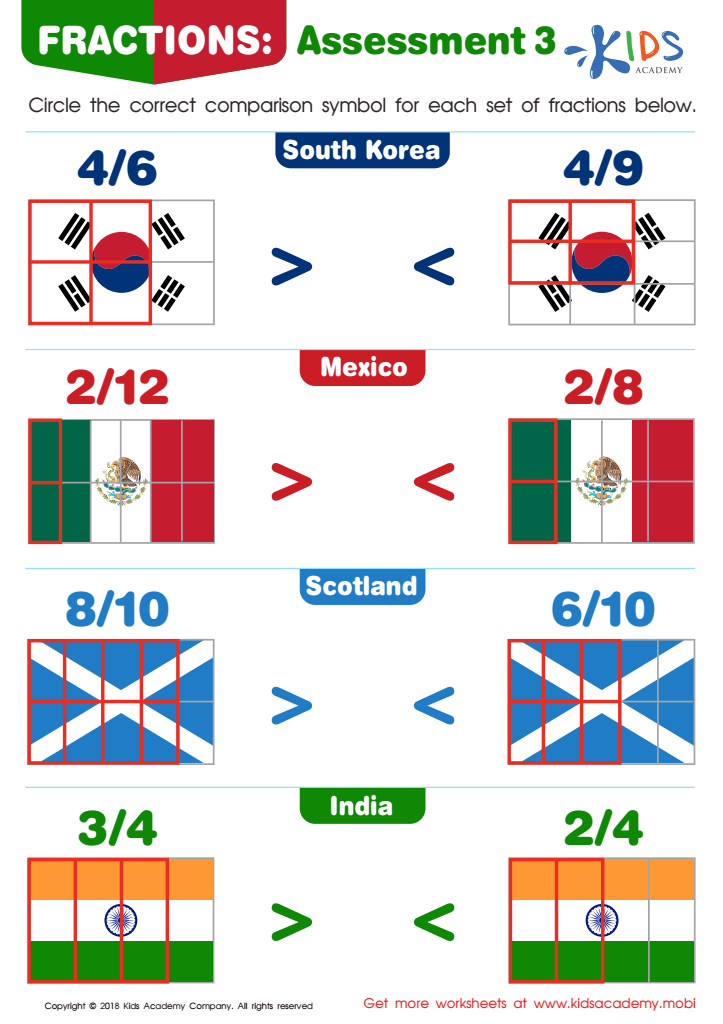
Fractions: Assessment 3 Worksheet
 Assign to My Students
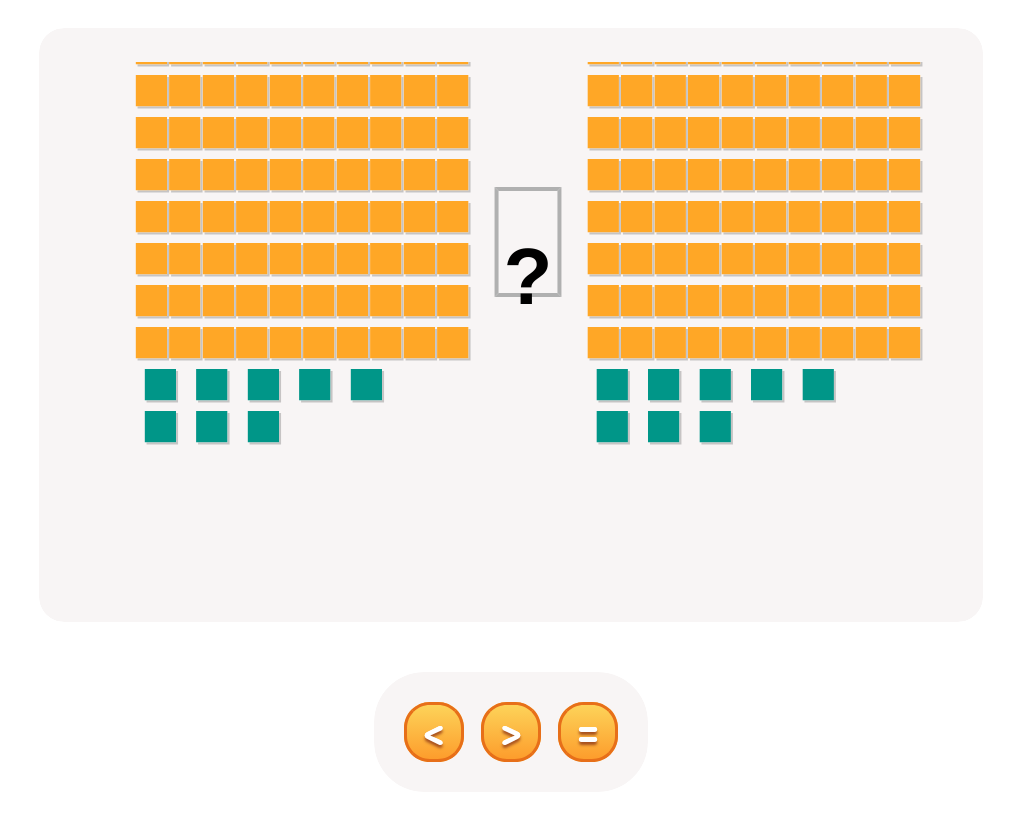

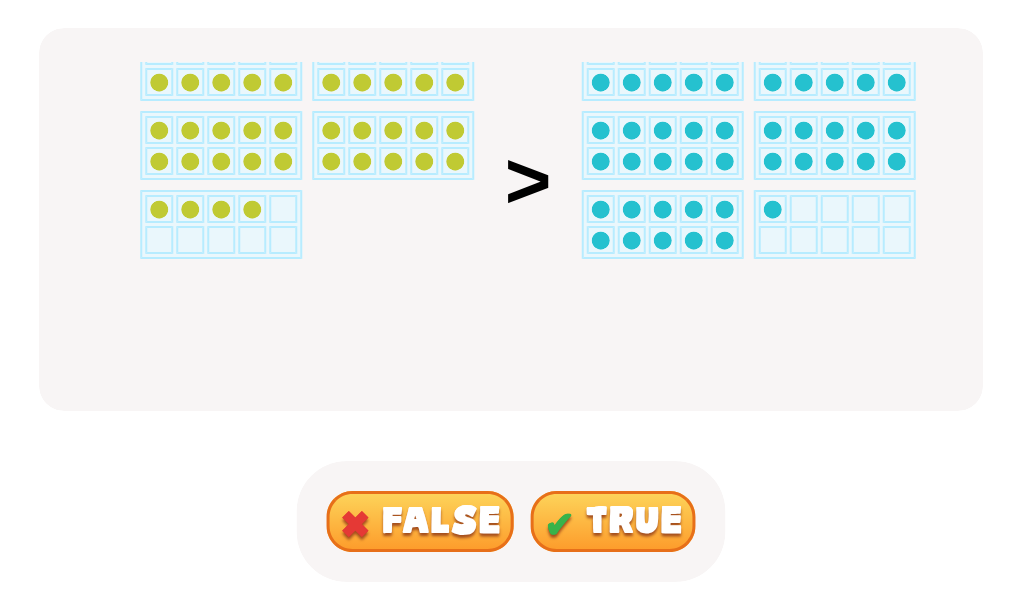
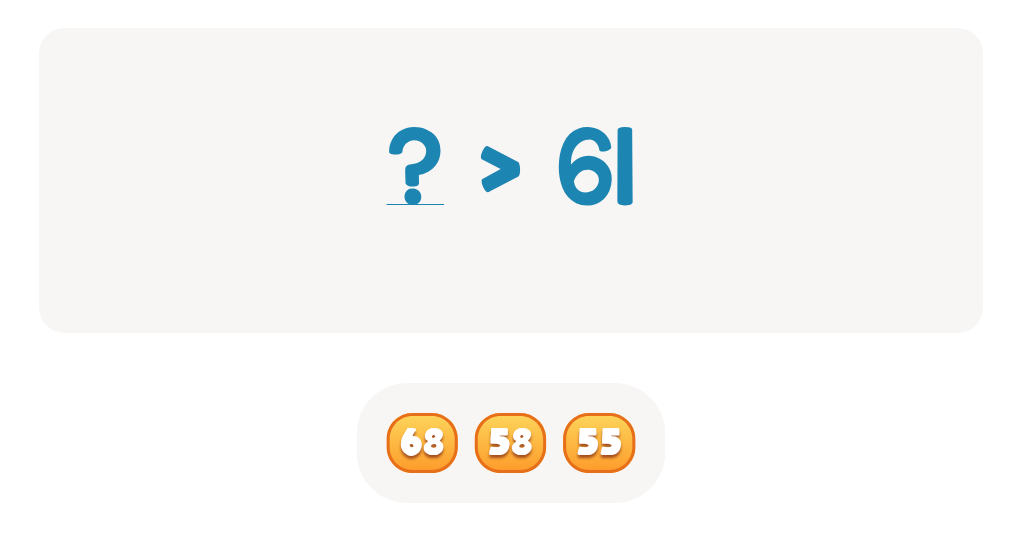
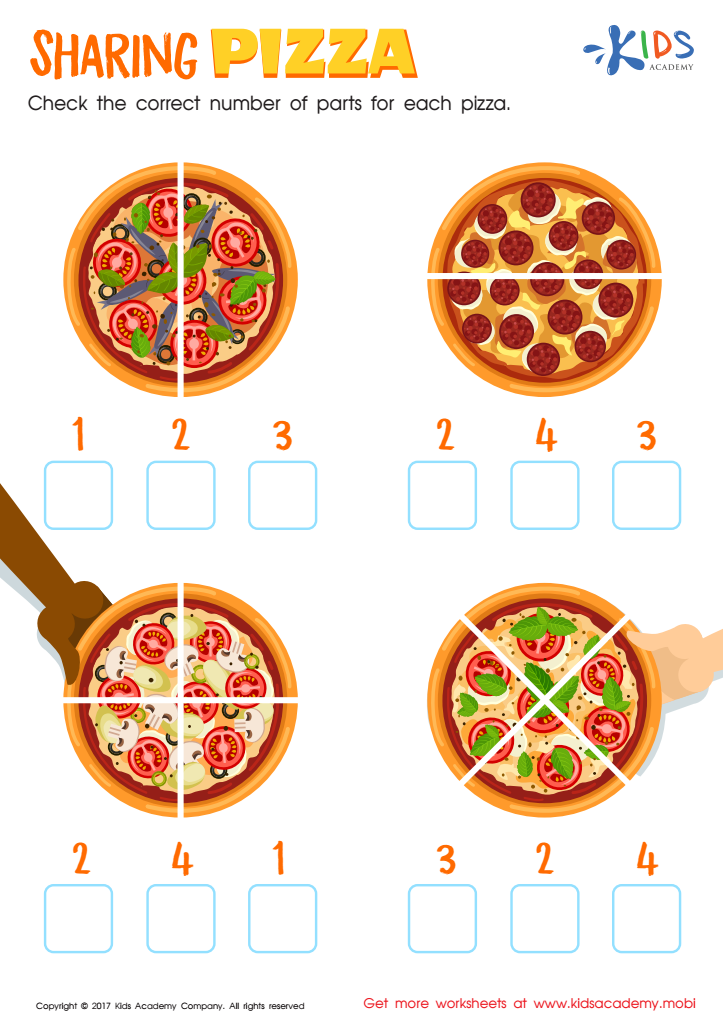
Sharing Pizza Worksheet
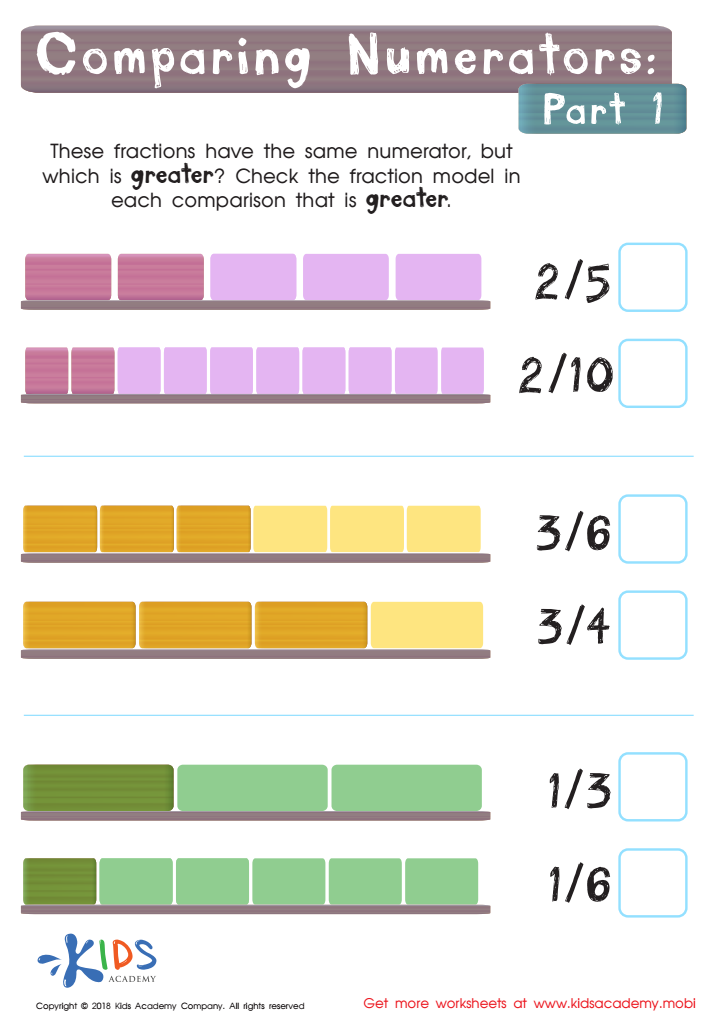
Comparing Numerators Part 1 Worksheet








Understanding fractions and comparing numbers is crucial for children aged 6-8, as it forms the foundation for their mathematical development and everyday life skills. At this age, children are beginning to grasp concepts of quantity and proportion, which are key to comprehending more complex math in later years. Fractions introduce the idea of parts of a whole, helping children understand sharing, dividing, and measuring in a tangible way.
Parents and teachers should care about this topic because a solid grasp of fractions helps with strengthening critical thinking and problem-solving skills. It also supports their ability to perform operations like addition and subtraction with more complex numbers in higher grades.
Moreover, understanding how to compare numbers fosters a sense of numerical literacy, enabling children to make informed decisions in real-world contexts, such as managing time, money, and resources. Engaging with fractions and number comparisons can also enrich conversations in the classroom or at home, promoting a collaborative learning environment.
Lastly, by nurturing these essential skills early on, educators and parents can boost children's confidence in math, setting them up for future academic success and encouraging a positive attitude towards learning.








