Problem-Solving Skills Counting Worksheets for Ages 6-8
4 filtered results
-
From - To
Discover engaging Problem-Solving Skills Counting Worksheets designed for children aged 6-8! These worksheets promote critical thinking and reinforce counting concepts through fun and interactive exercises. Your young learners will enhance their problem-solving abilities while practicing essential math skills such as addition, subtraction, and number recognition. Our carefully crafted activities foster a love for learning, encouraging students to approach challenges with confidence. Whether at home or in the classroom, these worksheets provide a valuable resource for educators and parents alike. Help your child excel in their math journey while building a solid foundation in problem-solving. Explore our collection today!
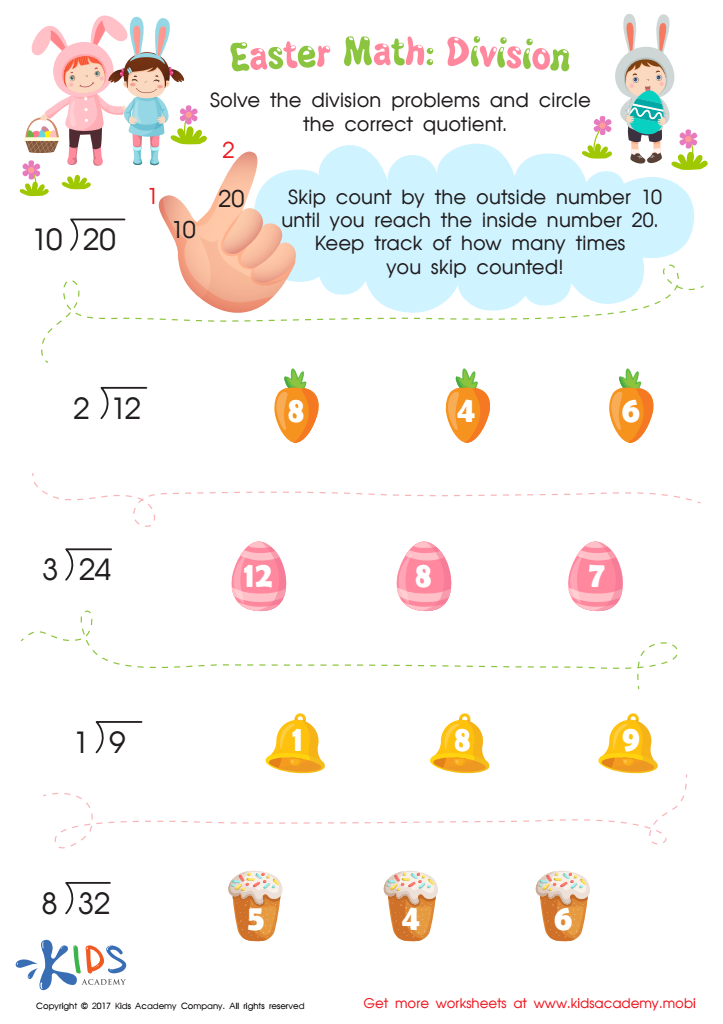
Division Worksheet
 Assign to My Students




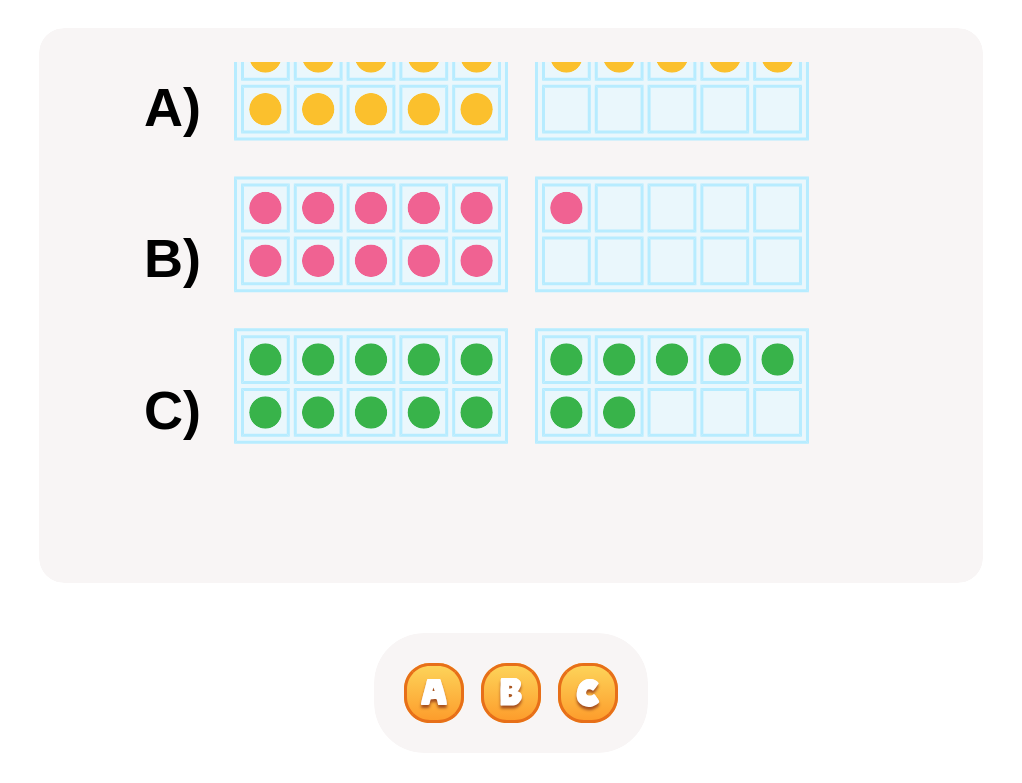


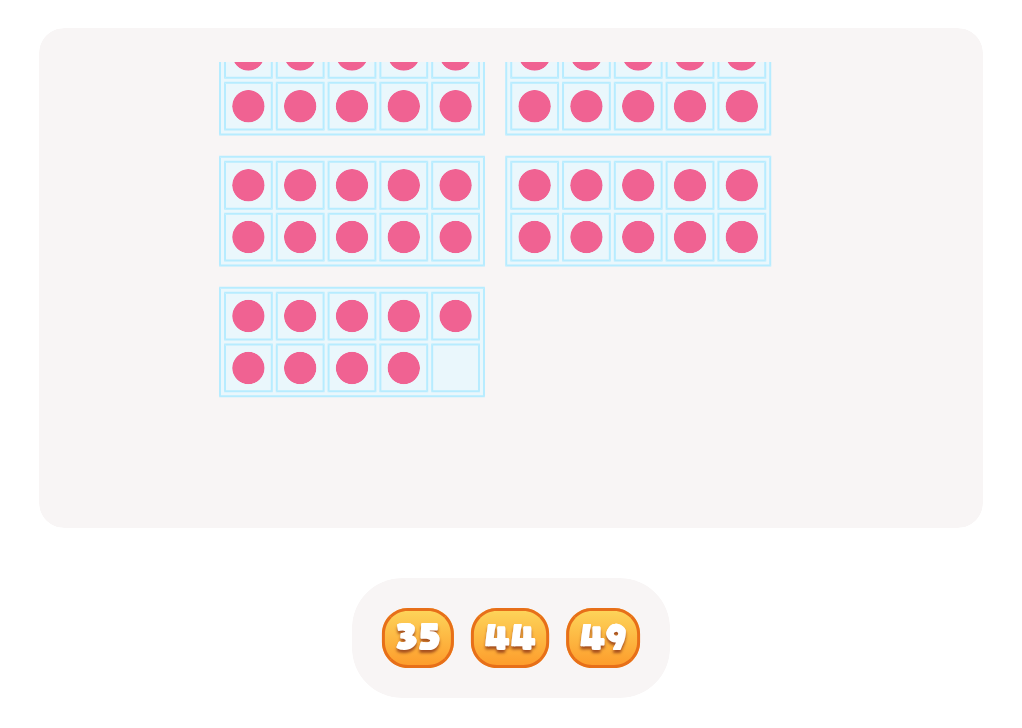

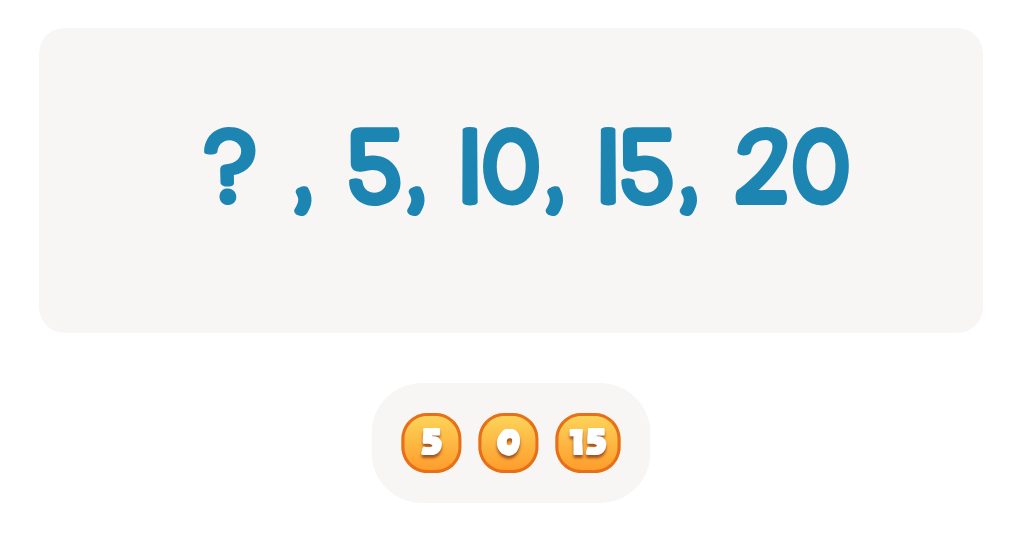

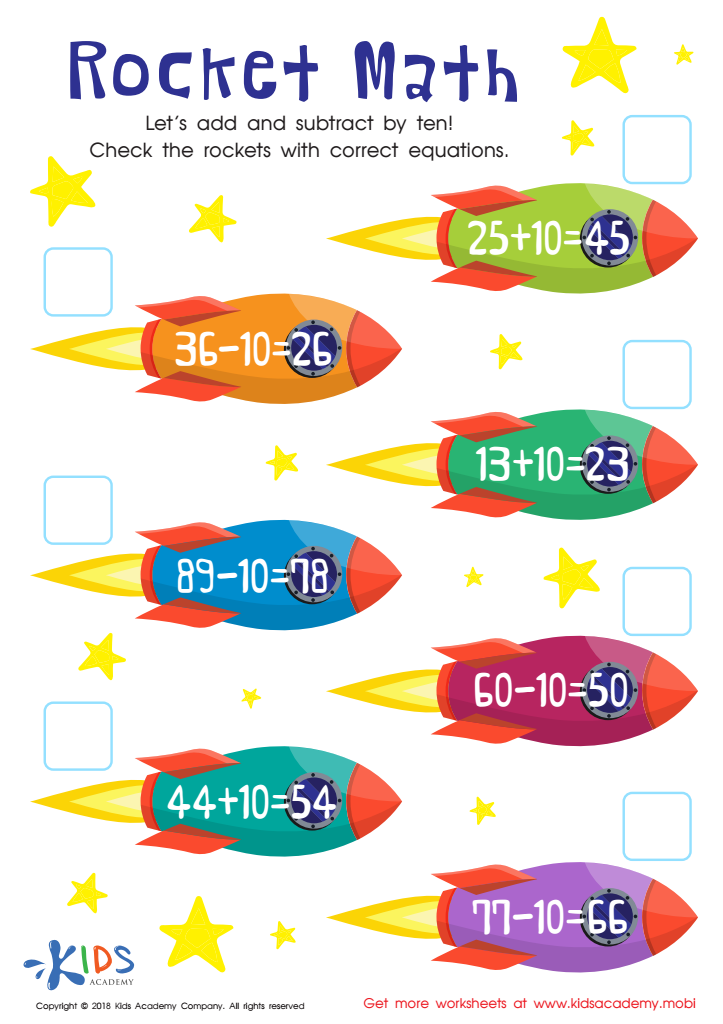
Rocket Math Worksheet
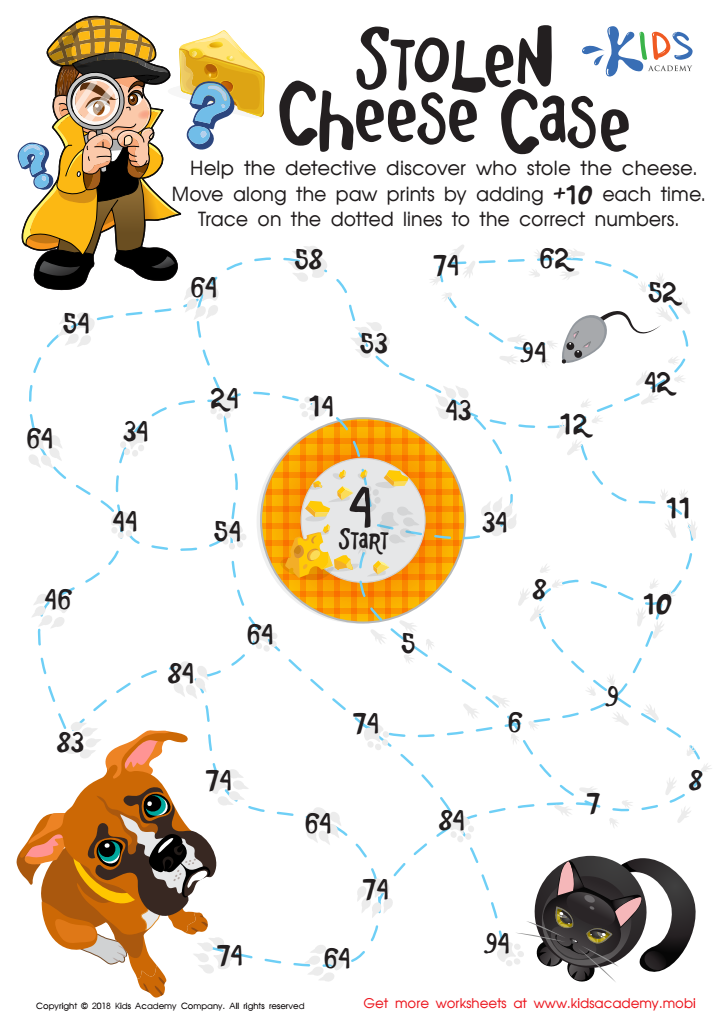
Stolen Cheese Case Maze Worksheet
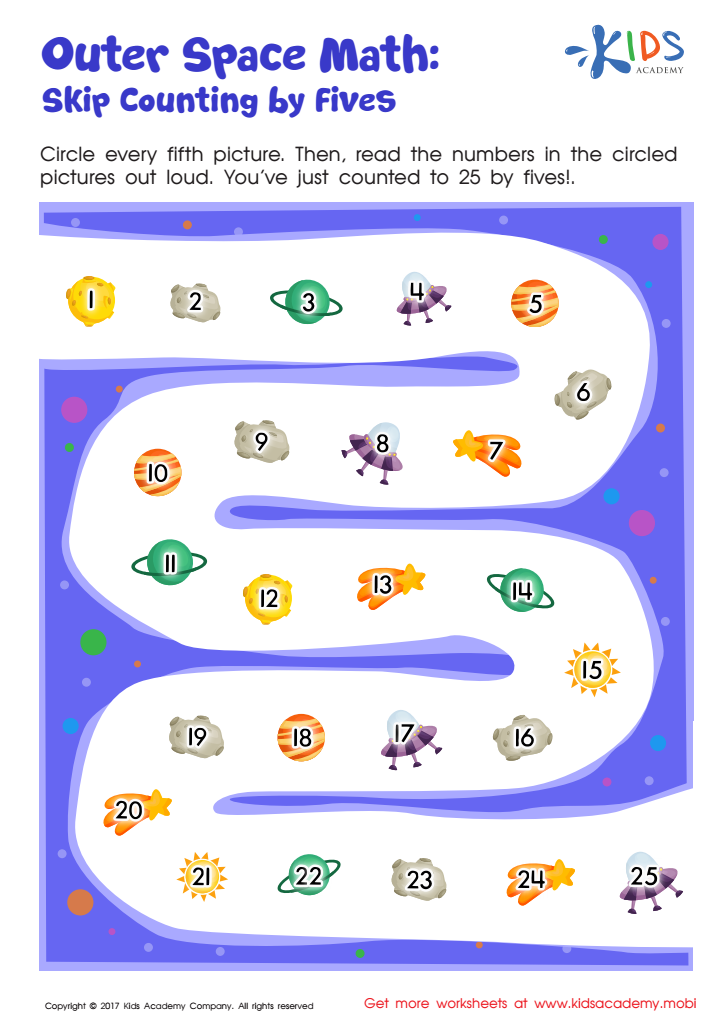
Skip Counting by 5s: Outer Space Math Printable




%20(1).jpg)



Parents and teachers should prioritize problem-solving skills counting for children aged 6-8 because these foundational abilities play a vital role in academic success and everyday life. During this developmental stage, children are naturally curious and eager to understand the world around them. By fostering problem-solving skills in counting, educators and caregivers empower children to think critically, make connections, and approach challenges with confidence.
Counting involves not only basic numeral recognition and sequence but also enhances children’s abilities to reason and analyze situations. As they engage in counting activities, students learn to identify patterns, gradually building their mathematical understanding, which is essential for subjects like mathematics and science later on. Additionally, these skills stimulate cognitive development by encouraging kids to experiment, test their ideas, and derive solutions on their own.
Moreover, problem-solving in counting supports emotional growth by promoting resilience; children learn to navigate mistakes and view challenges as opportunities for learning. This approach builds a growth mindset, essential for lifelong learning. Therefore, investing time in developing problem-solving skills through counting not only enriches the educational experience but also equips children with critical tools that extend far beyond the classroom, fostering capable and adaptable individuals.








