Reading comprehension Geometry Worksheets for Ages 6-8
6 filtered results
-
From - To
Boost your child's learning with our Reading Comprehension Geometry Worksheets for ages 6-8! Designed to enhance understanding of basic geometric concepts, these worksheets combine engaging readings with geometry exercises. Children will explore shapes, sizes, and spatial awareness while practicing critical reading skills essential for their academic growth. Each worksheet features age-appropriate content, vibrant visuals, and interactive questions to make learning fun and effective. Ideal for classroom use or home learning, these resources support foundational mathematics skills while fostering a love for reading. Equip your young learners with essential tools for success with our carefully crafted geometry worksheets today!
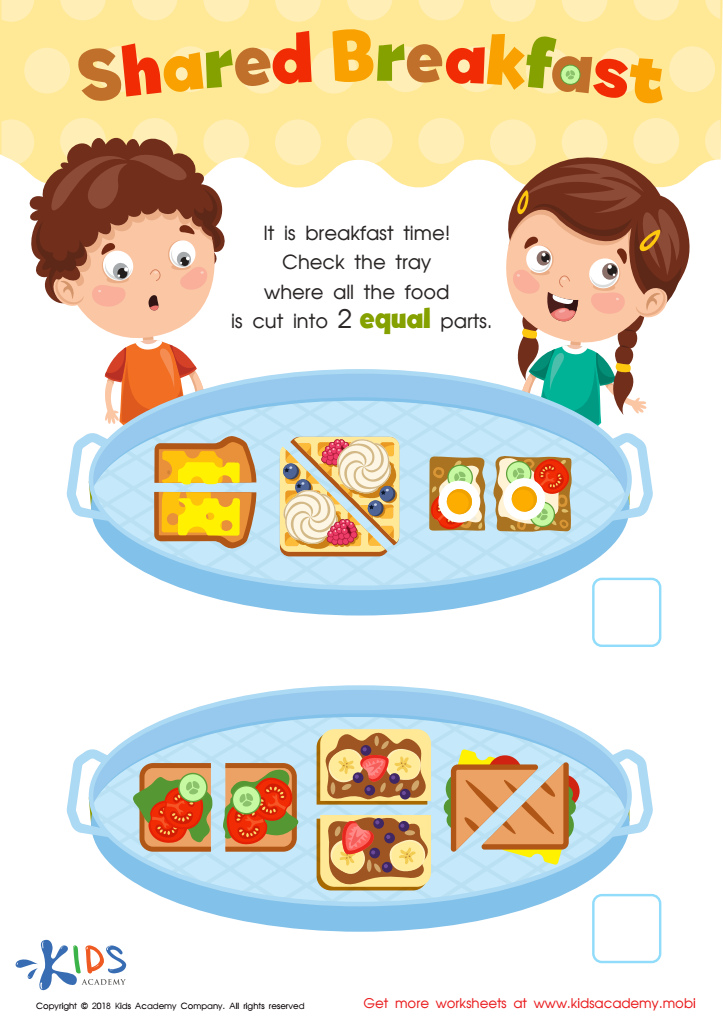
Shared Breakfast Worksheet
 Assign to My Students











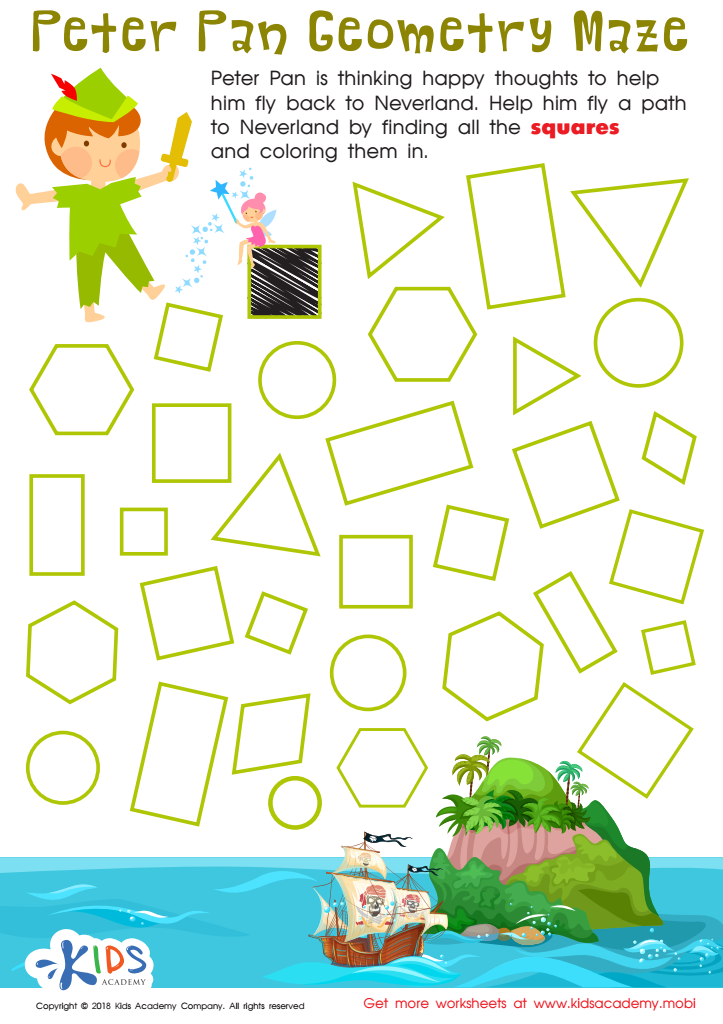
Peter Pan Worksheet
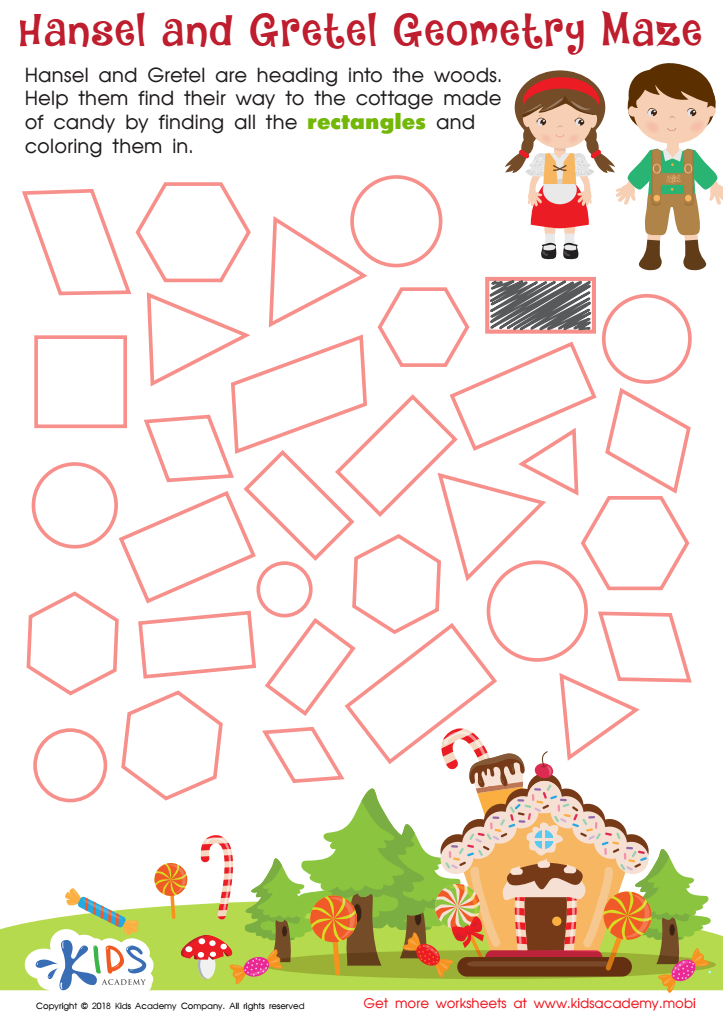
Hansel and Gretel Geometry Maze Worksheet
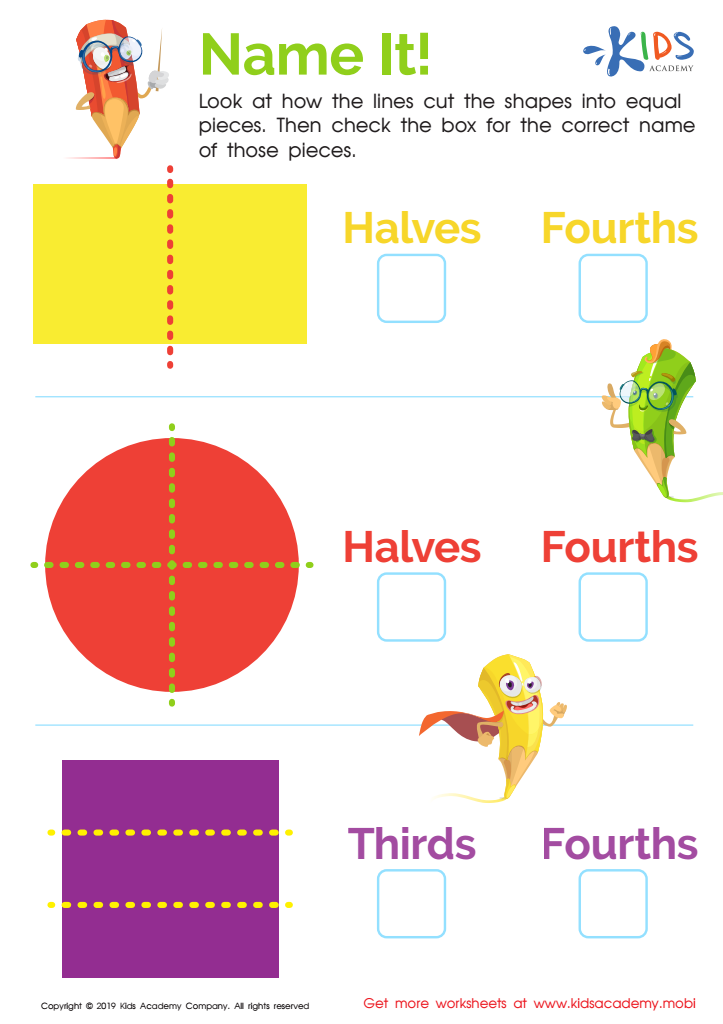
Name It! Worksheet
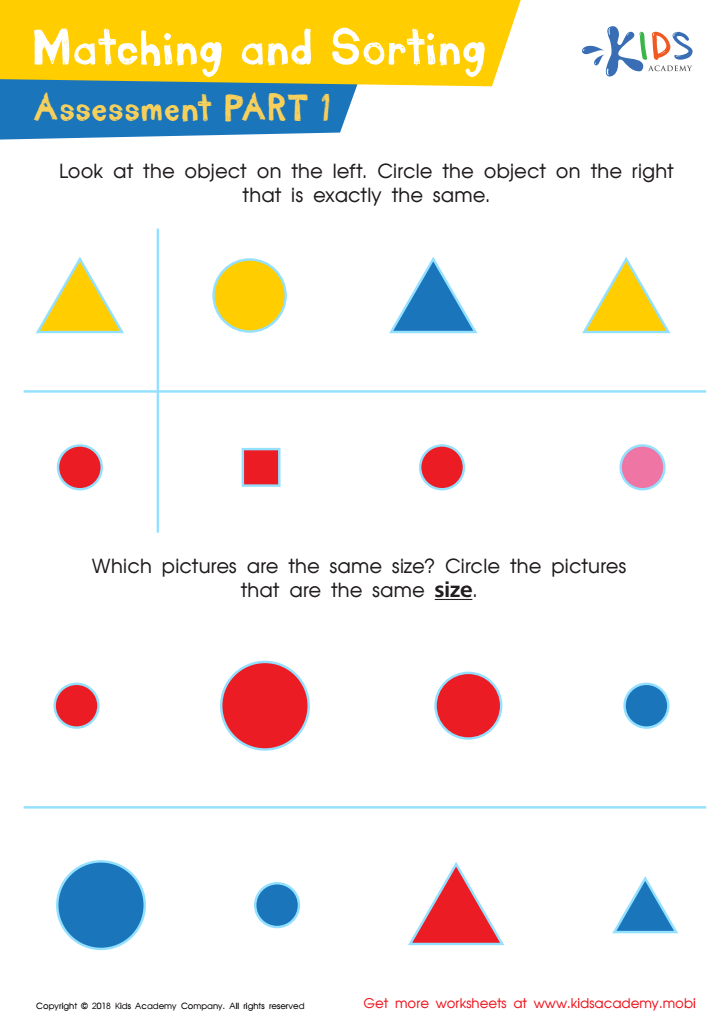
Matching and Sorting for Kindergarten: Assessment 1 Worksheet
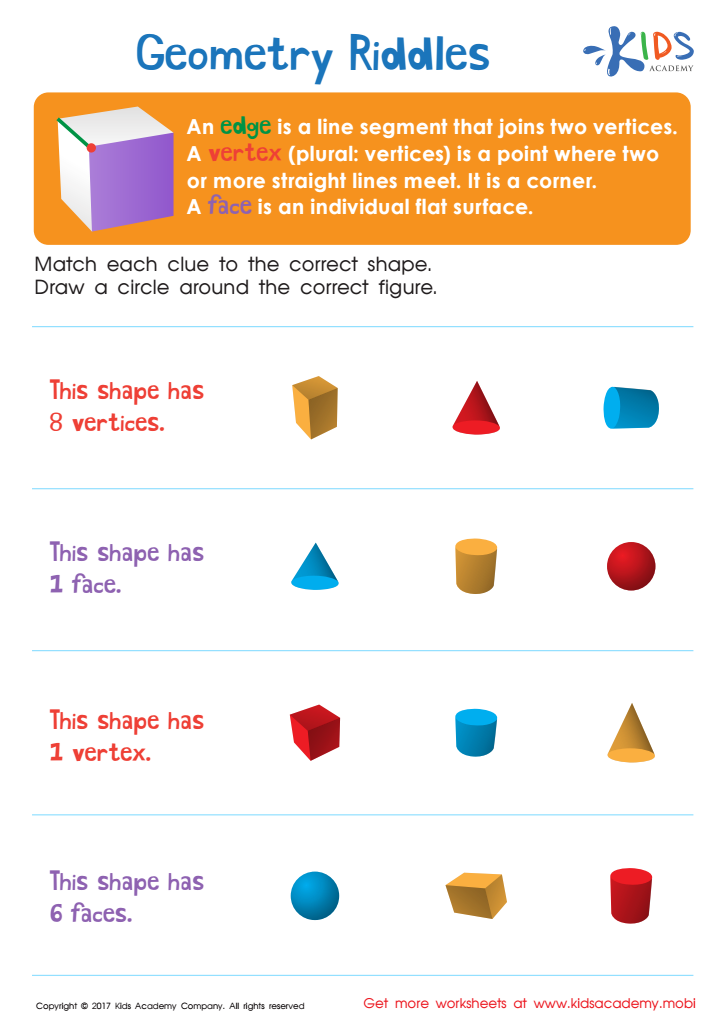
Geometry Riddles Printable








Reading comprehension and geometry are both vital components of a child's education, especially for ages 6-8. At this stage, children are developing foundational skills that will impact their future learning and academic success. Understanding geometry fosters critical thinking and spatial awareness, enabling children to navigate the world around them.
Teachers and parents should care about reading comprehension in relation to geometry because it enhances children's ability to grasp complex concepts. By integrating reading with geometry, children learn not only to solve problems but also to interpret and analyze texts that describe shapes, space, measurements, and relationships. This combination promotes cognitive development, allowing children to articulate their understanding effectively.
Moreover, reading comprehension skills empower children to access a wider range of resources. The ability to decode instructions or problems found in textbooks sets the stage for successful independent learning. As children learn to visualize geometric concepts through reading, they develop a greater appreciation for math and its applications, fostering a more positive attitude toward the subject.
Ultimately, nurturing reading comprehension alongside geometry equips children with essential life skills, boosts their confidence, and lays a strong foundation for future academic achievements in math and related fields.








