Basic counting skills Numbers Worksheets for Ages 6-8
12 filtered results
-
From - To
Our "Basic Counting Skills Numbers Worksheets for Ages 6-8" provide a fun and engaging way for young learners to strengthen their fundamental math abilities. Designed specifically for early elementary grades, these worksheets cover diverse counting exercises that help children practice number recognition, sequencing, and simple arithmetic. Each printable worksheet features colorful illustrations and interactive activities, making learning enjoyable. Ideal for both classroom and home use, these resources support parents and teachers in developing children's confidence with numbers, setting a strong foundation for future math success. Discover the joy of learning with our expertly crafted counting worksheets!
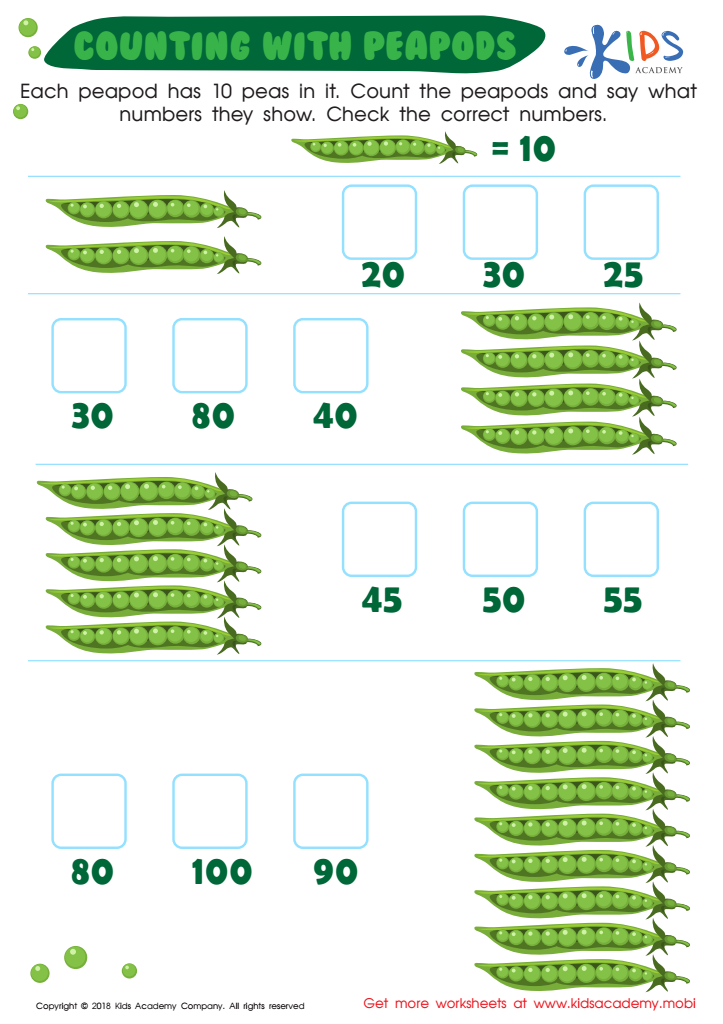
Number Worksheet: Counting With Peapods
 Assign to My Students
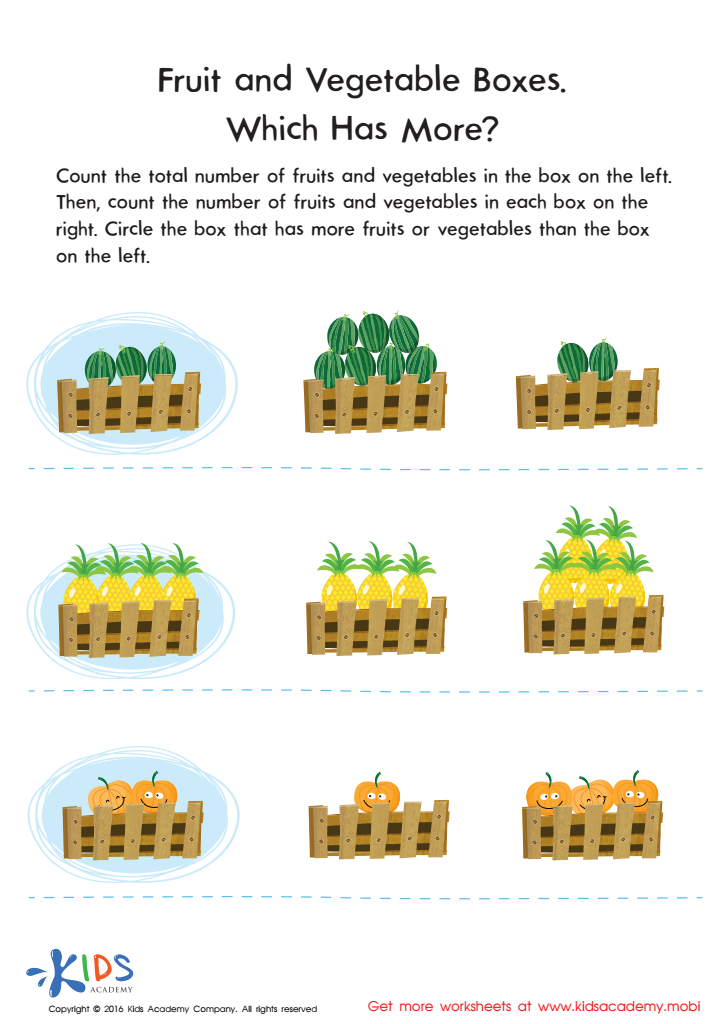
Which Has More? Size Worksheet
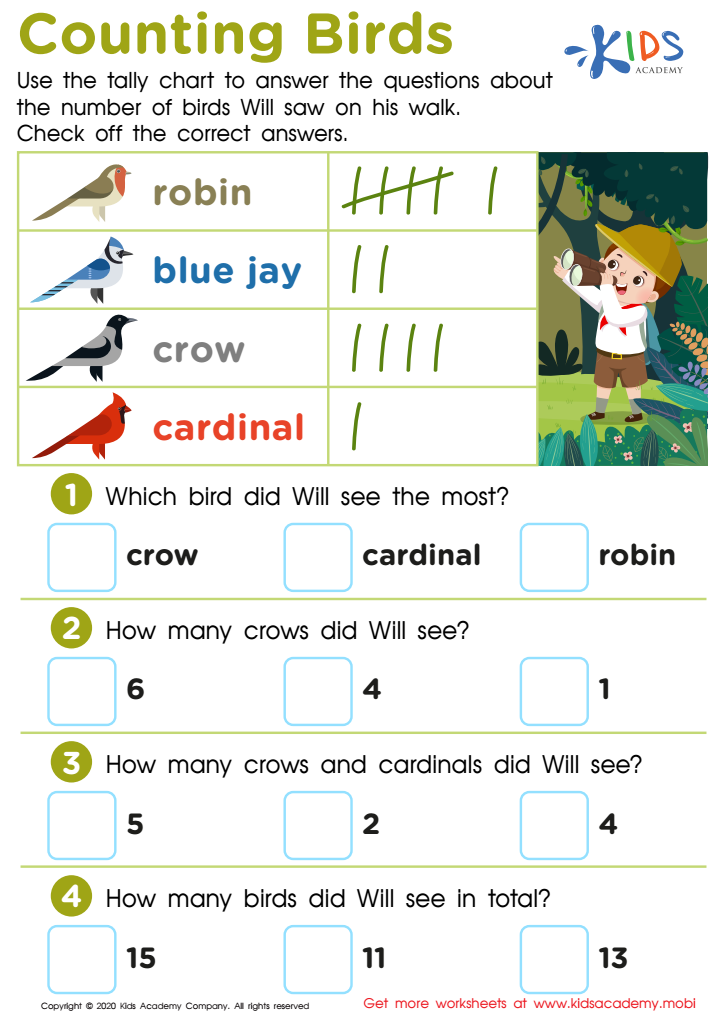
Counting Birds Worksheet
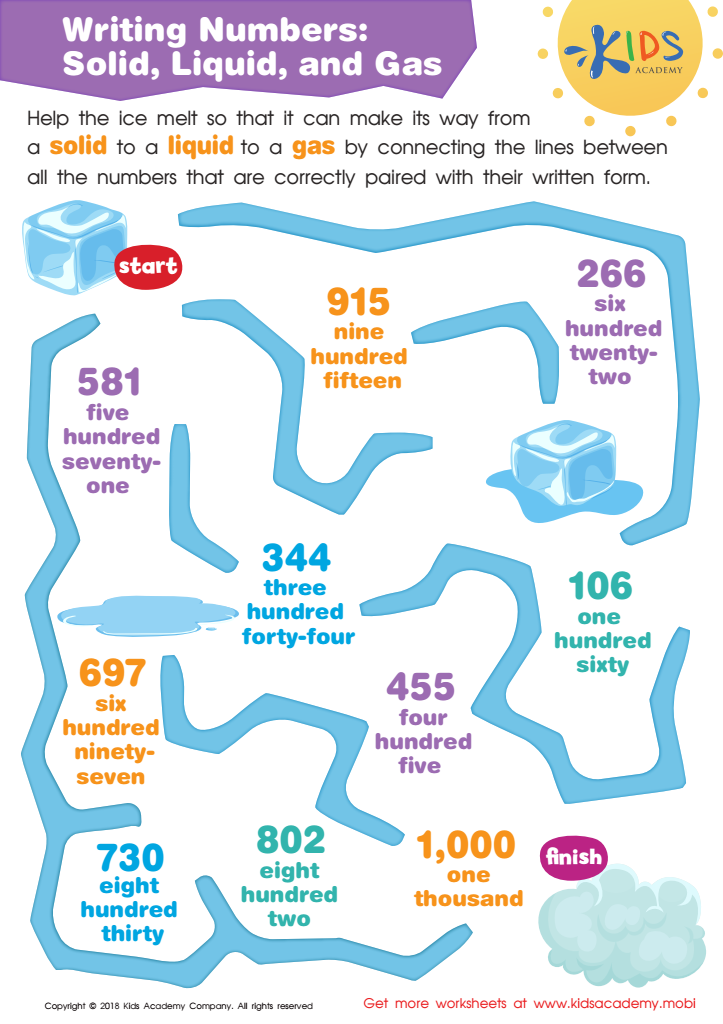
Solid, Liquid, and Gas Writing Numbers Worksheet
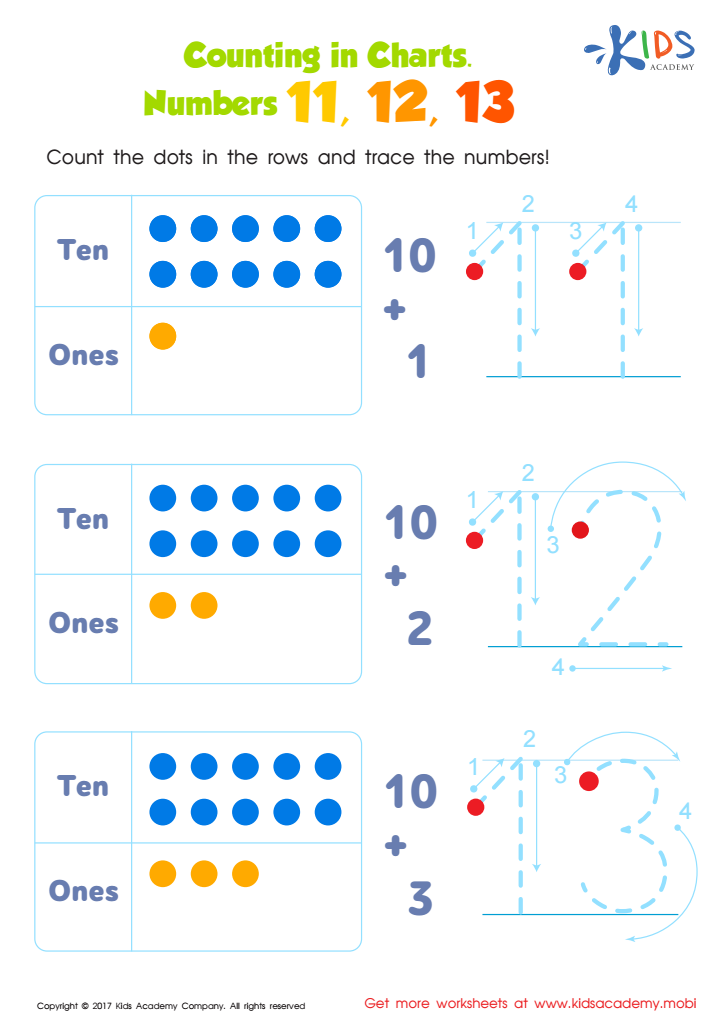
Number Tracing Worksheet For Kindergarten
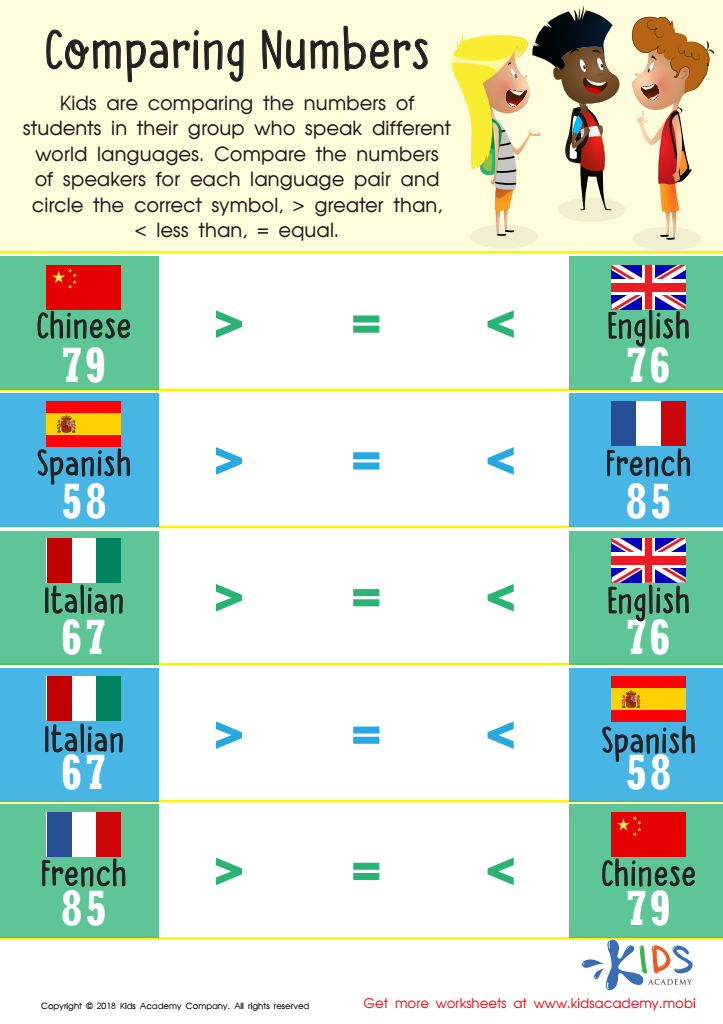
Comparing Numbers Worksheet for 1st Grade
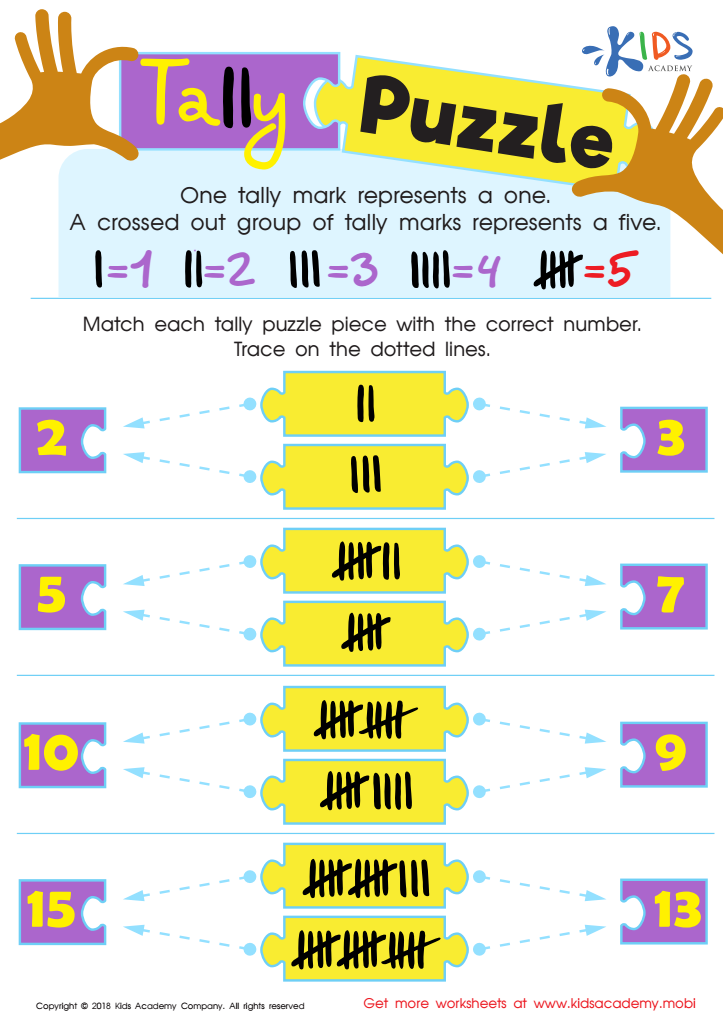
Tally Puzzle Worksheet
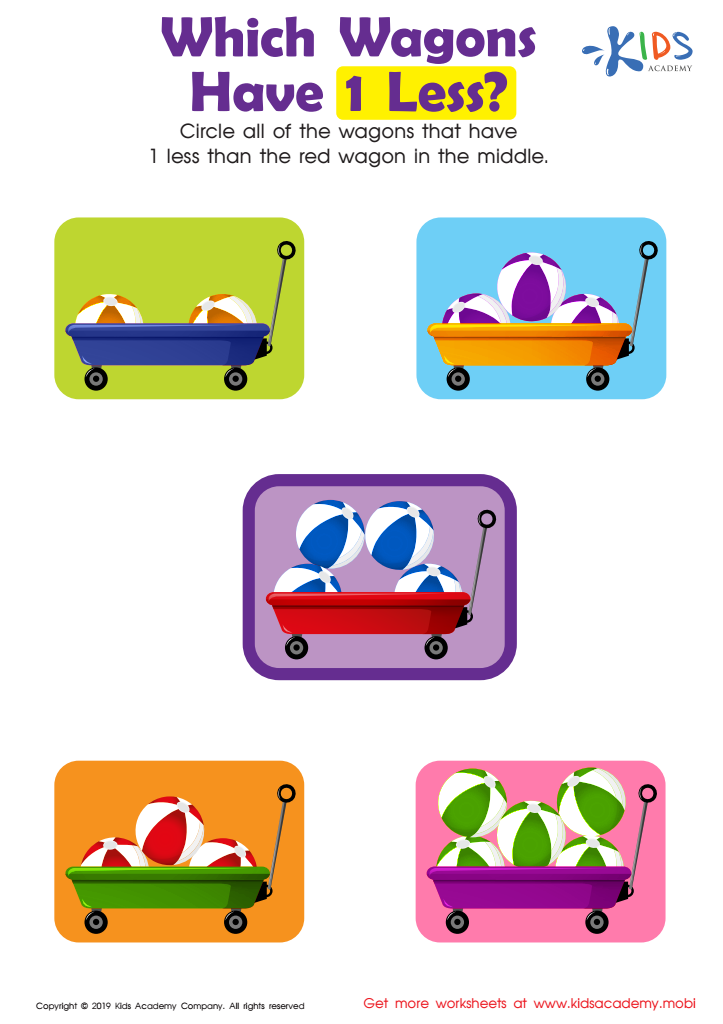
Which Wagons Have 1 Less? Worksheet
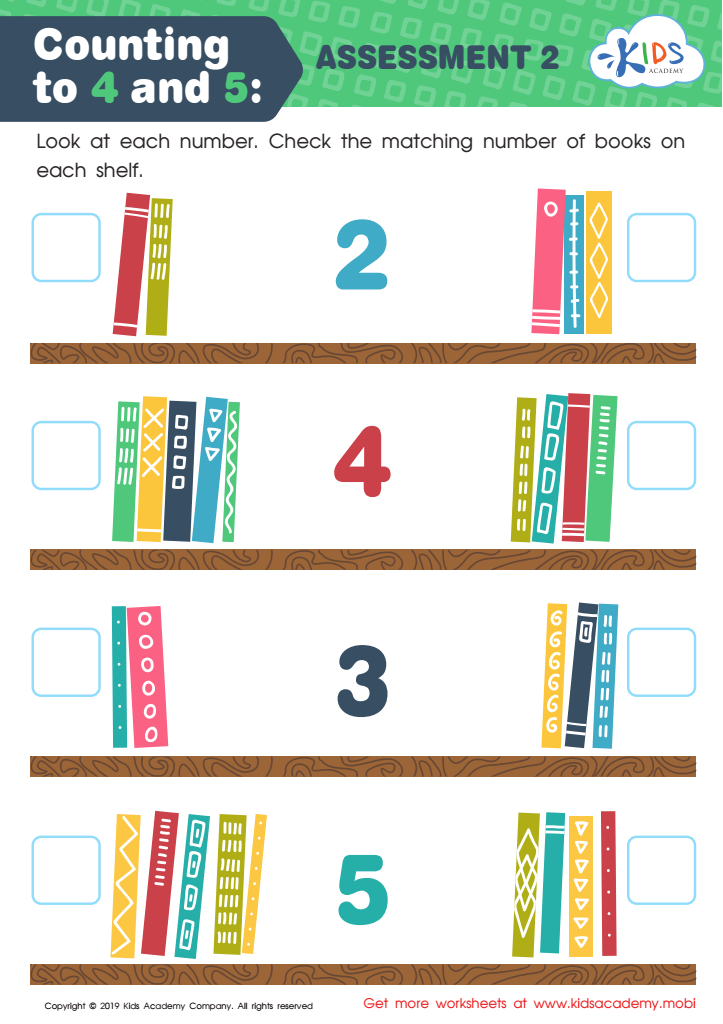
Counting to 4 and 5: Assessment 2 Worksheet
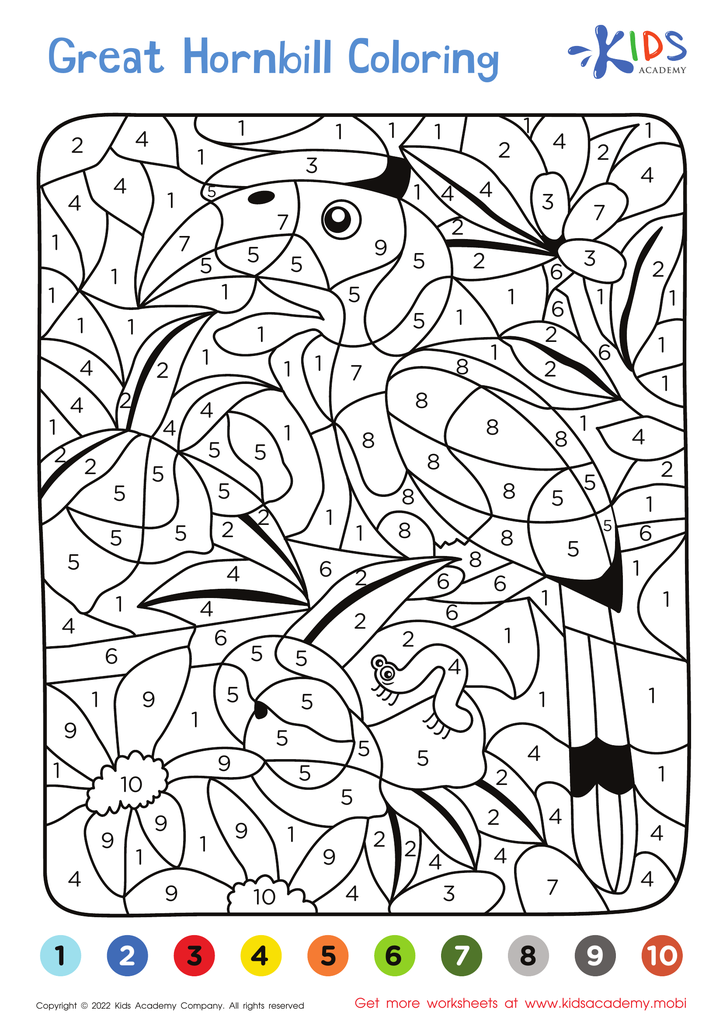
Great Hornbill – Coloring by Numbers
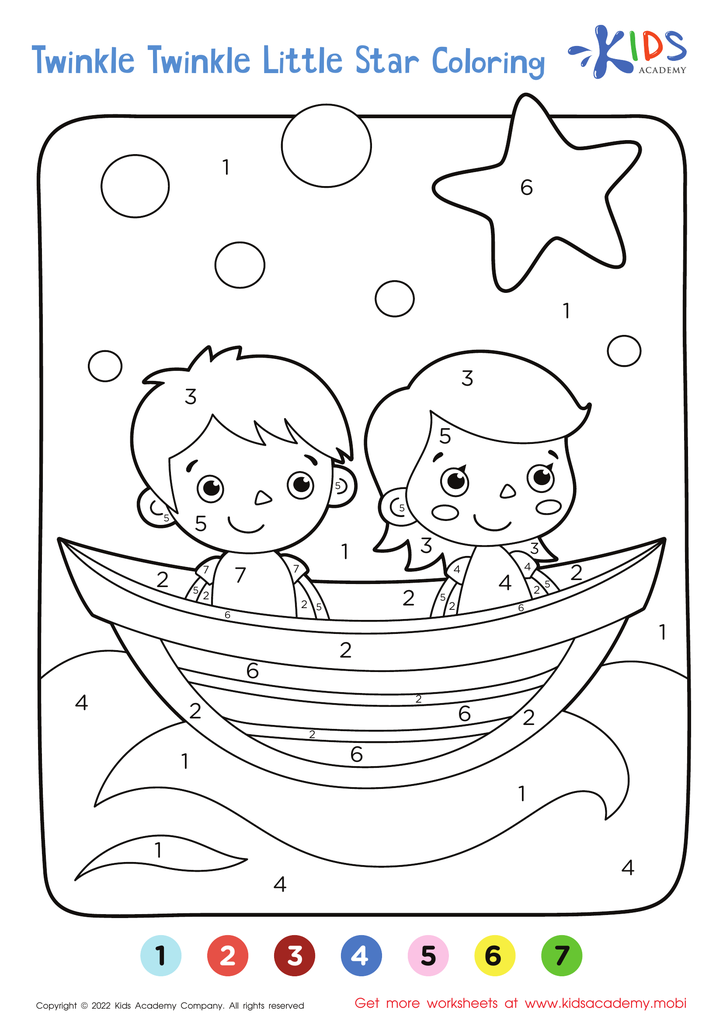
Twinkle, Twinkle, Little Star – Coloring by Numbers
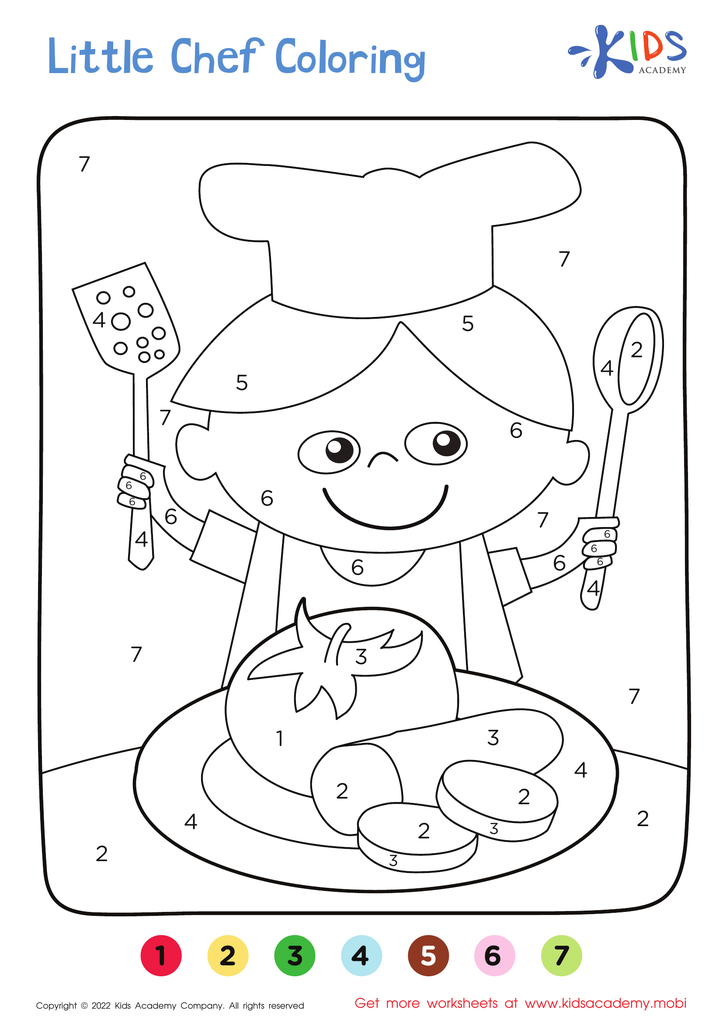
Little Chef – Coloring by Numbers








Developing basic counting skills for children aged 6-8 is crucial because it serves as the foundation for all future mathematical learning. For starters, mastering counting helps young learners understand the concept of quantity and number relationships, which are essential for higher-order math skills. At this age, students are naturally curious and capable of absorbing new concepts, making it an optimal time to solidify these fundamental skills.
Moreover, numerical fluency is intertwined with daily life skills. Whether it's telling time, handling money, or measuring ingredients in a recipe, counting ensures children are better equipped for real-world situations. This fosters a sense of independence and practical problem-solving abilities, boosting their confidence.
Basic counting also enhances cognitive development, including memory and problem-solving skills. As children memorize number sequences and learn to skip count, they develop mental discipline and attention to detail.
Additionally, early proficiency in counting sets the stage for a positive attitude toward math. Struggling with basic math concepts at a young age can lead to frustration and math anxiety, hindering future academic performance and confidence.
Therefore, parents and teachers should place a strong emphasis on nurturing these skills through engaging and supportive practices, enabling children to build a solid mathematical foundation for their education and everyday lives.








