Data interpretation Numbers Worksheets for Ages 6-8
5 filtered results
-
From - To
Unlock the world of numbers with engaging Data Interpretation Numbers Worksheets designed for ages 6-8! At Kids Academy, we offer printable worksheets that transform data analysis into an exciting adventure. Our expertly-designed materials help young learners grasp essential math skills, including reading graphs, interpreting tables, and making sense of visual data. Each worksheet features fun, colorful images and age-appropriate challenges that make learning enjoyable and interactive. Perfect for building a strong foundation in math, these exercises foster critical thinking and problem-solving abilities. Visit Kids Academy to support your child's educational journey with our captivating and educational worksheets!
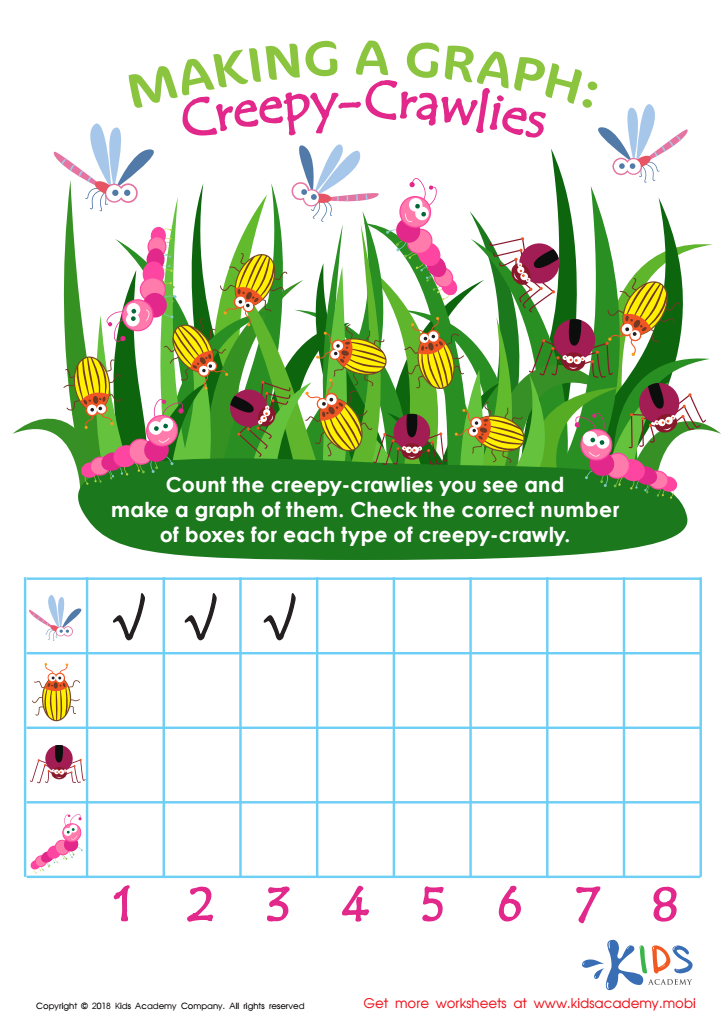
Making a Graph: Creepy Crawlies Worksheet
 Assign to My Students
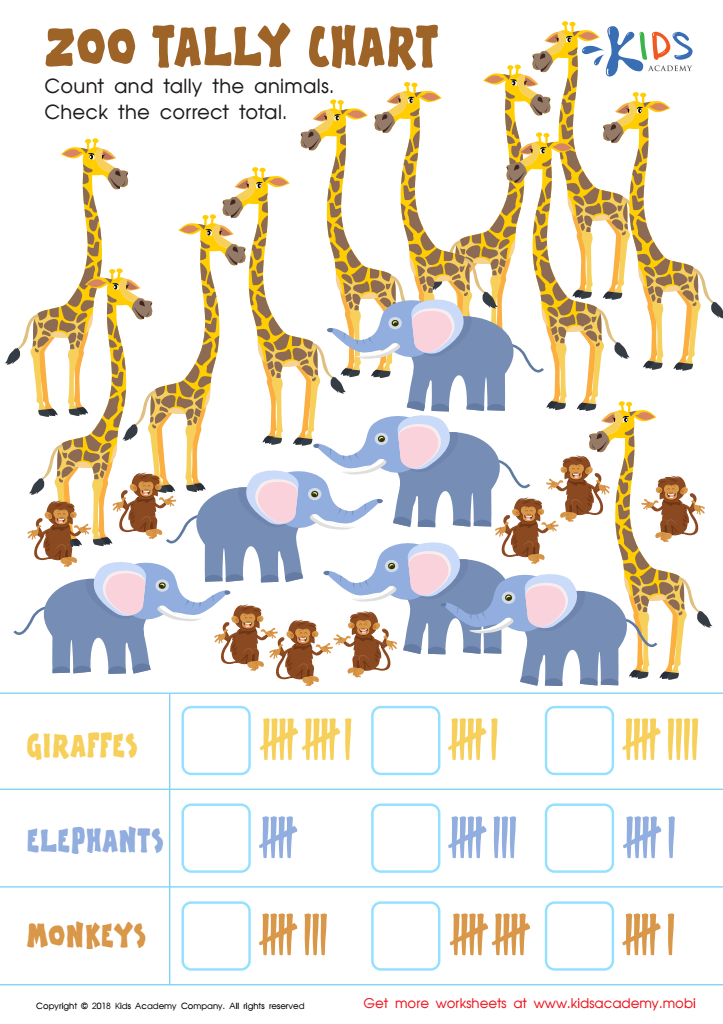
Zoo Tally Chart Worksheet

Pets Tally Chart Worksheet

Santa Tally Chart Worksheet
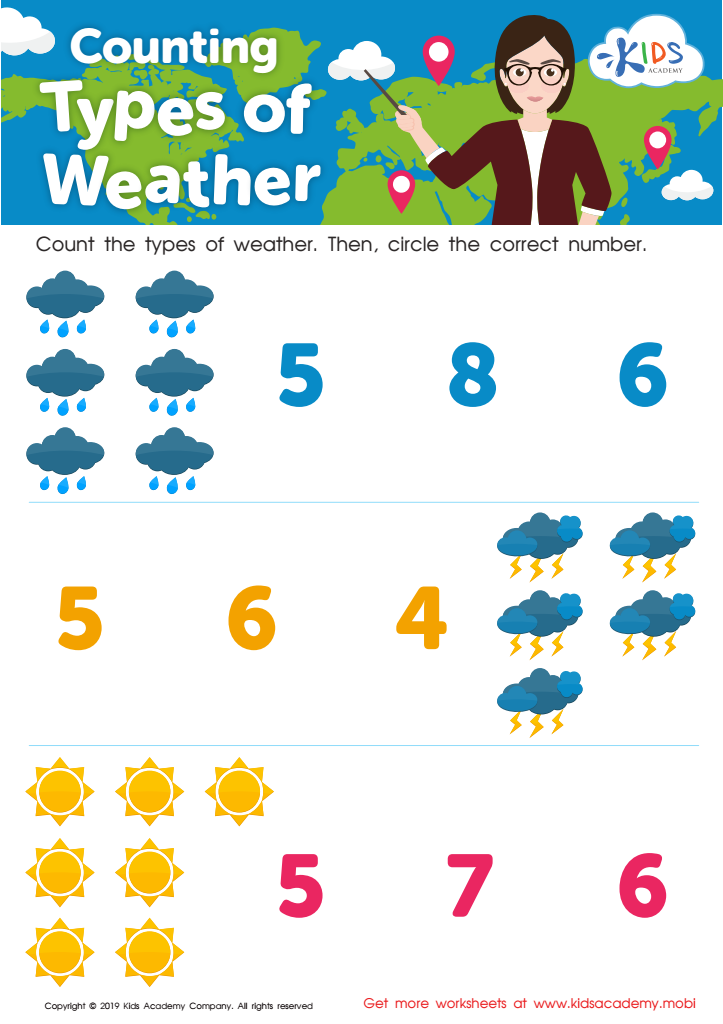
Counting Types of Weather Worksheet








Understanding data interpretation with numbers is a crucial skill for children aged 6-8, offering both immediate and long-term benefits. Firstly, this foundational skill aids in developing critical thinking. When children learn to process and analyze data, they don't just see numbers; they understand what those numbers represent in the real world. This nurtures a sense of curiosity and analytical skills which are essential for their academic growth.
Secondly, data interpretation is deeply integrated into the school curriculum. It supports learning in subjects like math and science, providing a practical application for mathematical concepts, making these subjects more engaging and less intimidating. For instance, when children learn to interpret a simple chart or graph, they grasp the importance of numbers in everyday decision-making, such as comparing quantities or understanding trends.
Moreover, these skills are valuable beyond academics. In an increasingly data-driven world, the ability to understand and interpret data is vital. Denying children early exposure risks hampering their future problem-solving and decision-making abilities. It empowers them to be informed, balanced, and critical thinkers from a young age.
Encouraging data interpretation for young children isn’t just about improving their math skills—it's about preparing them for a future where data-led decision-making is key. This sets a strong foundation for both their personal growth and future professional success.








