Learning addition Numbers Worksheets for Ages 6-8
4 filtered results
-
From - To
Unlock the power of numbers with our "Learning Addition Numbers Worksheets for Ages 6-8"! Perfectly tailored for young learners, these interactive worksheets turn early math into an engaging adventure. Designed to strengthen essential addition skills, they promote counting fluency, problem-solving, and number recognition. The colorful, fun exercises are ideal for classroom or home use, providing endless opportunities for children to practice and improve their math abilities. Help your child build a solid foundation in mathematics and inspire a lifelong love for learning. Start exploring today and watch their confidence and skills grow!
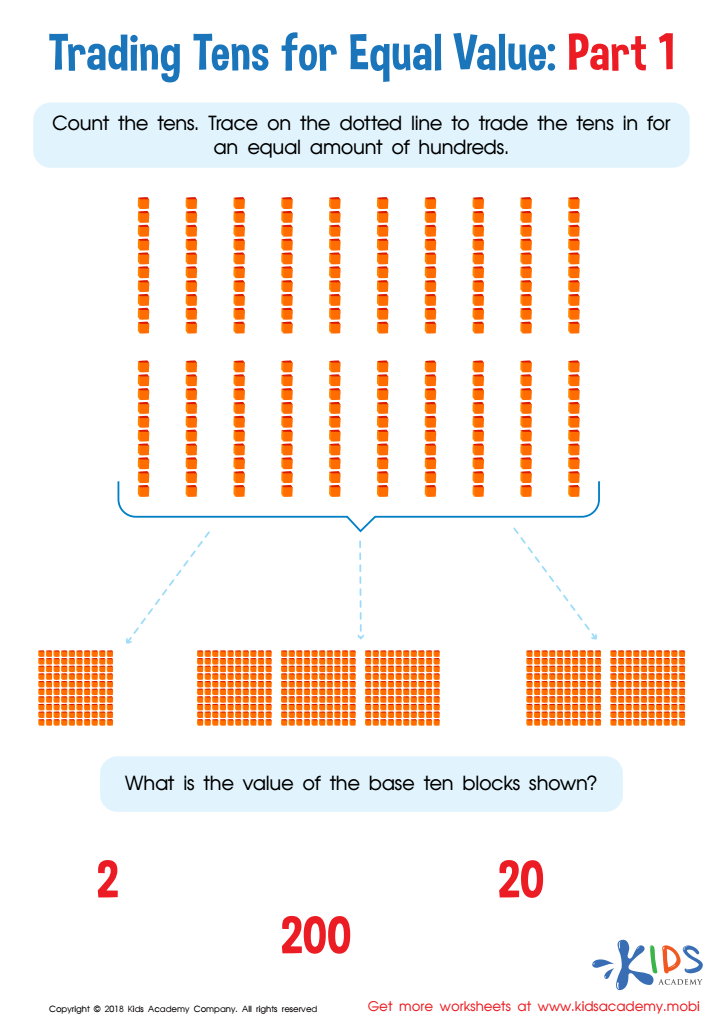
Trading Tens for Equal Value Worksheet: Part 1
 Assign to My Students
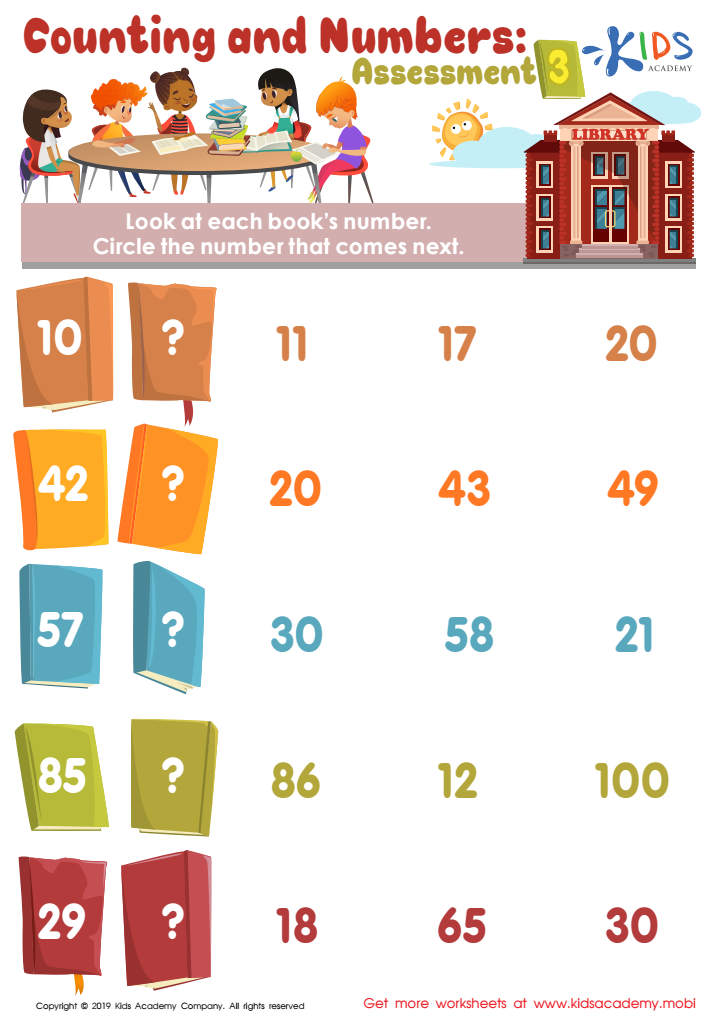
Counting and Numbers: Assessment Worksheet
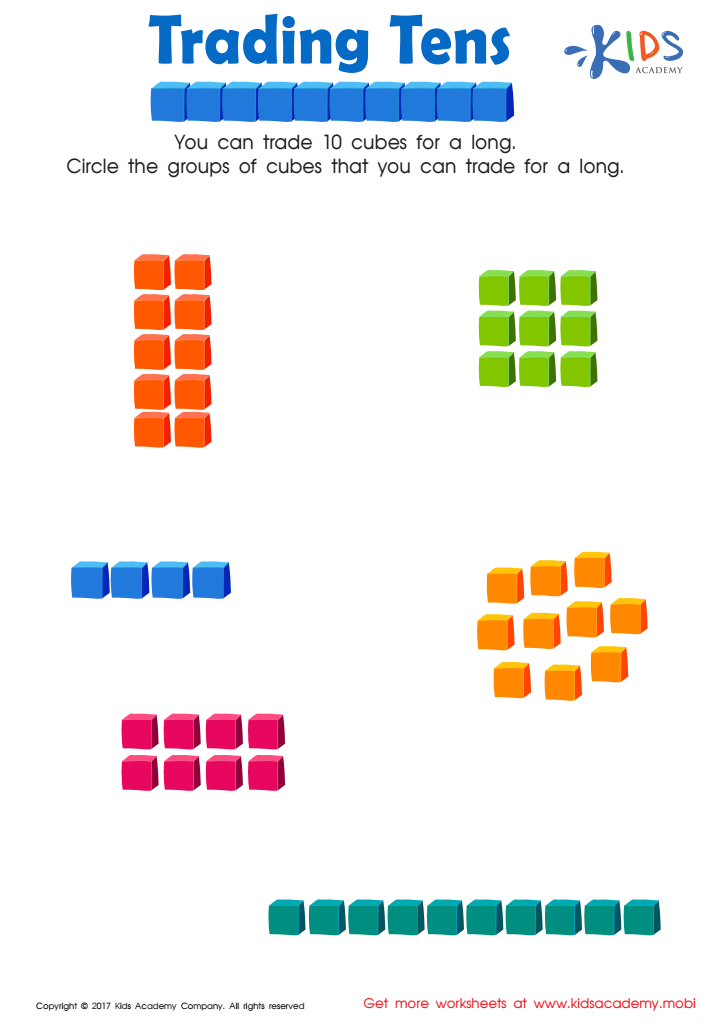
Trading Tens Worksheet
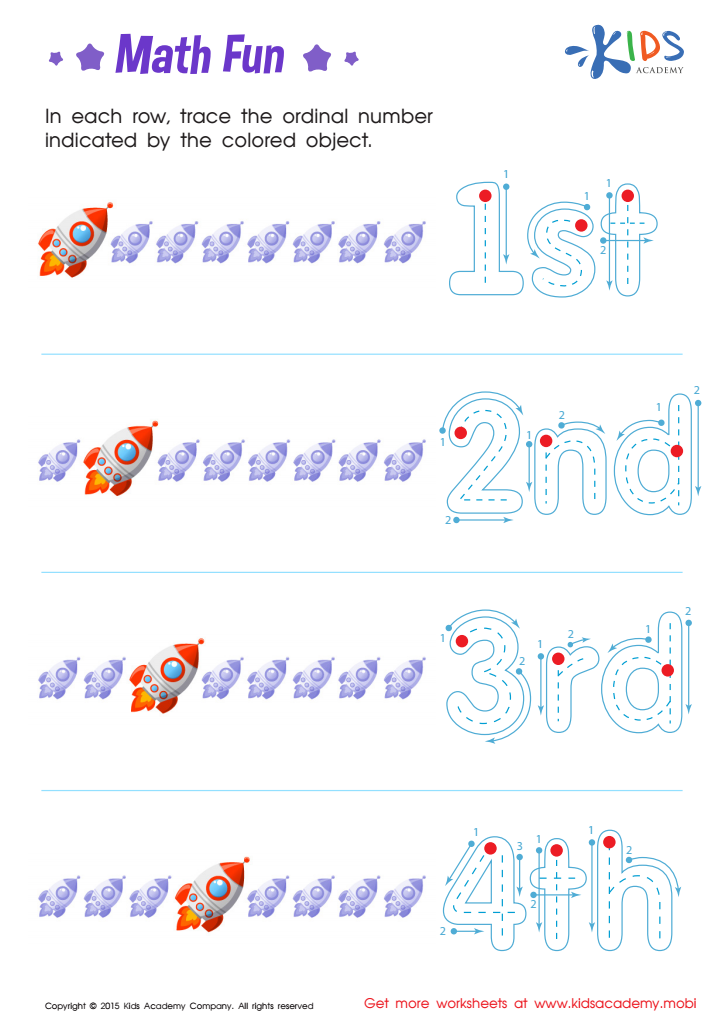
Ordinal Numbers: Math Fun Worksheet






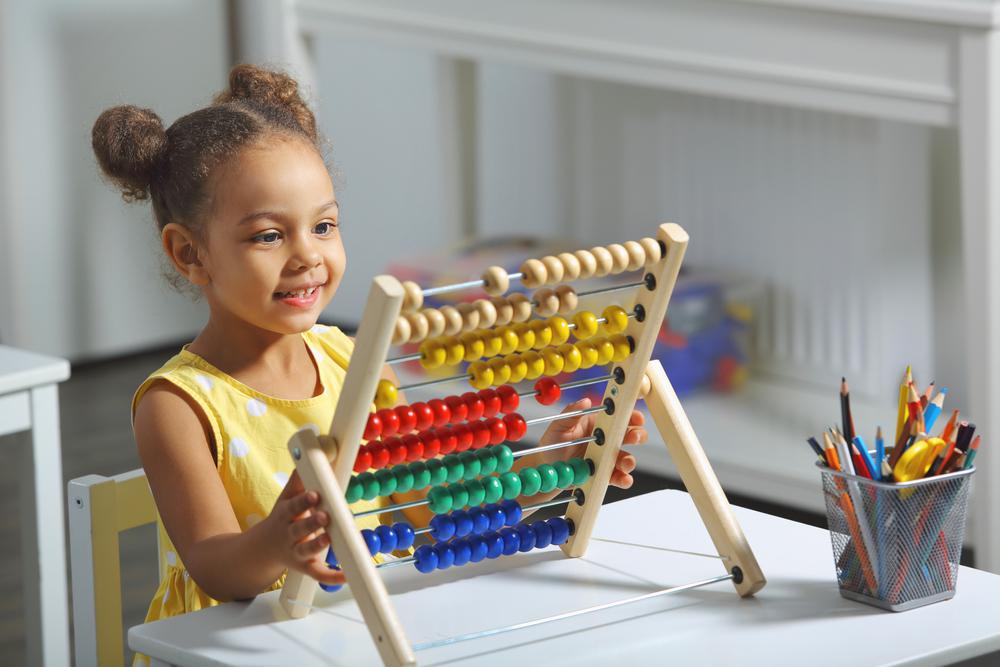
Teaching children aged 6-8 the fundamentals of addition is crucial for several reasons. First and foremost, addition is a building block for all other mathematical concepts. Visualizing and understanding numbers and their relationships at an early age sets the stage for more complex operations like subtraction, multiplication, and division.
Beyond math, learning addition fosters critical thinking and problem-solving skills. By understanding how to add numbers, children develop an ability to break down problems into manageable parts, boosting their analytical skills which can be applied across various subjects and real-life situations.
Moreover, mastering addition boosts a child's confidence. Successfully tackling math challenges promotes a love for learning and increases self-esteem, encouraging them to tackle other subjects with enthusiasm.
Parental and teacher involvement is essential in this developmental stage. By showing that they value mathematics, adults teach children that these skills are important and useful. Interactive learning through games, activities, and practical applications further reinforces the concept, making math enjoyable rather than daunting.
Ultimately, ensuring children grasp addition adequately equips them with the skills and confidence required to succeed in their educational journeys and in life's many mathematical encounters. It lays a critical foundation for lifelong learning and intellectual growth.








