Logical Reasoning Numbers Worksheets for Ages 6-8
5 filtered results
-
From - To
Enhance your child's critical thinking and problem-solving skills with our "Logical Reasoning Numbers Worksheets for Ages 6-8". Designed by educational experts, these engaging worksheets help children develop logical reasoning through fun number-based activities. Kids will practice sequencing, pattern recognition, and simple equations, nurturing their mathematical and cognitive abilities. Ideal for classroom and home use, our worksheets offer diverse challenges that align with common core standards. Give your child a confident head start in math with structured, age-appropriate content that makes learning enjoyable and effective. Download now to support your child’s educational journey.
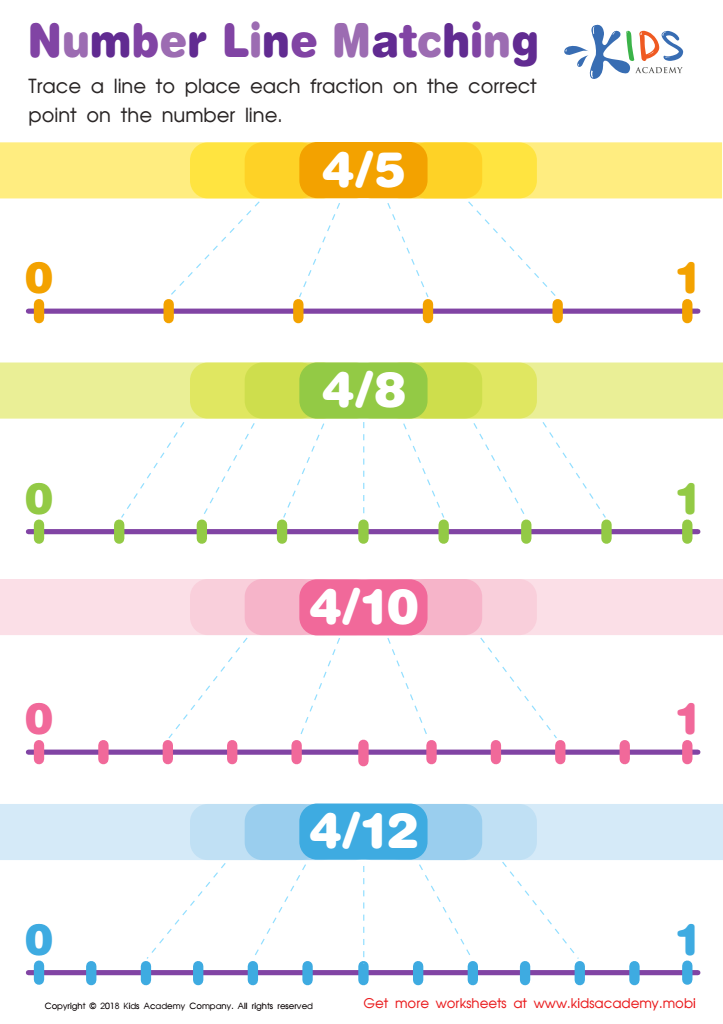
Number Line Matching Worksheet
 Assign to My Students
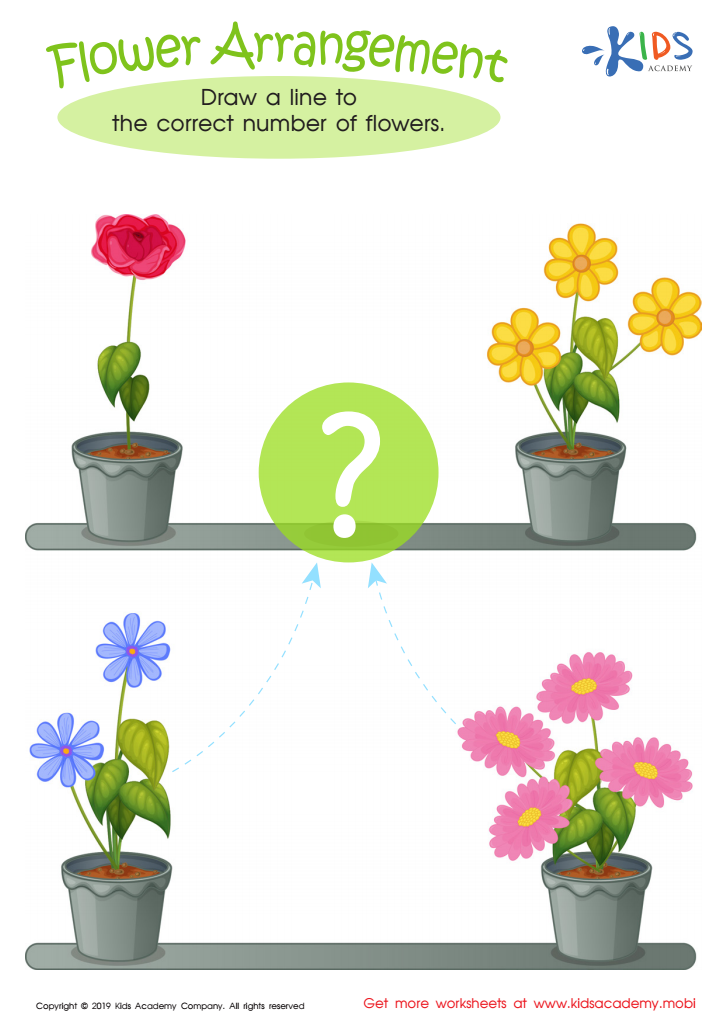
Flower Arrangement Worksheet
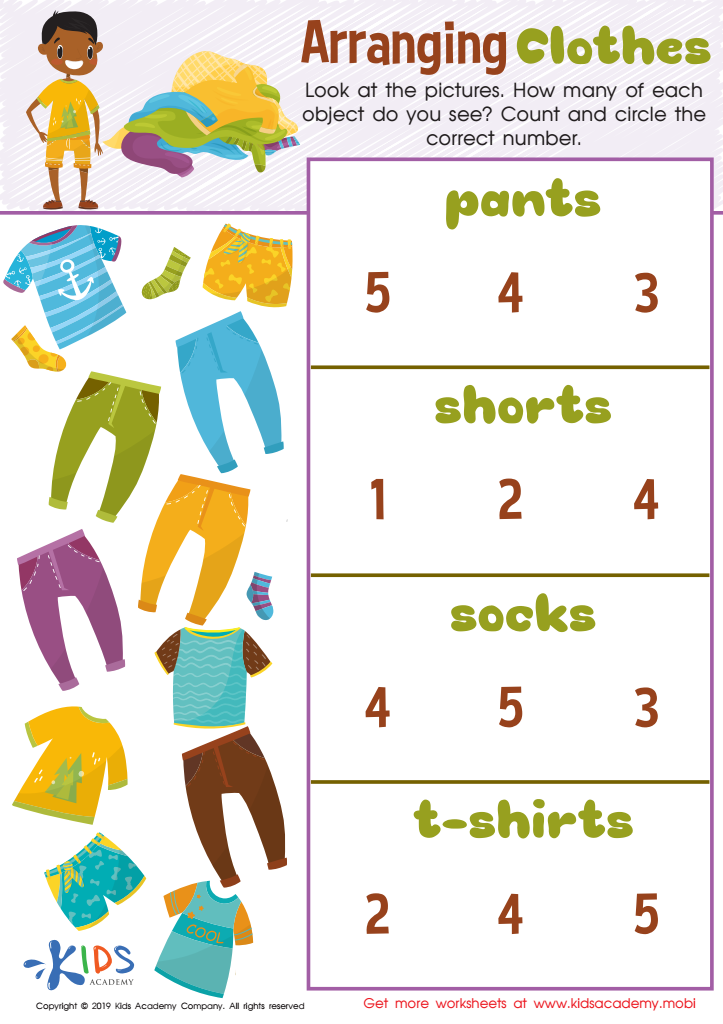
Arranging Clothes Worksheet
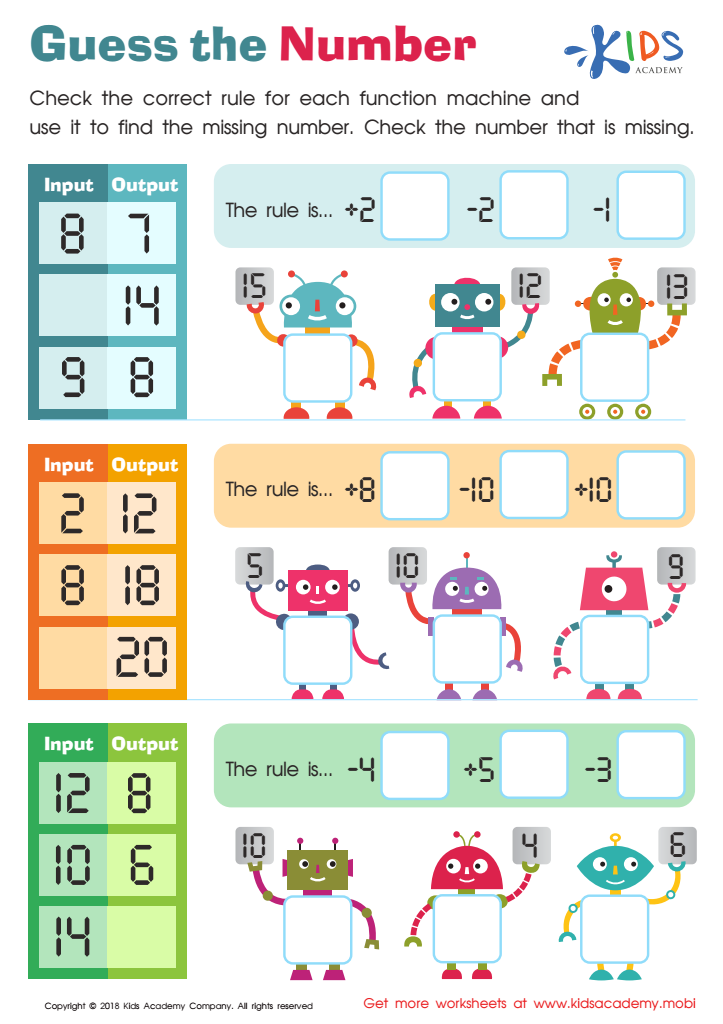
Guess the Number Worksheet
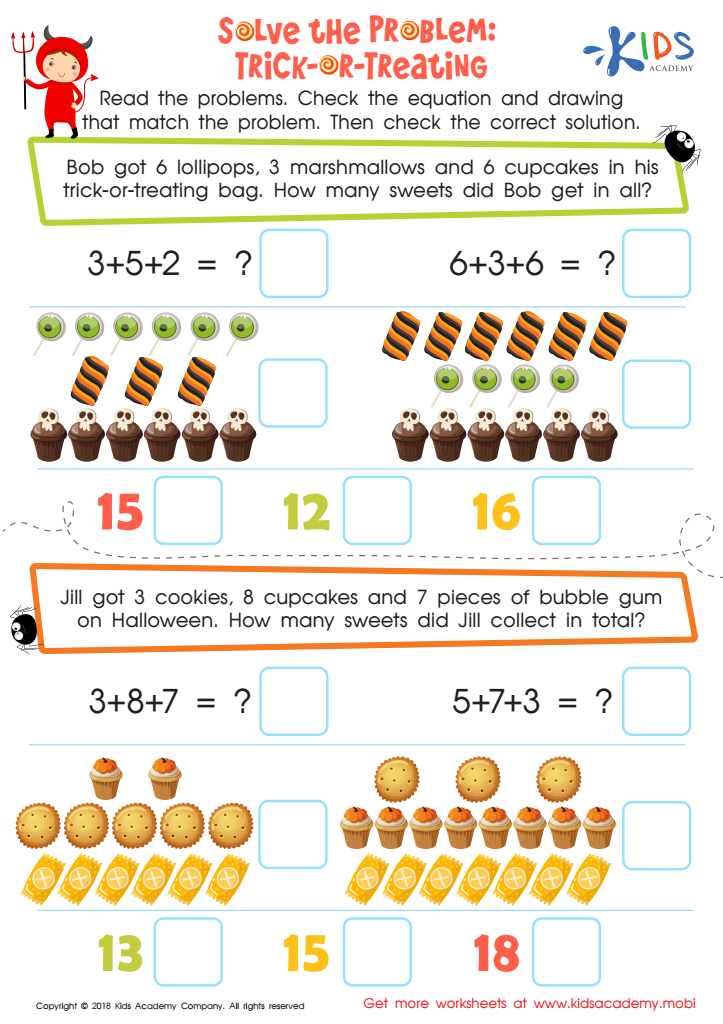
Solve the Problem: Trick–or–treating Worksheet








Parents and teachers should care about logical reasoning numbers for ages 6-8 because it forms the foundation for critical thinking and problem-solving skills essential for lifelong learning. During these formative years, children’s cognitive abilities are highly malleable, and developing their logical reasoning can significantly boost their mathematical understanding and overall academic performance.
Logical reasoning with numbers helps children understand patterns, sequences, and relationships, which are crucial in mathematics and everyday life. It encourages them to think systematically and approach problems methodically, making abstract concepts more accessible. By engaging in activities that promote logical reasoning, children become better equipped to tackle more complex math problems they will encounter in higher grades.
Additionally, strong logical reasoning skills foster confidence and independence in learners. When children learn to reason logically, they can make decisions based on evidence and logical deduction rather than guesswork. This empowerment not only enriches their academic endeavors but also their personal lives by nurturing thoughtful decision-making and problem-solving abilities.
In essence, prioritizing logical reasoning numbers for young children sets the stage for a successful educational journey, imbues them with critical cognitive abilities, and instills habits of effective thinking that can benefit them throughout their lives.








