Multiplication practice Numbers Worksheets for Ages 6-8
5 filtered results
-
From - To
Enhance your child's math skills with our engaging multiplication practice worksheets designed specifically for ages 6-8. These worksheets offer a variety of fun and interactive exercises that make learning multiplication enjoyable and effective. Tailored to accommodate different learning styles, our resources help young learners grasp fundamental concepts through colorful visuals and hands-on activities. Parents and educators can easily incorporate these worksheets into daily routines or classroom settings, ensuring that children gain confidence in their multiplication abilities. Explore our collection today and watch your child flourish in math, paving the way for future success!
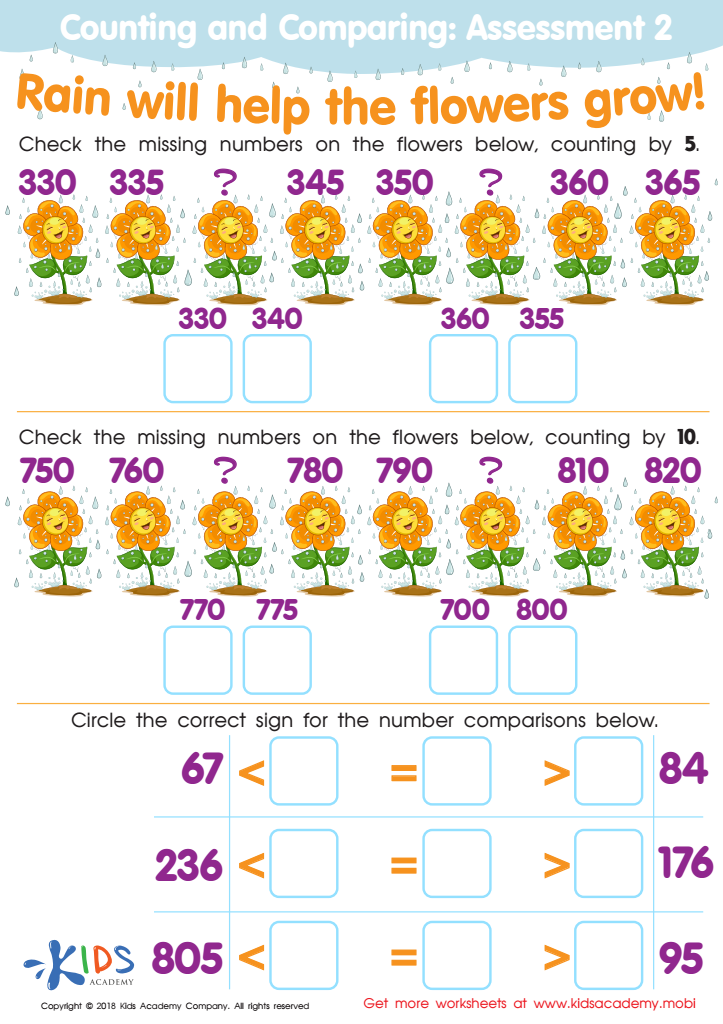
Counting and Comparing: Assessment 2 Worksheet
 Assign to My Students
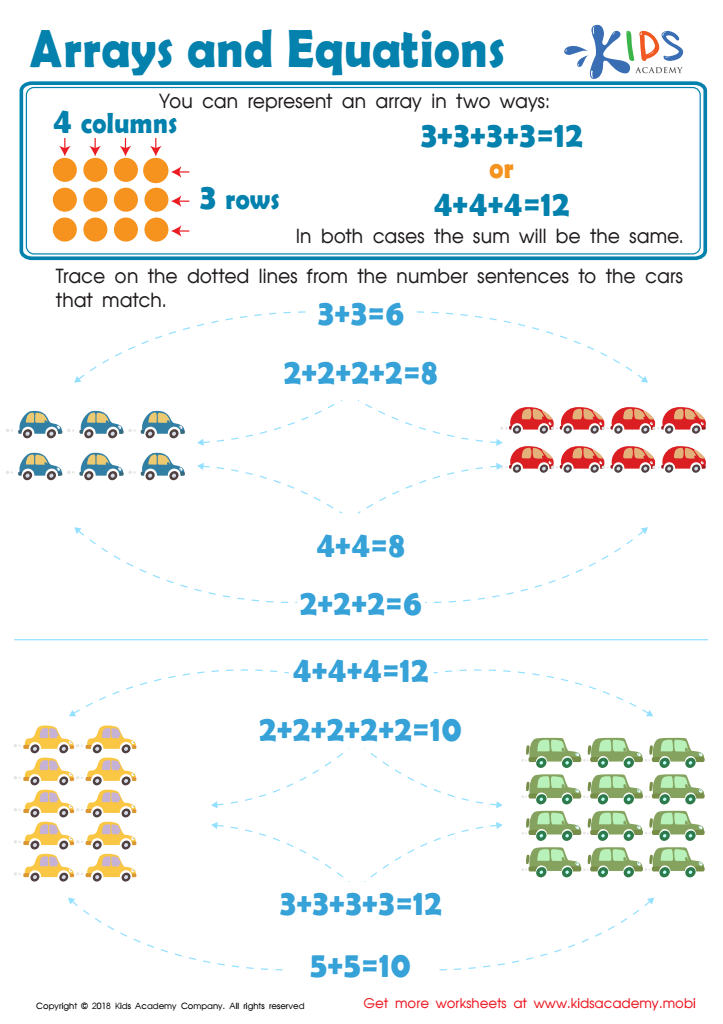
Arrays and Equations Worksheet
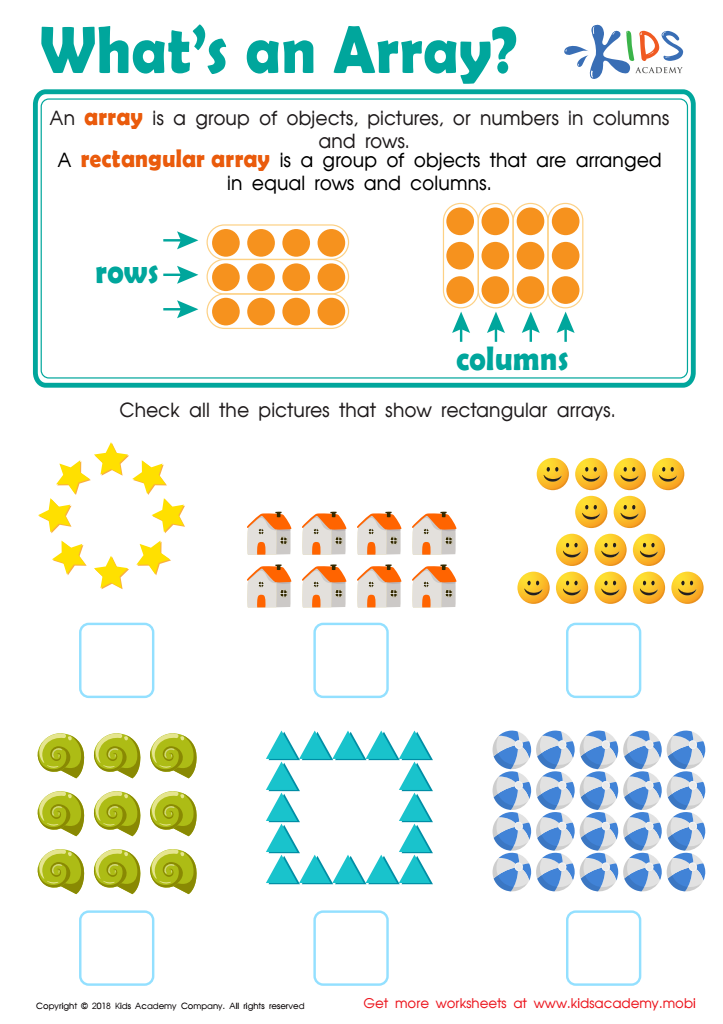
What's an Array? Worksheet
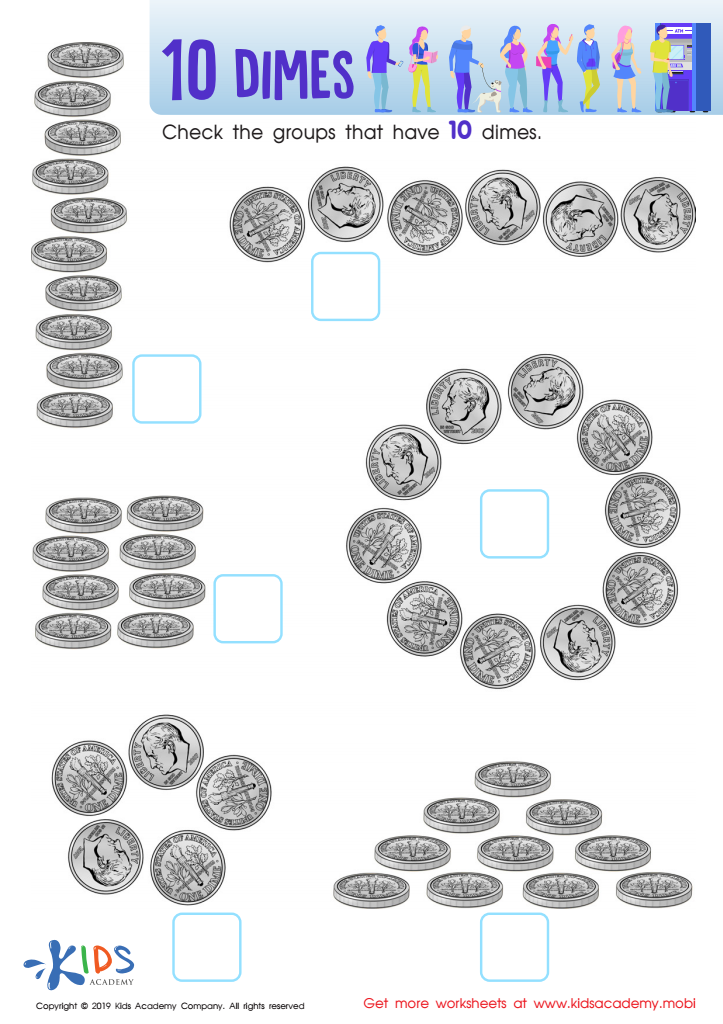
10 Dimes Worksheet
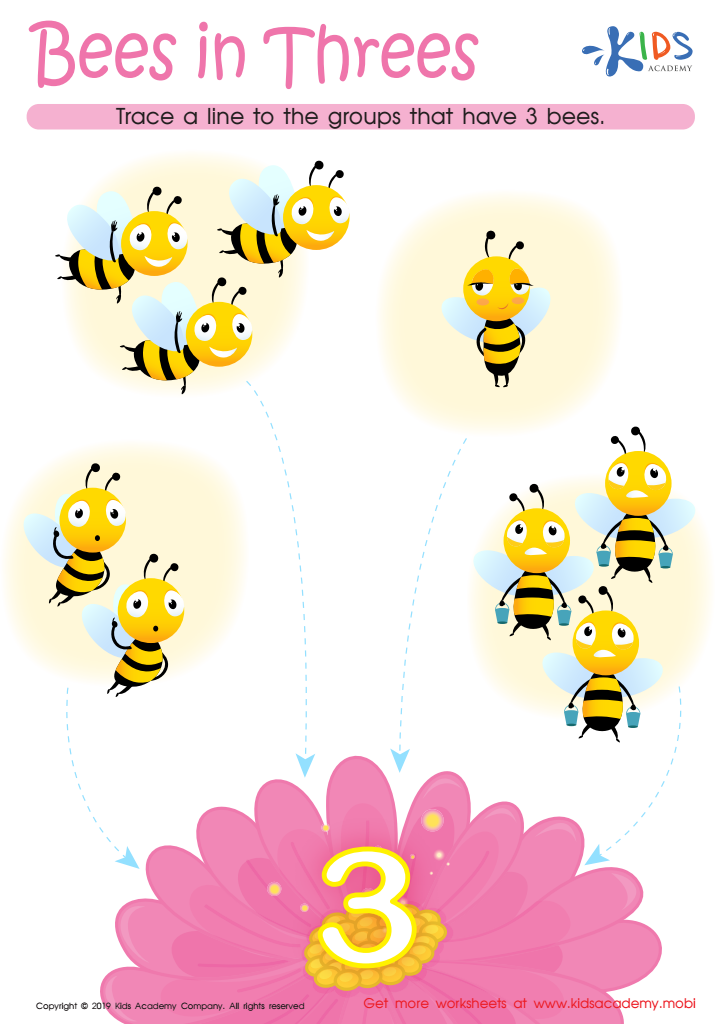
Bees in Threes Worksheet








Multiplication practice for children aged 6-8 is crucial for several reasons. At this age, children are in a pivotal stage of their mathematical development, where foundational skills in multiplication can significantly influence their future academic performance. Understanding multiplication not only helps them with basic arithmetic but also strengthens their overall problem-solving abilities.
First, multiplication is often referred to as repeated addition, providing children with an essential framework for understanding how numbers interact. Mastering this concept early on increases their confidence and encourages a positive attitude toward mathematics. Moreover, strong multiplication skills can lead to proficiency in subsequent math topics, including division, fractions, and even more complex math, laying a solid foundation for their future education.
Additionally, as children learn multiplication, they develop important cognitive skills such as critical thinking and concentration. Practicing multiplication facts can improve memory retention and help children recognize patterns in numbers. Parents and teachers can create a supportive and engaging environment for this practice, utilizing games and fun activities that make learning enjoyable. In essence, fostering multiplication skills early equips children with the tools they need not only to succeed in school but also to build confidence in their own abilities.








