Problem-Solving Skills Numbers Worksheets for Ages 6-8 - Page 3
52 filtered results
-
From - To
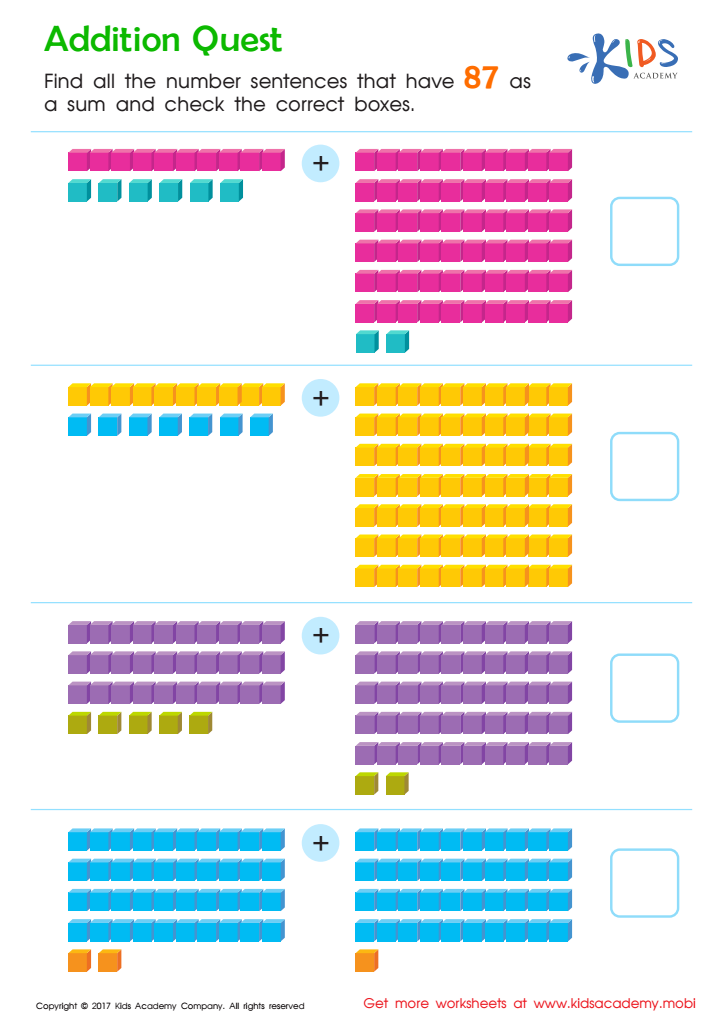
Addition Quest Worksheet: Part 1
 Assign to My Students
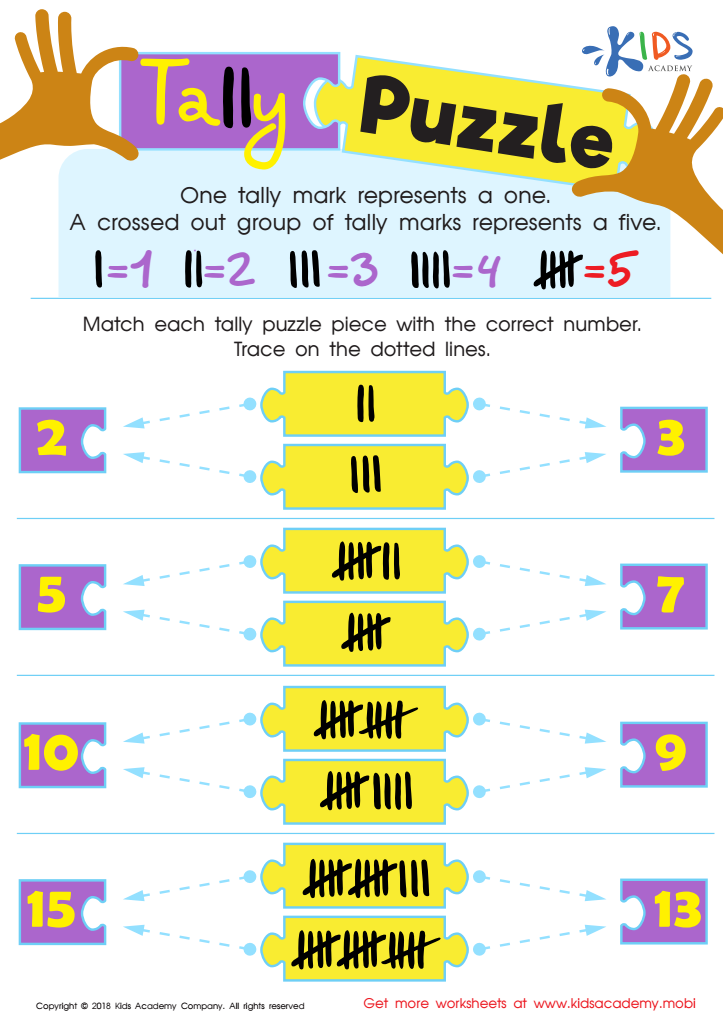
Tally Puzzle Worksheet

Haystack Steps Worksheet
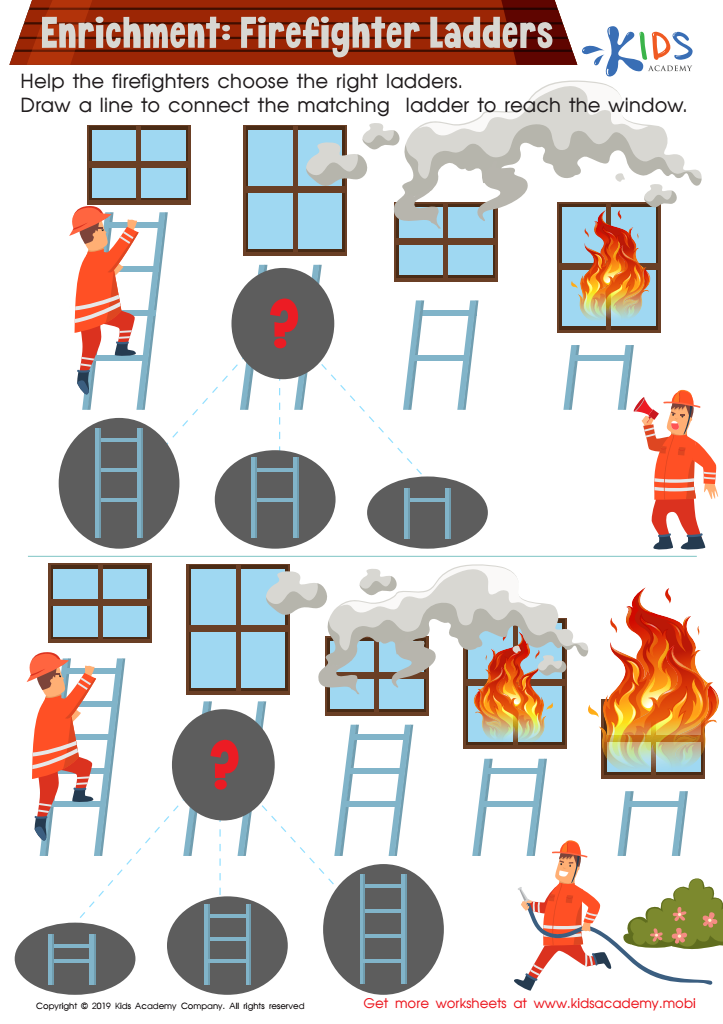
Enrichment: Firefighter Ladders Worksheet







Problem-solving skills are vital for children's development, especially for ages 6-8, when they are starting to grasp more complex concepts and face real-life challenges. These skills lay the foundation for critical thinking and reasoning, helping children learn to analyse situations, identify solutions, and make informed decisions.
For parents and teachers, nurturing problem-solving abilities in young learners fosters a sense of independence and confidence. When children are encouraged to tackle problems creatively and collaboratively, they develop resilience, learn to embrace challenges, and improve their ability to overcome obstacles. This skill set not only prepares them for academic success but also equips them with tools to navigate social situations and personal dilemmas.
Additionally, problem-solving encourages curiosity and a love for learning. By engaging children in fun and stimulating activities, educators can capture their interest while promoting cognitive development. This age group is particularly receptive to learning through play, making problem-solving exercises both enjoyable and effective.
Ultimately, supporting children in developing problem-solving skills ensures they become adaptable, lifelong learners, capable of thriving in an ever-changing world. By prioritizing these skills, parents and teachers can set children on a path towards success in school, relationships, and future careers.








