Understanding Sequences Numbers Worksheets for Ages 6-8
5 filtered results
-
From - To
"Understanding Sequences Numbers Worksheets for Ages 6-8" are designed to make learning fun and engaging for young mathematicians. These worksheets help kids grasp the concept of sequences through colorful activities and age-appropriate challenges. By practicing with these worksheets, children will improve their ability to recognize patterns and predict future numbers, laying a strong foundation for advanced math skills. Created by educational experts, each worksheet aligns with core curriculum standards and adapts to individual learning paces. Perfect for both classroom use and homeschooling, these printable exercises ensure your child develops confidence and a love for numbers.
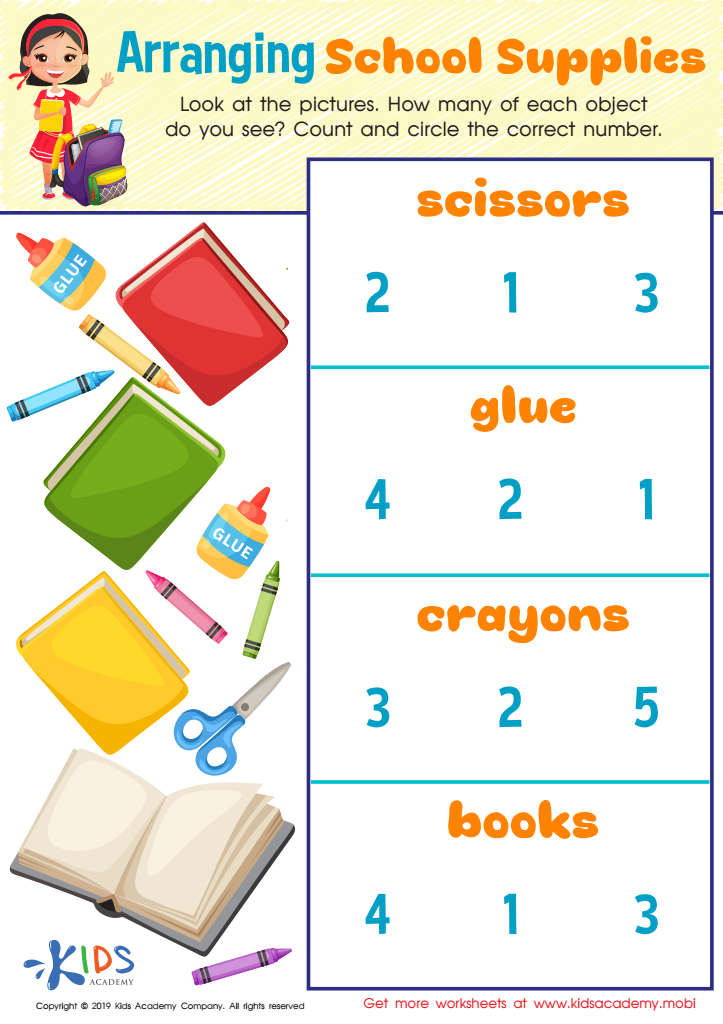
Arranging School Supplies Worksheet
 Assign to My Students
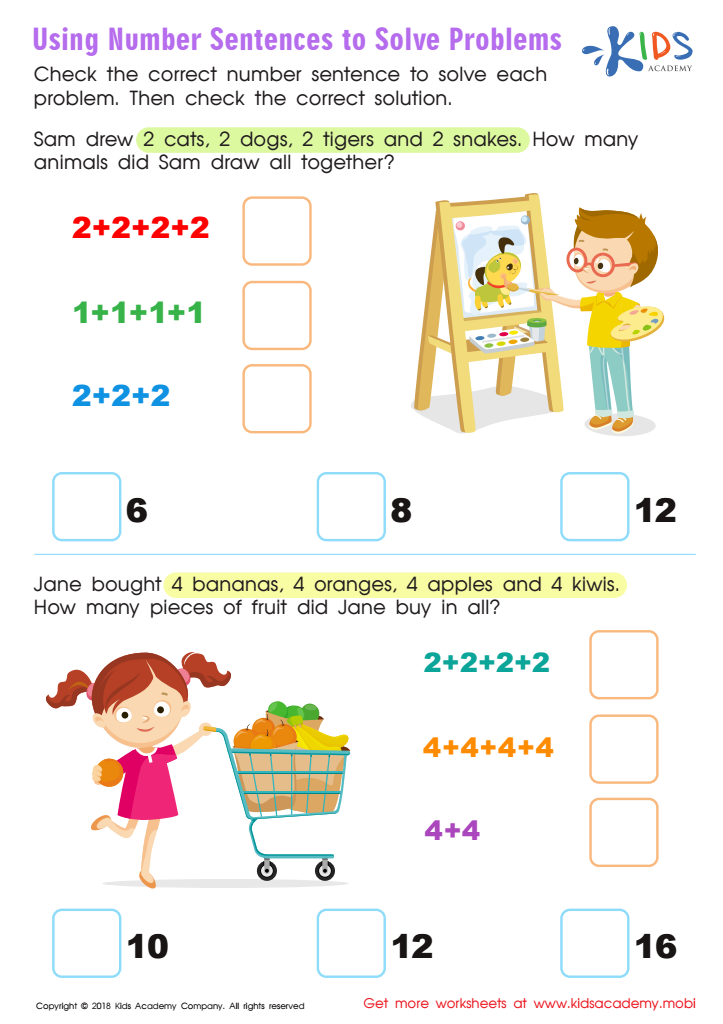
Using Number Sentences to Solve Problems Worksheet
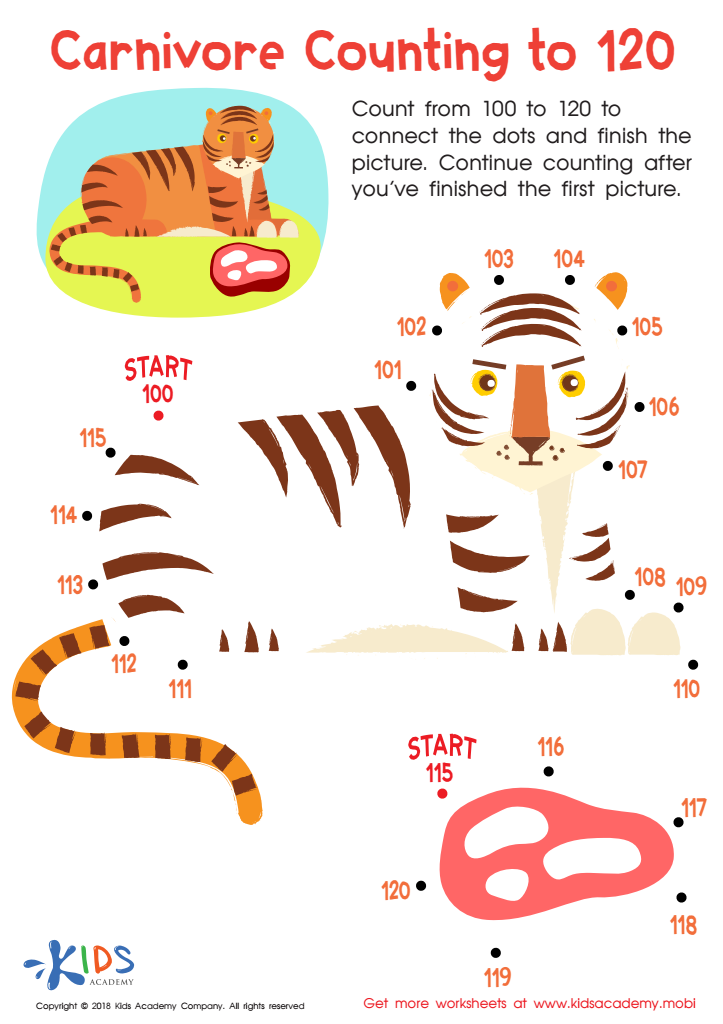
Carnivore Counting to 120 Worksheet
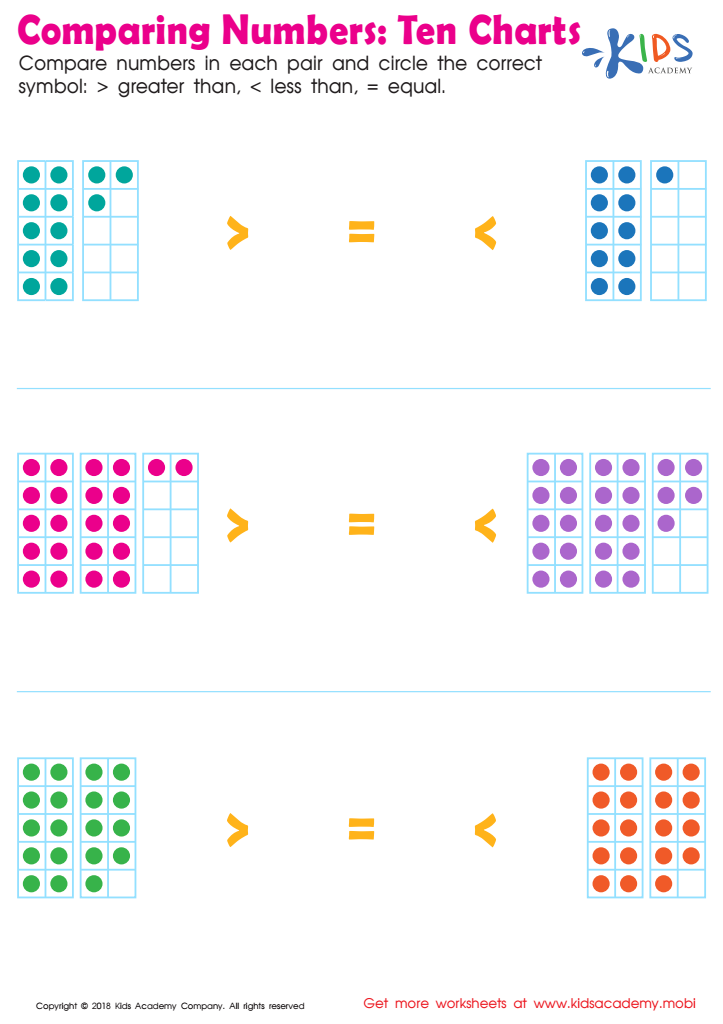
Ten Charts Worksheet
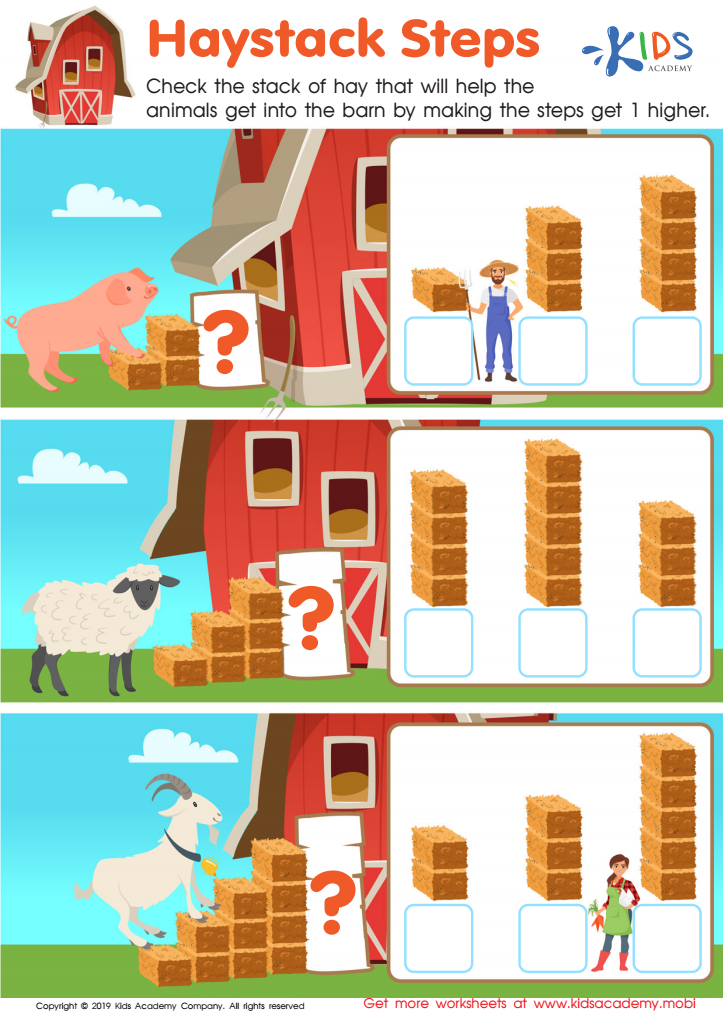
Haystack Steps Worksheet



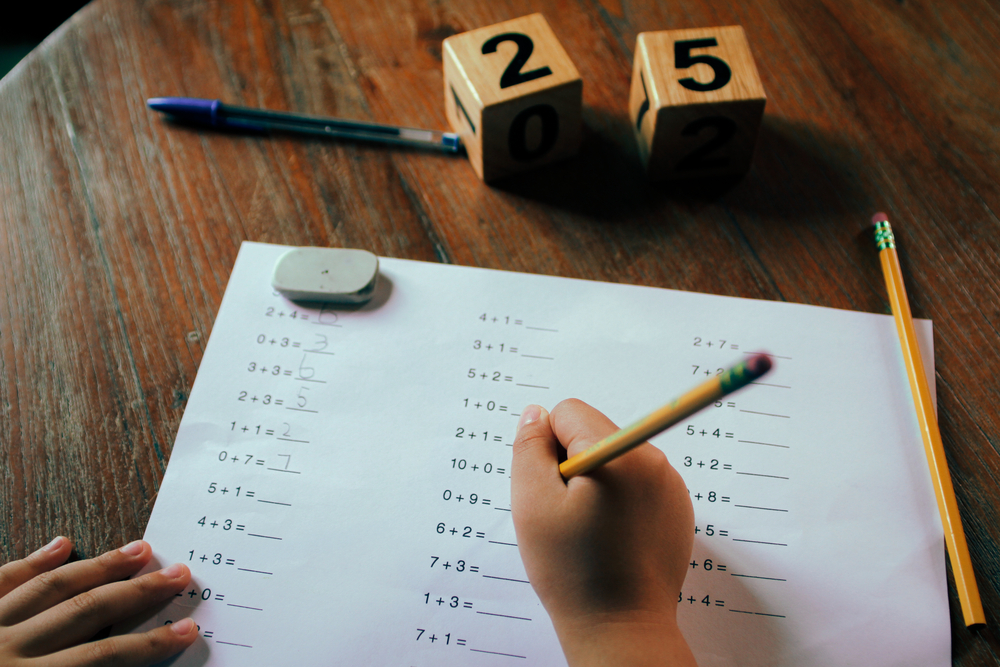




Understanding sequence numbers is crucial for children aged 6-8 as it builds a strong foundation for their future mathematical learning and cognitive development. Sequences help kids grasp the concept of order, an essential skill in both math and daily life. For example, knowing that 2 comes before 3 or that days follow in a certain order teaches them the predictability of numbers and events.
Sequences also foster pattern recognition, which A considerable aspect of early math concepts, such as arithmetic operations and problem-solving, relies on recognizing and predicting patterns. By identifying sequences, children improve their ability to understand more complex ideas like addition, subtraction, and eventually multiplication and division.
Furthermore, teachers and parents should recognize that sequencing skills are not isolated to math alone; they also enhance reading comprehension and writing skills. Understanding sequences helps with organizing thoughts, following instructions, and storytelling, all of which are crucial academic and life skills.
Engaging children with sequence activities makes learning interactive and fun, bolstering their enthusiasm for math and critical thinking. In essence, a good grasp of sequences equips children with the tools for academic success, highlighting why both parents and teachers should prioritize their understanding of this fundamental concept.








