Basic math application Math Worksheets for Ages 6-8
5 filtered results
-
From - To
Discover our Basic Math Application Worksheets designed specifically for children ages 6 to 8. These engaging and interactive resources help reinforce foundational math skills, including addition, subtraction, and problem-solving. Our worksheets are crafted to make learning enjoyable, with colorful visuals and relatable scenarios that spark curiosity and motivation. Whether at home or in the classroom, these printable worksheets serve as an excellent tool for educators and parents alike to support their child's math journey. Help your child build confidence and mastery in basic math concepts with our carefully curated activities that promote hands-on learning and critical thinking skills. Start exploring today!
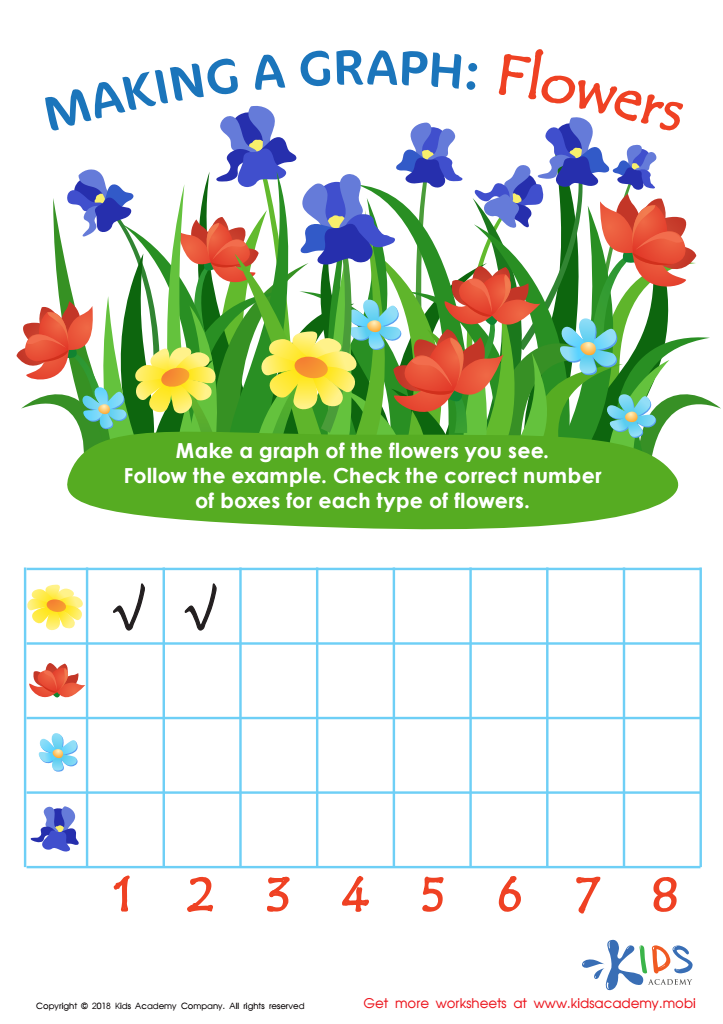
Making a Graph: Flowers Worksheet
 Assign to My Students
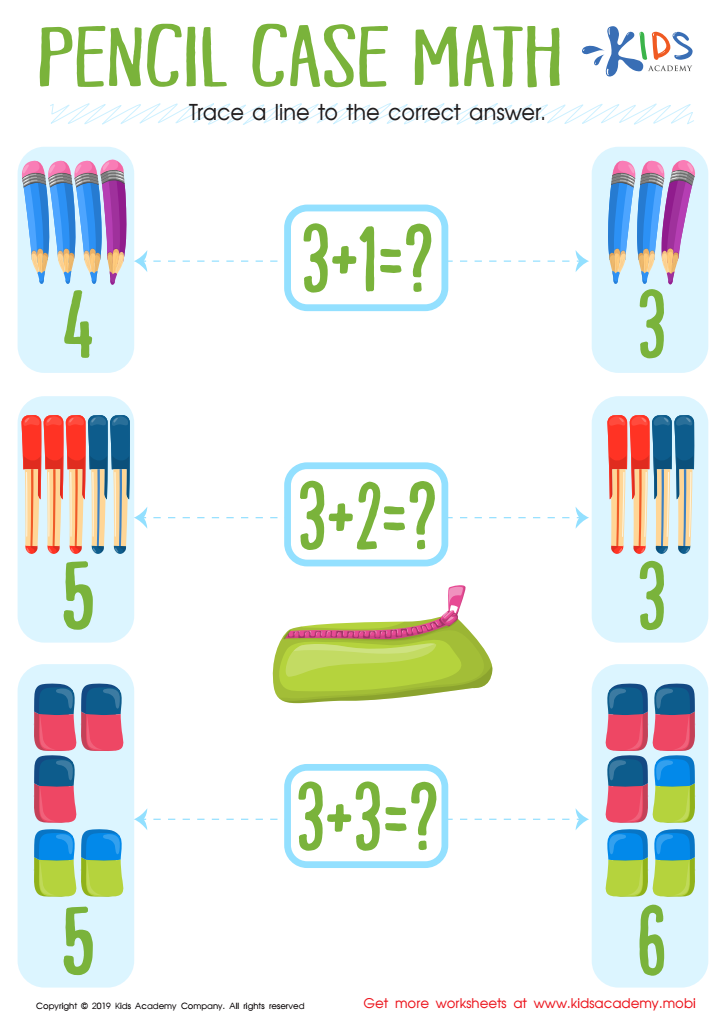
Pencil Case Math Worksheet
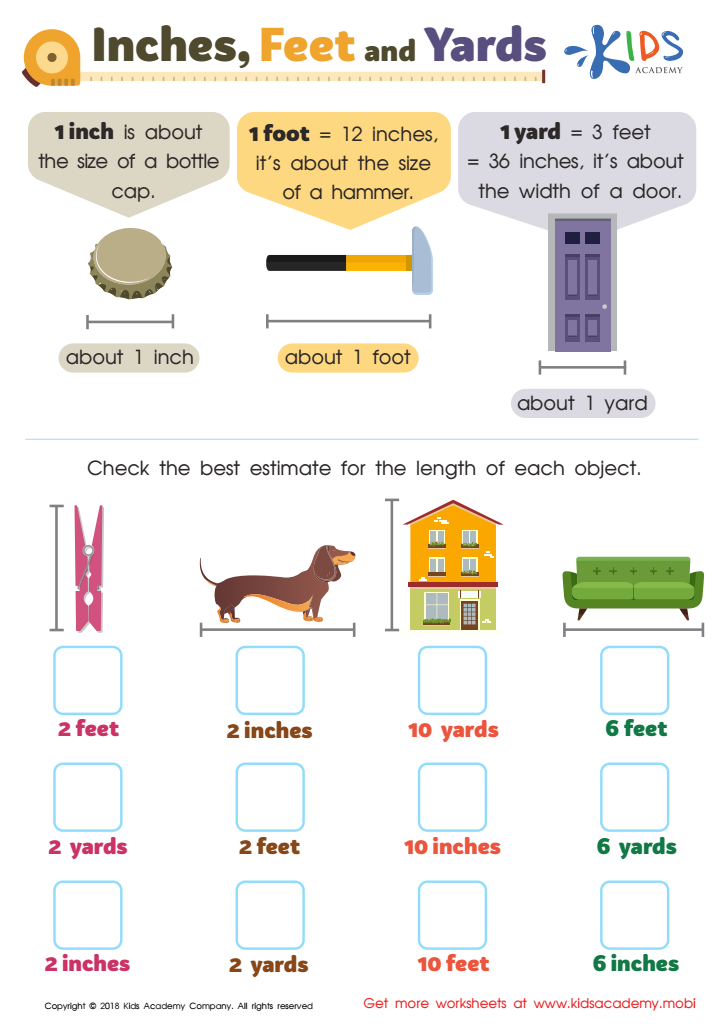
Inches, Feet and Yards Worksheet
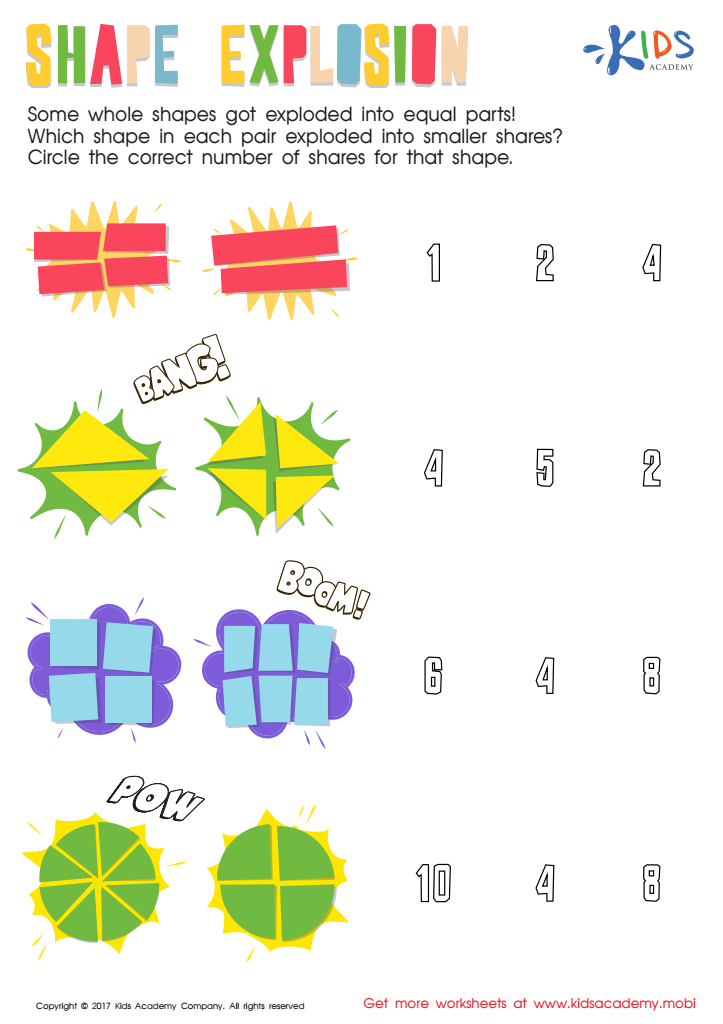
Shape Explosion Worksheet
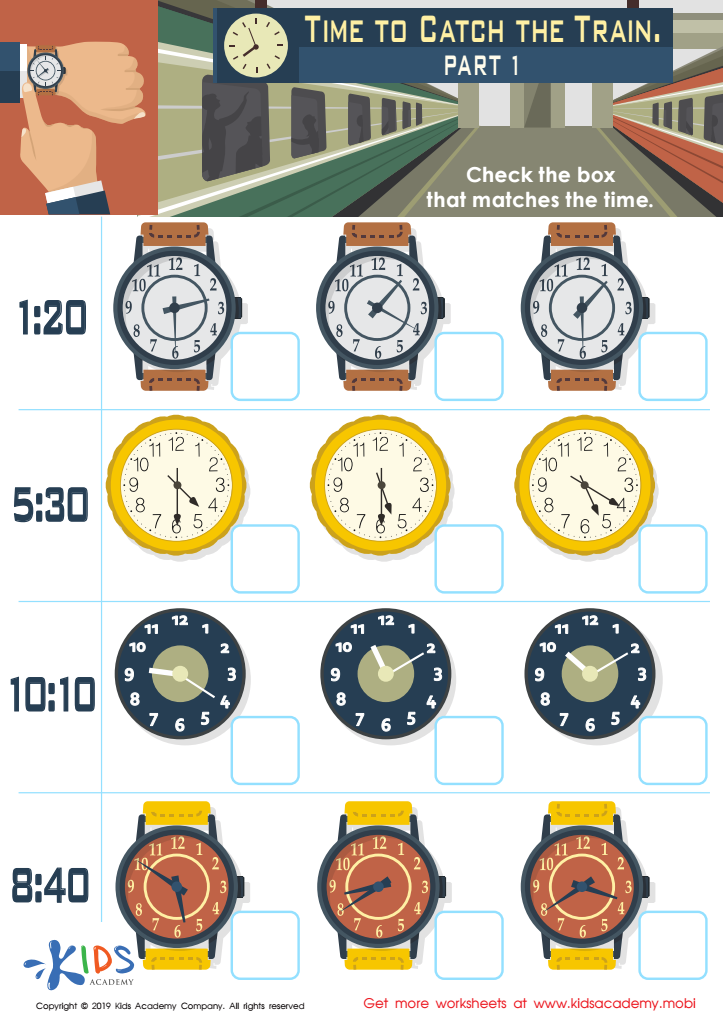
Time to Catch the Train Part 1 Worksheet








Parents and teachers should prioritize basic math applications for children ages 6-8 because this foundational stage in learning significantly shapes a child's future academic success and confidence. At this age, children are developing critical thinking skills and the ability to solve problems, making comprehension of fundamental math concepts essential. Applying basic math concepts—such as addition, subtraction, and early multiplication—helps children gain practical skills for everyday situations, fostering independence and effective decision-making.
Moreover, early math engagement promotes cognitive development, linking mathematics to real-life experiences like shopping, cooking, or playing games. This context aids in reinforcing concepts, making learning more relatable and enjoyable. Furthermore, a strong grasp of basic math supports more advanced mathematical concepts they will encounter in future grades, preventing gaps in knowledge that can lead to long-term struggles with the subject.
Additionally, instilling a positive attitude toward math helps reduce math anxiety, encouraging a growth mindset where children view challenges as opportunities for growth. In a world increasingly driven by data and technology, early math knowledge becomes invaluable, equipping children with skills necessary for a variety of fields. Hence, cultivating these skills during ages 6-8 sets the stage for lifelong learning and success.








