Counting objects Math Worksheets for Ages 6-8
10 filtered results
-
From - To
Discover engaging Counting Objects Math Worksheets specifically designed for children aged 6-8! These worksheets provide a fun and interactive way for young learners to develop their counting skills by identifying, counting, and grouping various objects. Aligned with educational standards, our worksheets incorporate vibrant visuals and age-appropriate activities that captivate children's interest and strengthen their number recognition and counting abilities. Ideal for classroom use or home learning, these resources support foundational math skills essential for future academic success. Download these printable worksheets today and watch your child gain confidence in math through enjoyable and effective practice!
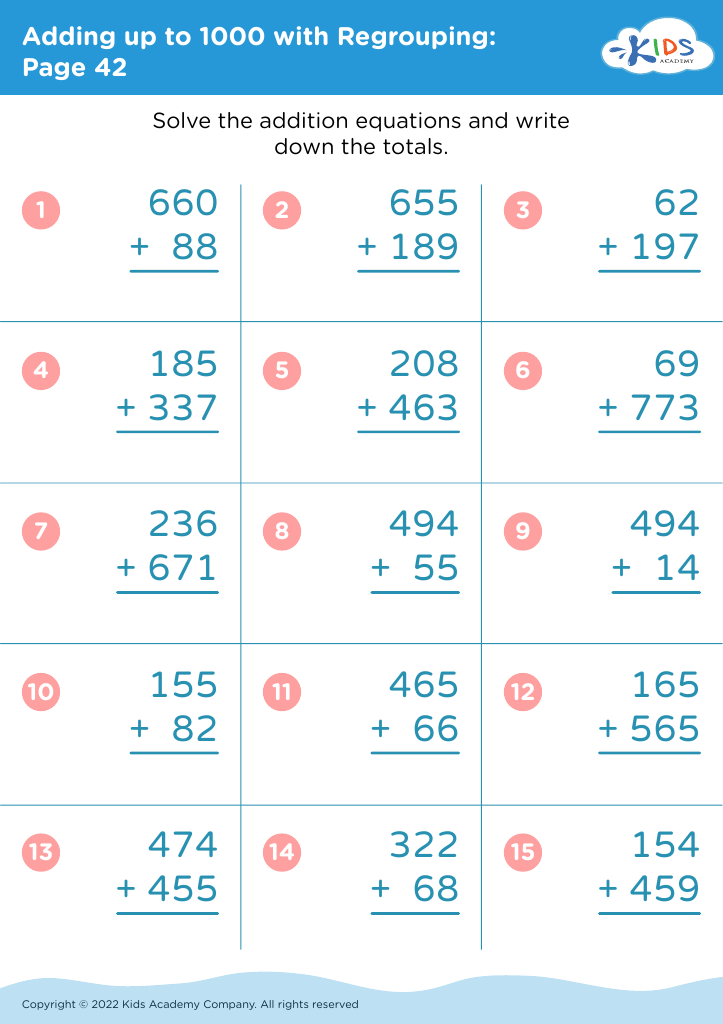
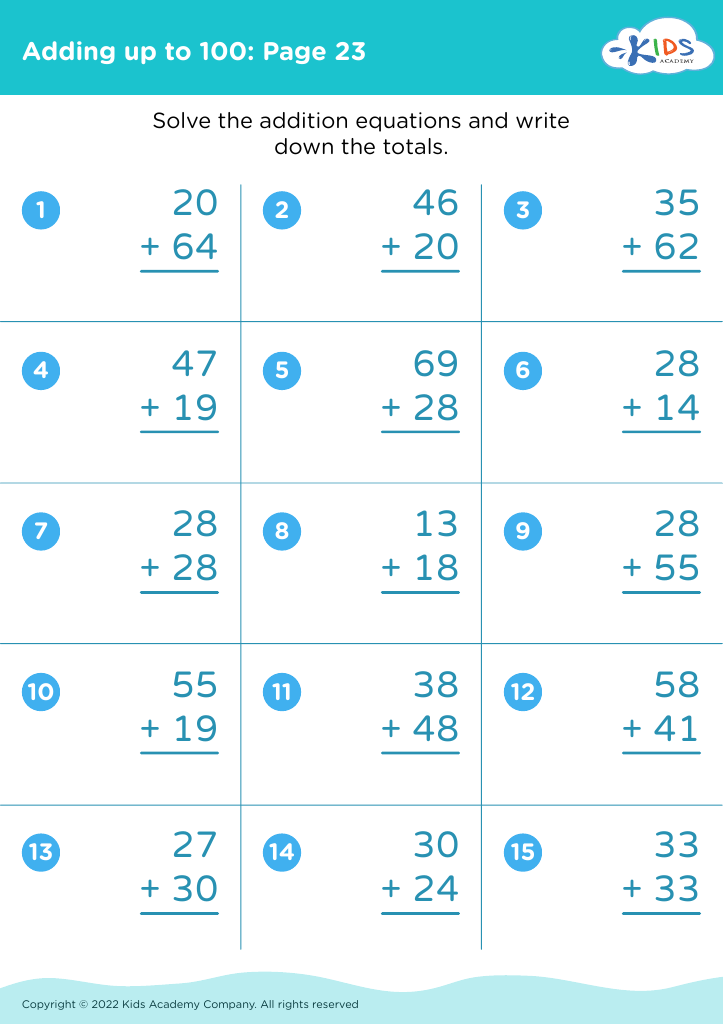
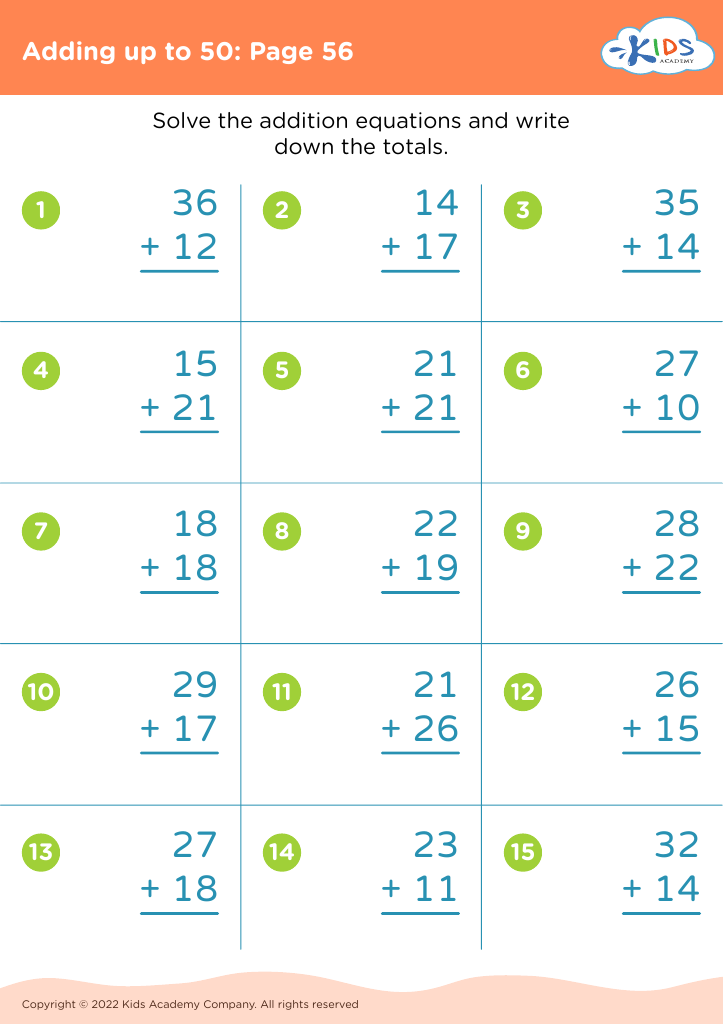
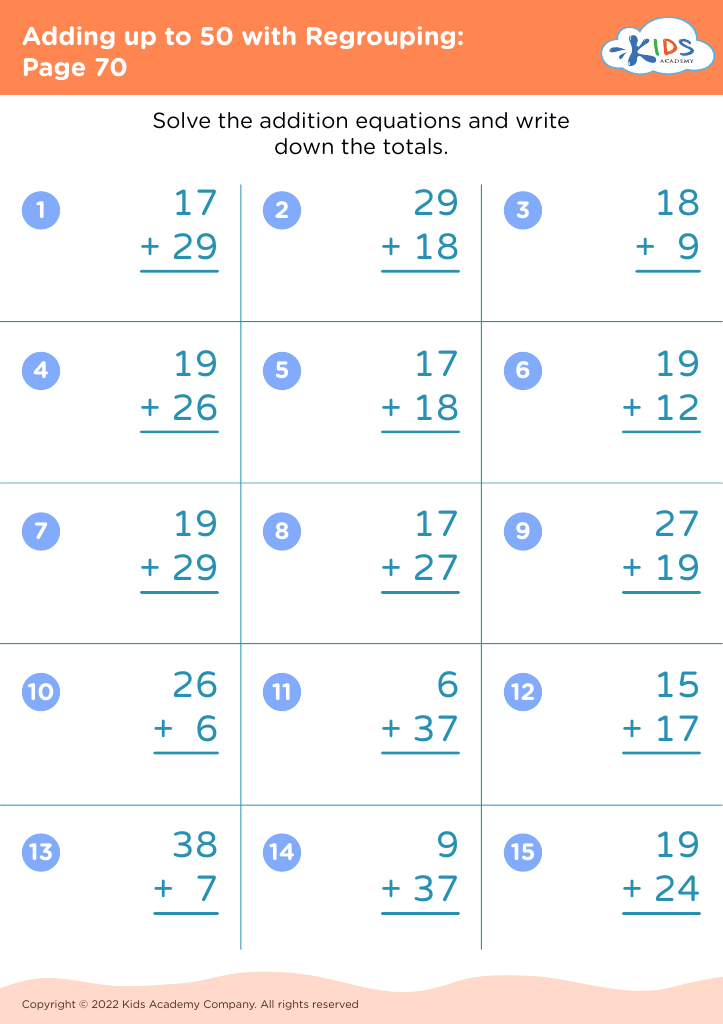
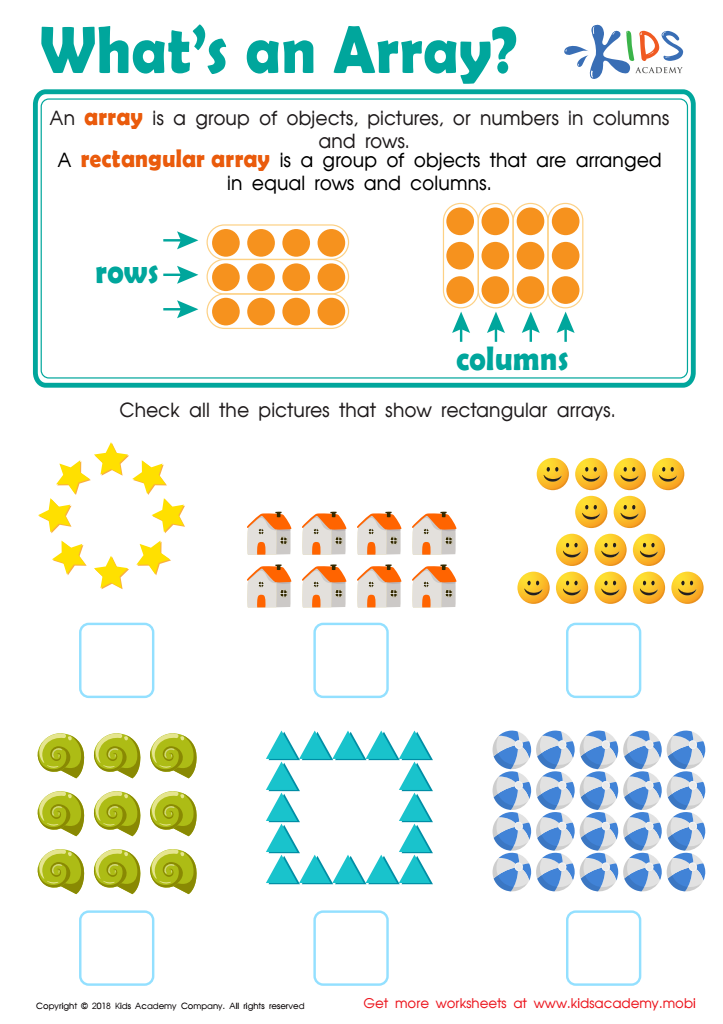
What's an Array? Worksheet
 Assign to My Students
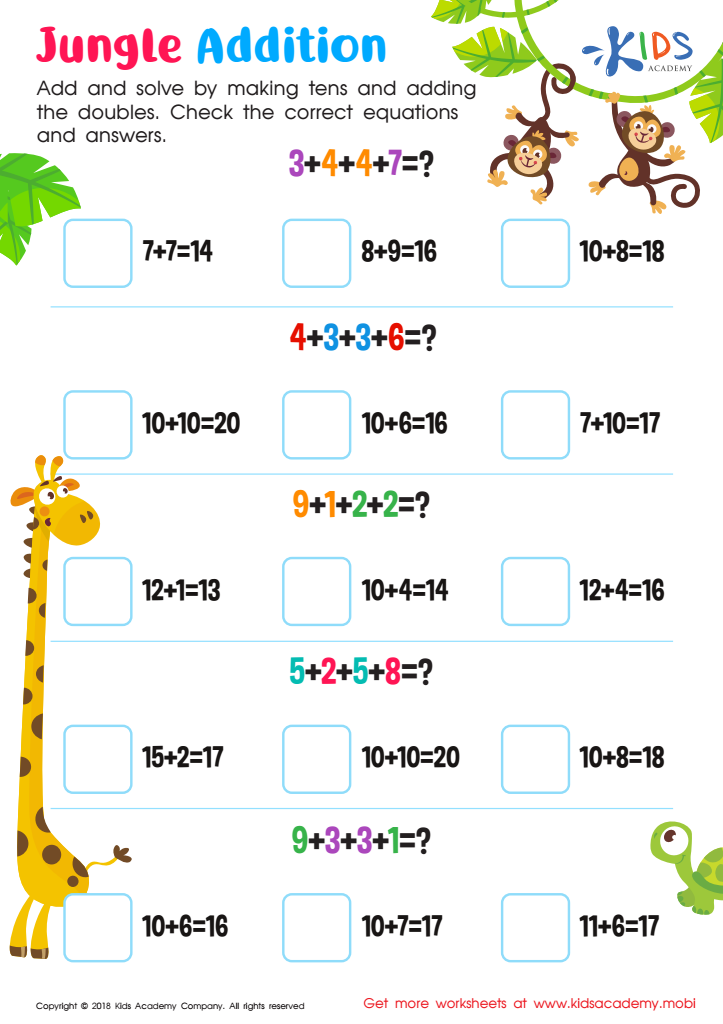
Jungle Addition Worksheet
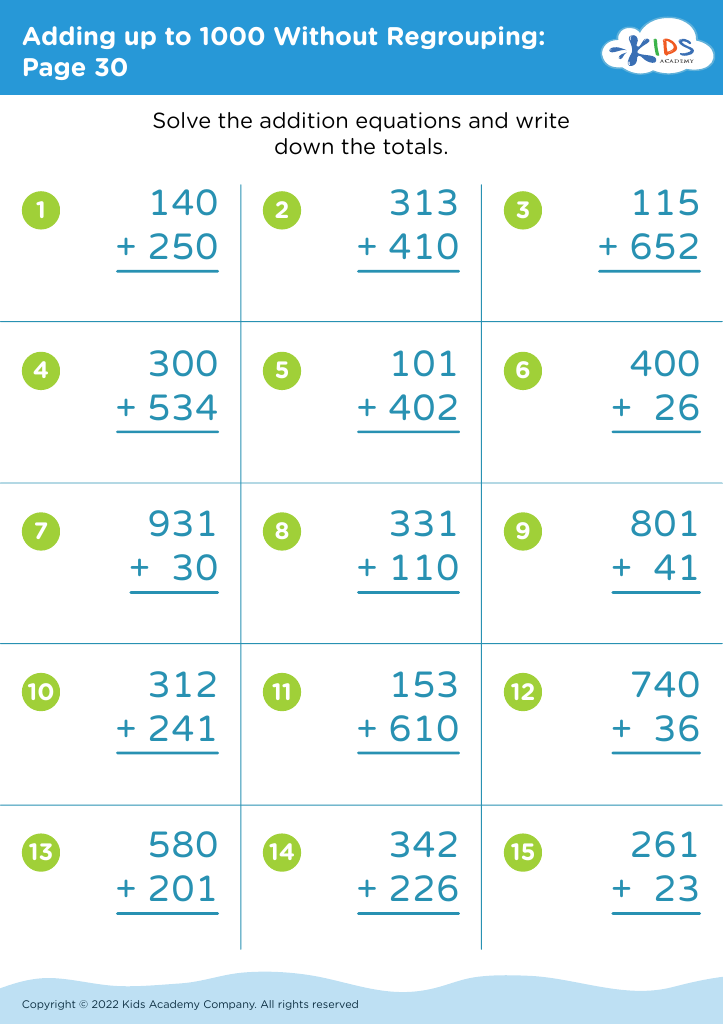
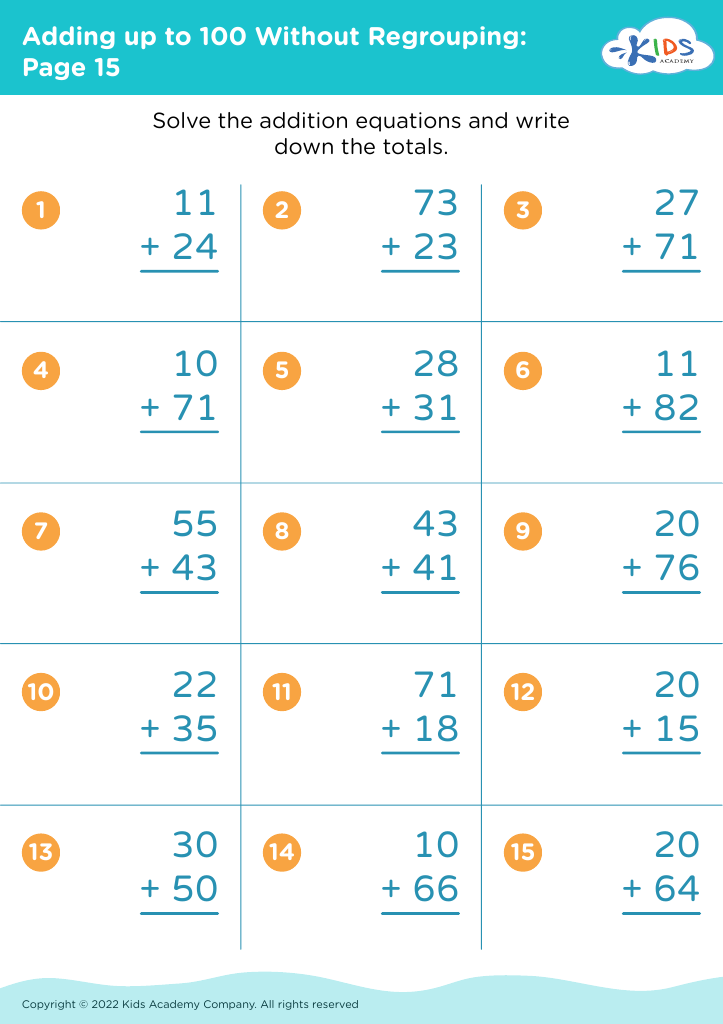


.jpg)




Counting objects is a fundamental mathematical skill crucial for children aged 6-8, laying the groundwork for future academic success. At this developmental stage, children are transitioning from simple counting to more complex numerical concepts integral for daily life and future learning.
Firstly, counting helps enhance a child’s cognitive skills, promoting logical thinking and problem-solving abilities. It fosters an understanding of quantity, which is essential for grasping addition and subtraction later on. Through hands-on counting experiences, such as engaging with physical objects, children develop fine motor skills and hand-eye coordination.
Furthermore, counting promotes resilience and perseverance. As children encounter challenges in counting or numerical concepts, they learn to approach problems with patience and resilience, vital qualities for overall academic achievement.
Collaboration is also fostered when counting is done in group settings, where children learn to communicate effectively and share ideas. Notably, embracing various counting methods—such as grouping or one-to-one correspondence—encourages flexibility in thinking.
In sum, parents and teachers should prioritize counting objects as its benefits are profound, influencing mathematical understanding, cognitive development, social skills, and emotional growth—priorities essential for navigating educational landscapes. Investing time in counting nurtures not only mathematics but holistic childhood development.








