Enhance fine motor skills Math Worksheets for Ages 6-8
3 filtered results
-
From - To
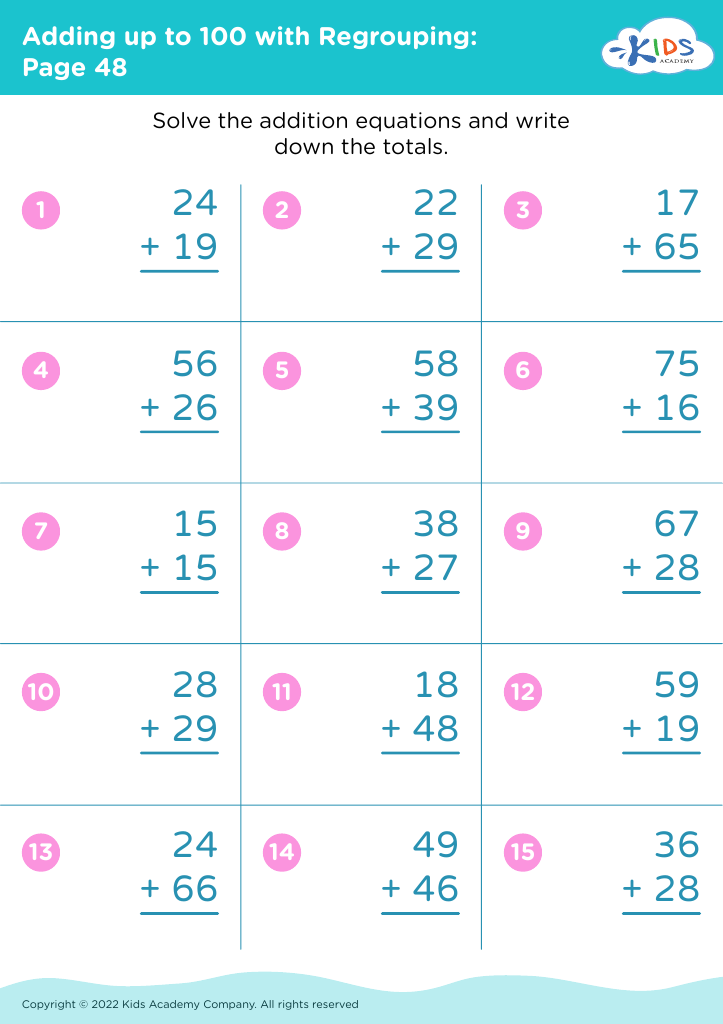
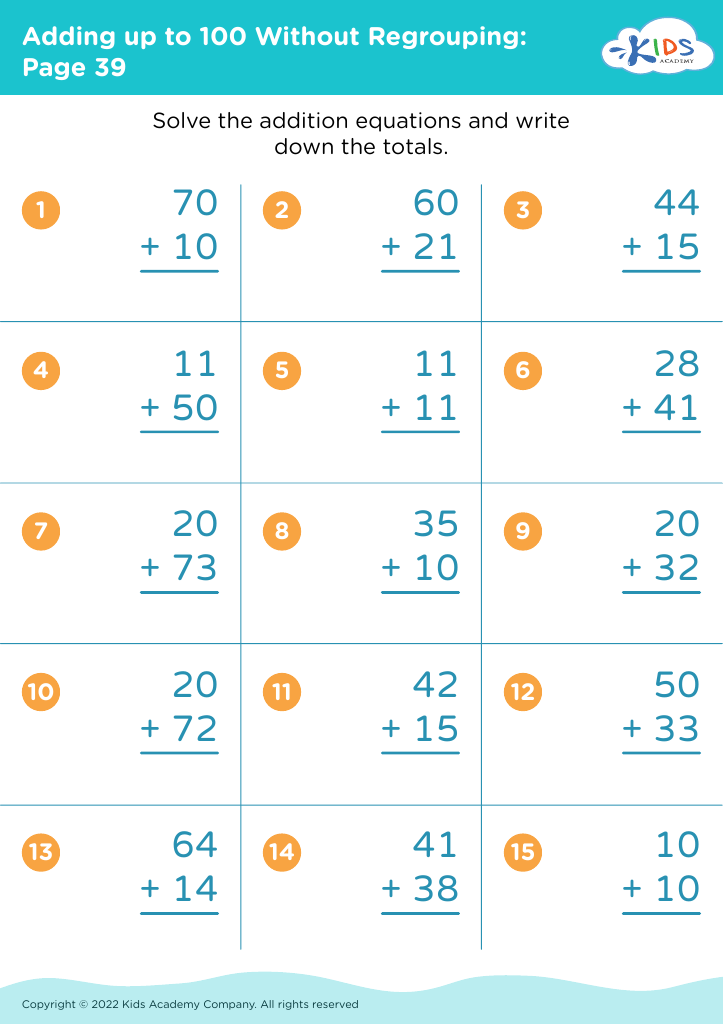
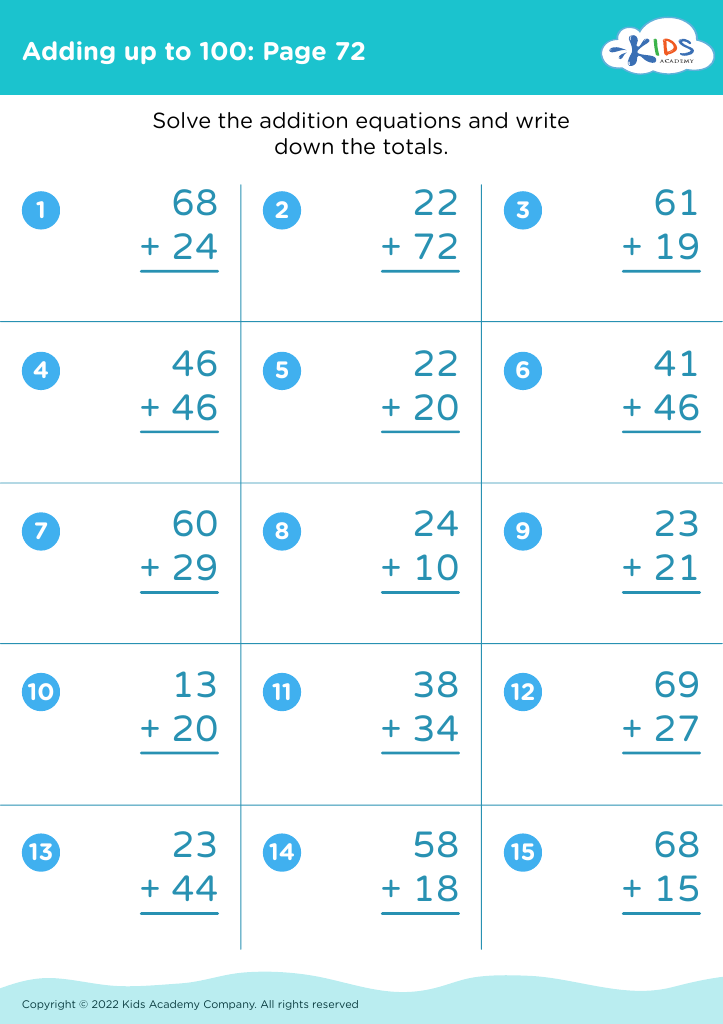
Boost your child's fine motor skills while they tackle exciting math challenges with our "Enhance Fine Motor Skills Math Worksheets" tailored for ages 6-8. Designed to promote both cognitive and physical development, these engaging worksheets feature a variety of fun activities that encourage children to use their hands in creative ways while developing important math concepts. From tracing numbers to completing patterns, your little learner will improve their dexterity and coordination, making learning enjoyable and effective. Perfect for at-home practice or classroom use, these printable resources support essential skill-building in a fun and interactive manner. Explore our worksheets today!





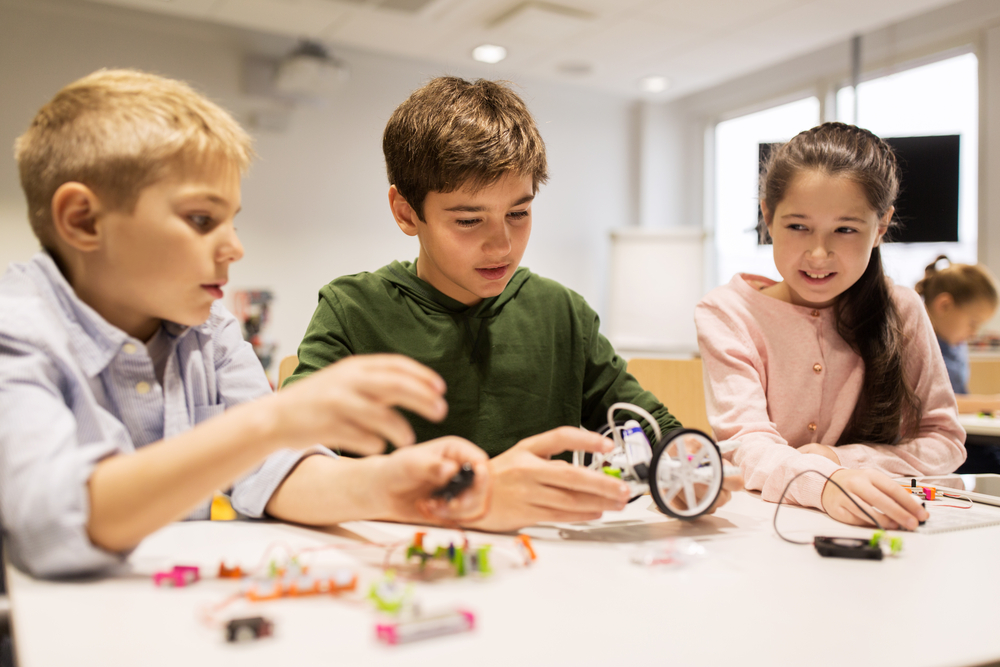

Enhancing fine motor skills in children aged 6-8 is crucial, particularly in the context of math learning. As children engage with shapes, measurement tools, and writing numbers, fine motor skills play a significant role in their ability to manipulate objects and express mathematical concepts accurately. Improved dexterity enables students to handle mathematical tools like rulers and protractors, which are vital for basic geometry and measurement tasks.
Moreover, strong fine motor skills contribute to better handwriting and the ability to create accurate representations of numbers and shapes. This foundational proficiency helps children build confidence in their mathematical abilities, essential for future learning.
By incorporating fine motor skill development into math education, parents and teachers can create a multi-sensory learning environment that enhances engagement and understanding. Simple activities, such as using playdough to form numbers or cutting out shapes, can make math both enjoyable and educational, reinforcing motor skills alongside cognitive development.
Investing time in these skills not only prepares children for more complex mathematical concepts but also fosters a love for learning that extends beyond the classroom, setting a strong foundation for their overall educational journey. Therefore, focusing on fine motor skills in math for young learners is a key element in their holistic development.








