Enhance Vocabulary Math Worksheets for Ages 6-8
4 filtered results
-
From - To
Unlock your child's potential with our "Enhance Vocabulary Math Worksheets" designed for ages 6-8! These engaging worksheets combine vocabulary development and math skills, fostering a deeper understanding of mathematical concepts through language. By incorporating essential terms and definitions, children not only sharpen their math abilities but also expand their vocabulary, boosting overall literacy. Perfect for use at home or in the classroom, these worksheets are tailored to create a fun learning experience. Equip your young learners with the tools they need to excel in math while enhancing their language skills. Start their journey to success today!
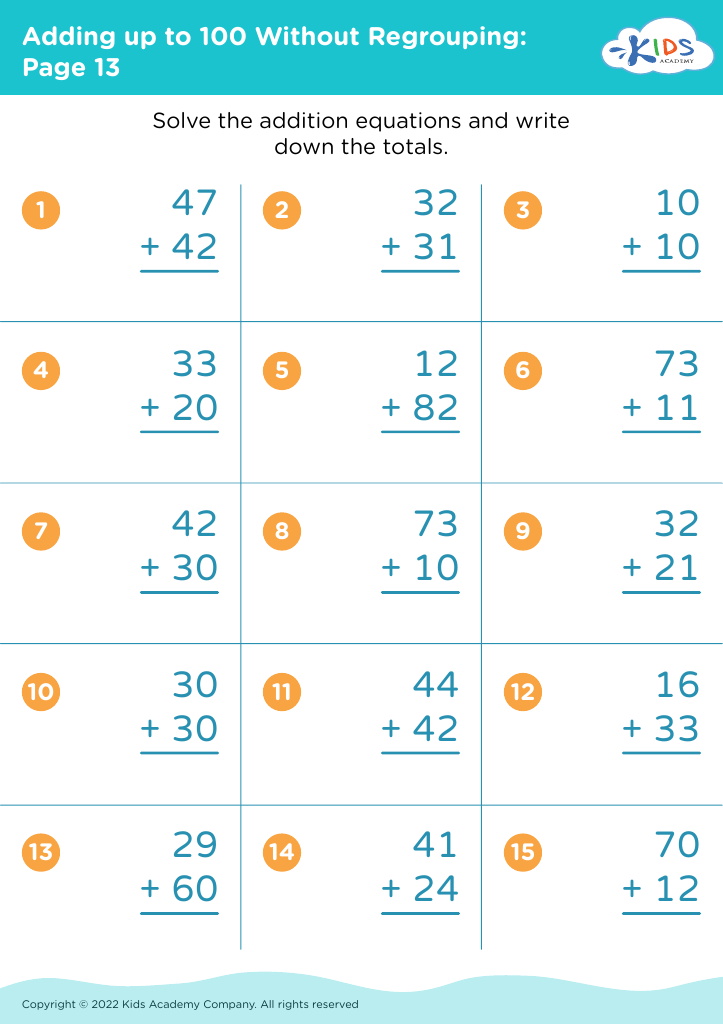
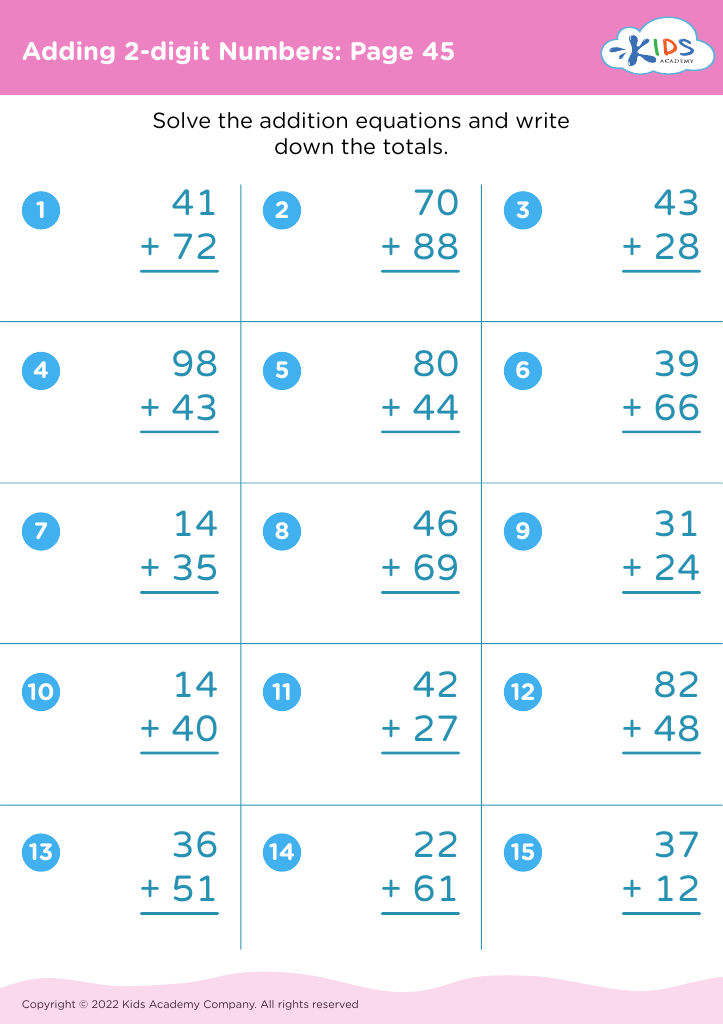
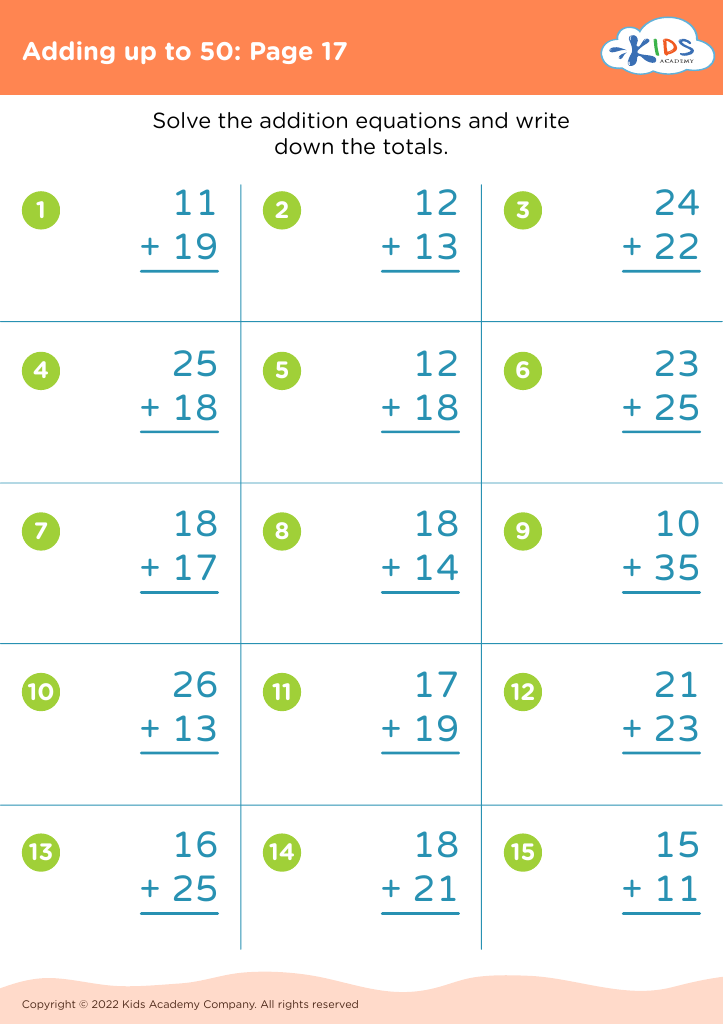
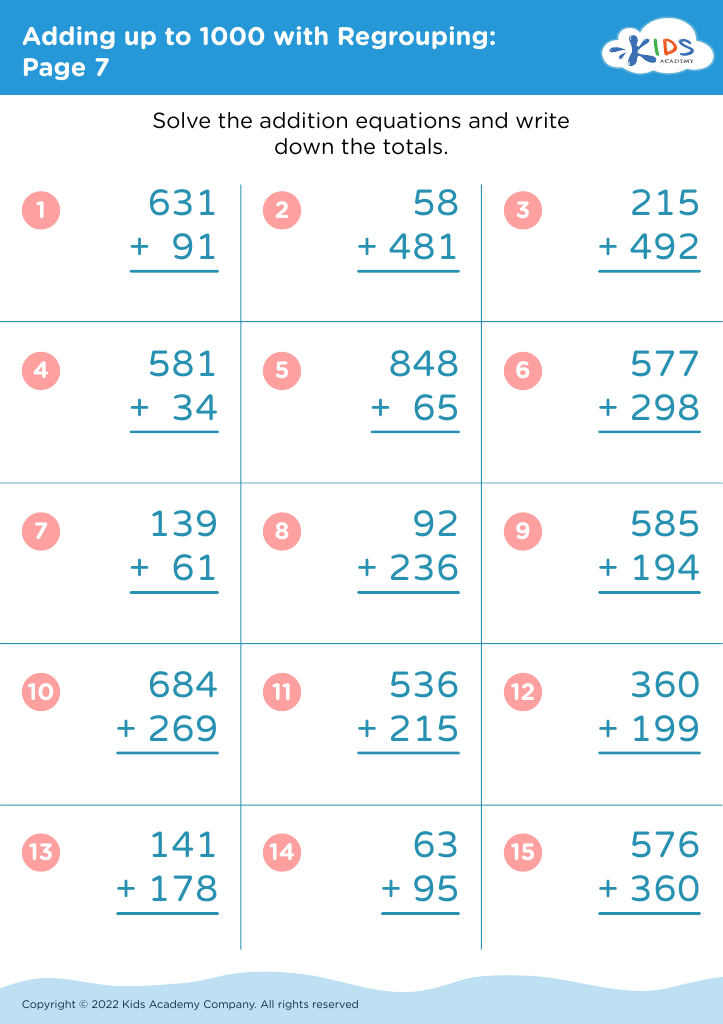








Enhancing vocabulary in math for children aged 6-8 is crucial for several reasons. First, a strong mathematical vocabulary enables students to understand and articulate mathematical concepts more effectively. Young learners are often required to use specific terms such as "sum," "difference," and "geometry," which are foundational for future math success. By developing a robust vocabulary, children can communicate their understanding, ask questions, and explore mathematical ideas with clarity.
Second, improved vocabulary aids in comprehension. As students encounter word problems or instructions, familiarity with math-related language enhances their ability to grasp what is being asked, leading to better problem-solving skills. The ability to decipher complex language in math empowers students to approach challenges with confidence.
Additionally, math vocabulary boosts critical thinking and reasoning skills. When children learn to express their mathematical thoughts precisely, they can analyze problems systematically and develop logical arguments, fostering a deeper understanding of mathematics.
Ultimately, prioritizing enhanced math vocabulary not only supports academic achievement but also nurtures a positive attitude towards math, reducing anxiety and promoting enthusiasm in learning. For parents and teachers, investing in vocabulary enhancement is potentially one of the most impactful steps they can take in building a solid foundation for lifelong mathematical understanding and success.








