Letter recognition Math Worksheets for Ages 6-8
5 filtered results
-
From - To
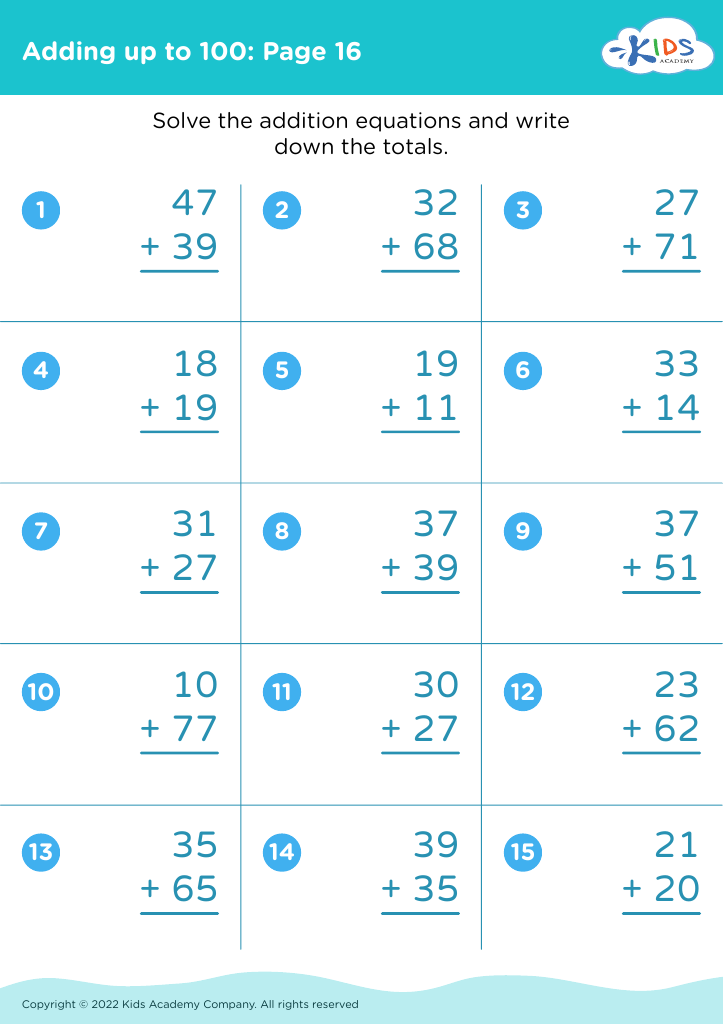
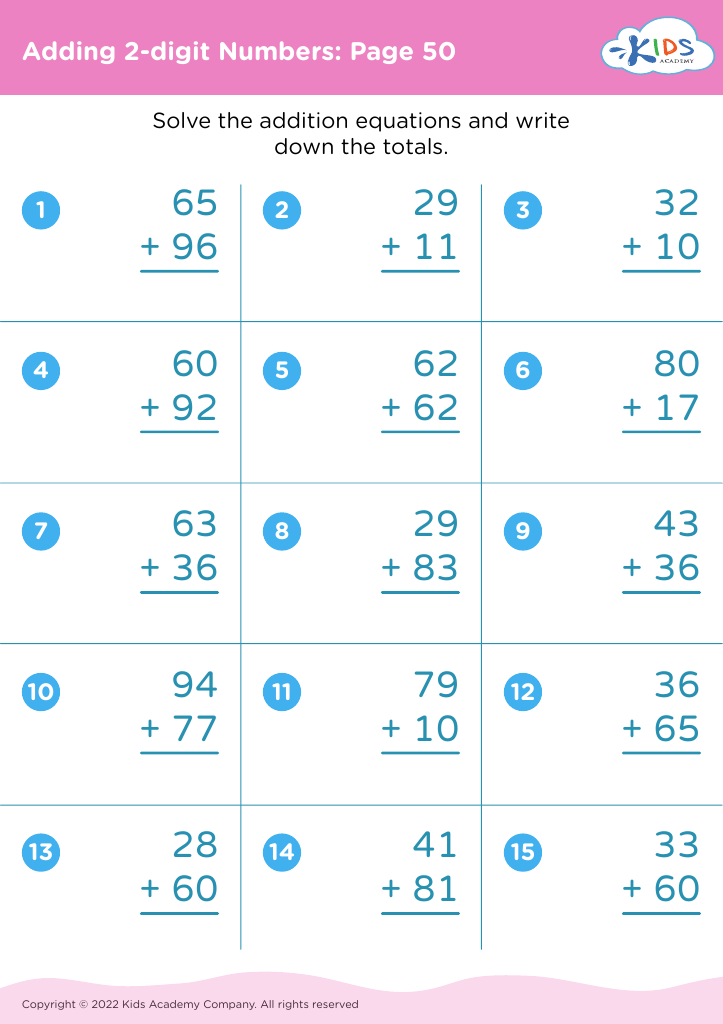
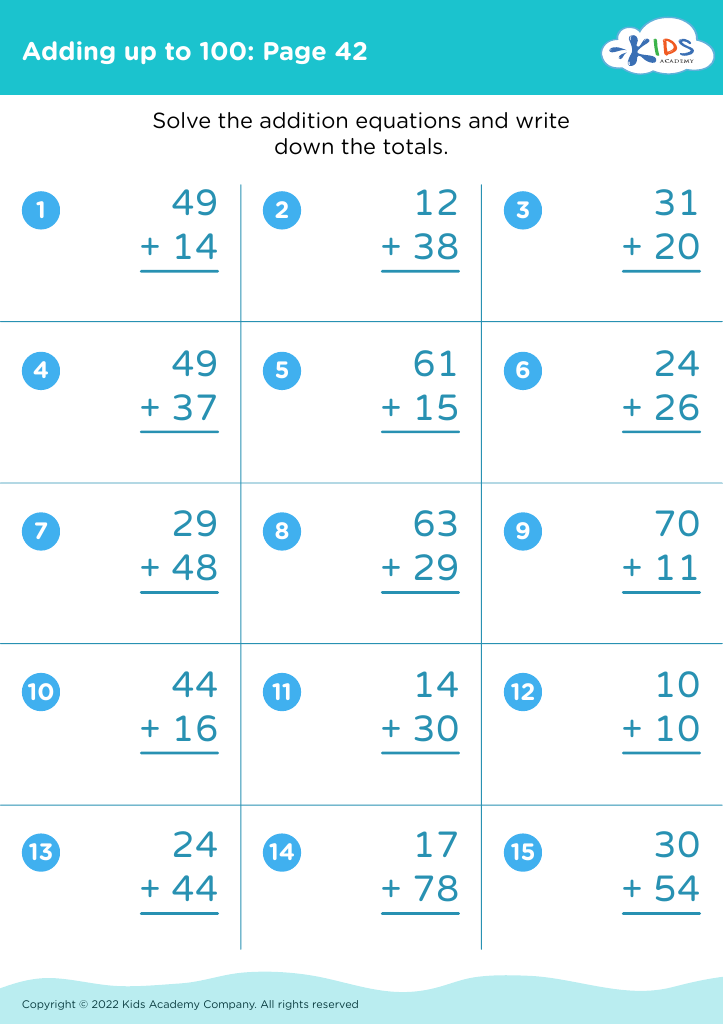
Explore our Letter Recognition Math Worksheets for Ages 6-8 to seamlessly combine literacy and numeracy skills. Tailored for young learners, our engaging and colorful worksheets help children identify letters while simultaneously practicing basic math concepts. Perfect for both classroom and at-home activities, these printables promote cognitive development and ensure foundational skills in early education. They support children in improving letter recognition pivotal for reading proficiency and foster a love for math in an entertaining way. Begin the journey to academic success with our expertly crafted worksheets, designed to make learning interactive and enjoyable. Visit Kids Academy for more resources today!
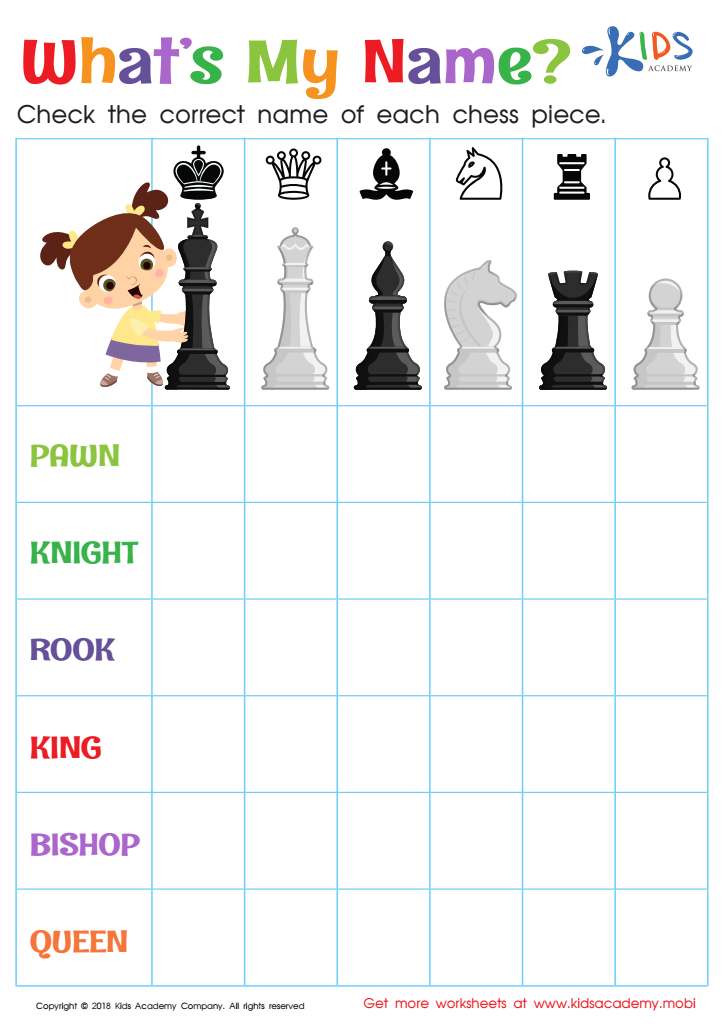
What's My Name? Worksheet
 Assign to My Students
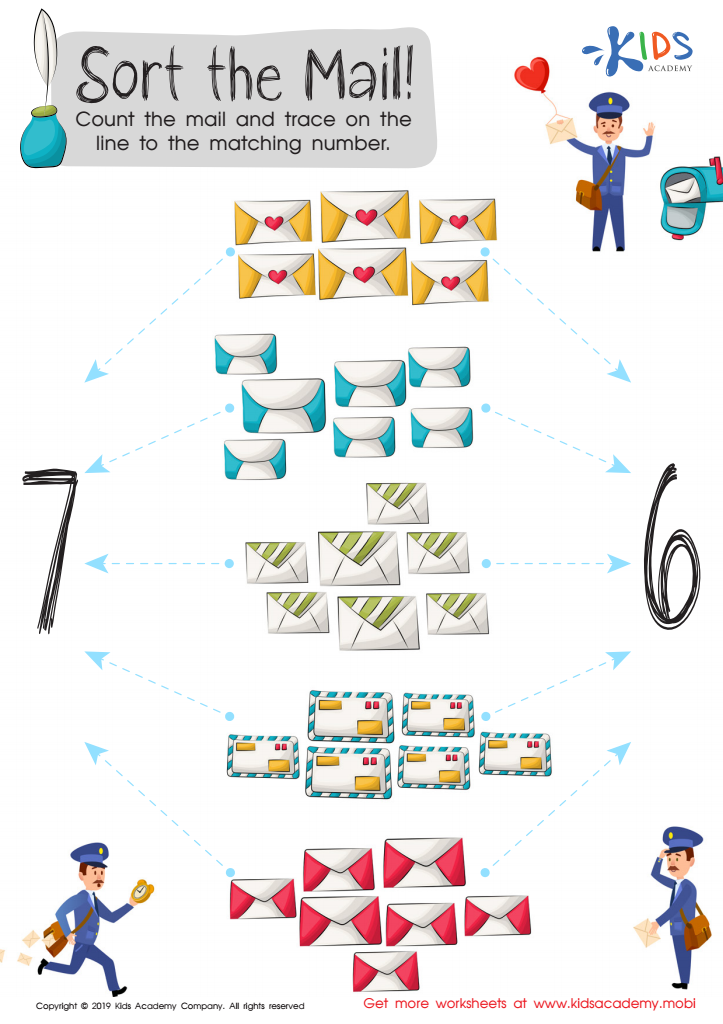
Sort the Mail Worksheet








Letter recognition is foundational to a child's academic success, especially for children aged 6-8. At this critical developmental stage, children transition from recognizing shapes and symbols to understanding the symbolic significance of letters in language and numerals in mathematics. Proficiency in letter recognition underpins the ability to read and write, which are essential skills for all areas of learning. When children can easily identify letters, they can better decode words, facilitating fluent reading and comprehensive understanding. Improved letter recognition also boosts confidence, promoting a positive attitude toward learning.
On the mathematical front, recognizing numbers and understanding their relationships is crucial. Numeric recognition helps children grasp basic math concepts like counting, addition, and subtraction. Mastery of these early skills forms the bedrock for more complex mathematical concepts they will encounter later, such as multiplication, division, and problem-solving.
Teachers and parents who emphasize letter and number recognition contribute significantly to a child's cognitive development. This early intervention sets the stage for future academic achievements and fosters an intrinsic love of learning. Cultivating these foundational skills encourages intellectual curiosity, enhances classroom participation, and equips children with the necessary tools for lifelong educational success. Supporting letter and number recognition in children aged 6-8 is crucial for well-rounded, academic, and personal development.








