Observation skills Math Worksheets for Ages 6-8
4 filtered results
-
From - To
Discover our engaging Observation Skills Math Worksheets designed for ages 6-8 at Kids Academy! These printable activities help young learners enhance their visual perception, critical thinking, and problem-solving abilities while having fun with math. Each worksheet is crafted to improve attention to detail and reinforce concepts like patterns, shapes, counting, and spatial awareness. Perfect for classroom use or at-home practice, our worksheets are a valuable resource for developing essential early math skills that build a solid foundation for future learning. Make math more exciting and productive with our expertly designed Observation Skills Worksheets today!
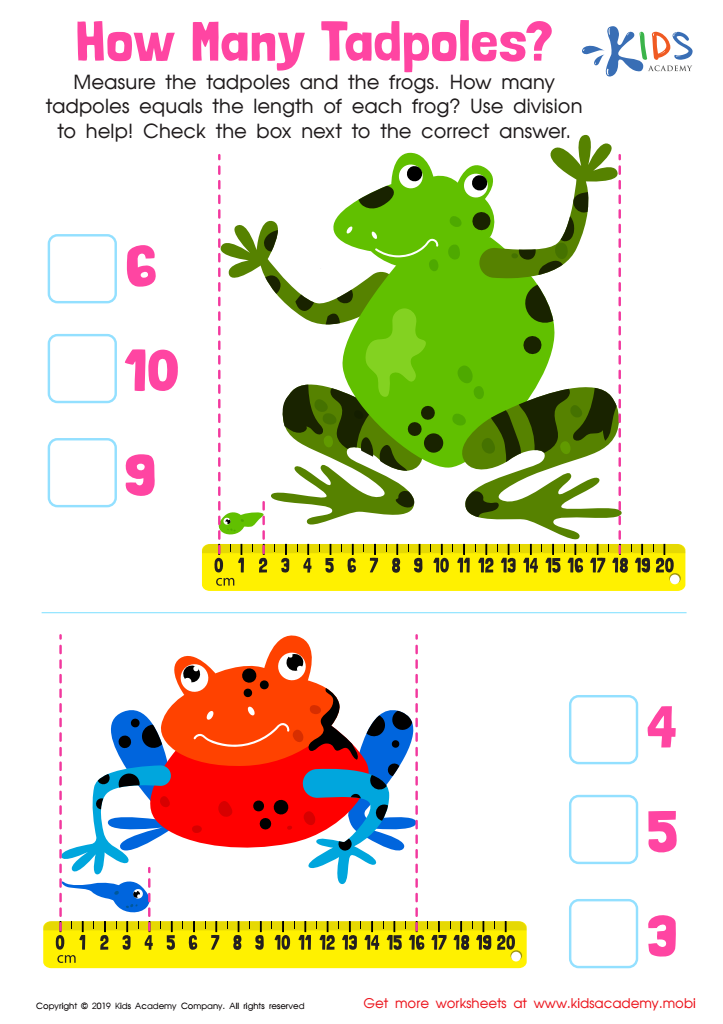
How Many Tadpoles Worksheet
 Assign to My Students
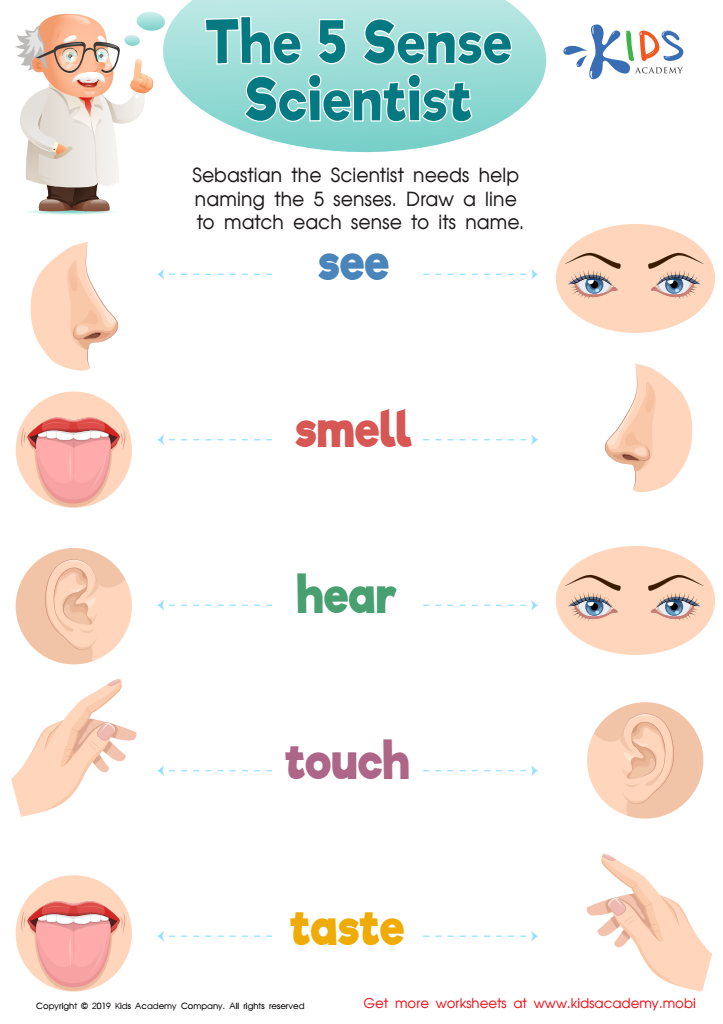
The 5 Sense Scientist Worksheet
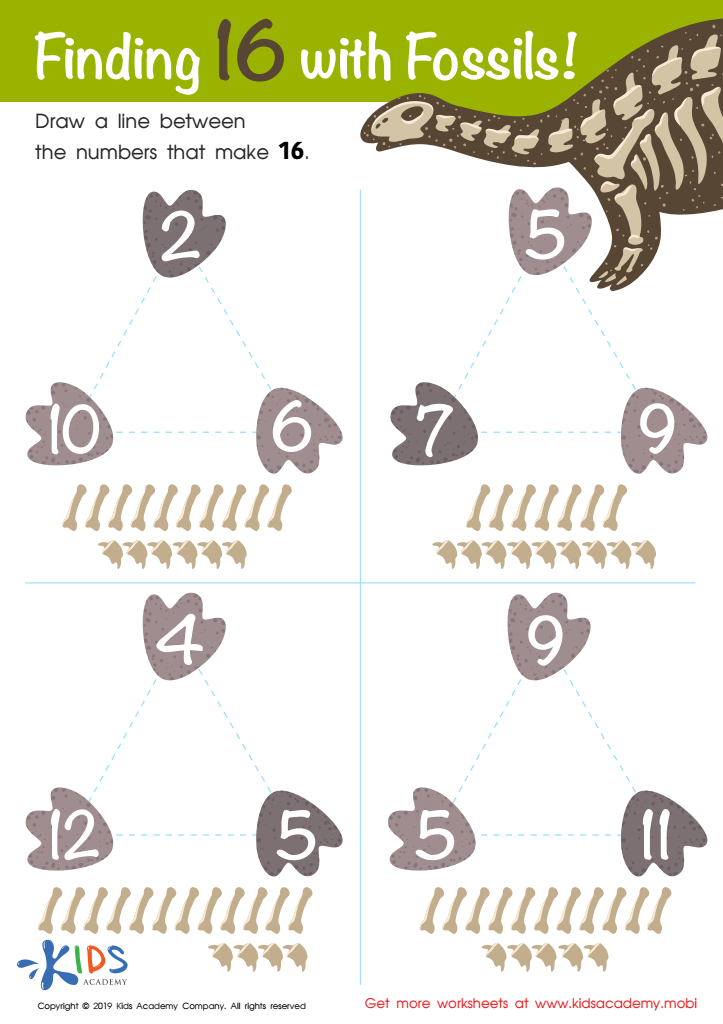
Finding 16 With Fossils Worksheet








Observation skills in mathematics for ages 6-8 are crucial as they lay the foundational understanding for more complex math concepts later on. At this developmental stage, children are naturally curious and open to learning, making it the perfect time to cultivate strong observational abilities.
Firstly, observation skills help young learners make sense of the world around them. By observing patterns, shapes, and numbers, children begin to recognize various mathematical concepts in everyday life. This turns abstract ideas into tangible experiences, making math less intimidating and more relatable.
Secondly, enhancing observation skills nurtures critical thinking. When children learn to carefully notice details and patterns, they start to develop abilities to compare, categorize, and identify relationships between different elements. This analytical thinking forms the groundwork for problem-solving skills, essential for more advanced mathematics.
Moreover, strong observational skills facilitate better concentration and attention to detail. These qualities are not only vital for success in school but also contribute to a well-rounded cognitive development. For teachers and parents, fostering these skills helps identify a child’s strengths and areas needing improvement, enabling more personalized teaching strategies.
In summary, promoting observation skills in early math education equips children with fundamental tools for academic success and cognitive growth. Engaged and observant learners are more likely to succeed in both math and other areas of life.








