Problem-solving abilities Math Worksheets for Ages 6-8 - Page 2
45 filtered results
-
From - To
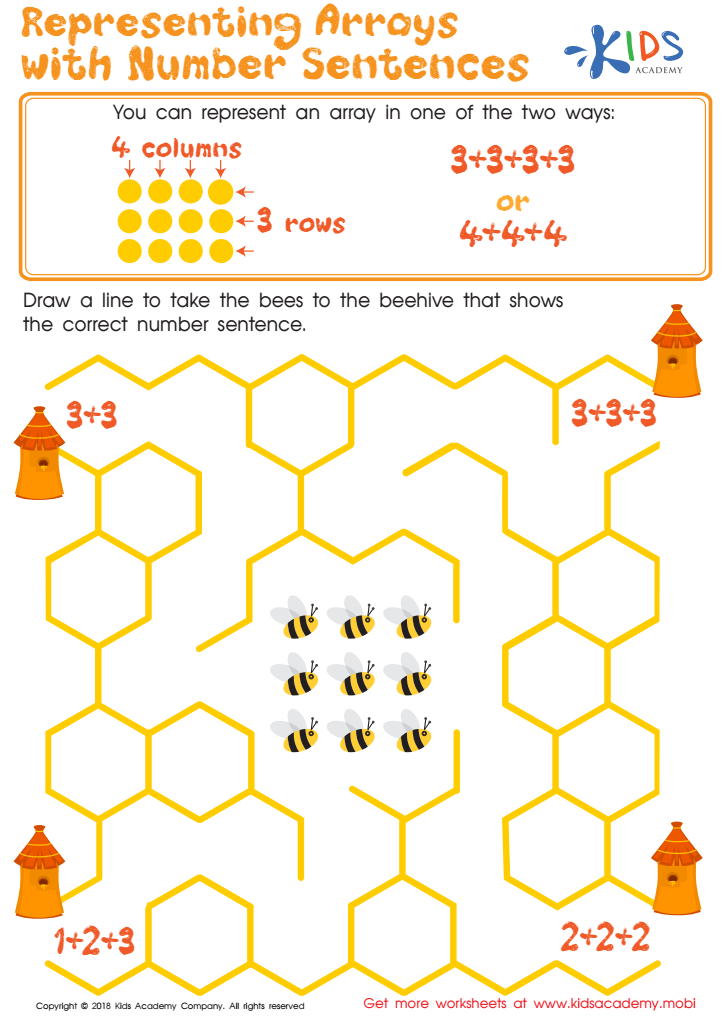
Representing Arrays with Number Sentences Worksheet
 Assign to My Students
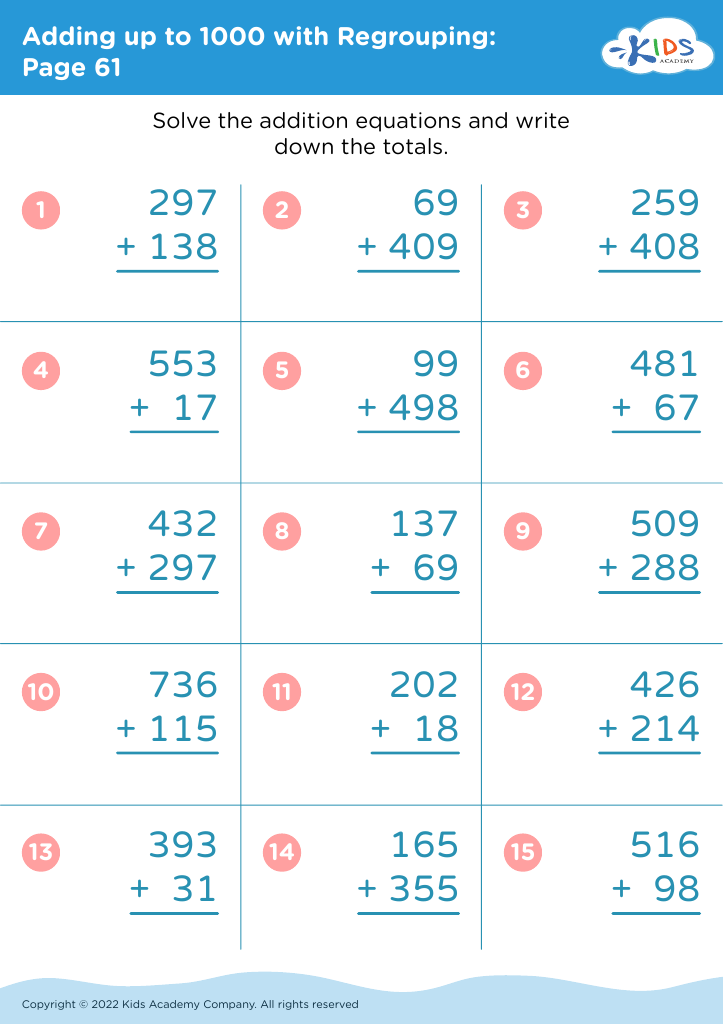
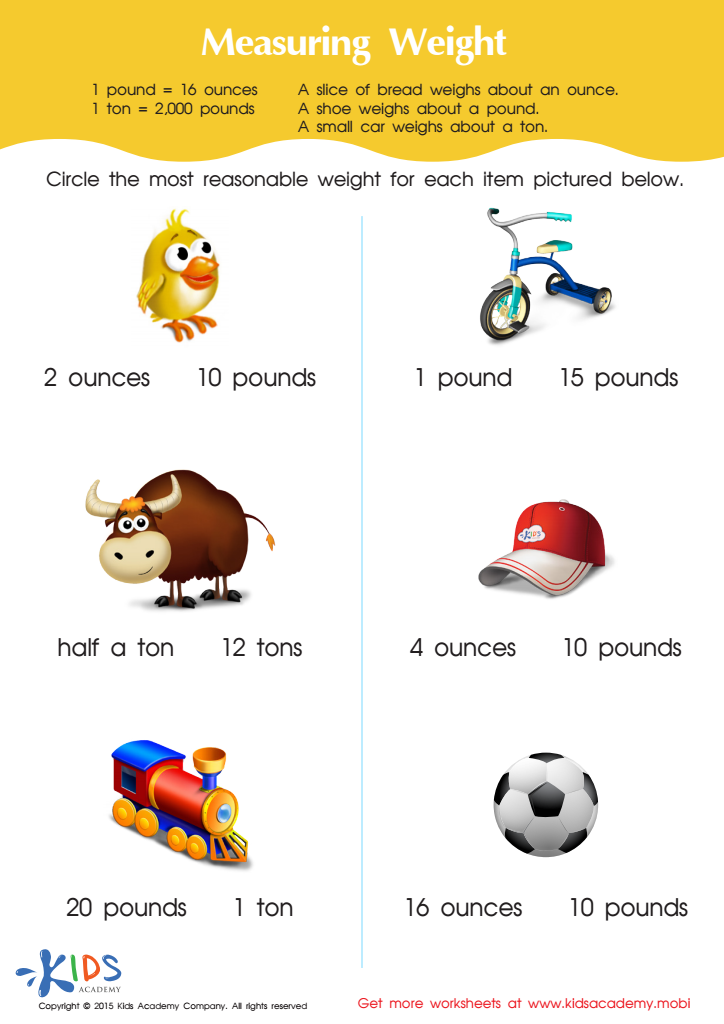
Measuring Weight in Ounces, Pounds and Tons (Part 2) Worksheet
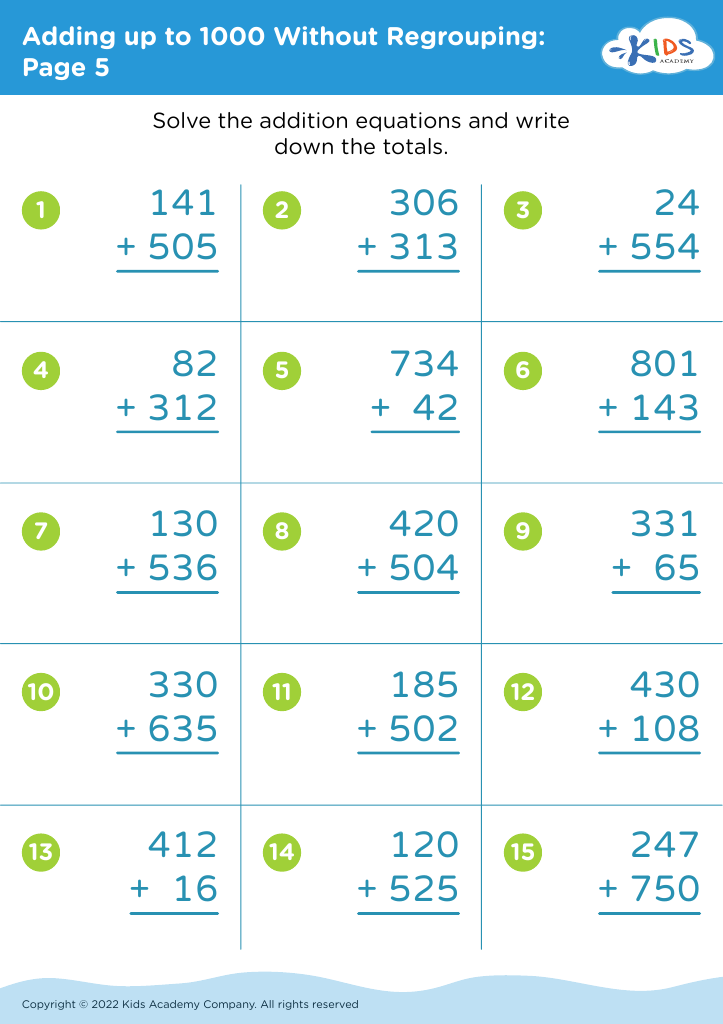
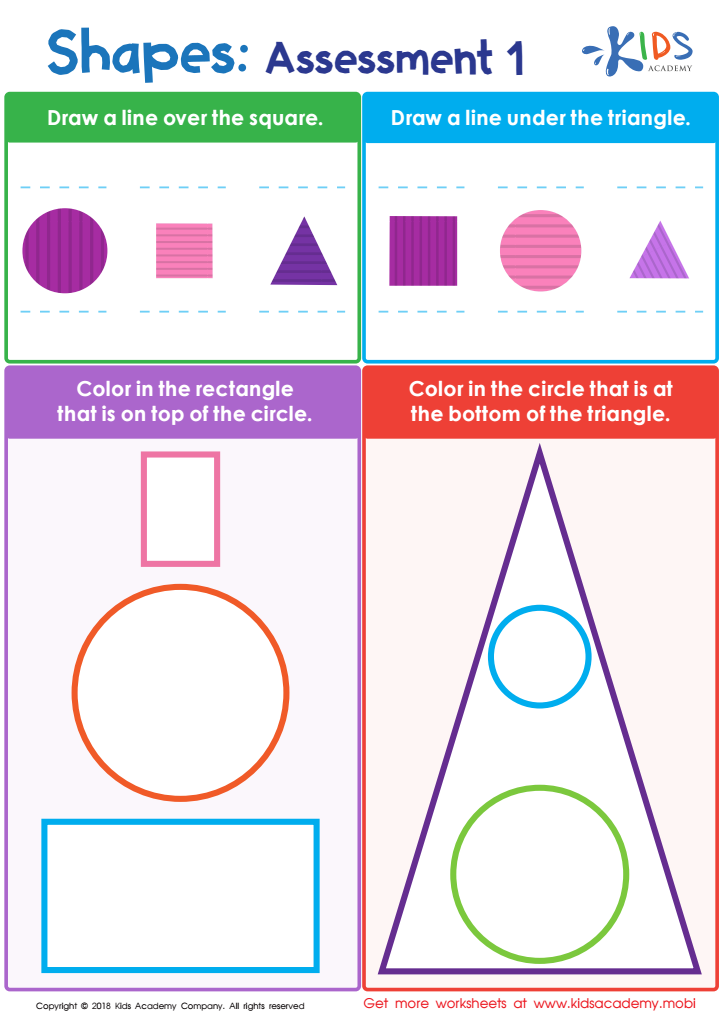
Shapes: Assessment 1 Worksheet
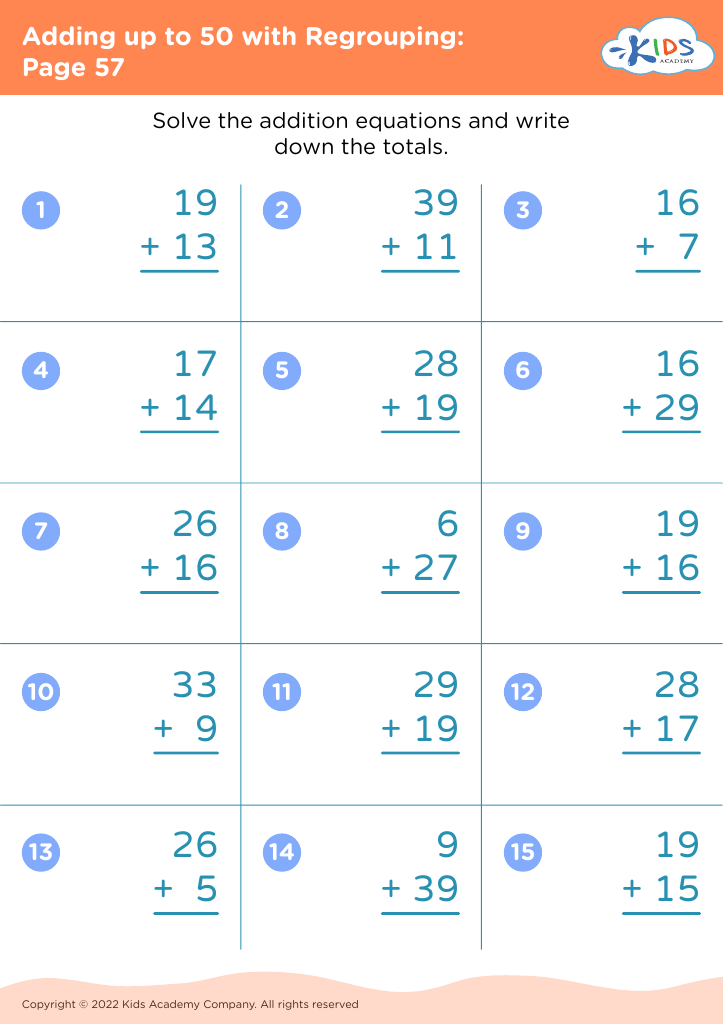
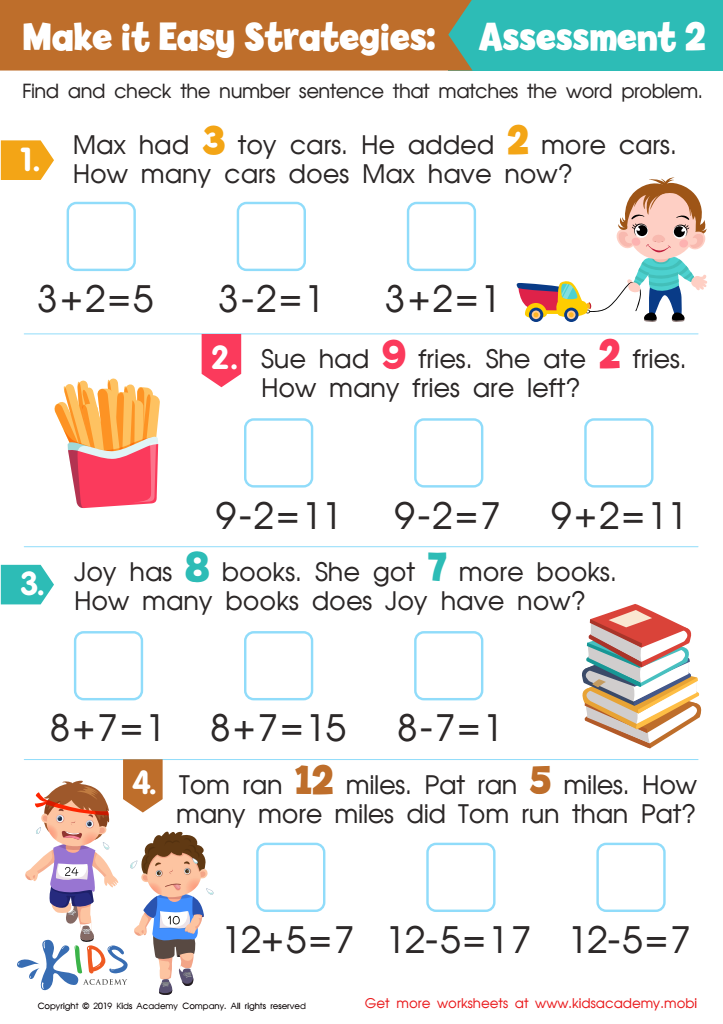
Make it Easy Strategies: Assessment 2 Worksheet
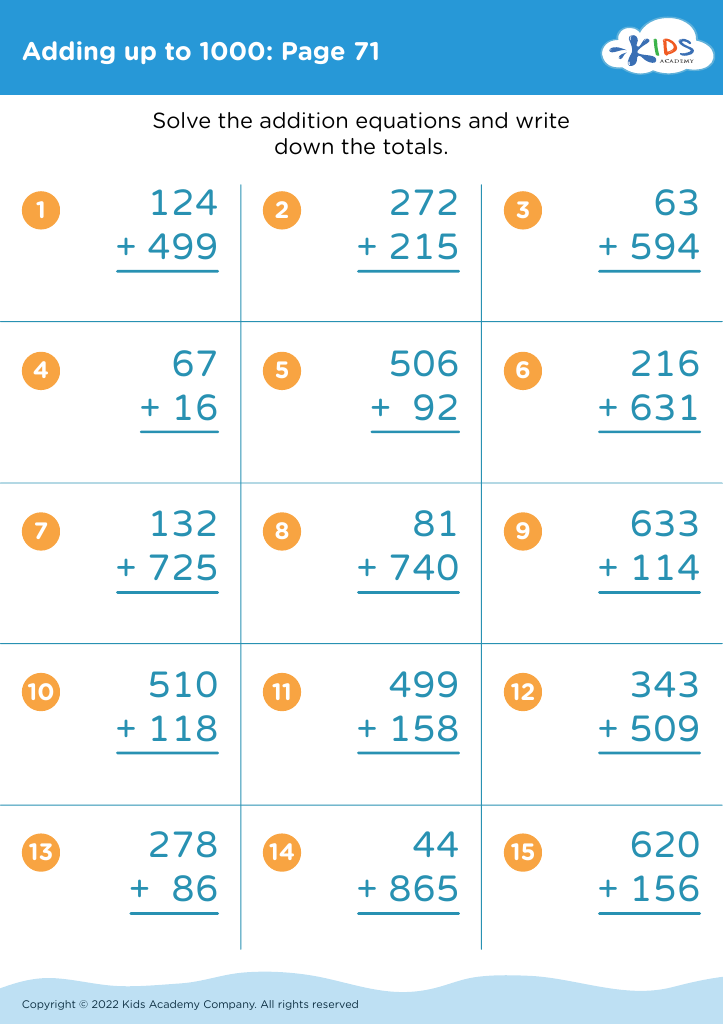
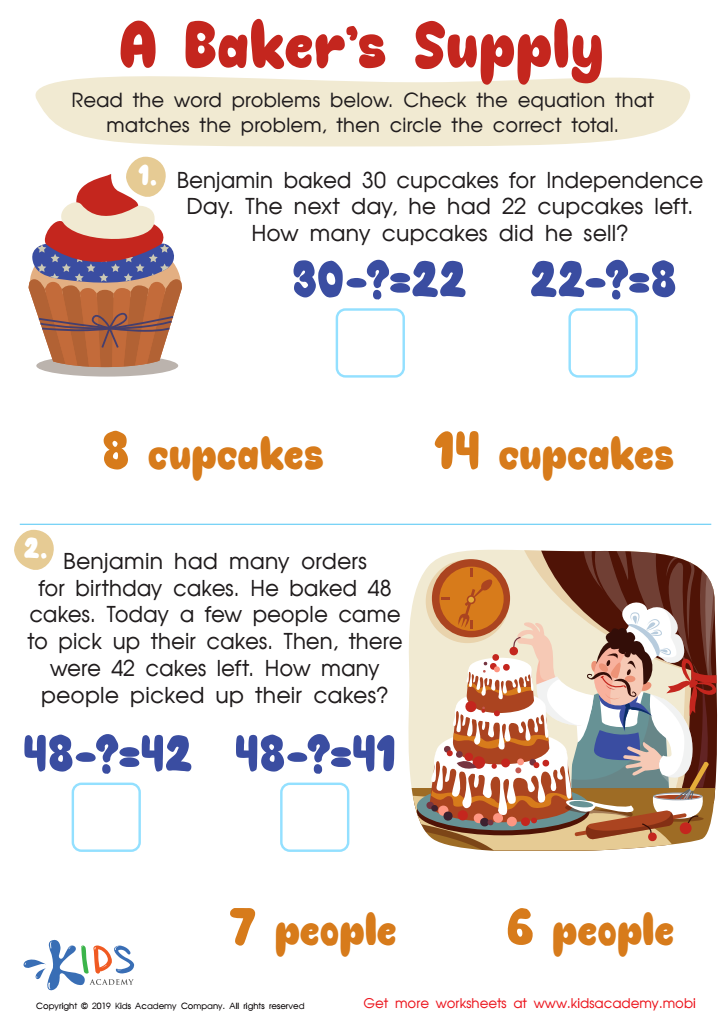
A Baker's Supply Worksheet
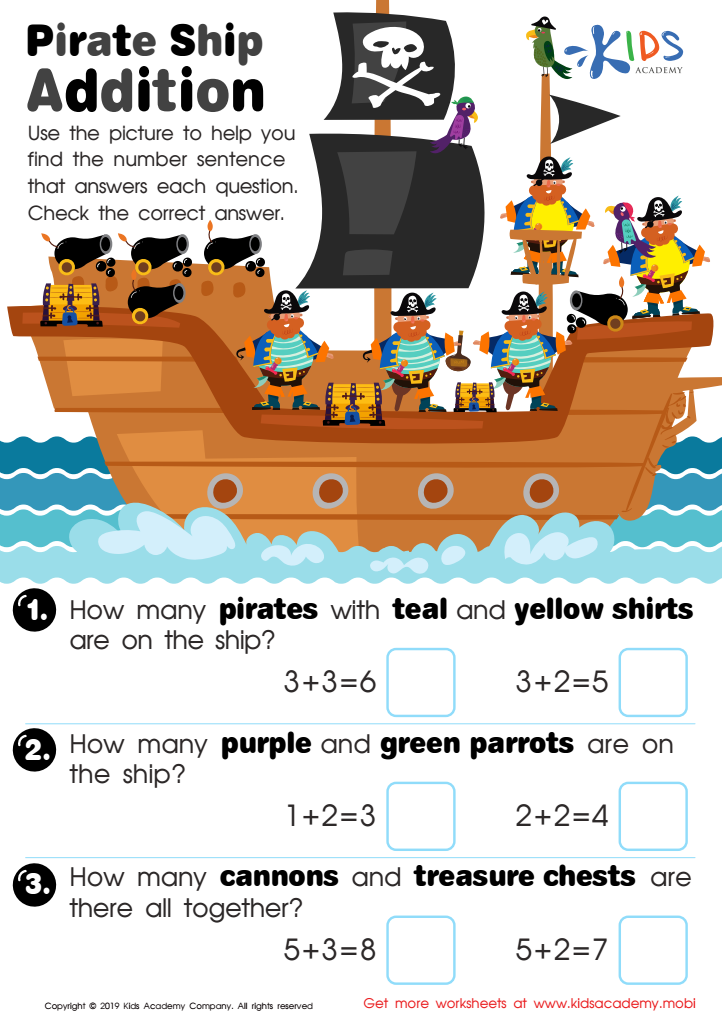
Pirate Ship Addition Worksheet
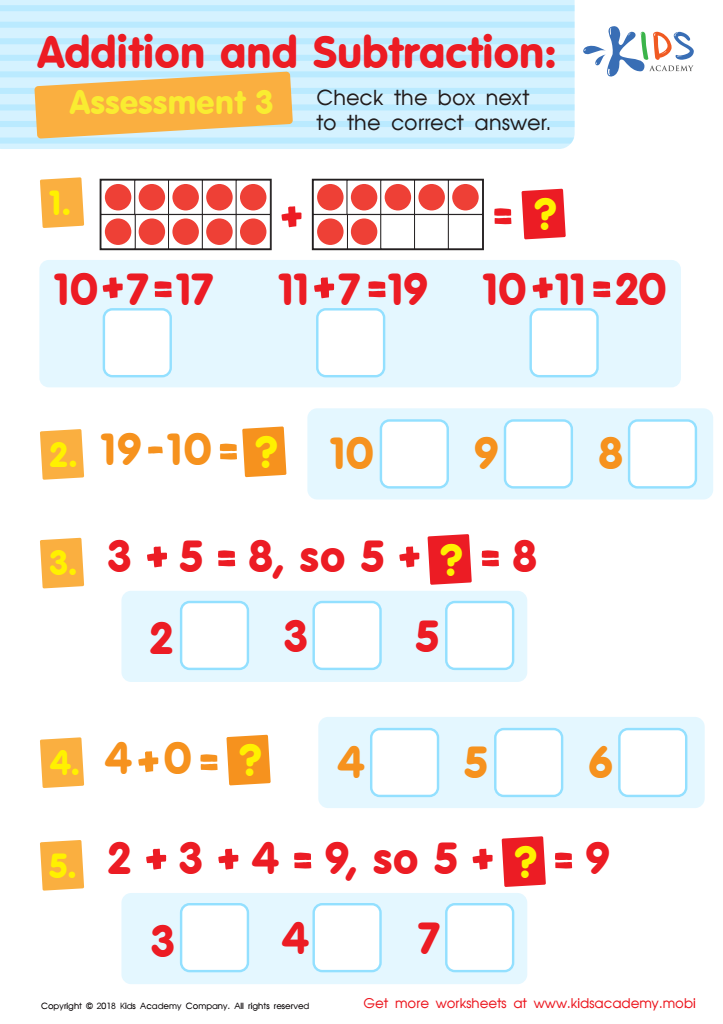
Addition and Subtraction Assessment 3 Worksheet

Sweet Shop – Counting Coins Worksheet
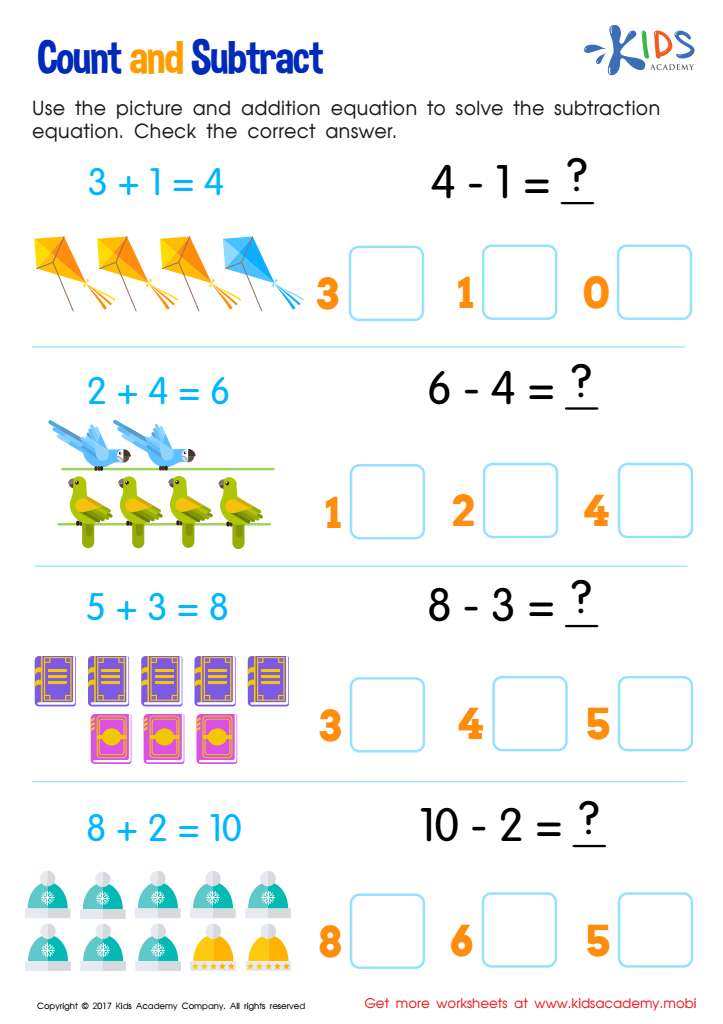
Count and Subtract Worksheet
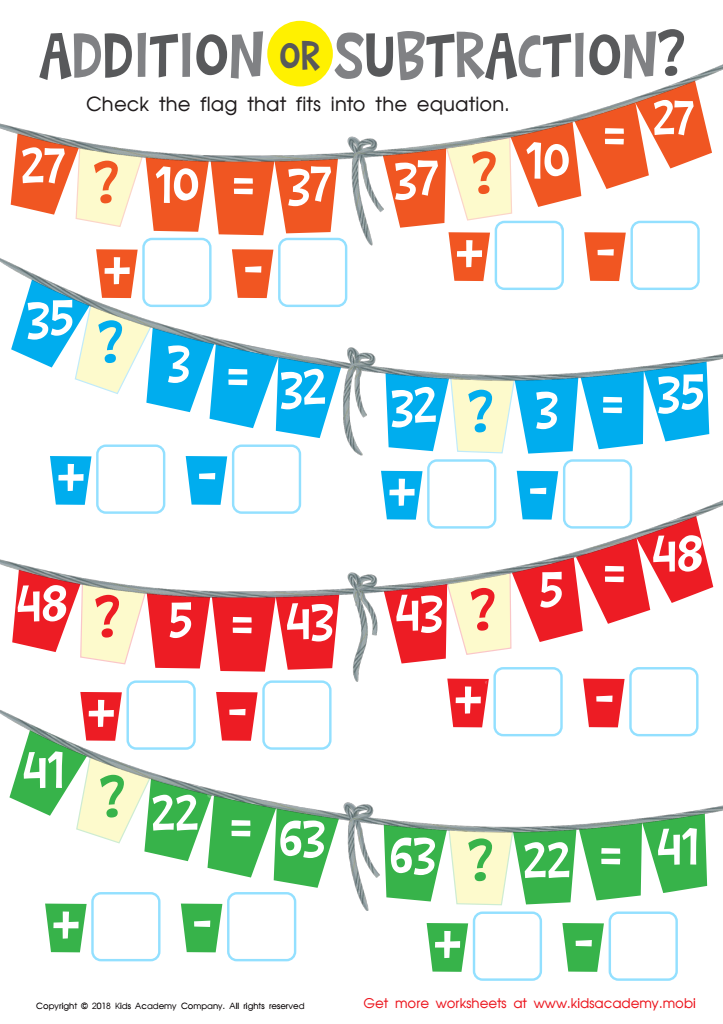
Addition or Subtraction? Worksheet
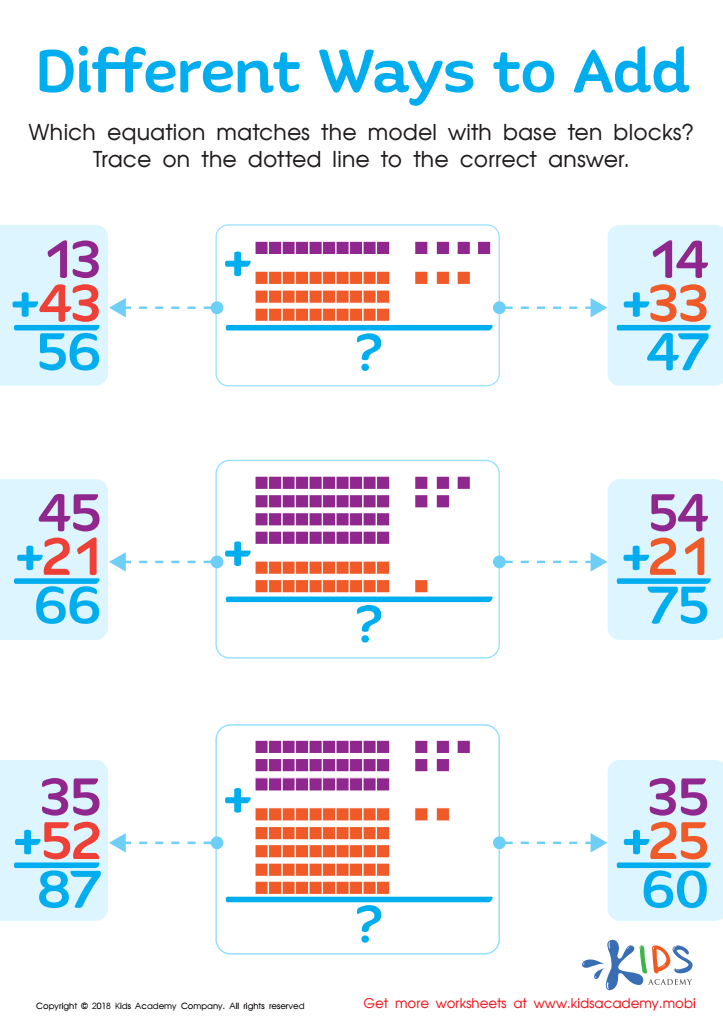
Different Ways to Add Worksheet

Sudoku Worksheet
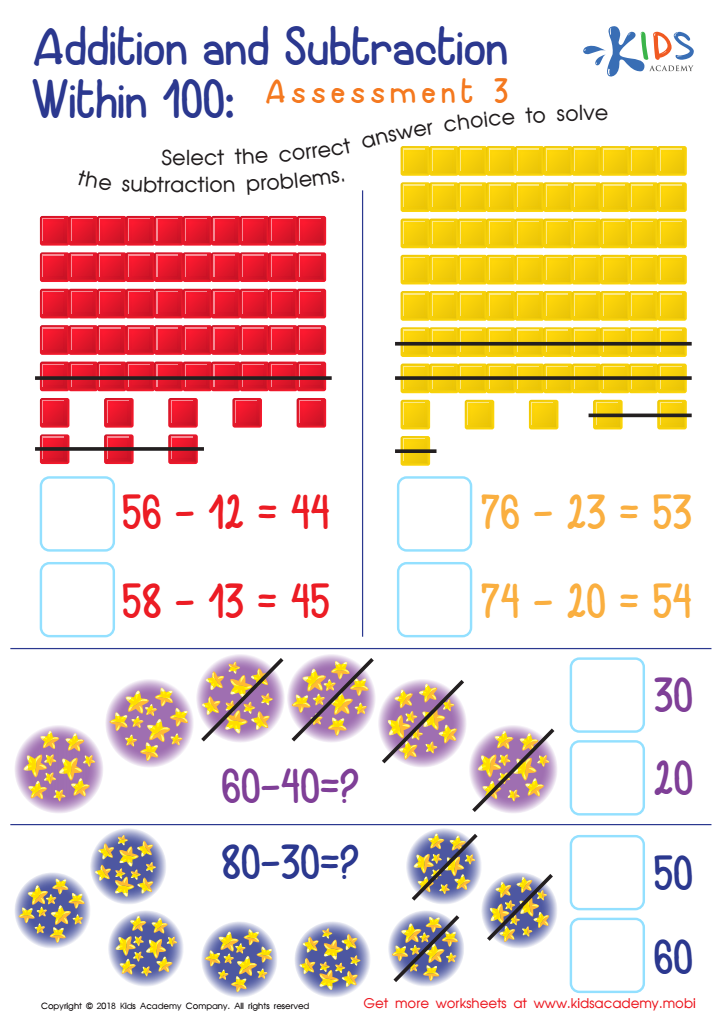
Addition and Subtraction Within 1: Assessment 3 Worksheet
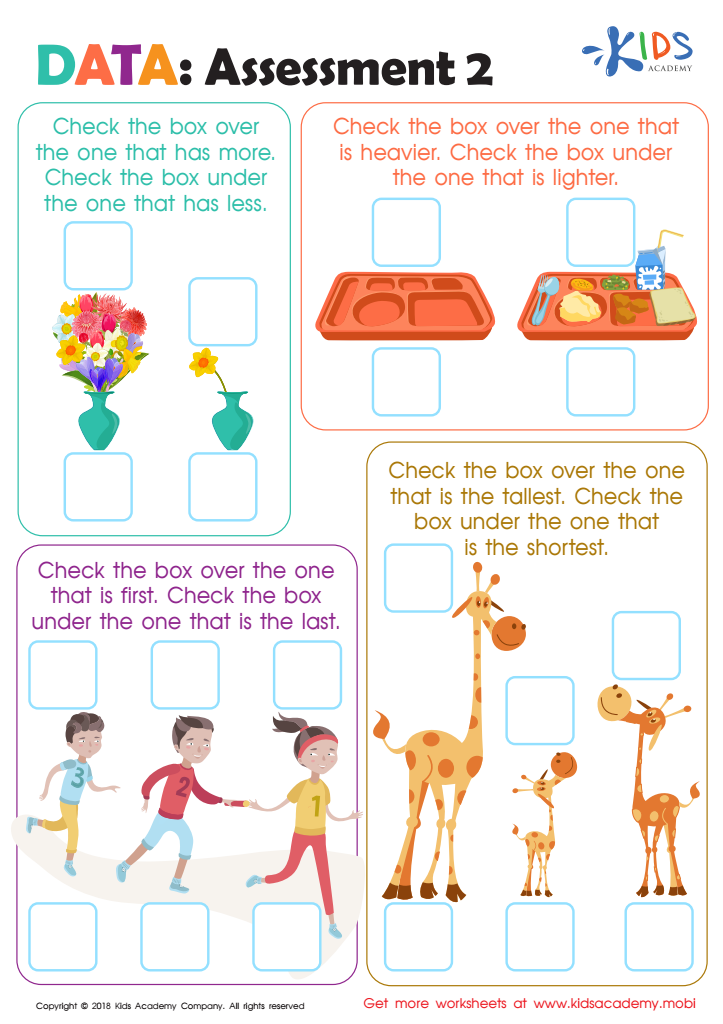
Data: Assessment 2 Worksheet
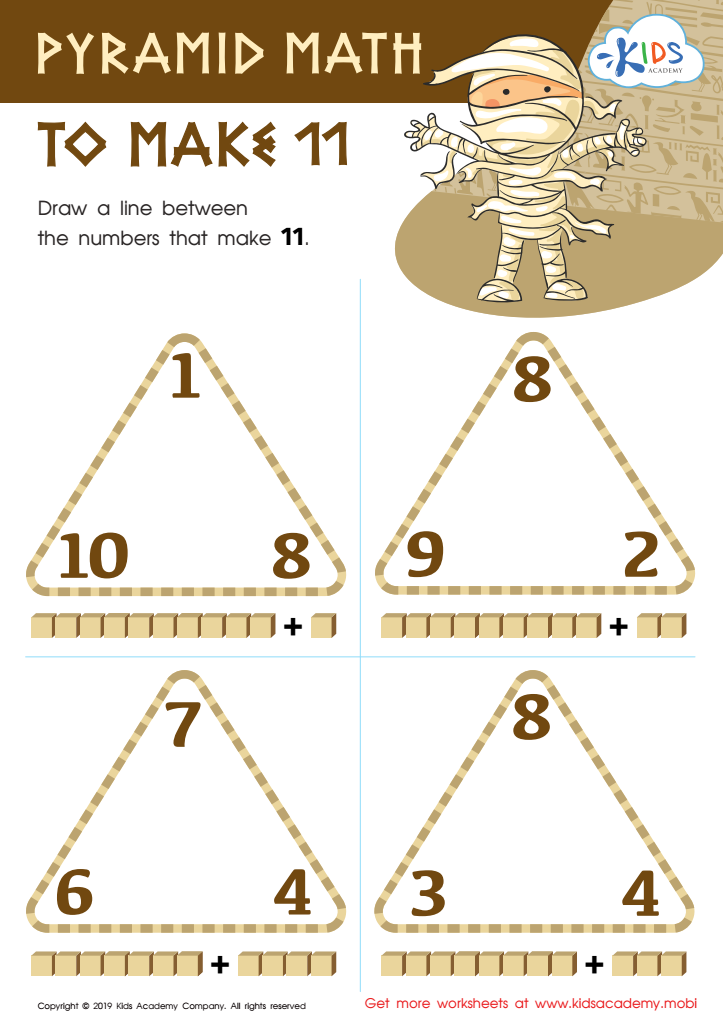
Pyramid Math to Make 11 Worksheet








Parents and teachers should prioritize problem-solving abilities in math for children aged 6-8 because these skills lay the foundation for future academic success and logical thinking. At this age, children are naturally curious and eager to explore their world, making it an ideal time to cultivate analytical reasoning and creative thought through math. Problem-solving enhances critical thinking, enabling young learners to analyze situations, identify patterns, and formulate strategies—skills valuable across all subject areas and real-life situations.
Moreover, developing strong problem-solving skills boosts a child's confidence, encouraging them to tackle challenges rather than shy away from them. This mindset fosters resilience and persistence, qualities that are essential for both academic and personal growth. Additionally, math problem-solving can be integrated with fun and engaging activities, bridging learning with play.
Encouraging these abilities early on helps prevent math anxiety and creates a positive attitude towards the subject, shaping future learning experiences. It also promotes collaboration, as many math problems can be solved collaboratively, encouraging communication skills and teamwork. Ultimately, nurturing problem-solving skills not only prepares children academically but also equips them with essential life skills that will serve them well beyond their early years.








