Recognizing numbers Math Worksheets for Ages 6-8
8 filtered results
-
From - To
Discover a fantastic collection of "Recognizing Numbers Math Worksheets for Ages 6-8" perfect for young learners. Designed to enhance number recognition, these worksheets from Kids Academy help children master the basics of math through engaging and interactive exercises. With colorful illustrations and fun activities, children will enjoy practicing number identification, sequencing, and counting. These resources are ideal for building a strong mathematical foundation essential for future learning. Perfect for both classroom and home use, our worksheets support educators and parents in making math fun and accessible for kids, boosting their confidence and skills in math.
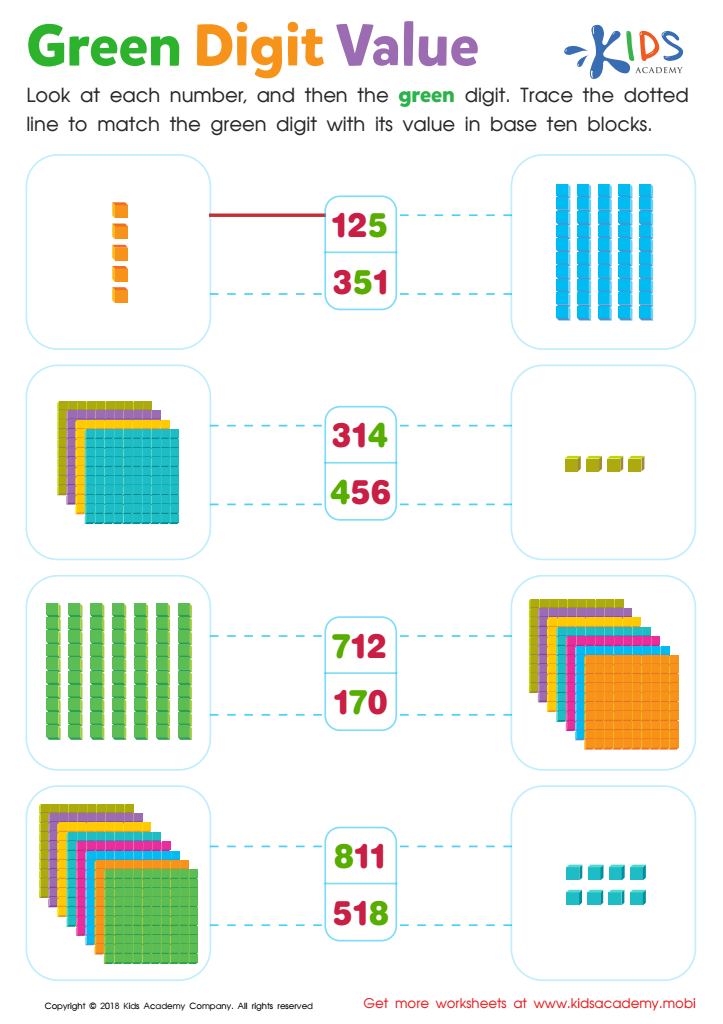
Green Digit Value Worksheet
 Assign to My Students
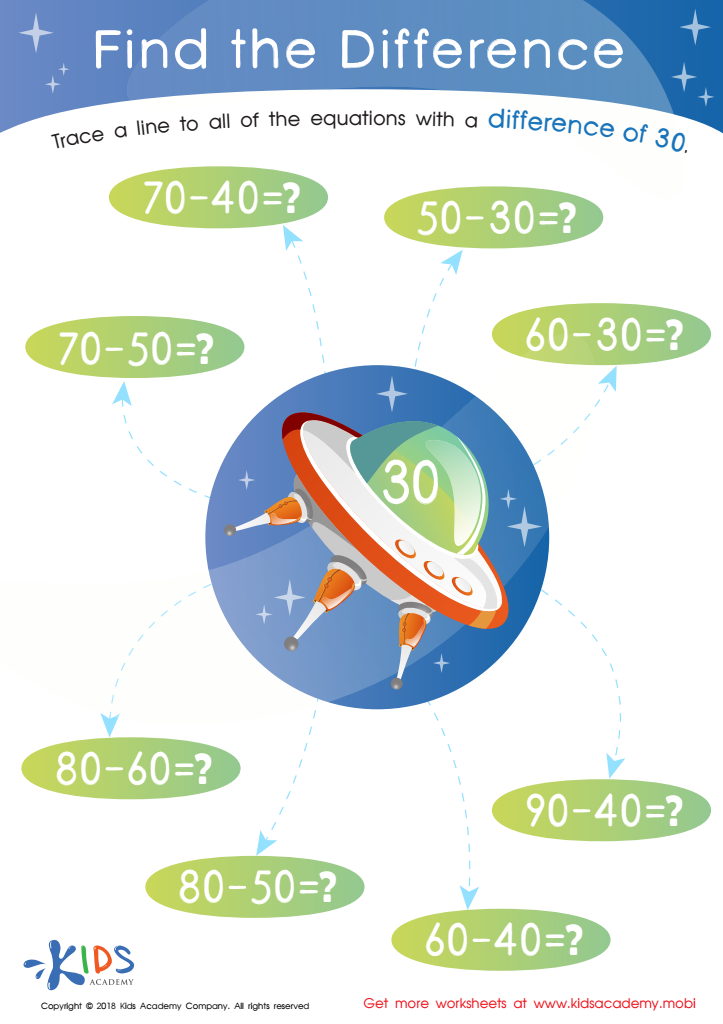
Find The Difference Worksheet
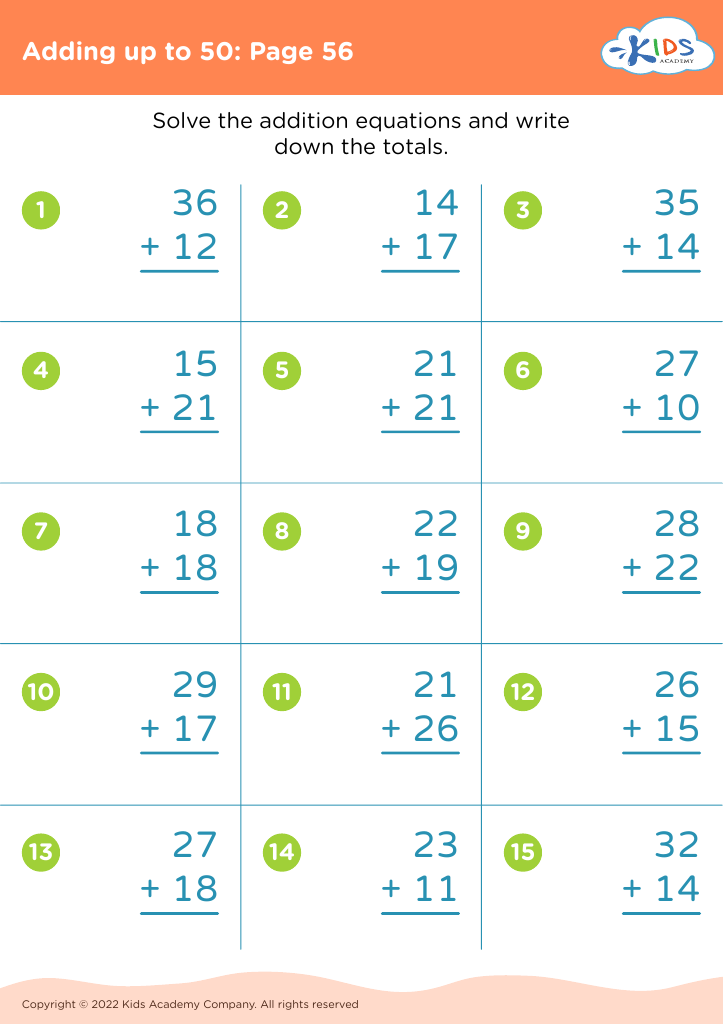
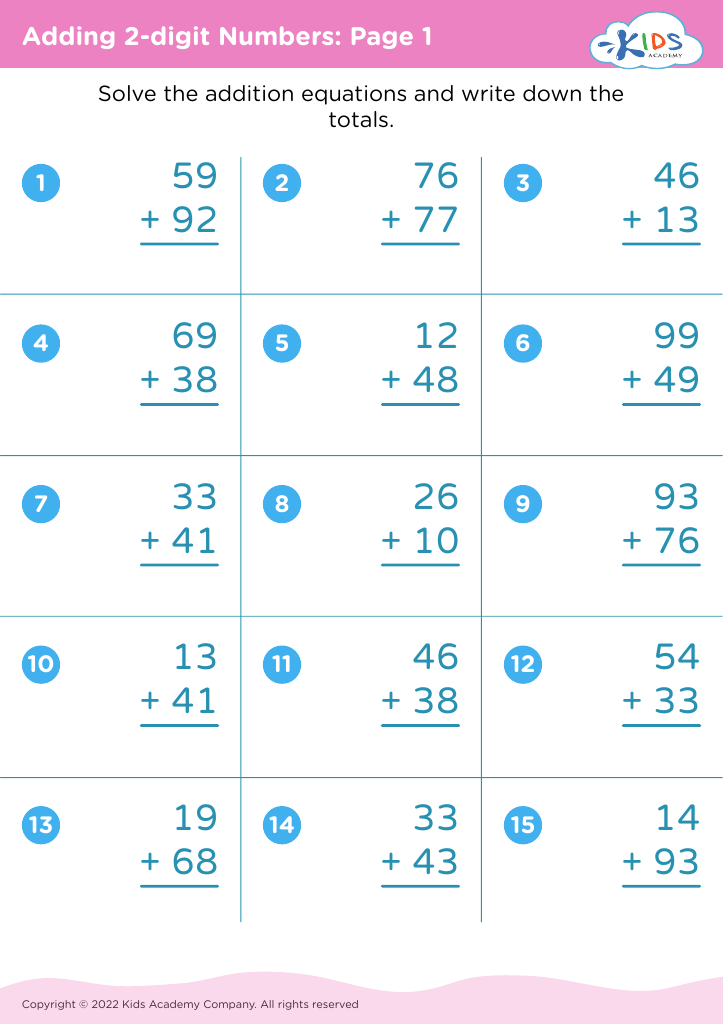
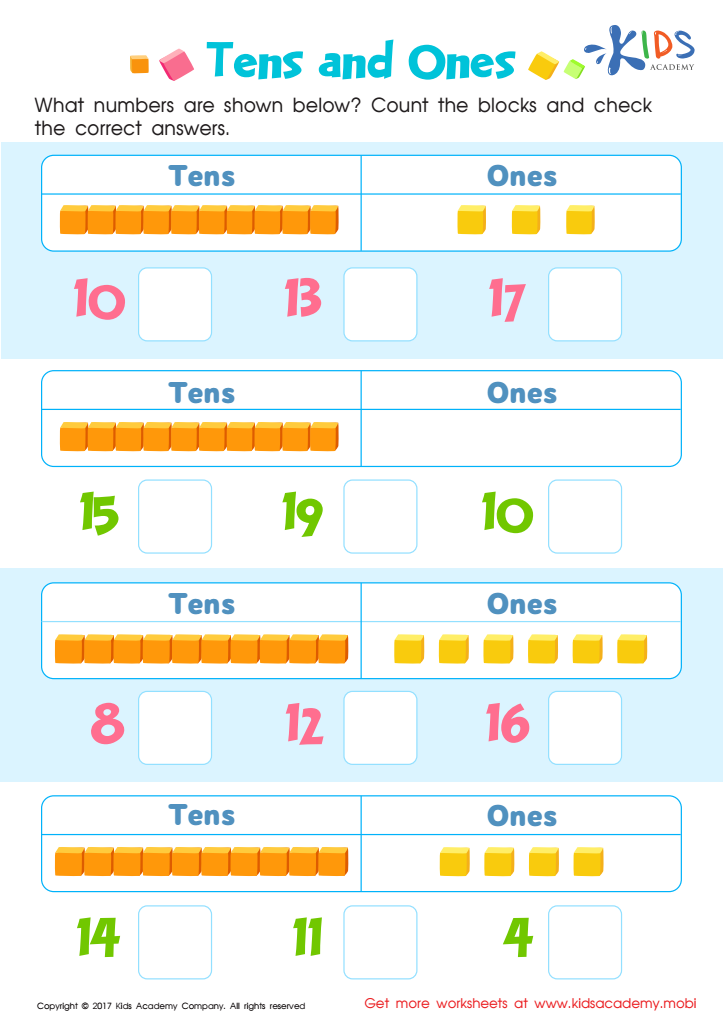
Tens and Ones Worksheet
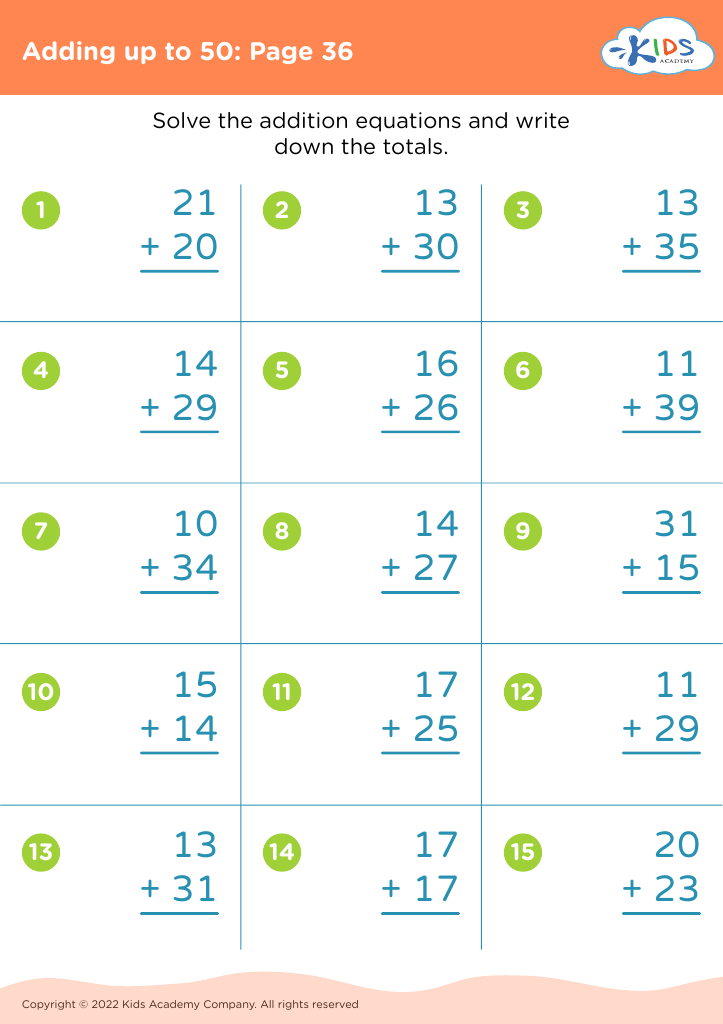
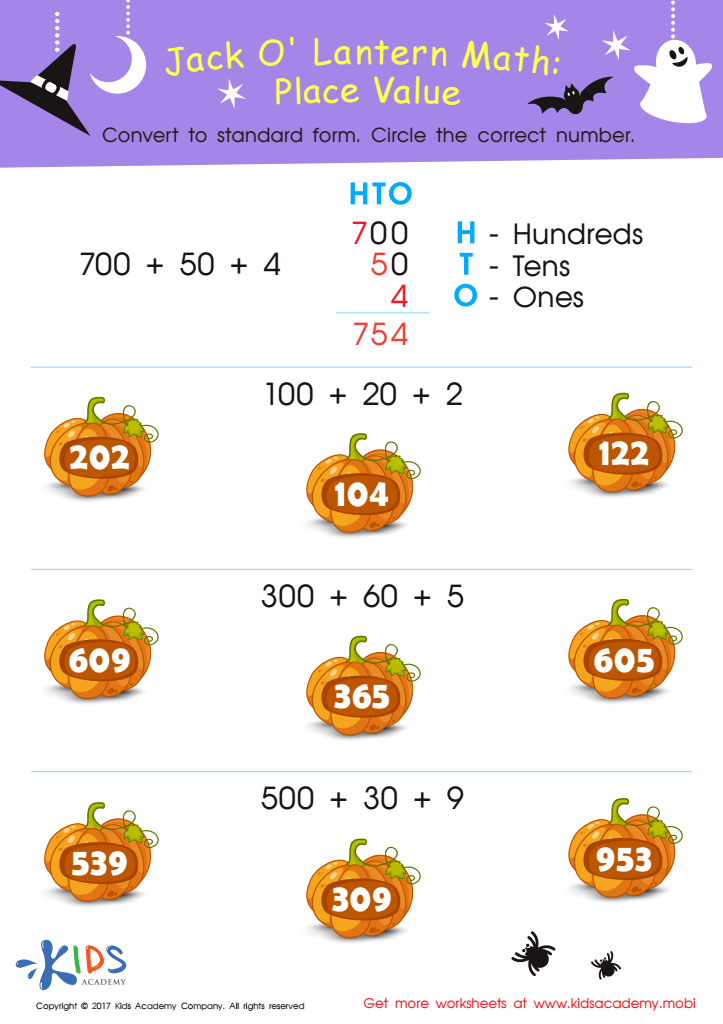
Free Place Value Worksheet
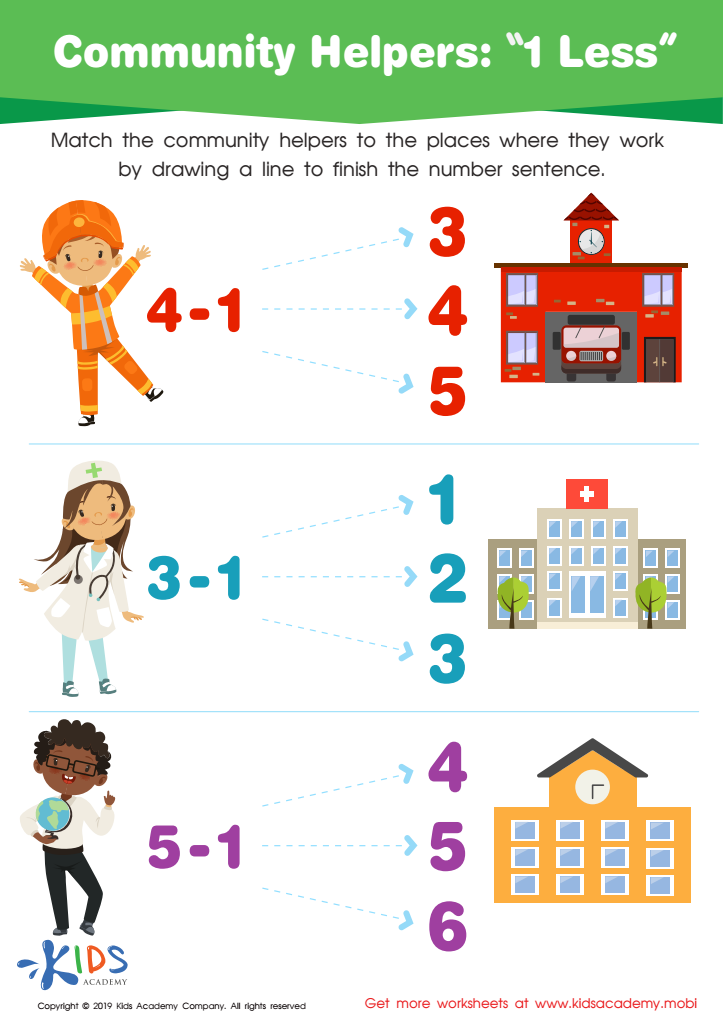
Community Helpers: 1 less Worksheet








Recognizing numbers is a fundamental skill for children ages 6-8, forming the foundation for future mathematical learning and daily life activities. During these formative years, children develop a keen sense of curiosity and are highly receptive to new skills. Knowing numbers enables them to understand and engage with more complex mathematical concepts such as addition, subtraction, and eventually multiplication and division.
For parents, helping children recognize numbers ensures they are adequately prepared for school, enhancing their confidence and reducing anxiety related to mathematics. It creates opportunities for fun, everyday learning experiences, such as counting items during grocery shopping or playing educational games at home. These activities also strengthen the parent-child bond.
Teachers, on the other hand, see that students who confidently recognize numbers are more likely to participate in class, understand assignments, and perform better academically. They can progress through the curriculum more smoothly and are disposed to less frustration or fear associated with math.
Moreover, recognizing numbers is crucial for life skills beyond academics. Kids use their number-recognition abilities in a multitude of scenarios like reading the time, handling money, and measuring ingredients for recipes. Therefore, fostering number recognition aligns with preparing children for a successful, well-rounded future.








