Recognizing Patterns Math Worksheets for Ages 6-8 - Page 2
27 filtered results
-
From - To
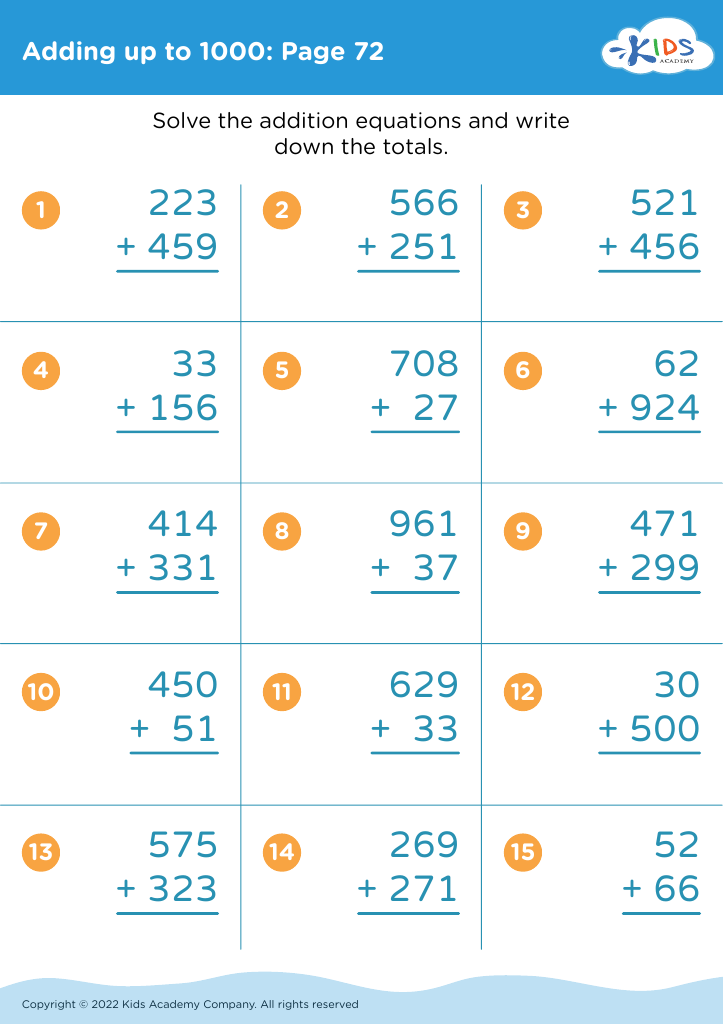
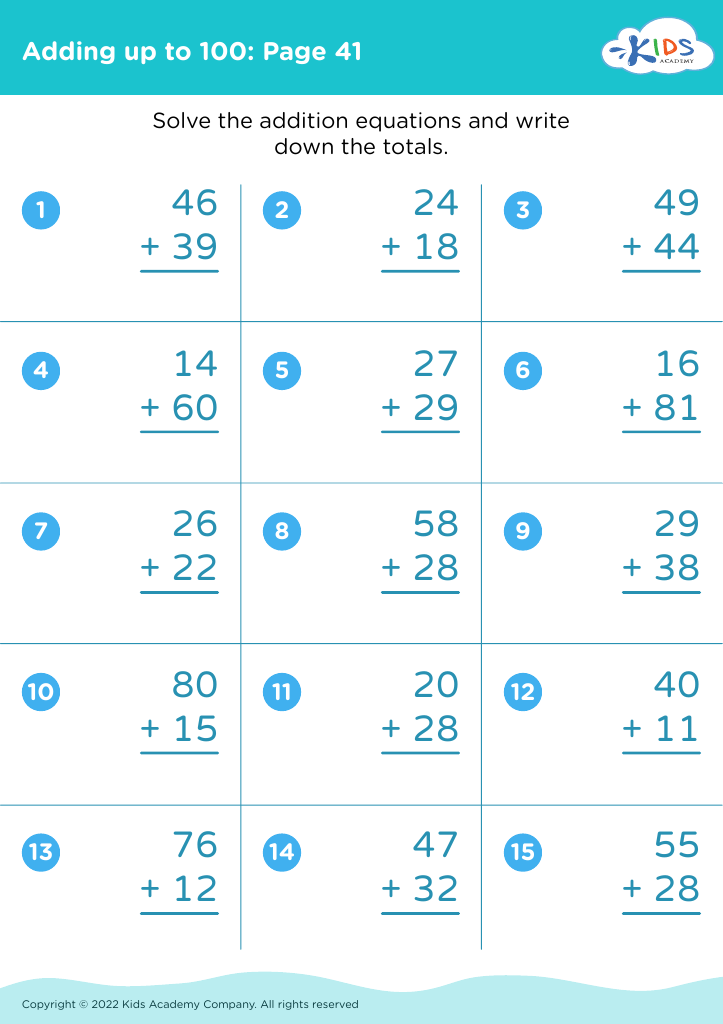
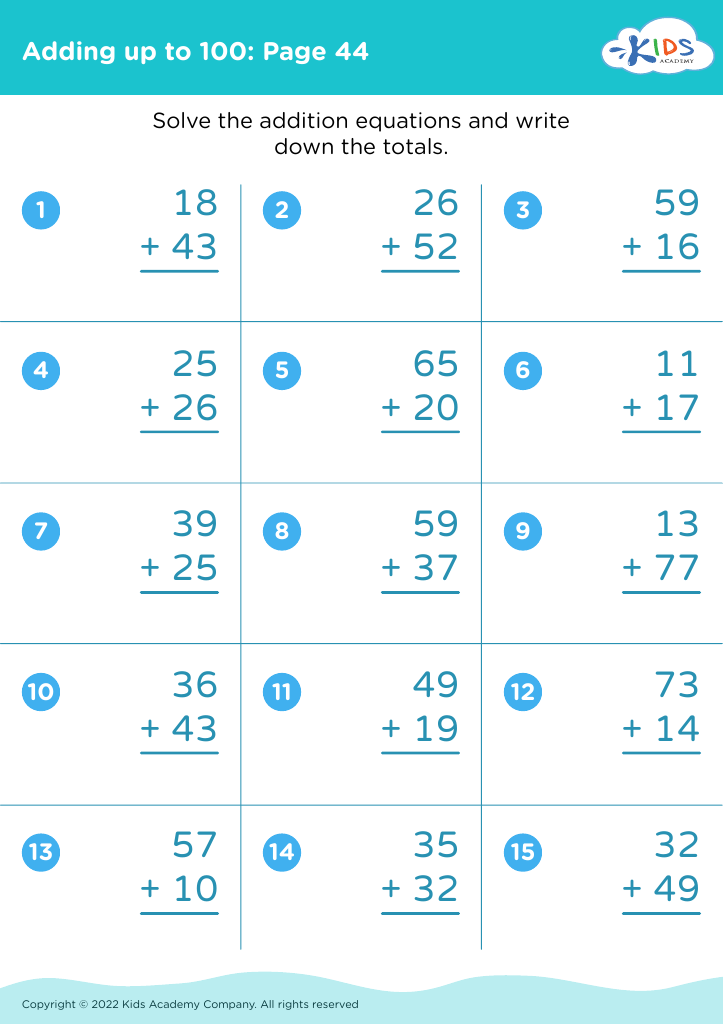








Recognizing patterns is a foundational skill in mathematics, especially for children ages 6-8, and it is crucial that both parents and teachers understand its importance. Firstly, recognizing patterns helps children develop critical thinking and problem-solving skills. It encourages them to make connections between concepts, fostering a deeper understanding of mathematical operations and relationships. As children identify and extend patterns, they learn to notice relationships, which is essential for more complex mathematical concepts later on, such as algebra and geometry.
Moreover, pattern recognition supports cognitive development, as it enhances observational and analytical skills. Through engaging with patterns, children can learn to predict outcomes and draw conclusions based on evidence, which are vital skills not just in math, but across all areas of learning.
Additionally, recognizing patterns is applicable in everyday life, from understanding natural occurrences in the environment to making sense of sequences in everyday activities. This knowledge can boost children's confidence and instill a curiosity for learning. For educators and parents, fostering these skills can create a solid academic foundation, making math a more enjoyable and relatable subject for their children. Emphasizing pattern recognition during these formative years can thus significantly influence a child’s overall mathematical journey.








