Spatial understanding Math Worksheets for Ages 6-8
4 filtered results
-
From - To
Enhance your child's spatial understanding with our engaging math worksheets designed specifically for ages 6-8! These worksheets offer a variety of fun activities that help young learners develop crucial skills in visualization, shape recognition, and spatial reasoning. Through interactive exercises such as puzzles, mazes, and drawing tasks, children will explore concepts like position, direction, and three-dimensional shapes. Our resources make learning enjoyable while fostering a strong foundation for future mathematical success. Perfect for homeschooling or supplemental practice, these worksheets empower kids to confidently navigate the world of spatial relationships. Download and watch your child's spatial skills flourish!
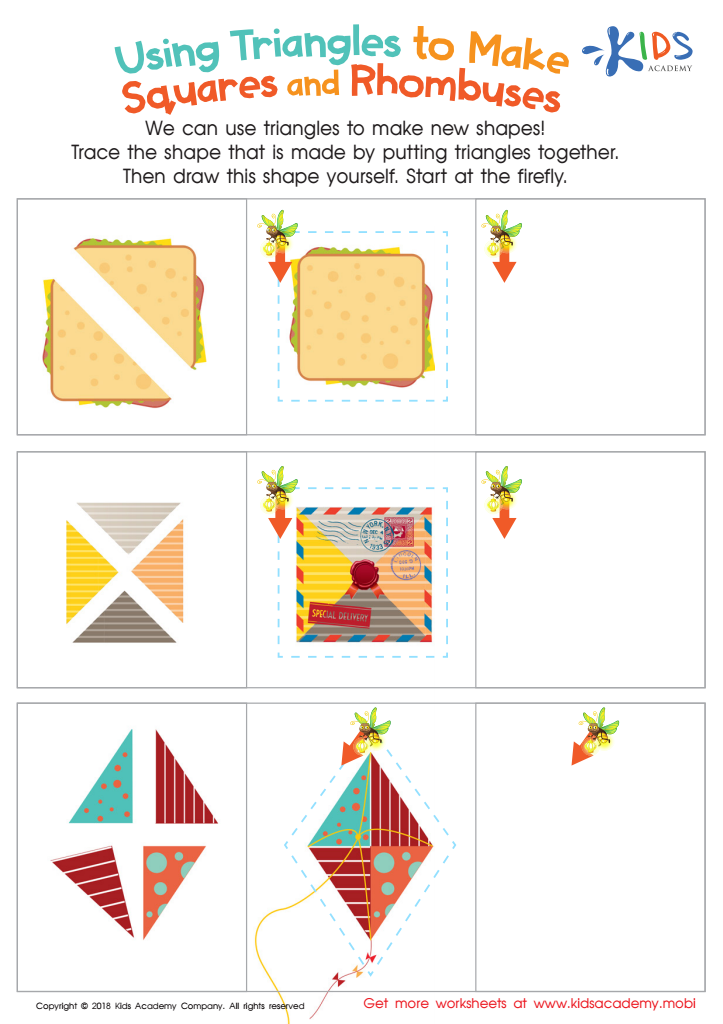
Using Triangles to Make Squares and Rhombuses Worksheet
 Assign to My Students
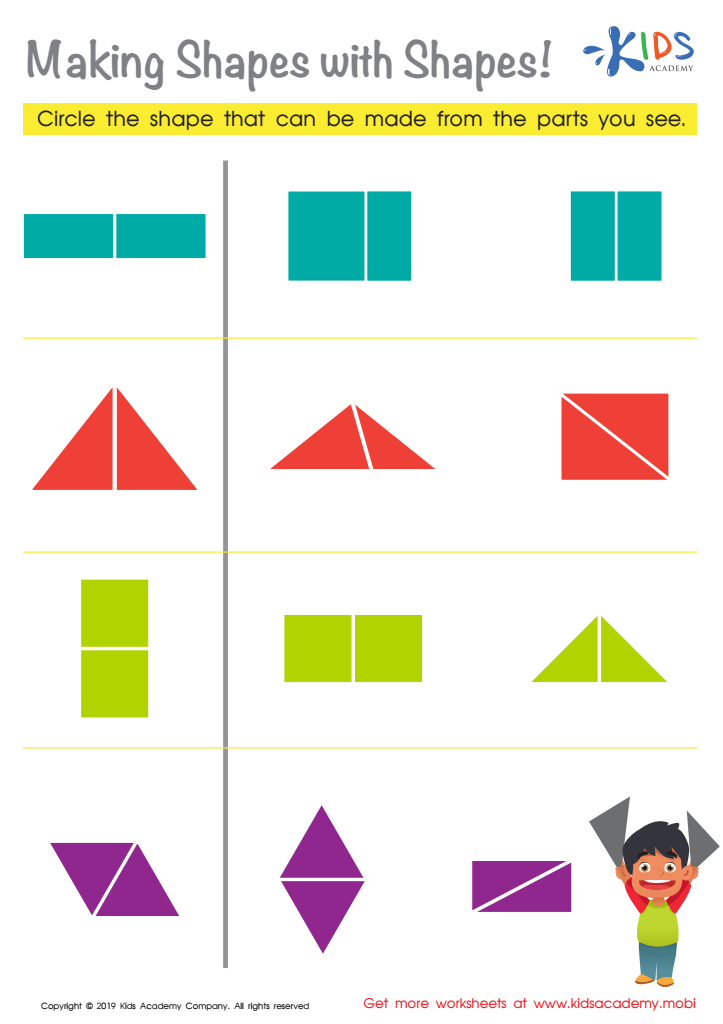
Making Shapes with Shapes Worksheet
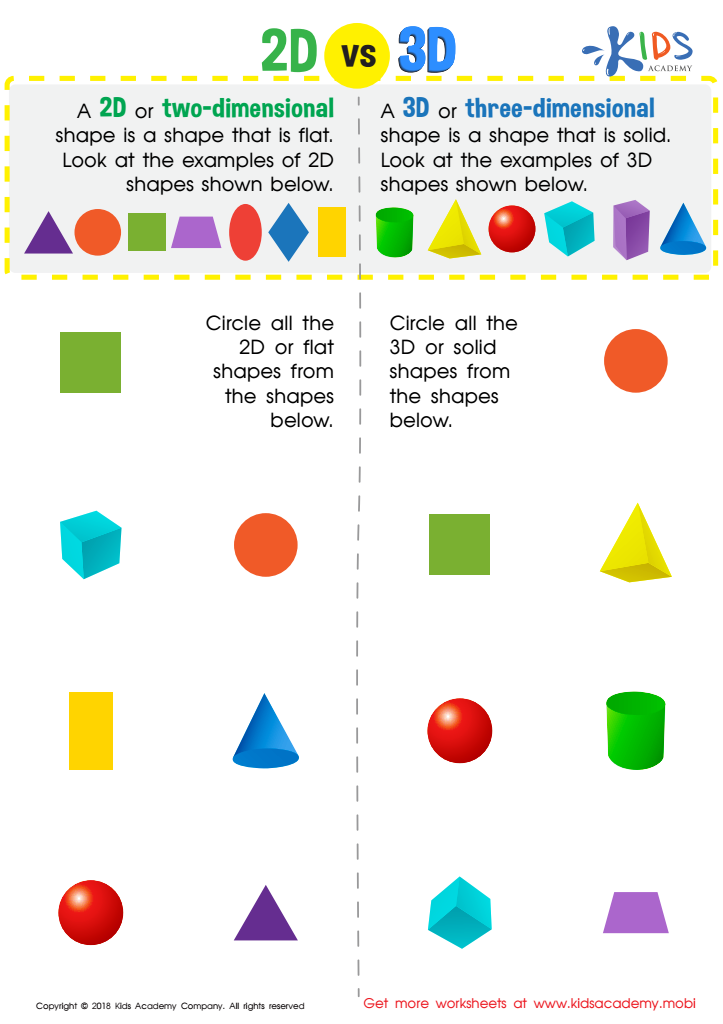
2D vs 3D Shapes Worksheet






Spatial understanding in mathematics is crucial for children aged 6-8, as it lays the foundation for various cognitive skills necessary for academic success and everyday problem-solving. During these early years, children develop the ability to visualize and manipulate shapes and spaces, which is vital for grasping concepts in geometry, measurement, and even advanced subjects like algebra later in their education.
Parents and teachers should focus on spatial understanding because it directly impacts a child's ability to organize information, interpret data, and solve problems creatively. Children who develop strong spatial skills can better understand maps, blueprints, and diagrams, enhancing their ability to navigate the world around them. Additionally, studies show that spatial skills are linked to achievement in STEM fields, which are increasingly important in today's job market.
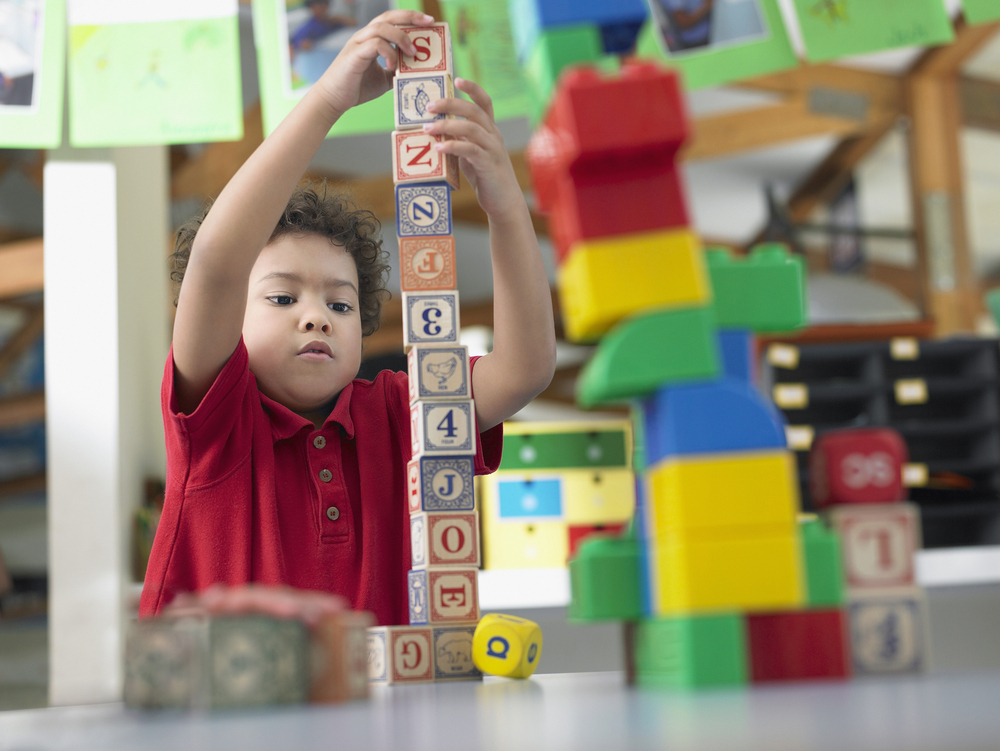
Engaging in activities like building with blocks, playing puzzles, or even using drawing exercises can significantly enhance spatial reasoning. By fostering these skills, parents and teachers not only support children's immediate mathematical learning but also equip them with essential tools for future intellectual challenges and success in various disciplines. Investing time and effort into developing spatial understanding is an investment in a child's lifelong learning and confidence in engaging with their environment.








