Subtraction skills Math Worksheets for Ages 6-8 - Page 2
27 filtered results
-
From - To
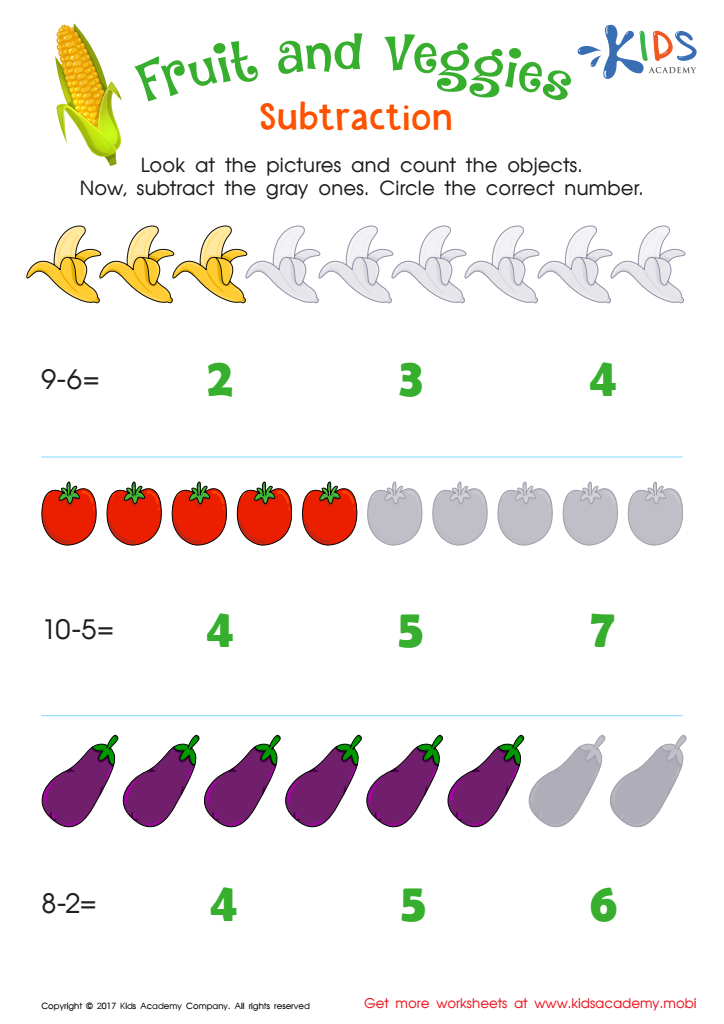
Fruit and Veggies Subtraction Worksheet
 Assign to My Students
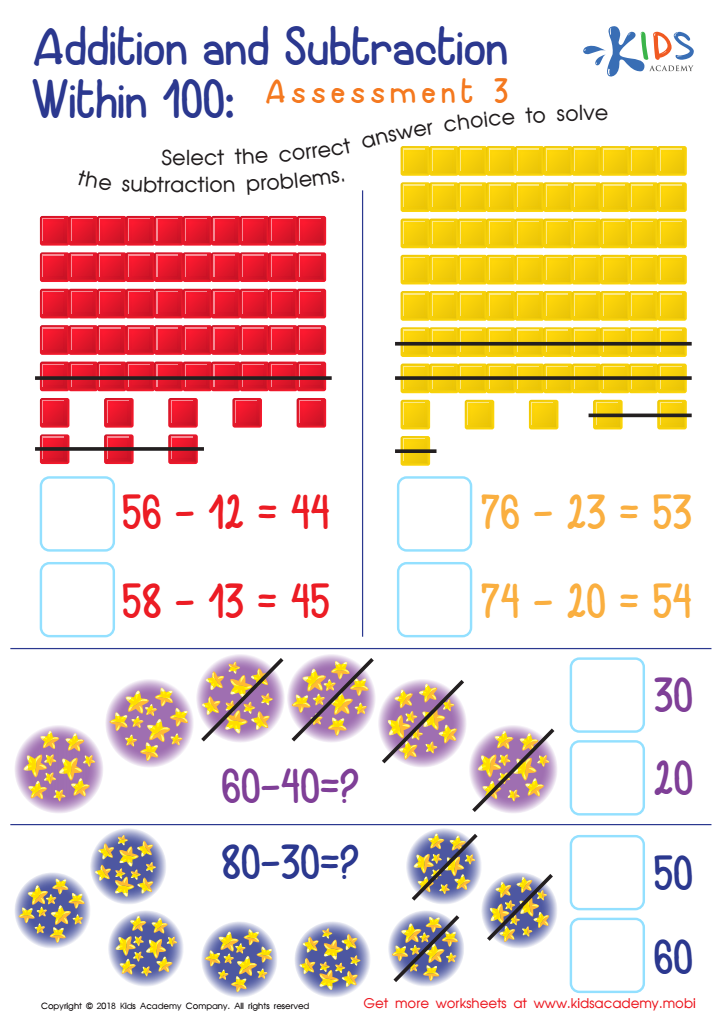
Addition and Subtraction Within 1: Assessment 3 Worksheet







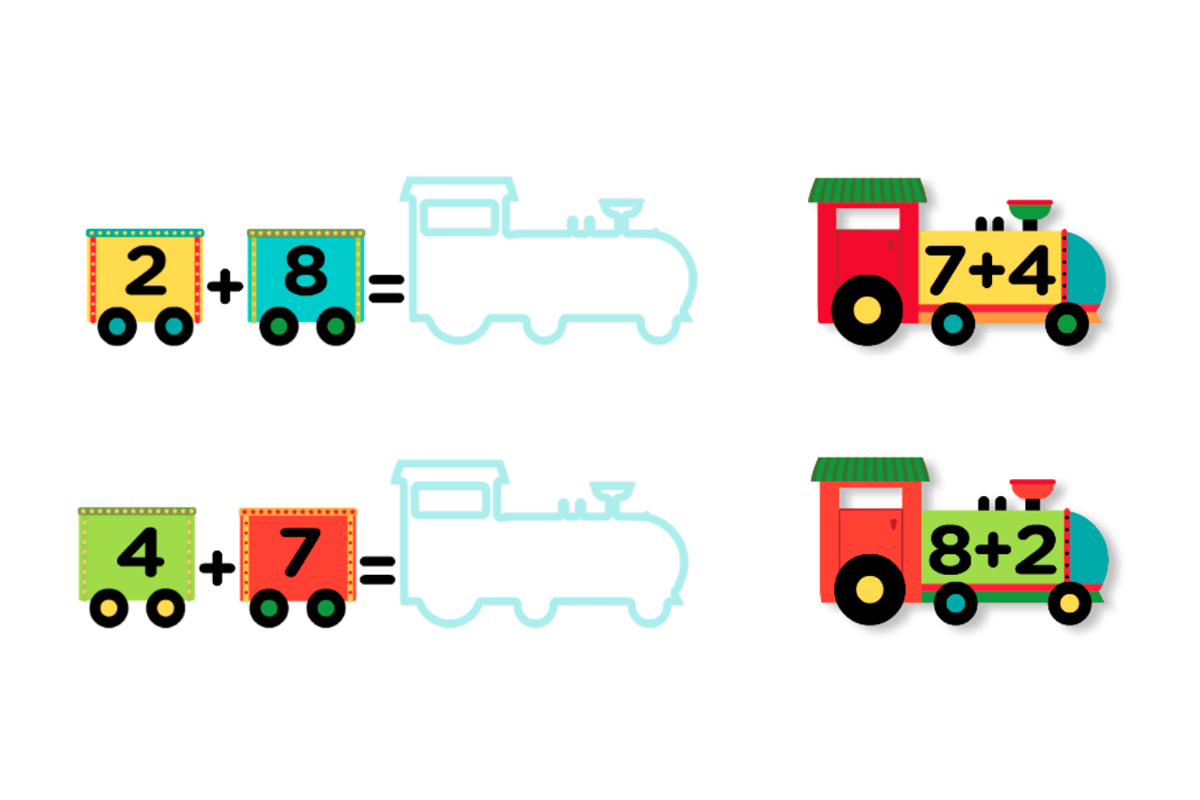
Subtraction is a fundamental math skill that parents and teachers must prioritize for children aged 6-8 because it forms a critical foundation for their future mathematical understanding and everyday problem-solving abilities. At this developmental stage, kids are typically introduced to subtraction, and mastering it is essential for their academic growth and confidence.
First, subtraction is one of the four basic arithmetic operations, along with addition, multiplication, and division. Proficiency in subtraction is necessary for progressing to more complex math, such as multi-digit operations, fractions, decimals, and eventually, algebra. This early competency builds a solid framework for the increasingly sophisticated math concepts they will encounter throughout their education.
Second, subtraction has practical applications in daily life that even young children need to grasp. Whether they are trying to figure out how many toys they have left after giving some away or determining how much change they should receive after spending money, these real-world scenarios make the math relevant and enhances their problem-solving skills.
Lastly, struggling with subtraction can lead to math anxiety, negatively affecting a child's confidence and attitude towards the subject. By ensuring that children have strong subtraction skills, parents and teachers can foster a positive learning experience, setting them on a path to success in both academics and life.








