Understanding division Math Worksheets for Ages 6-8
8 filtered results
-
From - To
Explore our "Understanding Division" math worksheets designed specifically for children ages 6-8. These engaging and interactive worksheets help young learners grasp the fundamentals of division in a fun and accessible way. Through colorful illustrations and age-appropriate exercises, children will develop their division skills, learning to share sets equally and understand the concept of dividing groups. Our resources cater to various learning styles, providing the perfect tools for classroom or home use. Boost your child's confidence in math with our comprehensive collection, ideal for reinforcing essential division skills while making learning an enjoyable experience. Perfect for parents and teachers alike!
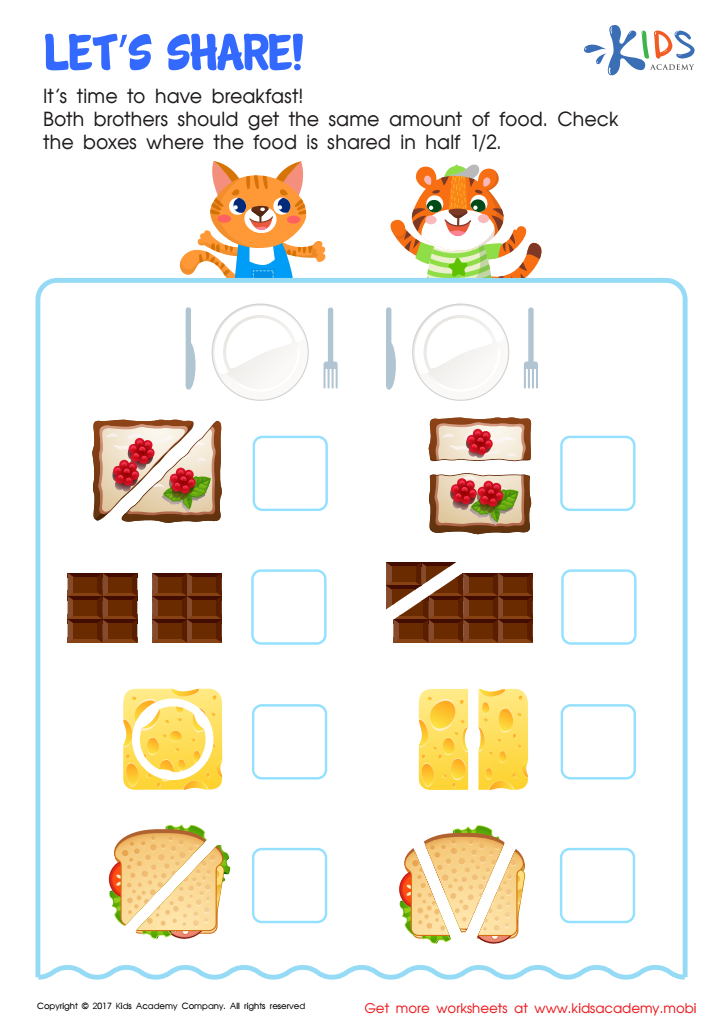
Let's Share Worksheet
 Assign to My Students
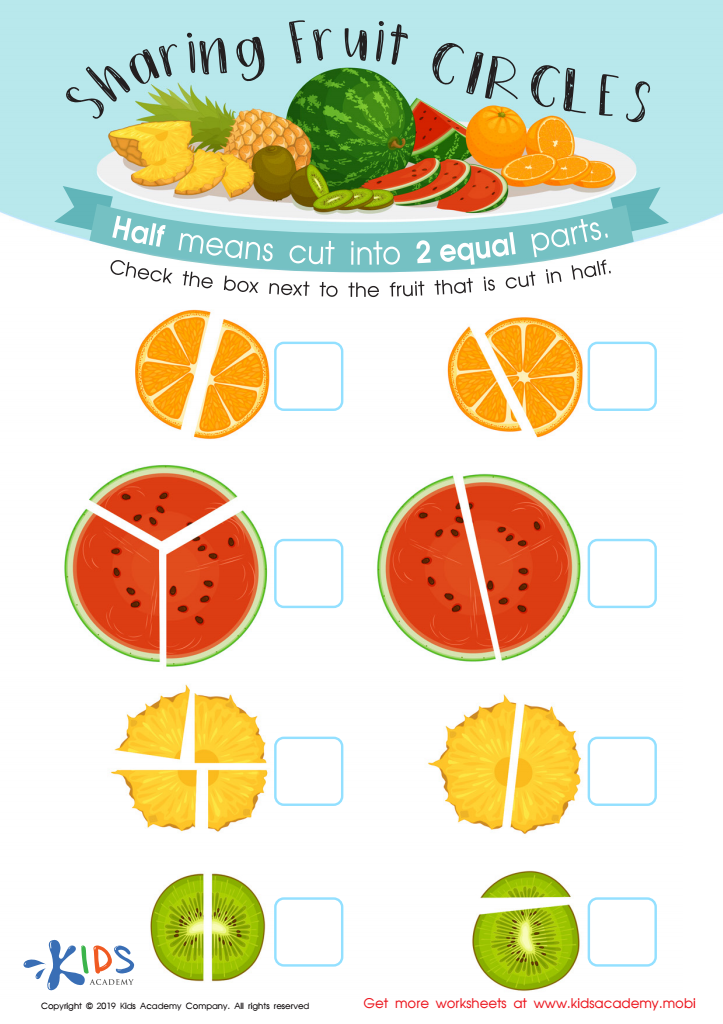
Sharing Fruit Circles Worksheet
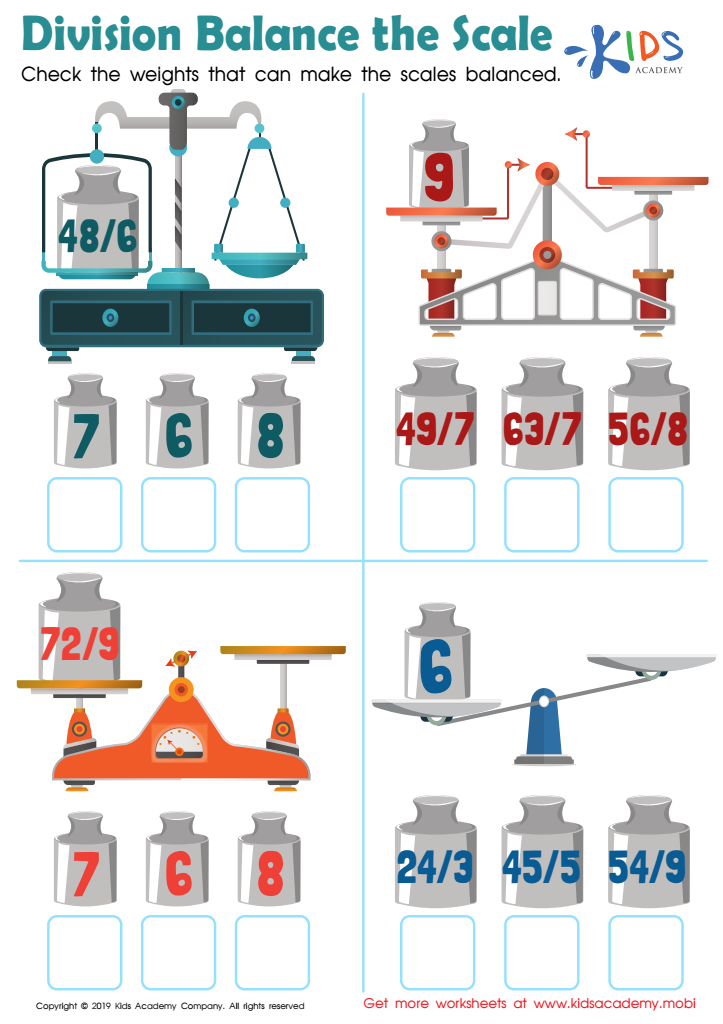
Division Balance the Scale Worksheet





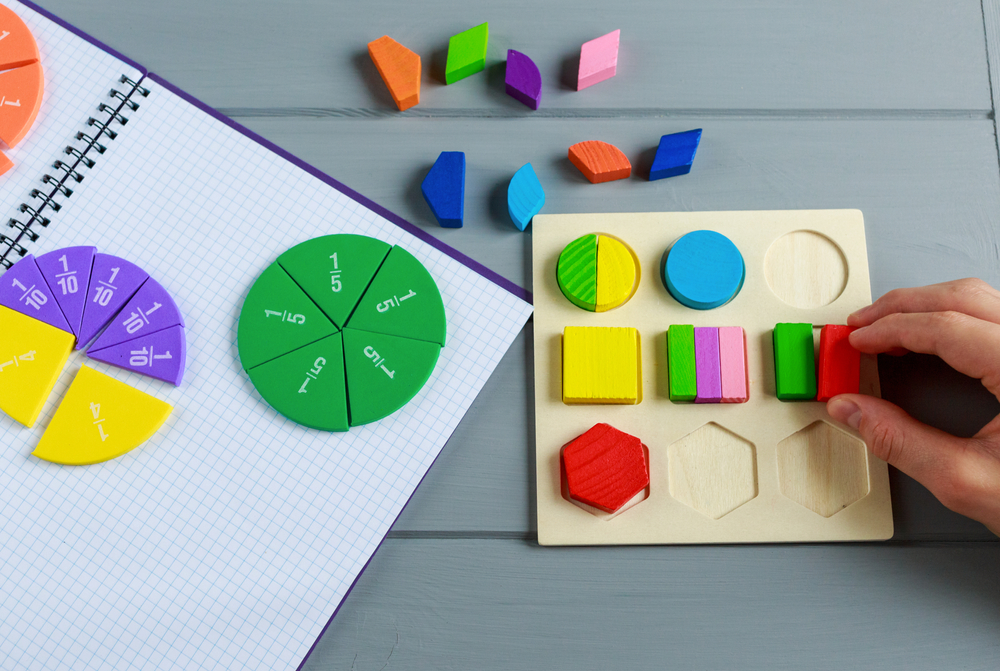
Understanding division is crucial for children aged 6-8 as it forms the foundation for their mathematical development and problem-solving abilities. At this stage, children are transitioning from basic arithmetic to more complex concepts, and grasping division is key to that progress. Division helps them understand how quantities can be shared equally, fostering a sense of fairness and logic vital in daily life situations.
Parents and teachers should recognize that a strong grasp of division not only enhances children's confidence in math but also prepares them for more advanced operations, such as fractions and ratios in later grades. By introducing division through engaging methods—like visual aids and hands-on activities—adults can make learning enjoyable and relevant. These experiences solidify basic division skills, correlate with real-world situations, and improve critical thinking.
Moreover, division encourages collaboration among students as they often work together on problems, strengthening social skills. In cultivating a positive attitude toward math, both parents and teachers play a crucial role in fostering resilience and a growth mindset. Ultimately, supporting children's understanding of division equips them for future academic success and instills a lifelong love of learning.








