Visual perception Math Worksheets for Ages 6-8
43 filtered results
-
From - To
Enhance your child’s math skills with our engaging Visual Perception Math Worksheets designed for ages 6-8! These worksheets aim to develop essential visual perception skills by incorporating fun, interactive activities that reinforce counting, pattern recognition, and spatial awareness. Perfect for young learners, each worksheet fosters critical thinking and problem-solving abilities while making learning enjoyable. Our resources are aligned with educational standards, ensuring that your child is gaining necessary skills for academic success. Boost their confidence and creativity as they explore math through visually appealing and stimulating exercises. Download our free worksheets and make math a delightful learning adventure today!
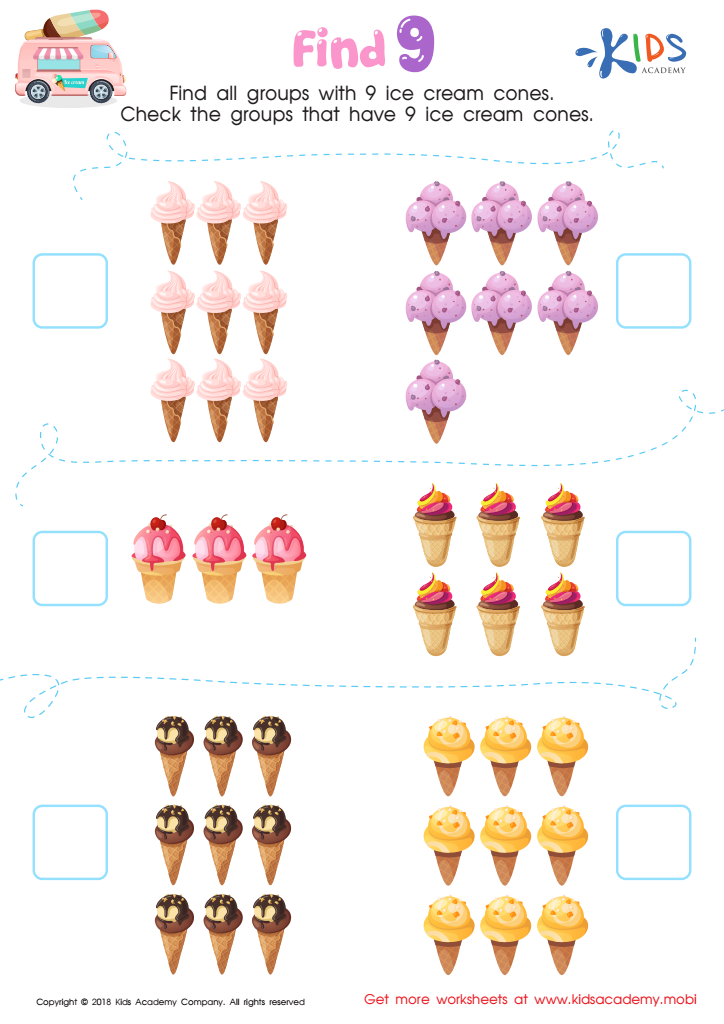
Find 9 Worksheet
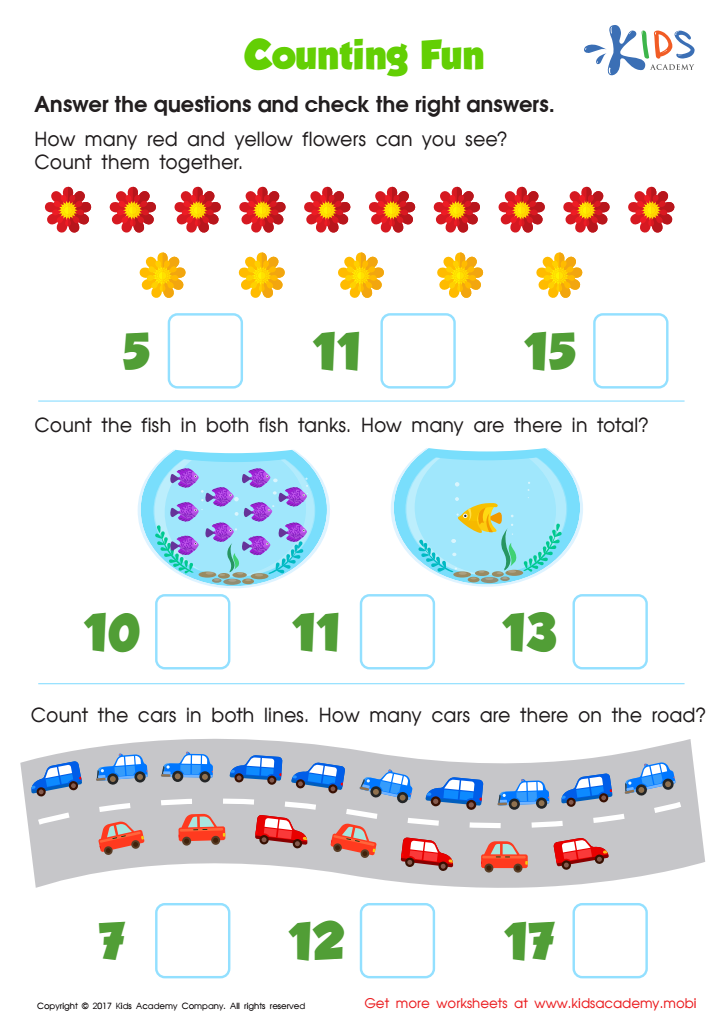
Counting Fun Worksheet
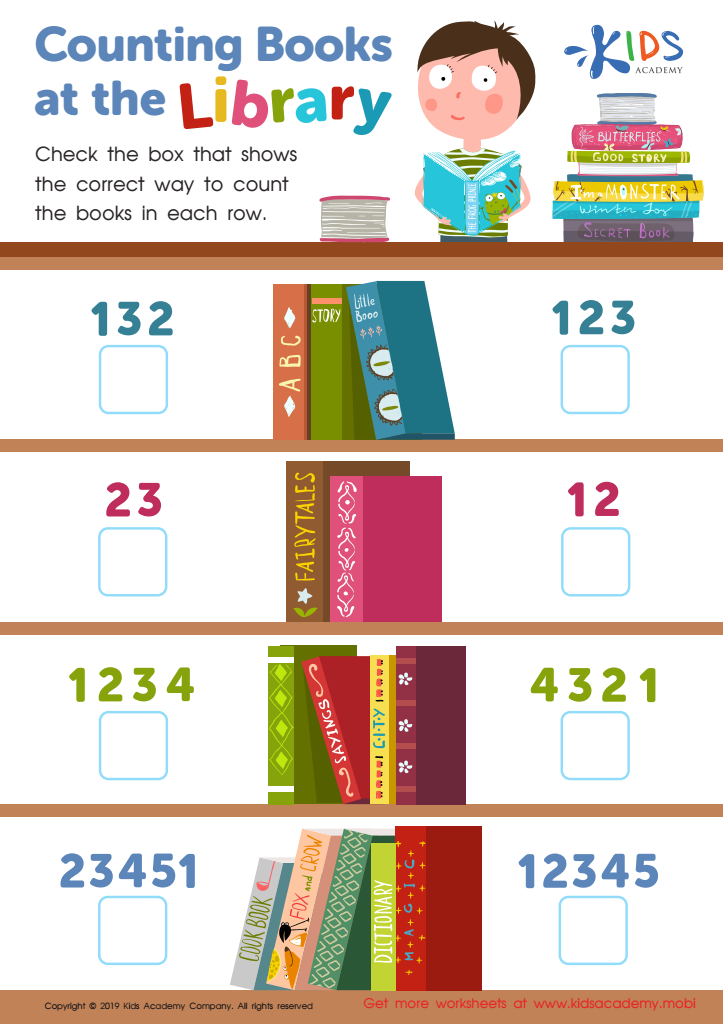
Counting Books at the Library Worksheet

Count and Match Boxes with Vegetables
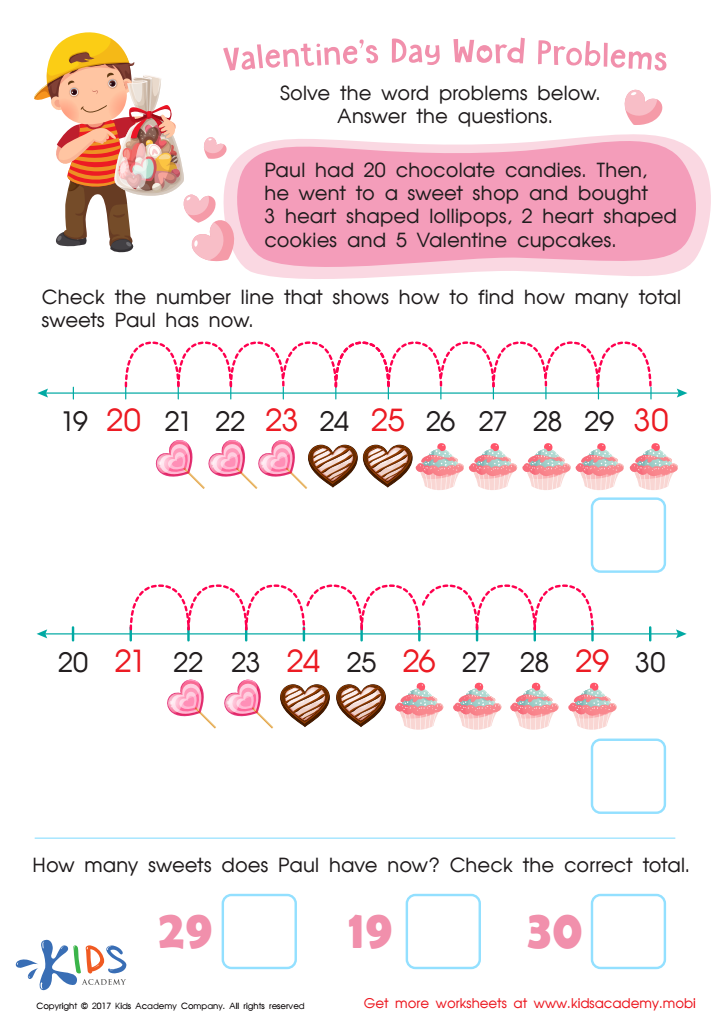
Valentines Day 2 Printable
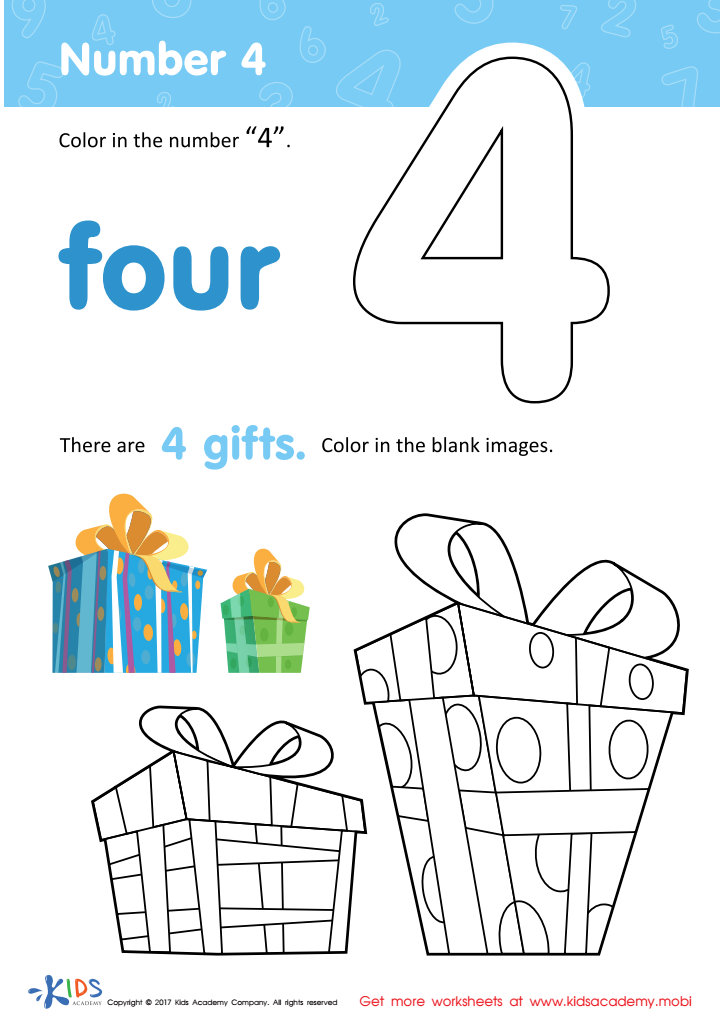
Number 4 Printable
 Assign to My Students

Find 7 Eggs Worksheet
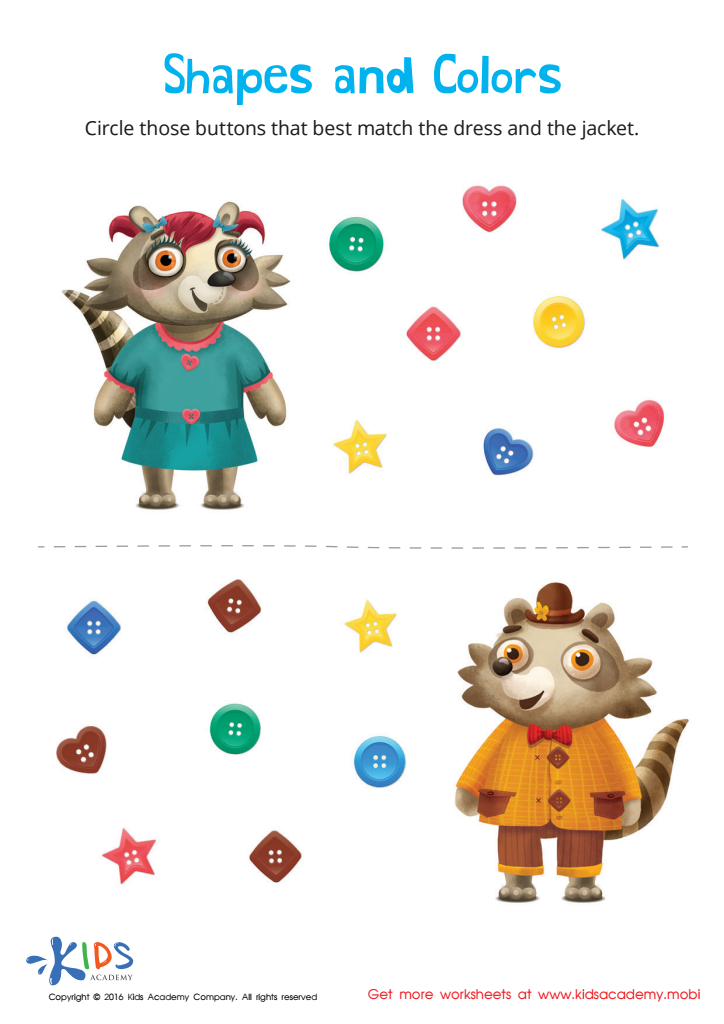
Matching: Shapes and Colors Worksheet
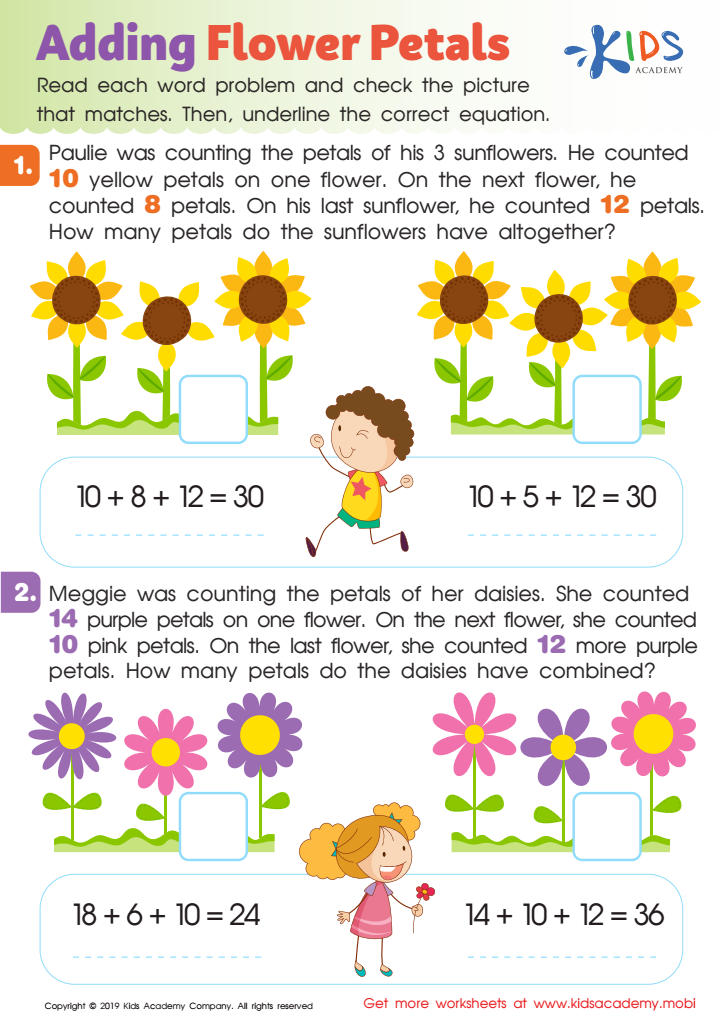
Adding Flower Petals Worksheet
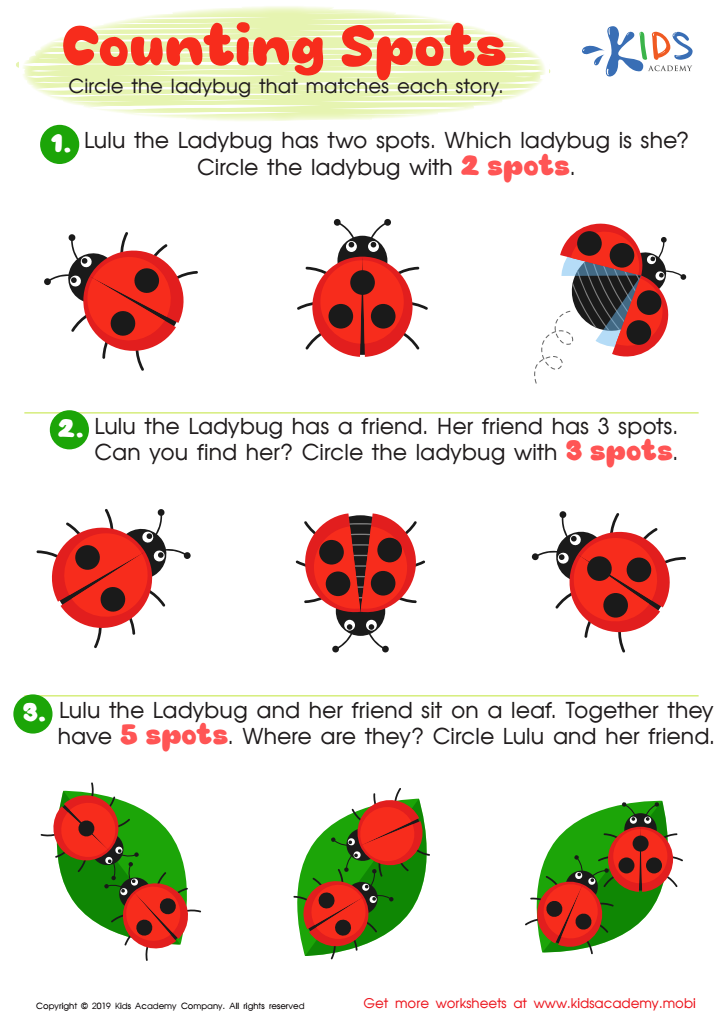
Counting Spots Worksheet
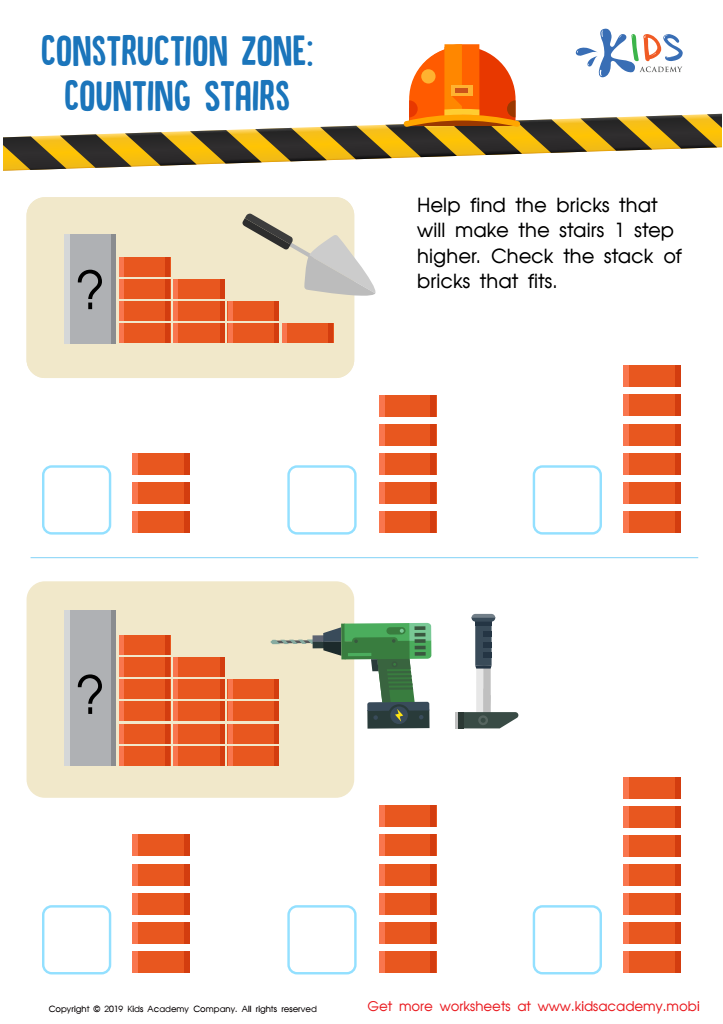
Construction Zone: Counting Stairs Worksheet
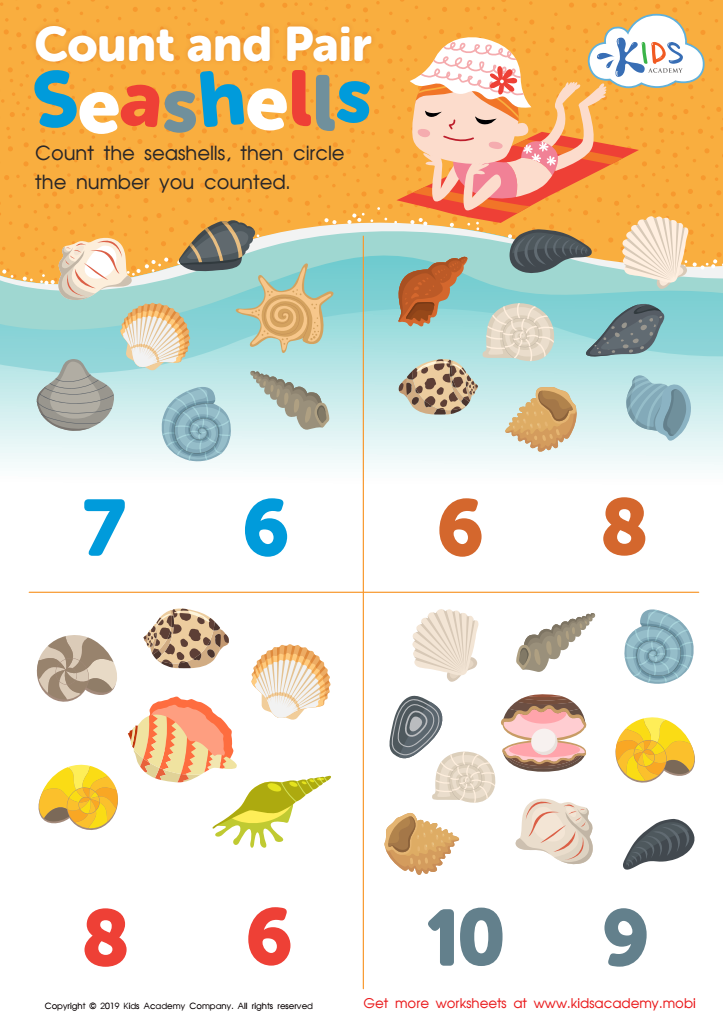
Count and Pair Seashells Worksheet
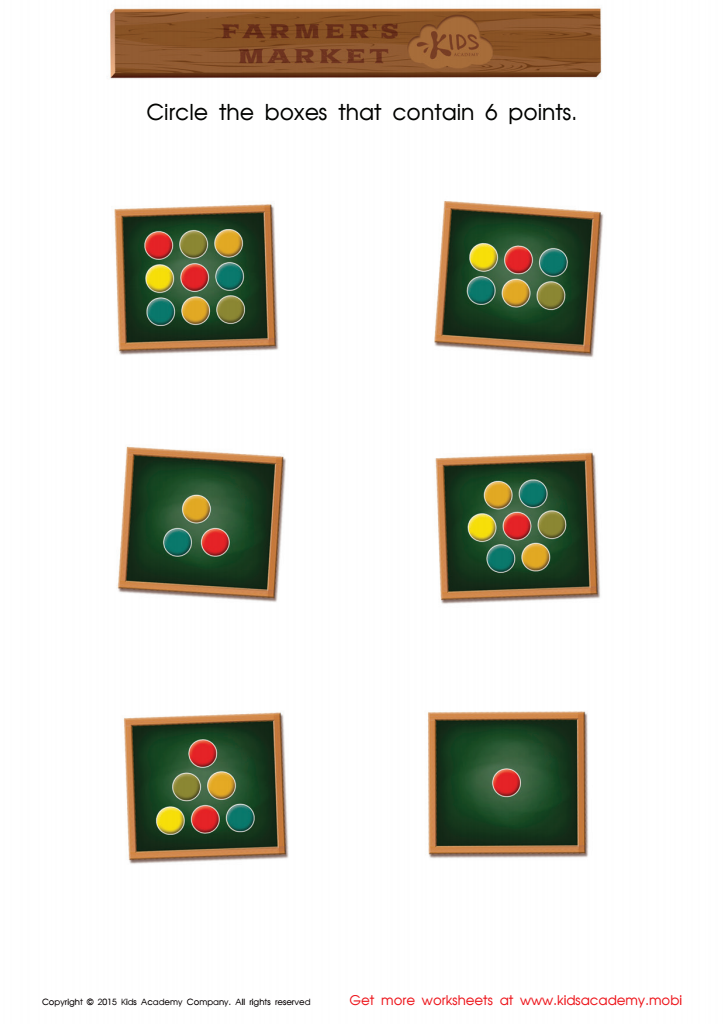
Count and Match Points 6 Math Worksheet
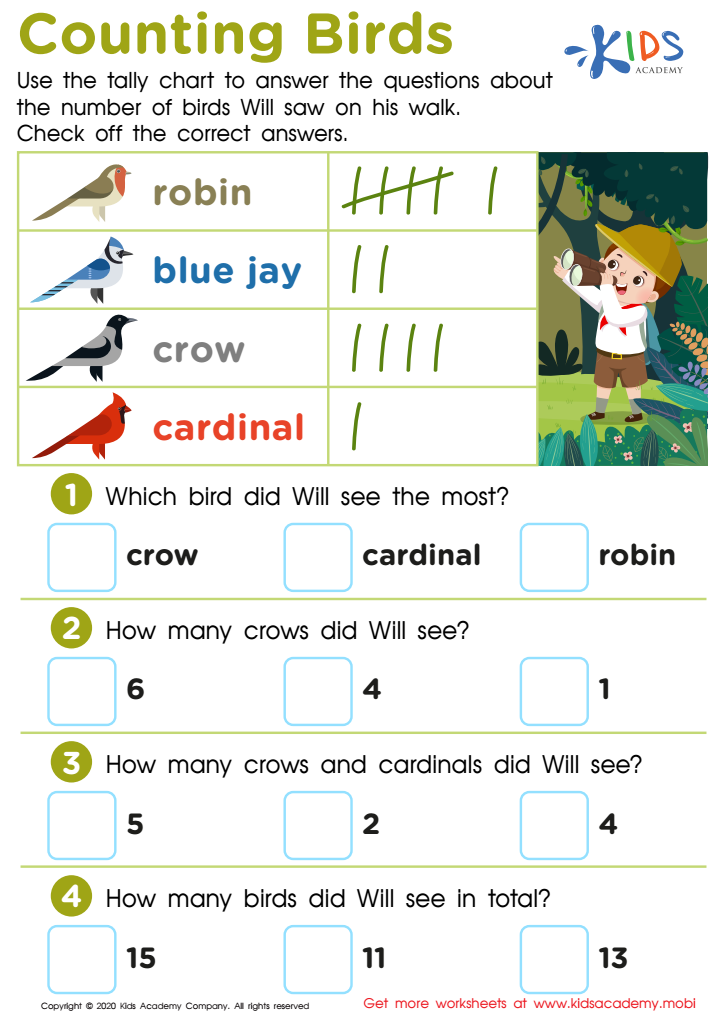
Counting Birds Worksheet
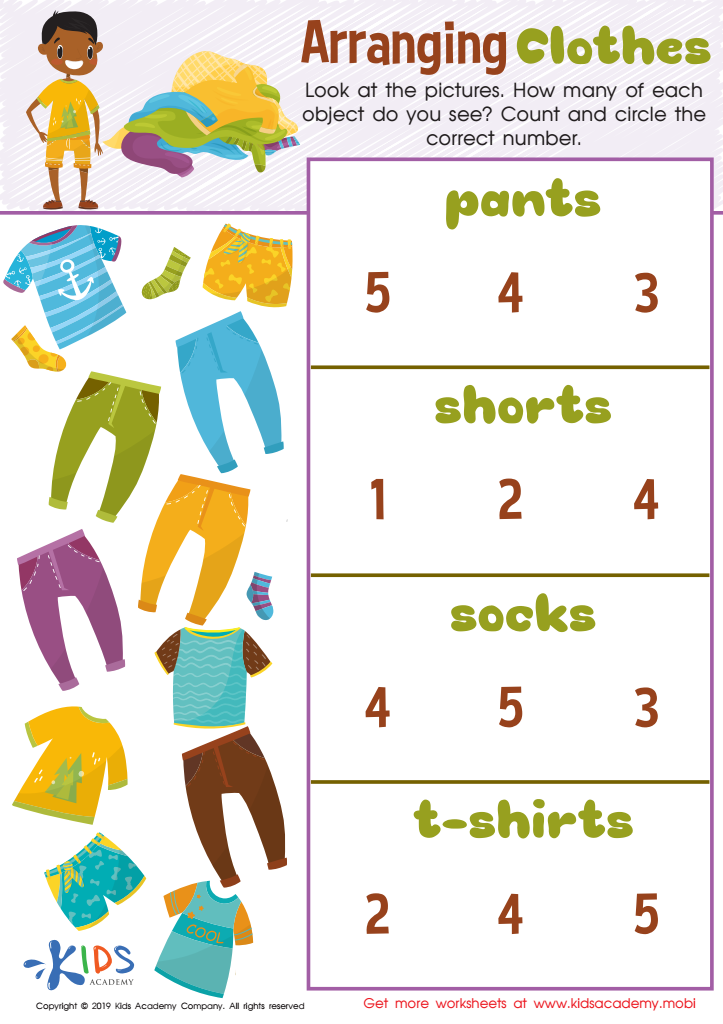
Arranging Clothes Worksheet
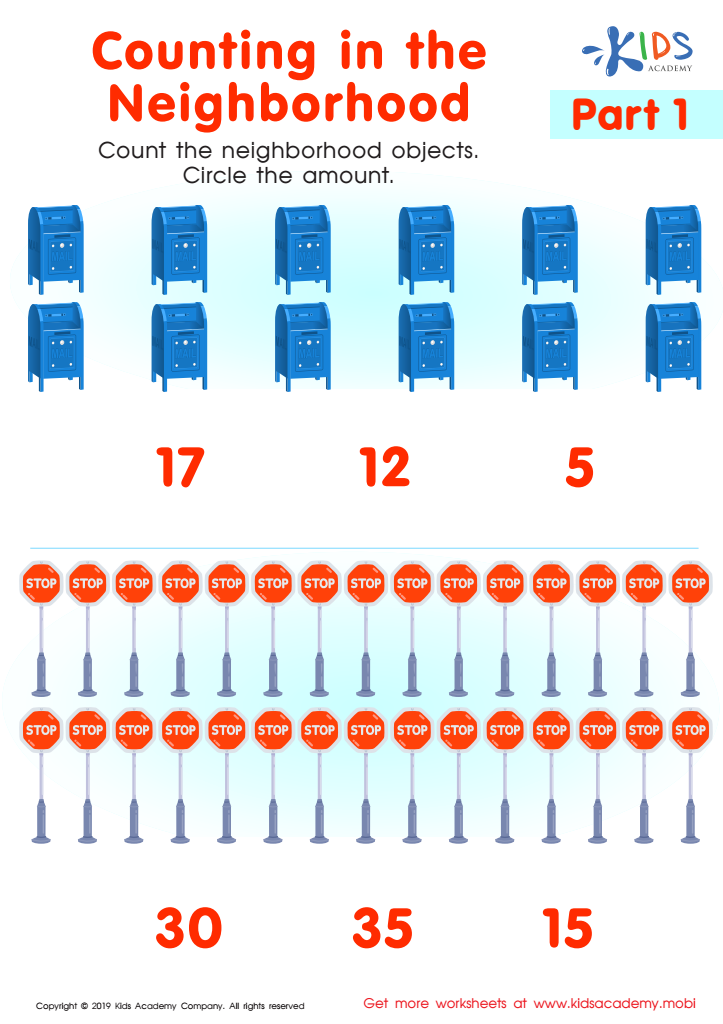
Counting in the Neighborhood Part1 Worksheet

Count and Pair on the Farm Worksheet
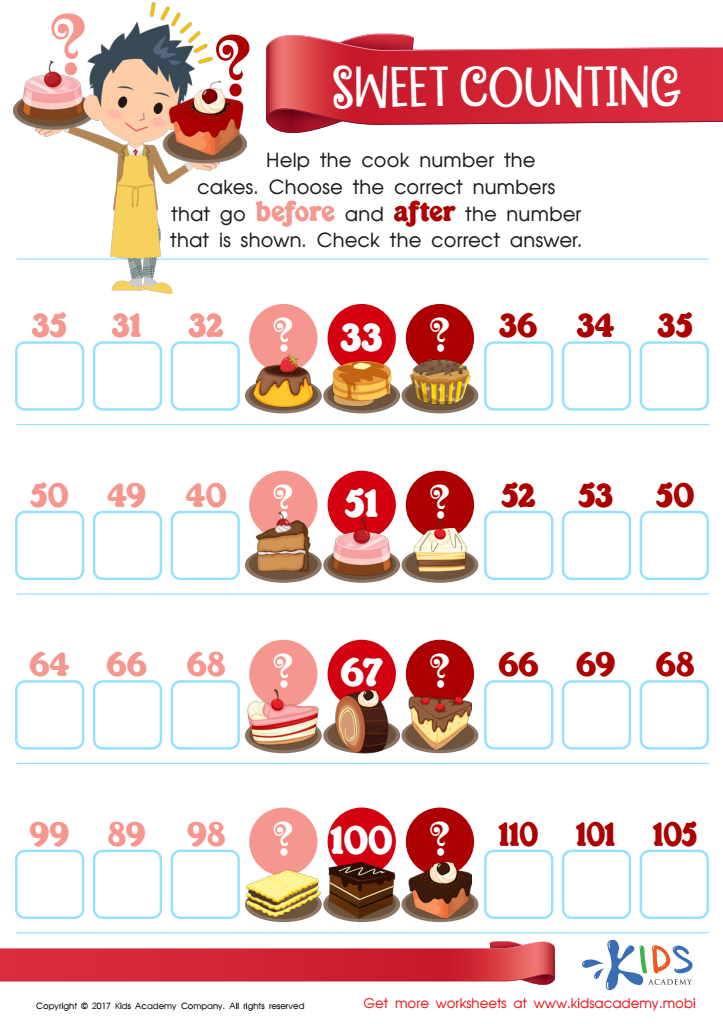
Sweet Counting - Part 1 Worksheet
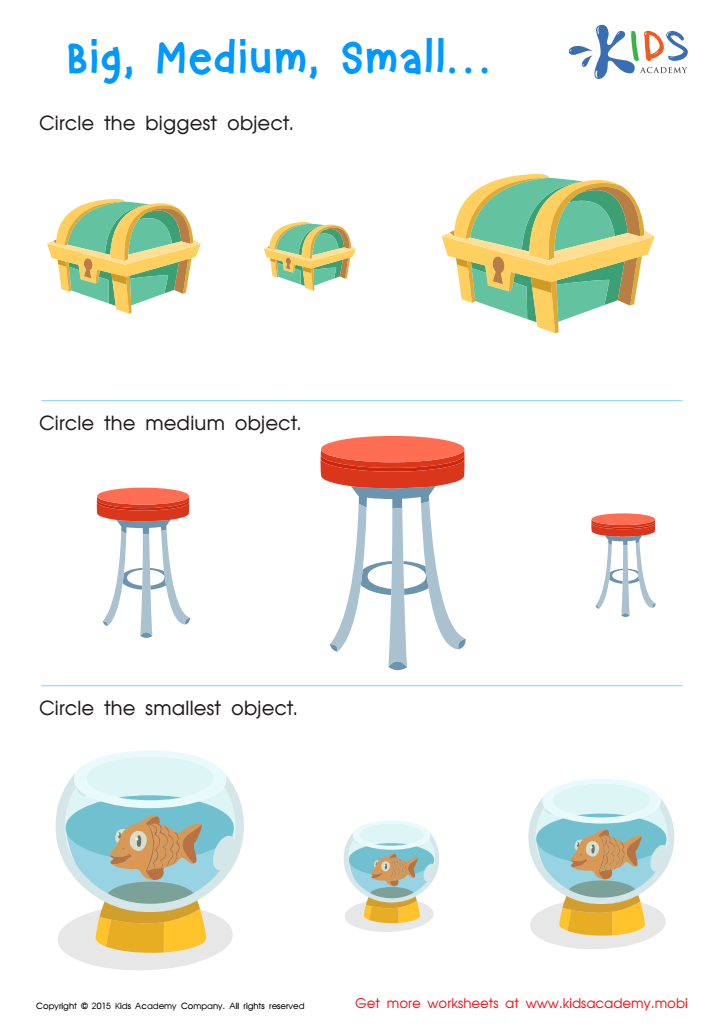
Big Medium Small Worksheet
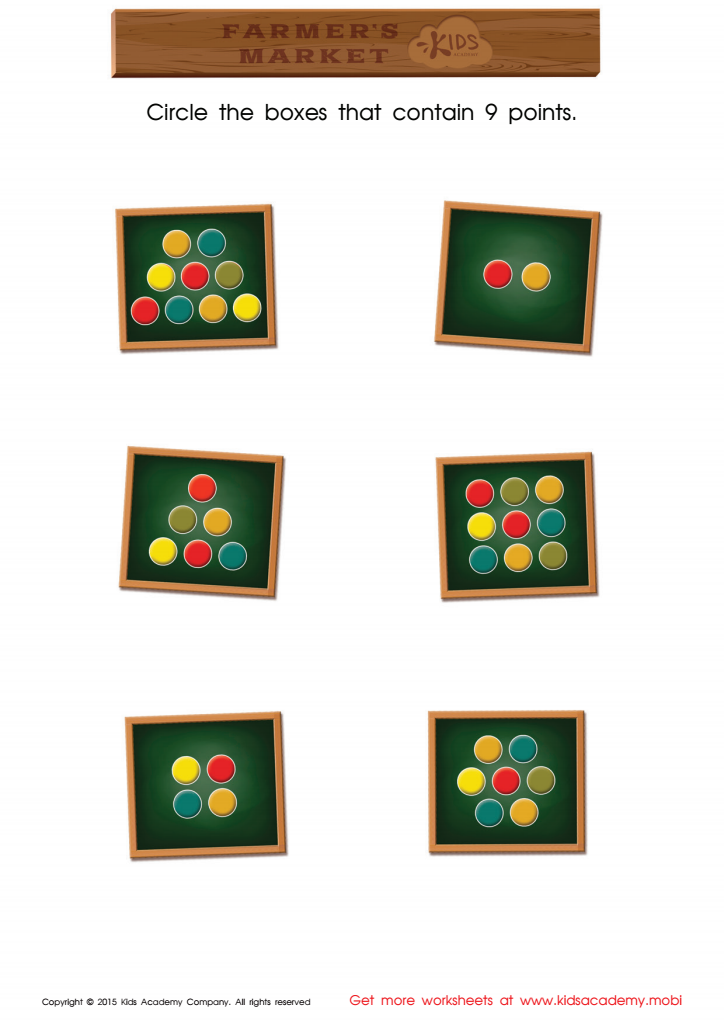
Count and Match Points 9 Math Worksheet
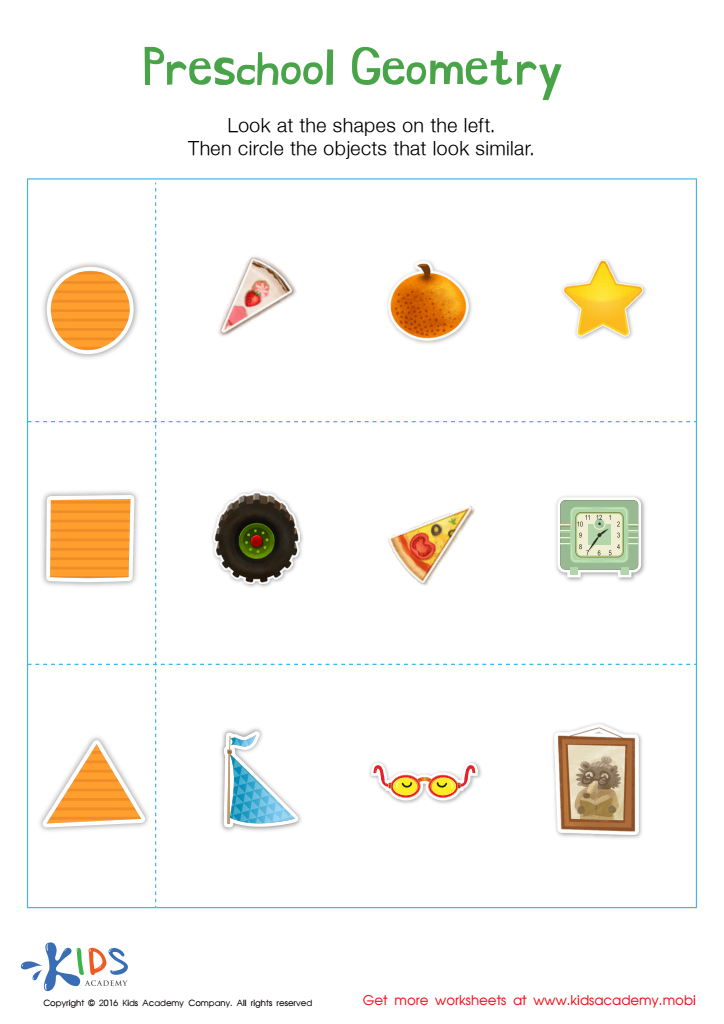
Preschool Geometry Match Up Worksheet
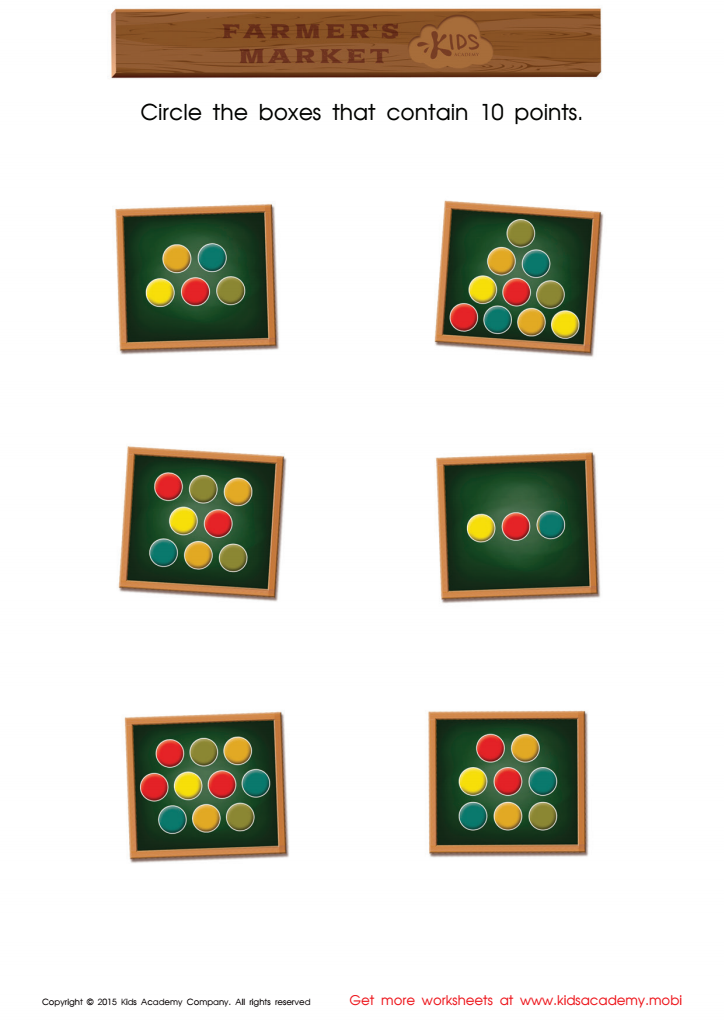
Count and Match Points 10 Math Worksheet
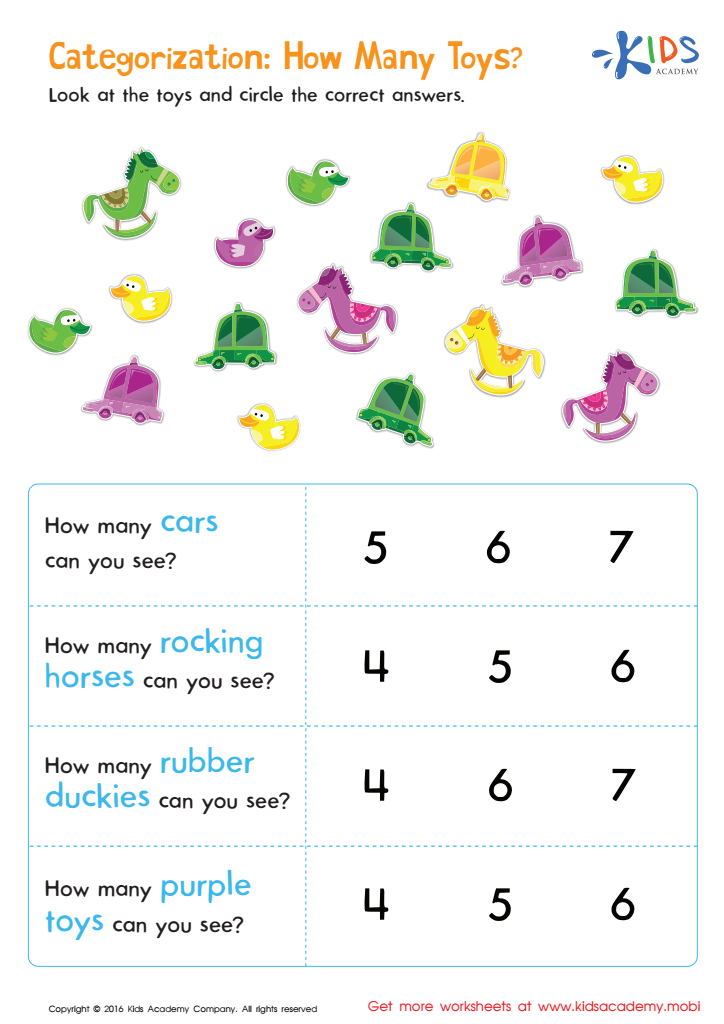
Classifying Toys by Type and Color Sorting Worksheet




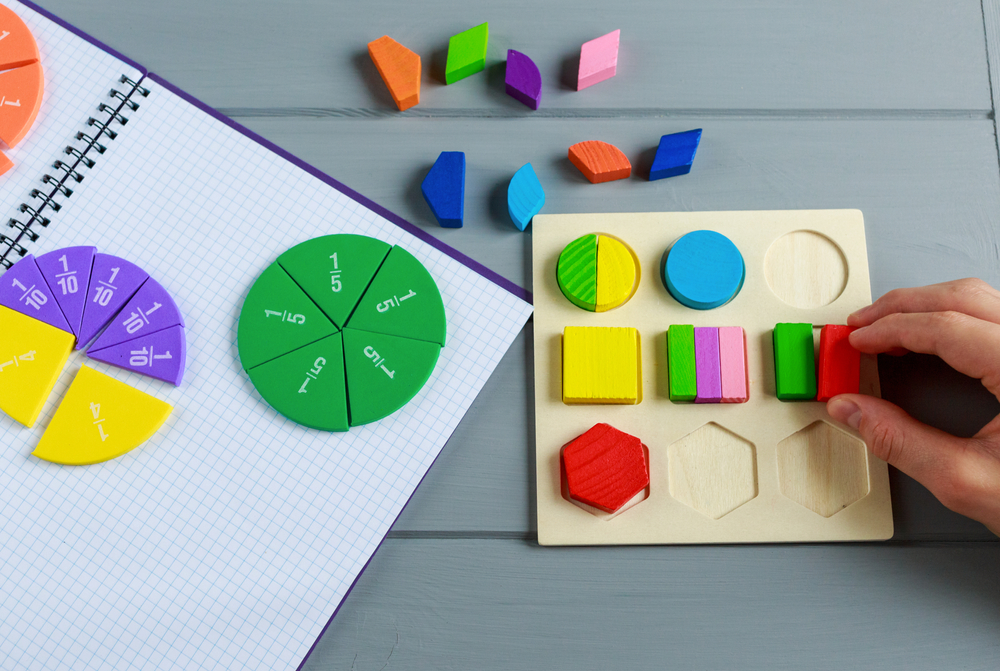



Visual perception is a key component of early math development for children aged 6-8, as it influences their ability to understand and manipulate numerical concepts. It involves the ability to interpret and analyze visual information, which is crucial when learning to identify shapes, patterns, and spatial relationships.
For parents and teachers, fostering strong visual perception skills can significantly enhance a child's math learning experience. Children with well-developed visual perception skills are better equipped to grasp concepts such as geometry, measurement, and data visualization. This skill set also aids in problem-solving, allowing children to visualize math problems and execute solutions more effectively.
Moreover, early intervention is critical. If children struggle with visual perception, they may experience difficulties in math that could impact their confidence and motivation. These formative years set the foundation for future academic success; consequently, nurturing these skills can promote a more positive attitude towards math and contribute to a lifelong interest in learning.
By integrating visual perception activities into the curriculum, such as puzzles, games, and spatial reasoning tasks, teachers and parents can help children build essential cognitive skills while simultaneously making math more engaging and enjoyable. Ultimately, supporting visual perception in this age group lays the groundwork for robust mathematical understanding.








