Geography knowledge Building Vocabulary Worksheets for Ages 6-8
5 filtered results
-
From - To
Enhance your child's geography skills with our Geography Knowledge Building Vocabulary Worksheets for Ages 6-8. These printables from Kids Academy combine learning and fun to expand vocabulary related to maps, landforms, and global concepts. Engaging and informative, each worksheet is designed to help young learners grasp key geographical terms, develop reading skills, and stimulate curiosity about the world around them. Perfect for classroom use or at-home practice, our geography worksheets foster a love for learning and provide a solid foundation in essential geography knowledge. Make learning an adventure with Kids Academy!
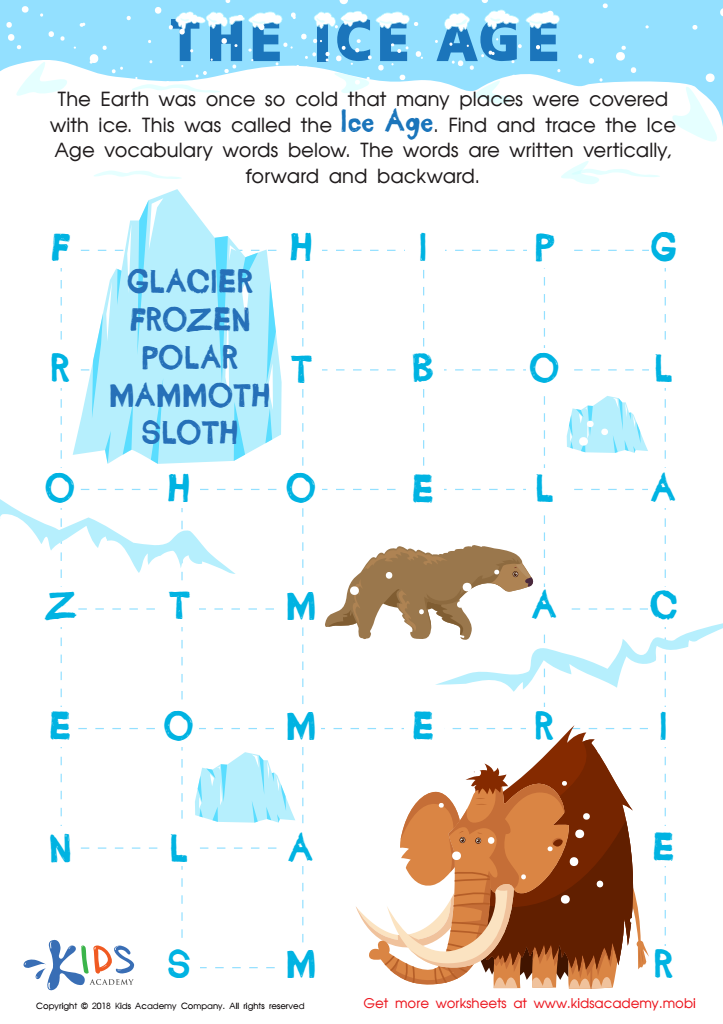
The Ice Age Worksheet
 Assign to My Students











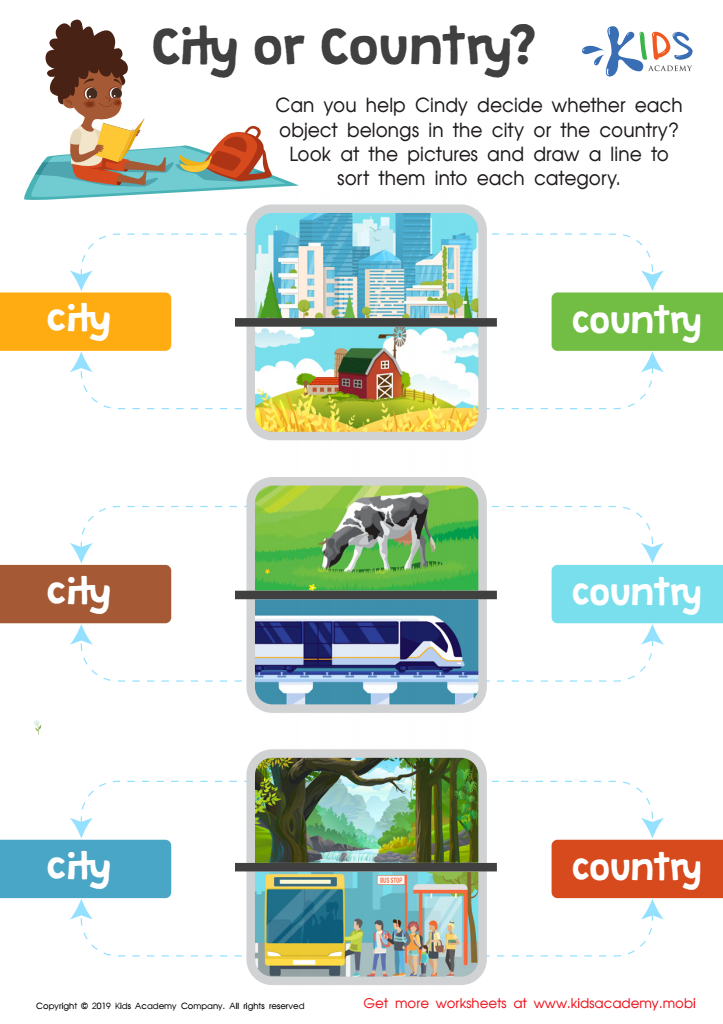
City or Country? Worksheet
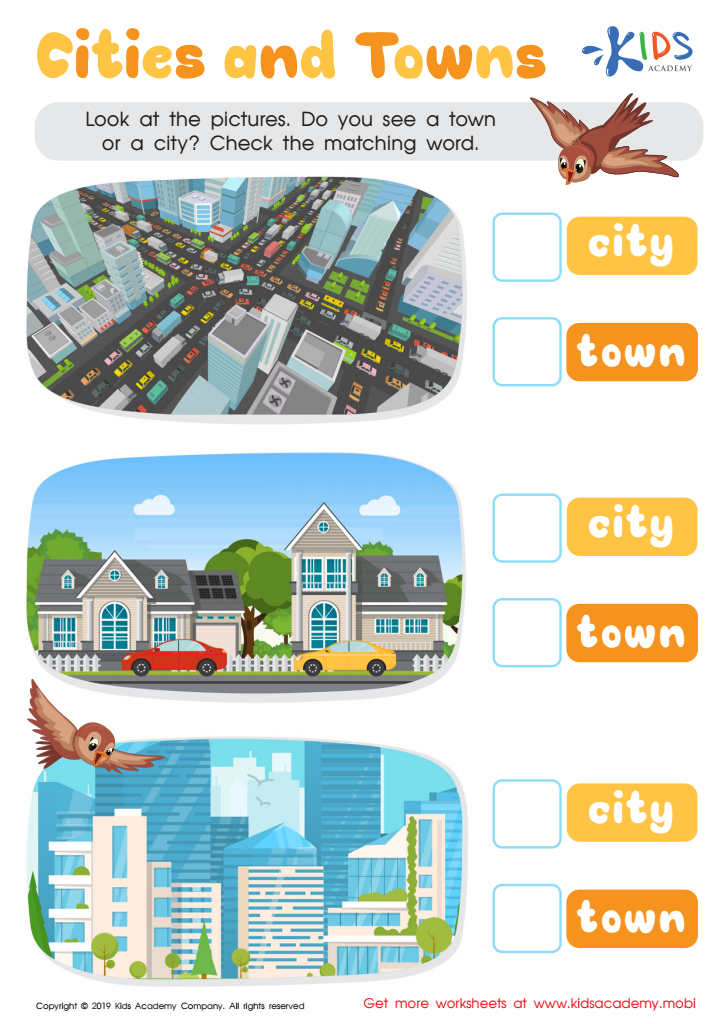
Cities and Towns Worksheet
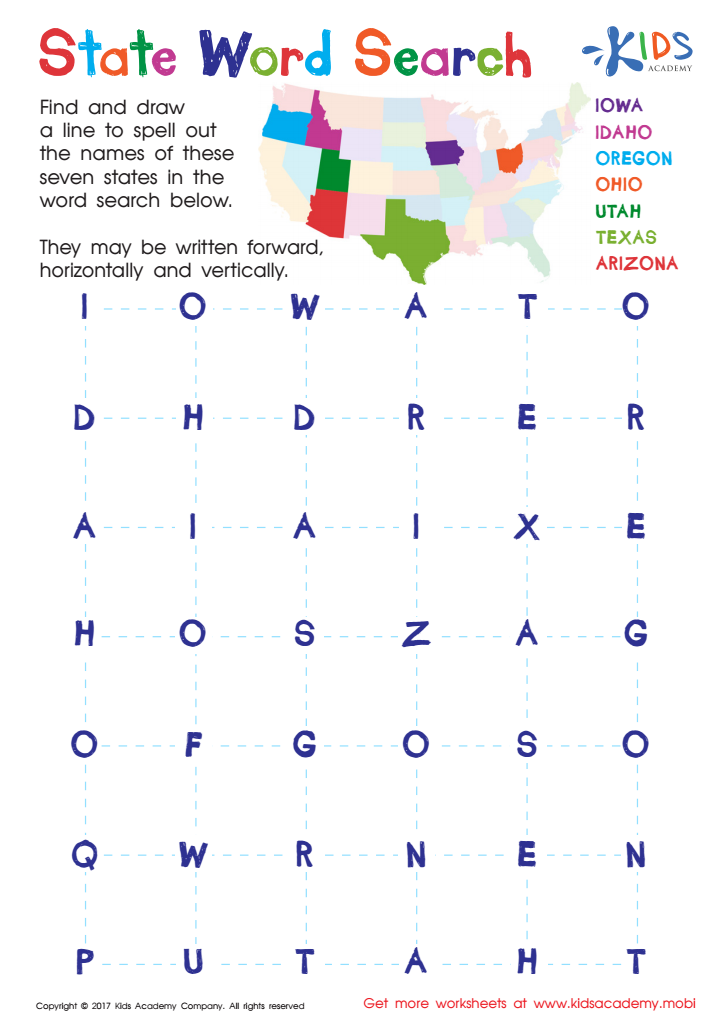
State Word Search Worksheet
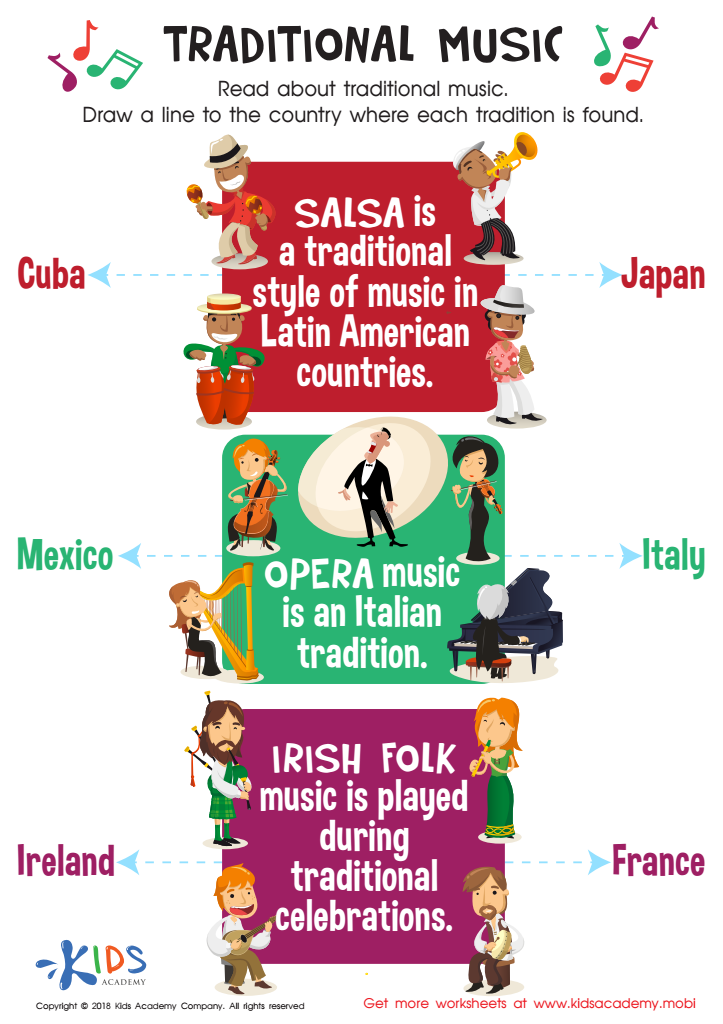
Traditional Music Worksheet








Geography knowledge and the building of geographic vocabulary at ages 6-8 are crucial for the comprehensive development of young learners. This formative period is ripe for establishing foundational skills that affect future academic success and everyday understanding.
Firstly, geography fosters spatial thinking and awareness, helping children make sense of the spaces around them. Recognizing terms like "continent," "ocean," "map," and "country" enables kids to categorize and connect different places, promoting cognitive development and an organized perspective.
Secondly, geography education introduces children to diverse cultures and environments, cultivating curiosity and empathy. When kids learn about various regions, climates, and societies, they develop a broader world view and respect for diversity, essential traits for global citizenship.
Furthermore, building geographic vocabulary strengthens language skills. Introducing terms specific to physical and human geography expands their lexicon, aids in comprehension of complex texts, and improves communication abilities.
Parents and teachers play pivotal roles in fostering a curiosity and understanding of our world. Using maps, engaging in targeted conversations, and exploring geographical media grow a child's knowledge base, preparing them for more advanced concepts and instilling a lifelong interest in learning about the planet and its people.
Ultimately, these early geographical lessons empower students, creating informed, empathetic, and articulate individuals capable of navigating an increasingly interconnected world.








