
Improve math skills Building Vocabulary Worksheets for Ages 6-8
3 filtered results
Difficulty Level
Grade
Age
-
From - To
Subject
Activity
Standards
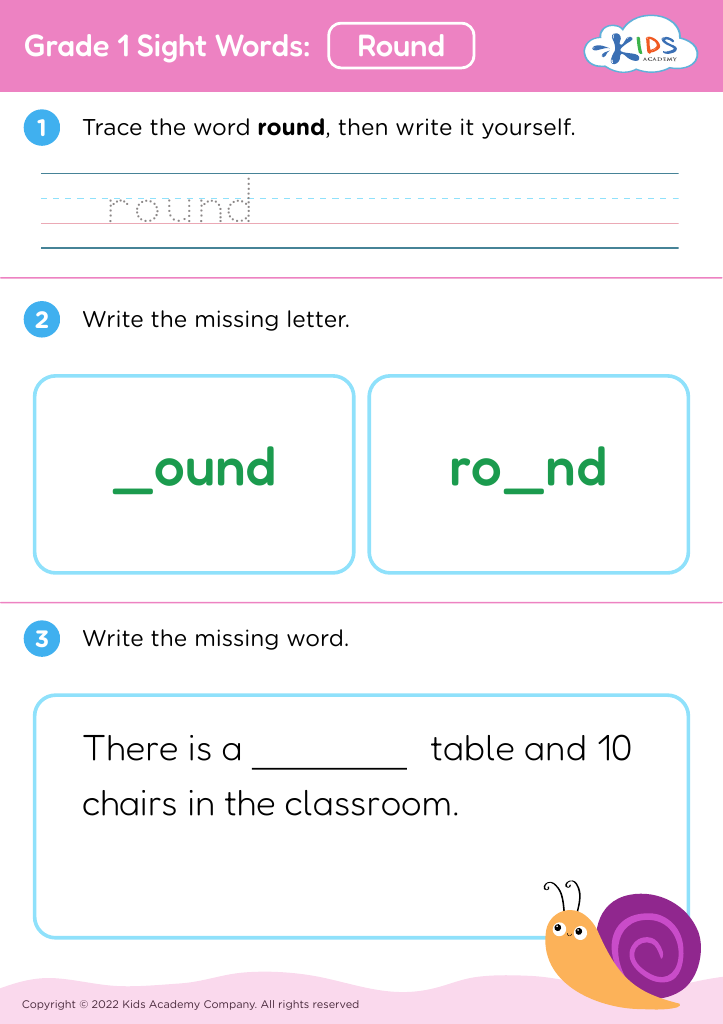
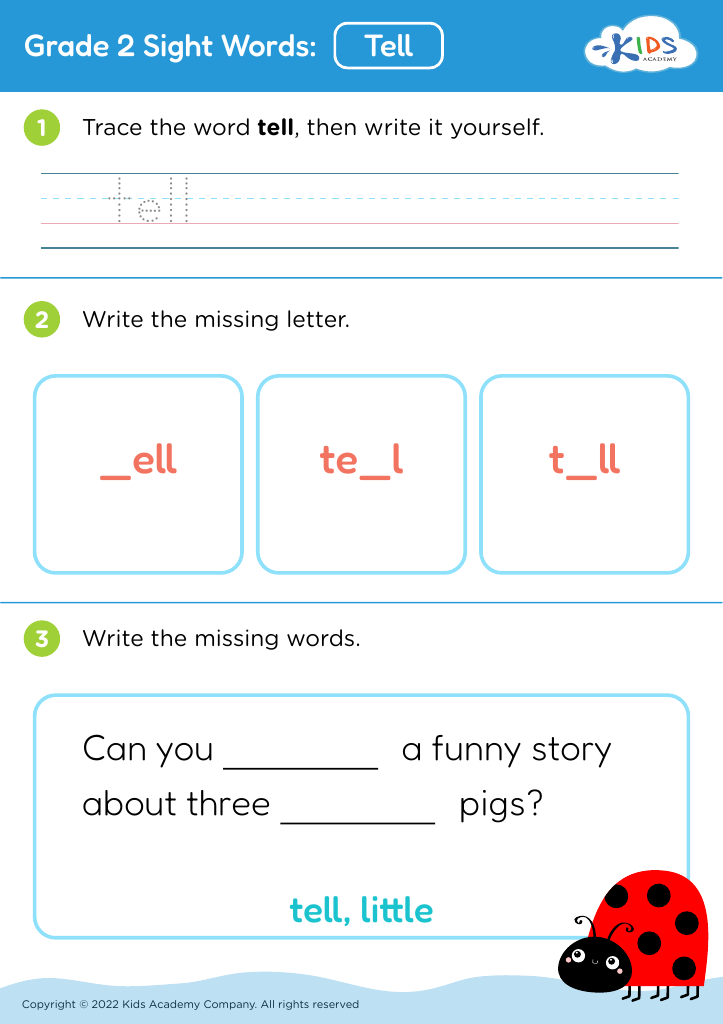
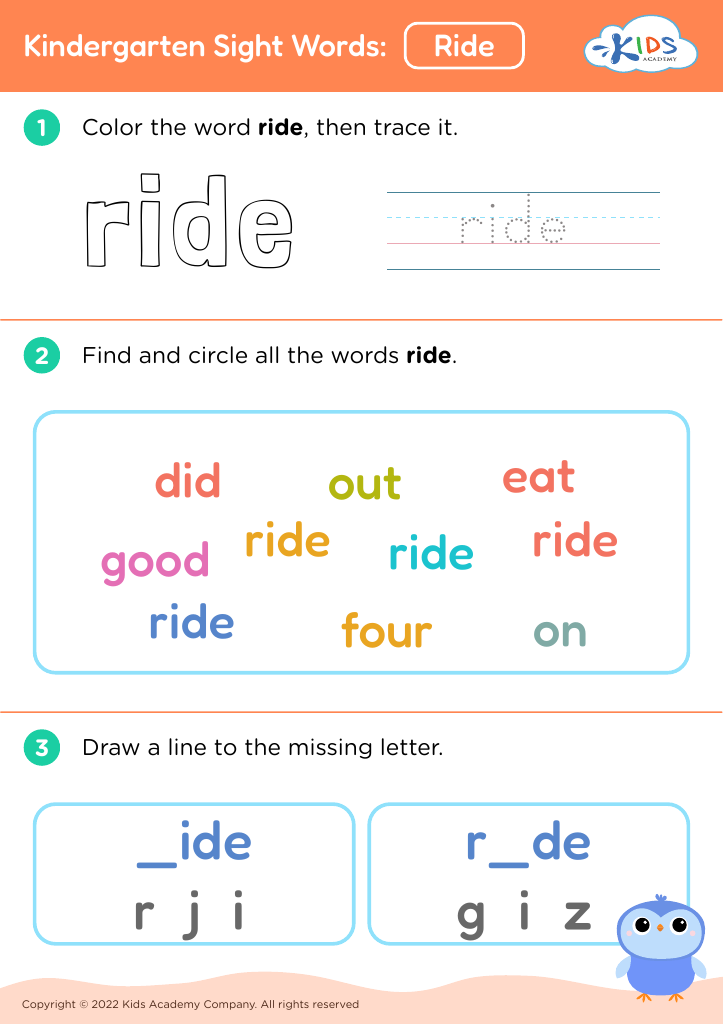
Boost your child’s math abilities while expanding their vocabulary with our engaging Building Vocabulary Worksheets for ages 6-8. These thoughtfully designed worksheets integrate essential math concepts like addition, subtraction, and numbers with vivid vocabulary exercises. With captivating themes and interactive activities, kids practice problem-solving and word recognition simultaneously. Ideal for early learners, this resource enhances critical thinking skills and supports both language and math proficiency. Perfect for classroom use or at-home learning, our worksheets make mastering math fundamentals fun and exciting. Give your child the confidence and skills to excel in both math and reading with these dynamic educational tools.
Favorites
With answer key
Interactive











Join Kids Academy for Free
Who is primarily going to use this learning content?








Improving math skills and building vocabulary for children ages 6-8 are crucial foundational steps that pave the way for academic success and overall cognitive development. During these formative years, children are exceptionally receptive to new information and concepts. Developing math skills helps cultivate logical reasoning, problem-solving abilities, and critical thinking, all of which are essential for tackling more complex subjects in the future. Simple arithmetic, understanding shapes, and basic measurement concepts prepare them for higher-level math.
Equally important, building a strong vocabulary enhances communication skills, reading comprehension, and the ability to express thoughts and ideas accurately. A rich vocabulary lays the groundwork for better understanding of written and spoken language, making it easier for children to learn across all subjects. Vocabulary building also positively impacts social skills, enabling children to engage more effectively with peers and adults.
Parents and teachers play vital roles in nurturing these skills by providing supportive learning environments, incorporating educational games, reading together, and encouraging inquisitive discussions. Engaging activities not only make learning fun but also reinforce important concepts, ensuring children develop confidence and a love for learning. Early investment in these areas fosters lifelong skills and establishes a solid academic foundation.








