Letter recognition Building Vocabulary Worksheets for Ages 6-8
6 filtered results
-
From - To
Enhance your child's reading proficiency with our "Letter Recognition Building Vocabulary Worksheets" designed for ages 6-8. These engaging and interactive worksheets help students identify letters while expanding their vocabulary. Each activity is tailored to promote essential skills in letter recognition, word formation, and phonemic awareness. By blending fun illustrations and challenging exercises, your child will develop confidence and establish a strong foundation in literacy. Whether at home or in the classroom, these worksheets are perfect for reinforcing learning in a playful manner. Explore our diverse collection and watch your child's reading abilities soar as they master letters and build new words!
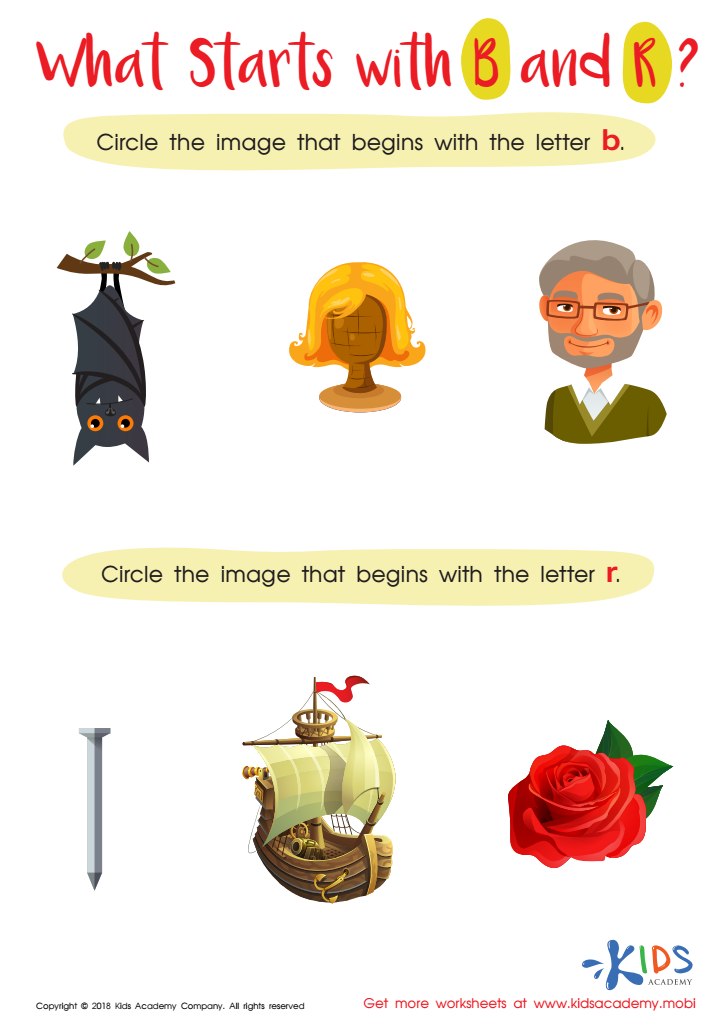
What Starts with B and R? Worksheet
 Assign to My Students











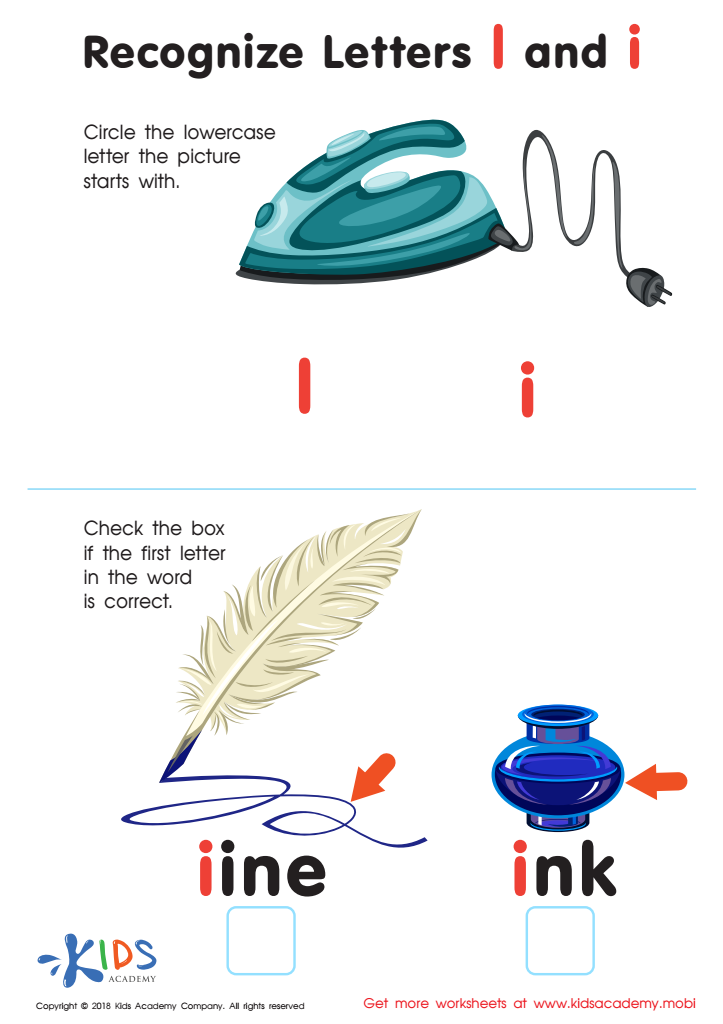
Recognize Letters l and i Worksheet
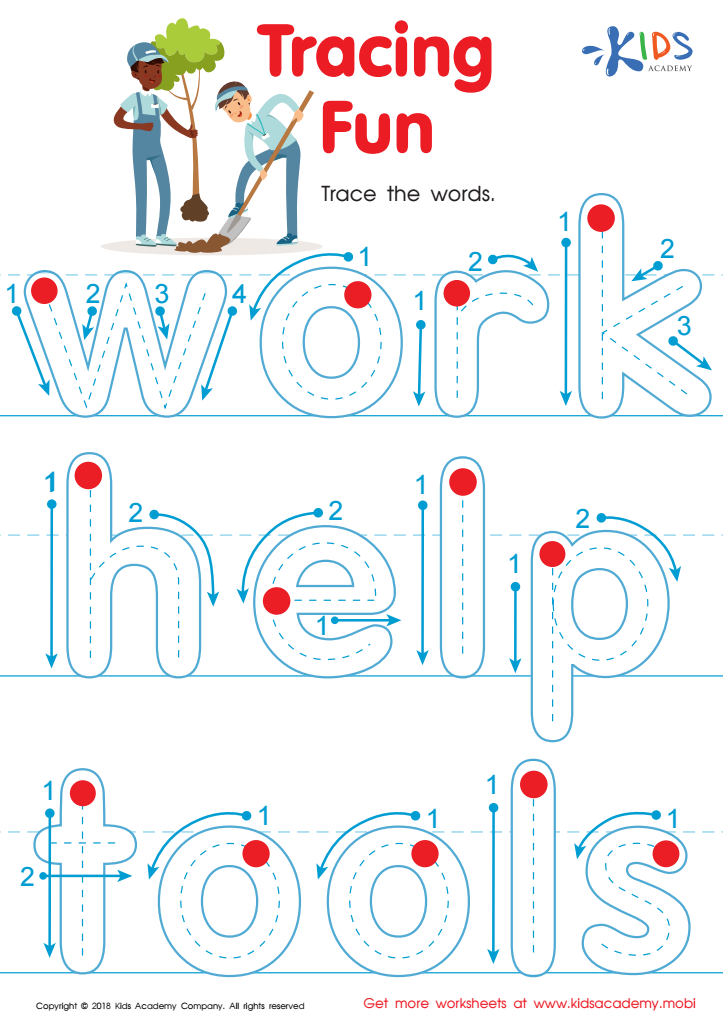
Tracing Fun Worksheet
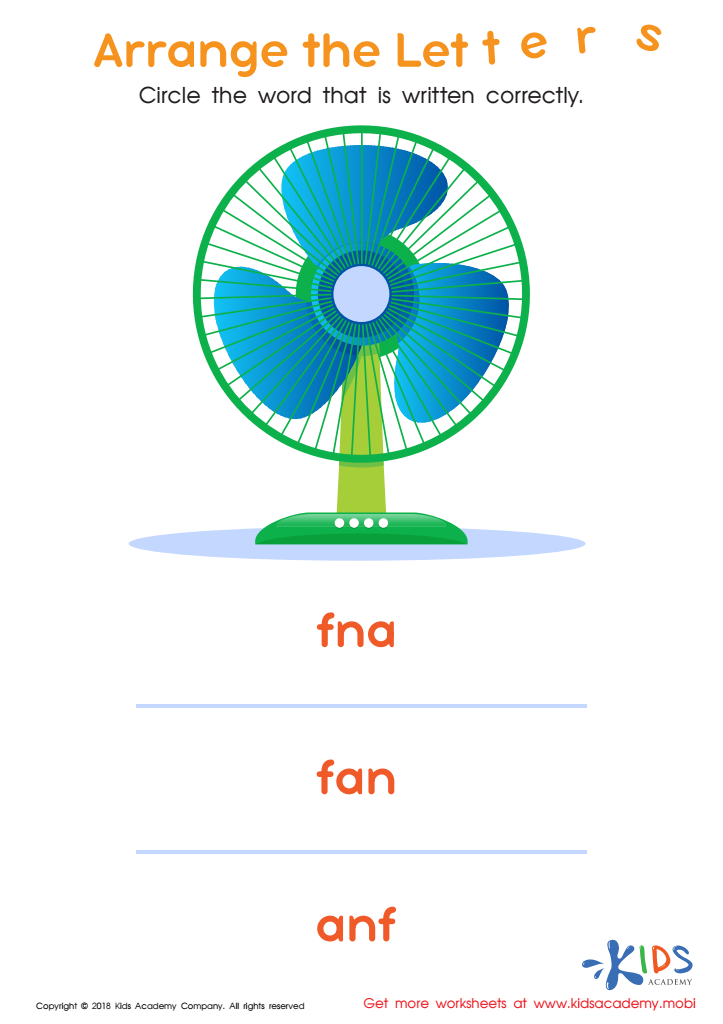
Arrange the Letters Worksheet
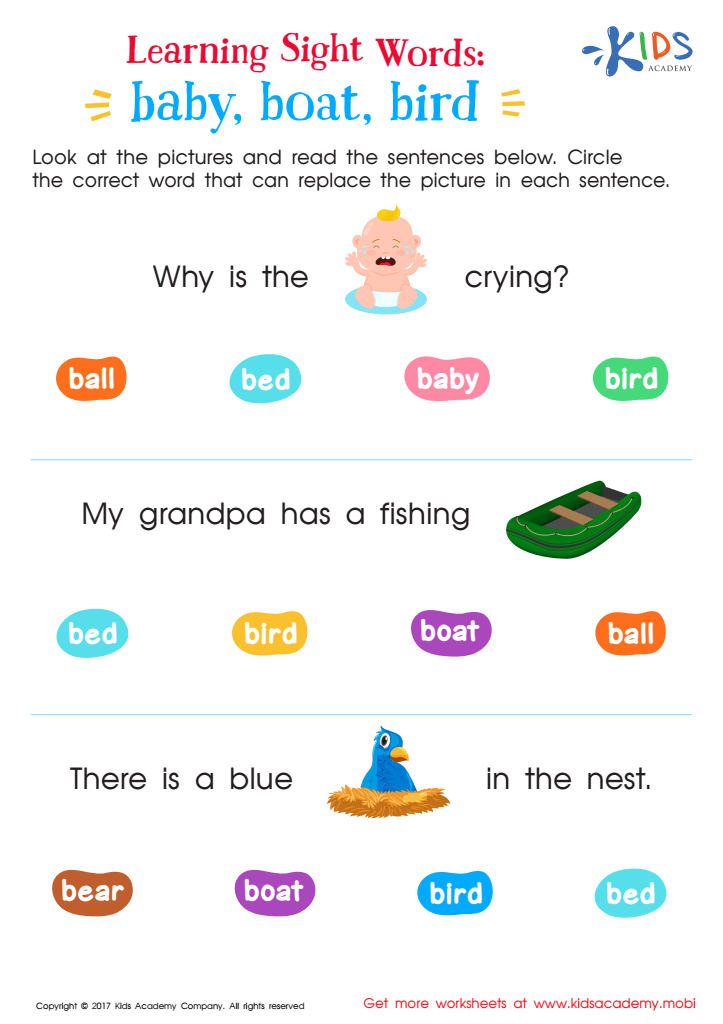
Baby, Boat, Bird Worksheet Sight Words Worksheet
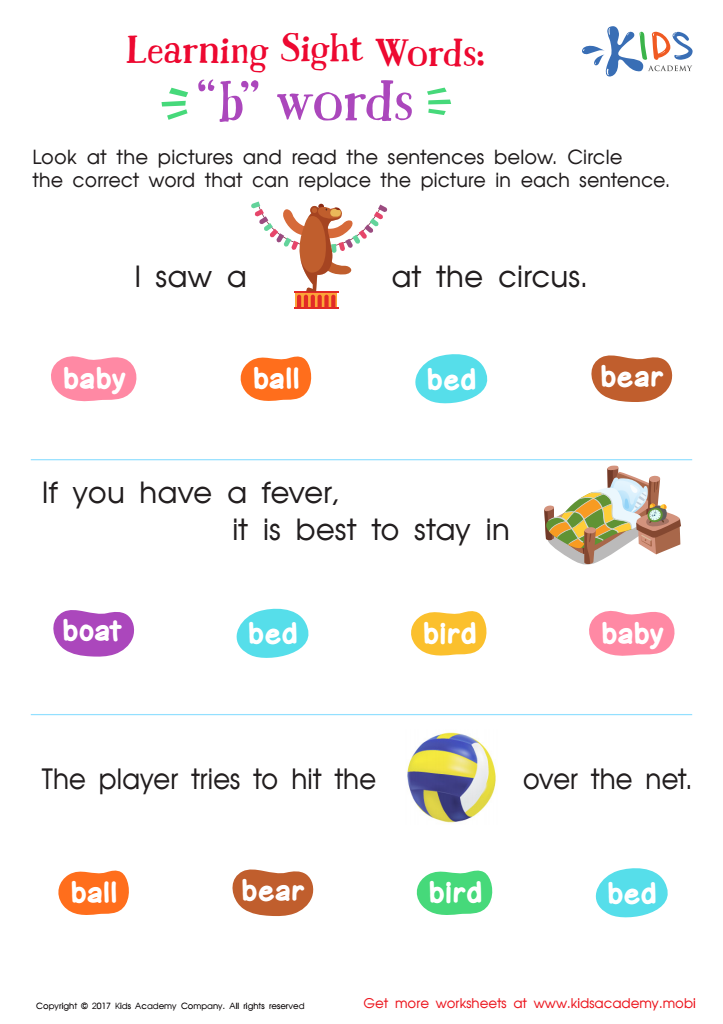
"B" Words Printable Sight Words Worksheet








Letter recognition and vocabulary building are fundamental components of literacy development for children ages 6-8. At this age, children typically transition from learning to read to reading to learn, making these skills crucial for their academic growth and success. Letter recognition serves as the foundation for reading, enabling children to decode words and comprehend text. When they can identify letters and their corresponding sounds, they gain the confidence to tackle more complex words and phrases, facilitating a smoother reading experience.
Building vocabulary during this stage is equally important. A rich vocabulary enhances a child's ability to express themselves effectively and understand diverse concepts. Exposure to new words not only improves reading comprehension but also enriches oral and written communication. When children learn new vocabulary in context—through stories, discussions, or interactive activities—they develop critical thinking skills and better grasp the connections between words and meanings.
For parents and teachers, fostering these skills is an investment in a child's future. It empowers them as learners and communicators, connecting them to the broader world. Engaging children with letter recognition and vocabulary-building activities creates a fun and enriching educational environment, laying the groundwork for lifelong learning and literacy.








