Number identification Building Vocabulary Worksheets for Ages 6-8
4 filtered results
-
From - To
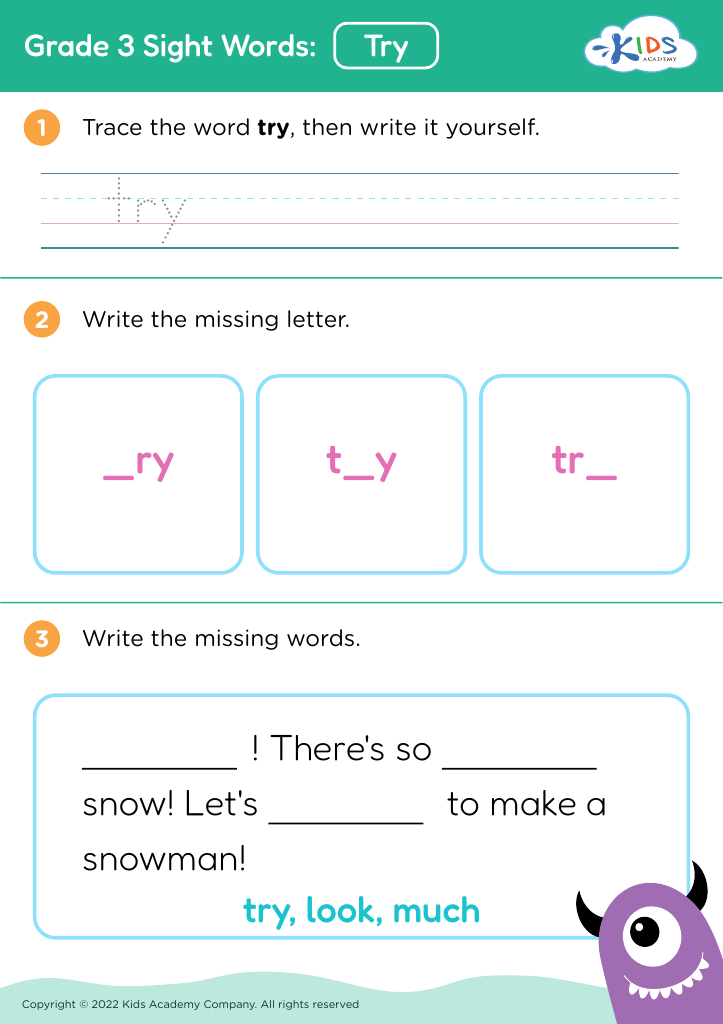
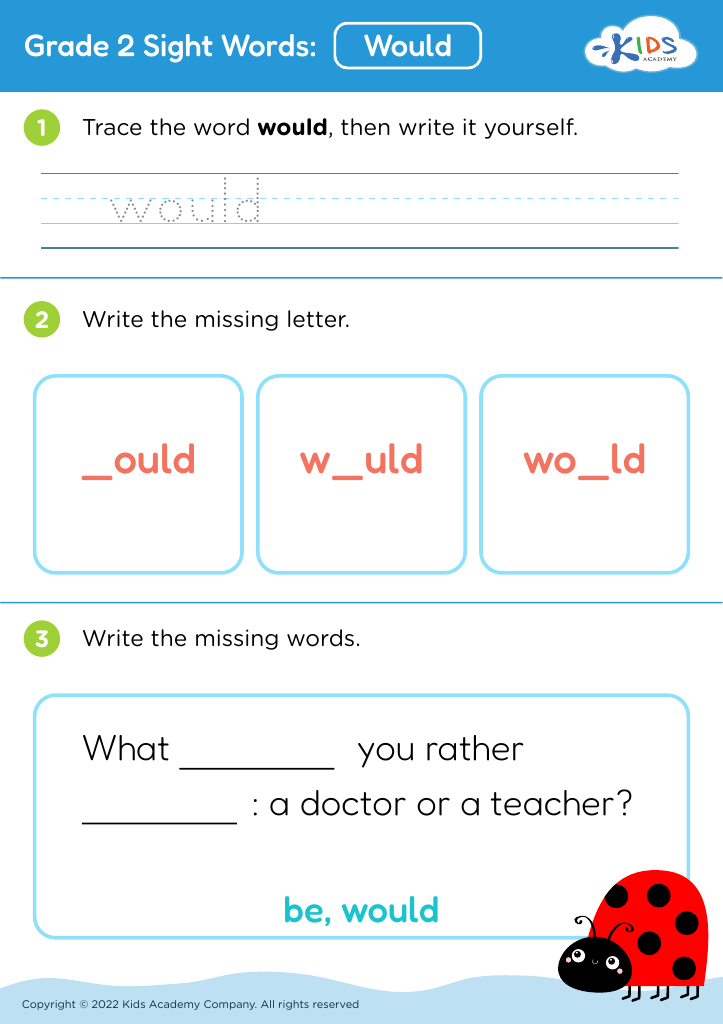
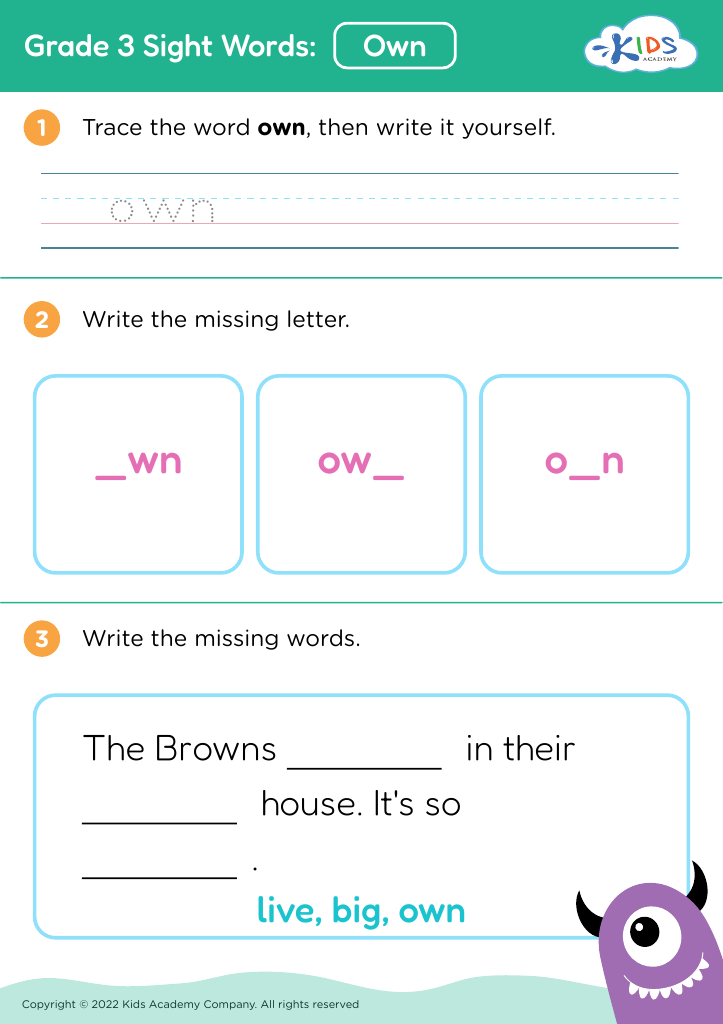
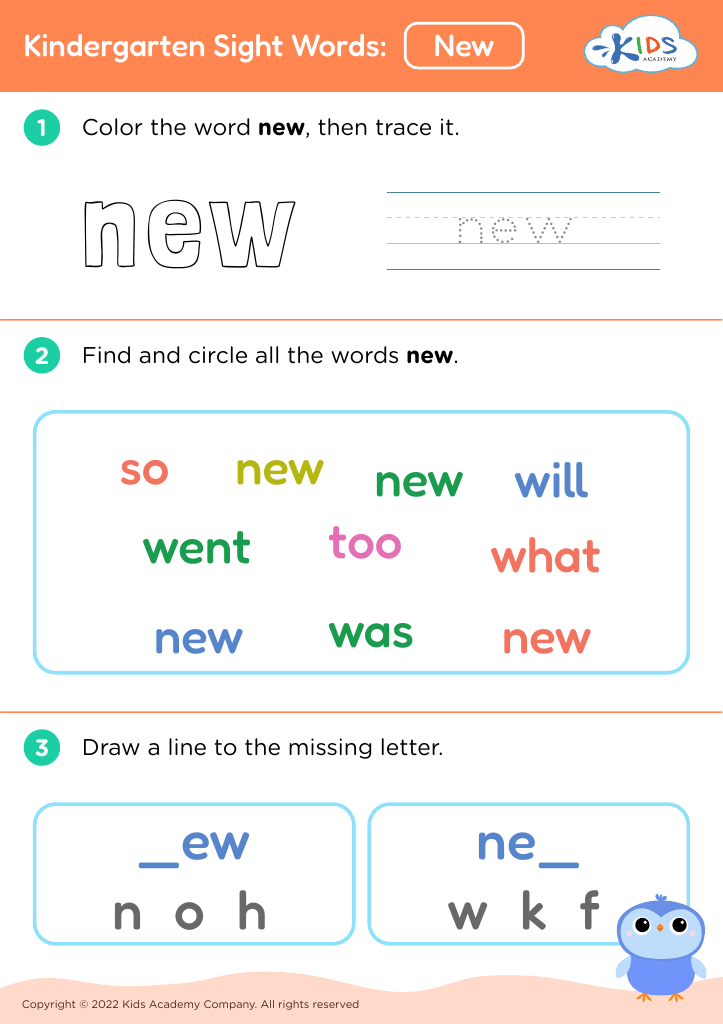
Enhance your child's number identification skills with our engaging Building Vocabulary Worksheets designed specifically for ages 6-8. These worksheets combine fun activities with fundamental math concepts, promoting number recognition and comprehension. Your young learners will explore various interactive exercises, such as matching numbers to pictures, counting objects, and completing number patterns, all aimed at fostering a strong numerical foundation. Ideal for both classroom and home learning environments, these worksheets not only enrich vocabulary but also boost confidence in math. Perfect for early grade teachers and parents alike, our resources ensure a fun and effective learning experience for your children. Explore our collection today!















.jpg)



Number identification and vocabulary building are crucial skills for children aged 6-8, as they serve as foundations for future learning in mathematics and literacy. During this developmental stage, children are naturally curious and eager to explore new concepts. By fostering number identification skills, parents and teachers can help children develop a strong mathematical understanding. Recognizing numbers allows children to not only perform basic arithmetic but also makes connections to everyday life, such as counting items, telling time, and understanding money.
Equally important is vocabulary building. A rich vocabulary enhances reading comprehension and communication skills, enabling children to express themselves more effectively. At ages 6 to 8, children are transitioning from learning to read to reading to learn, making vocabulary acquisition essential. Exposure to new words and concepts during this period is critical for academic success across subjects.
Moreover, fostering these skills encourages cognitive development, boosts self-esteem, and nurtures a love for learning. When parents and teachers prioritize number identification and vocabulary building, they equip children with tools to navigate school and everyday situations confidently, laying the groundwork for lifelong learning and critical thinking skills. Positive reinforcement in these areas helps cultivate resilient learners who are prepared for future challenges.








