Vocabulary expansion Building Vocabulary Worksheets for Ages 6-8 - Page 3
56 filtered results
-
From - To
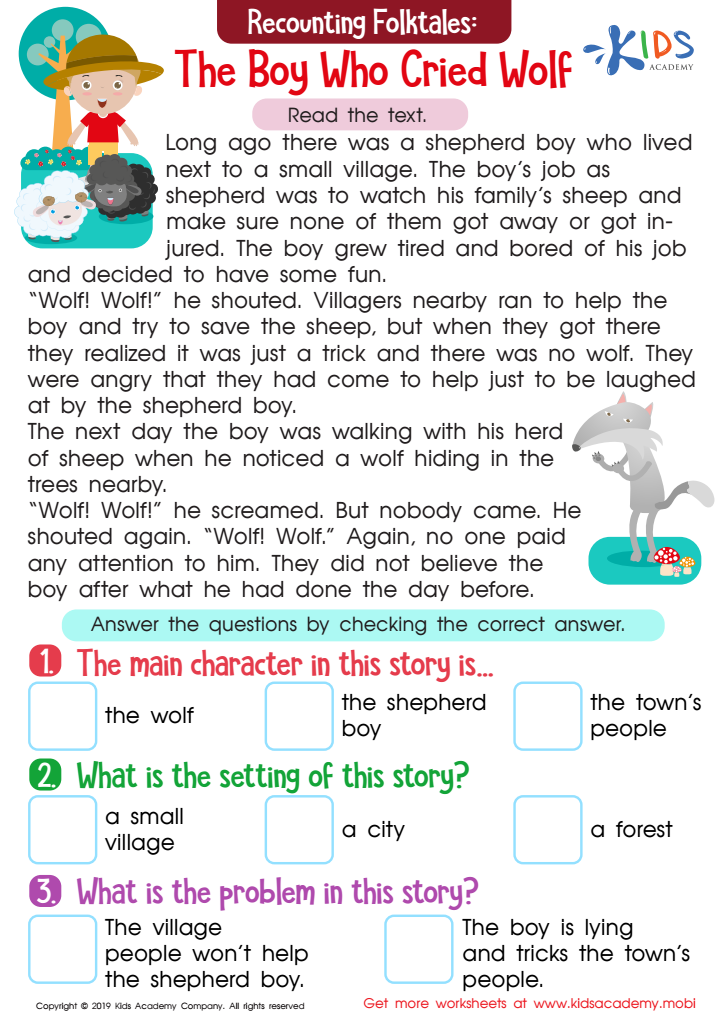
The Boy Who Cried Wolf Part 1 Worksheet
 Assign to My Students











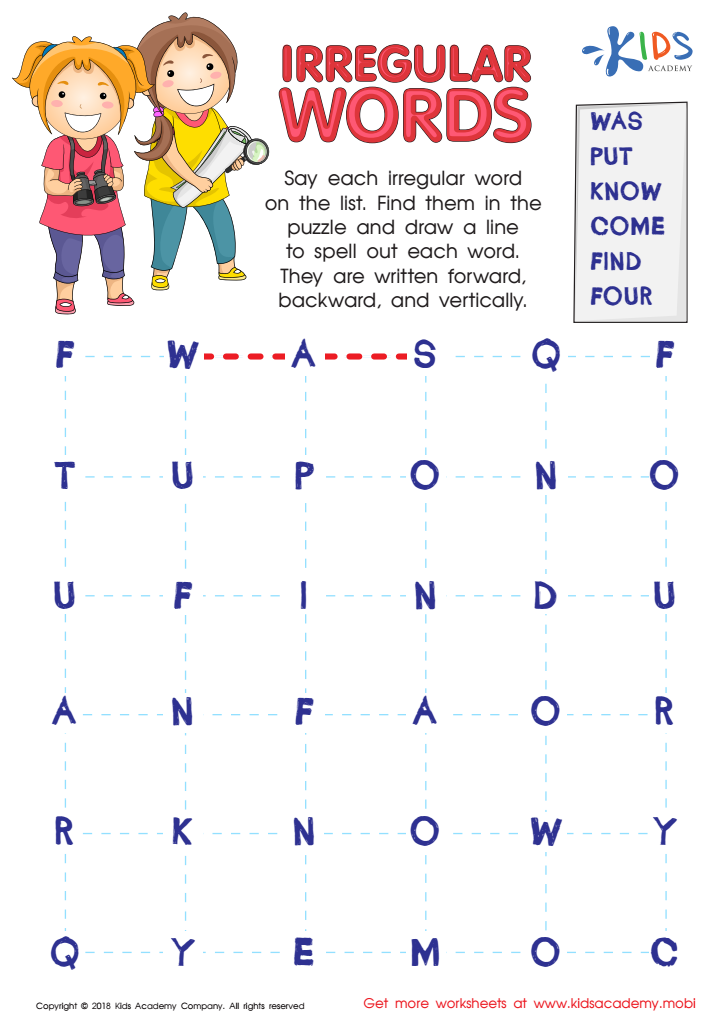
Irregular Words Worksheet
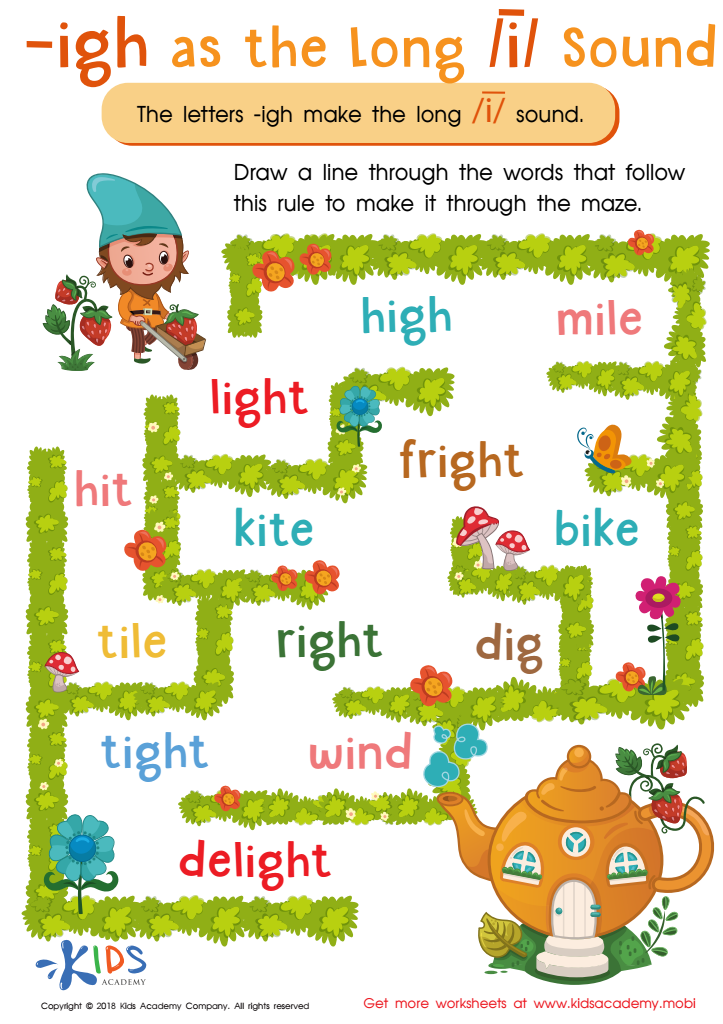
Reading: IGH as Long I Worksheet
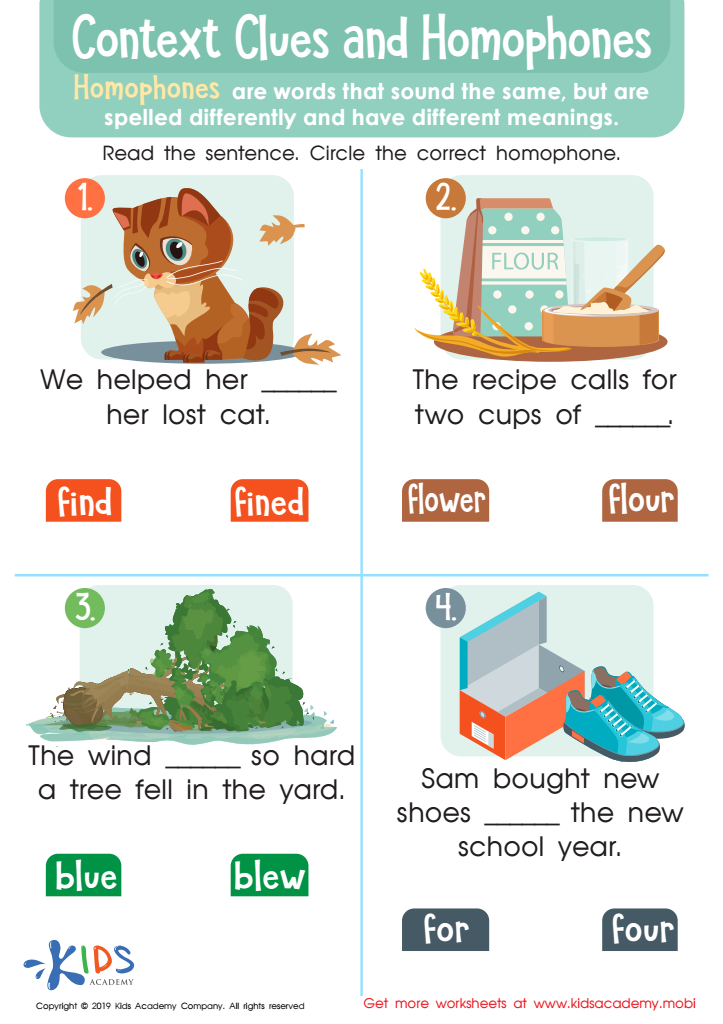
Context Clues and Homophones Worksheet
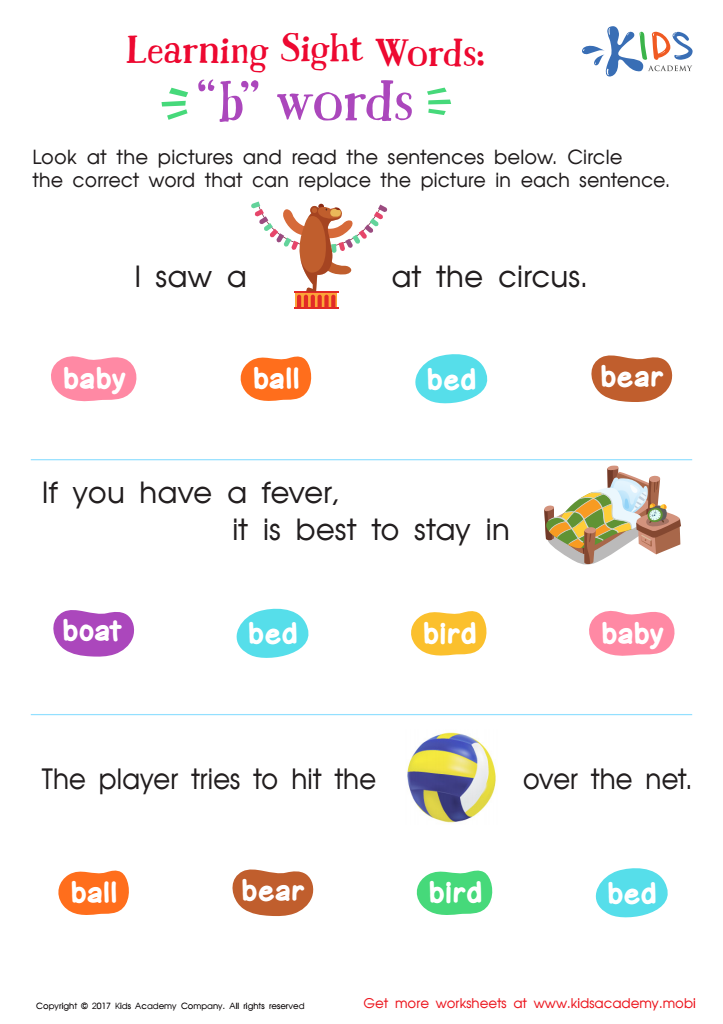
"B" Words Printable Sight Words Worksheet
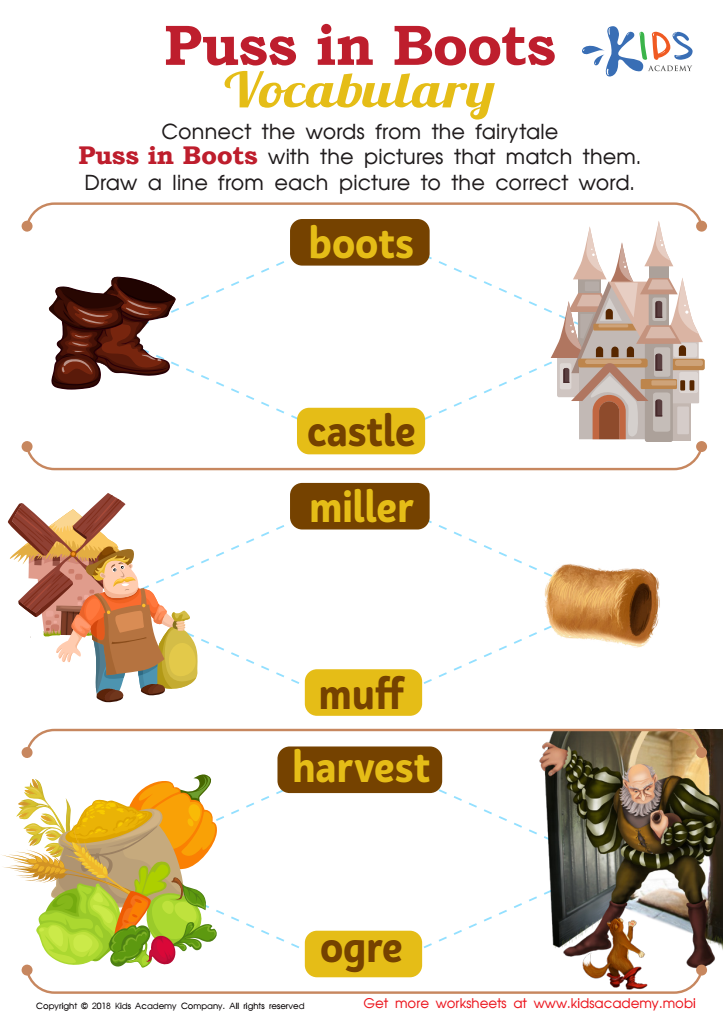
Puss in Boots Vocabulary Worksheet
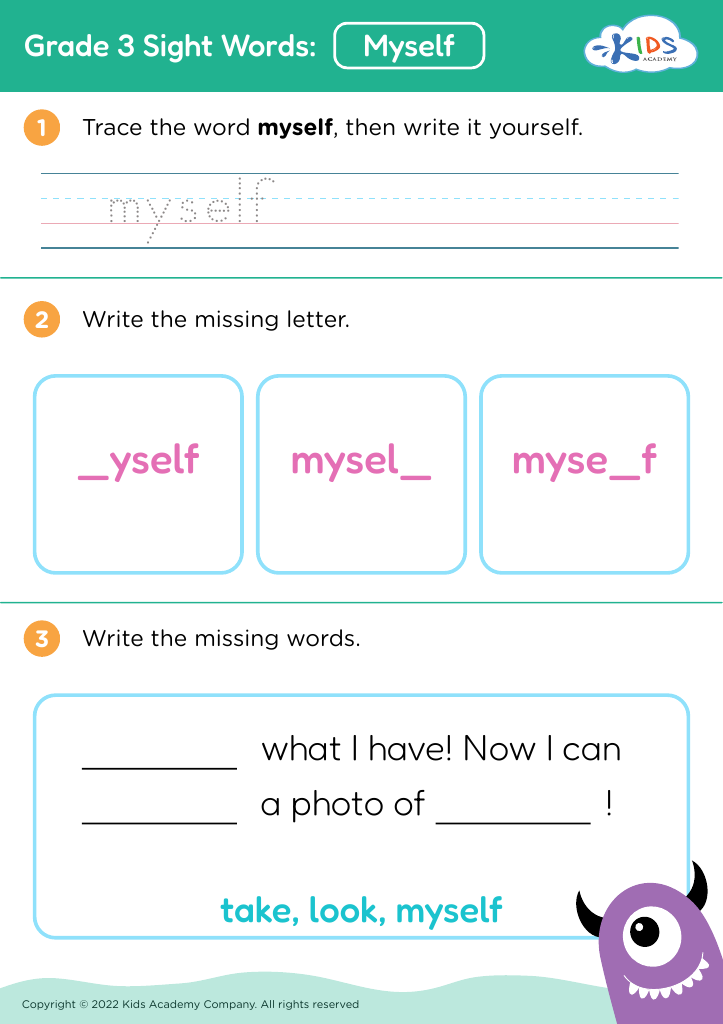
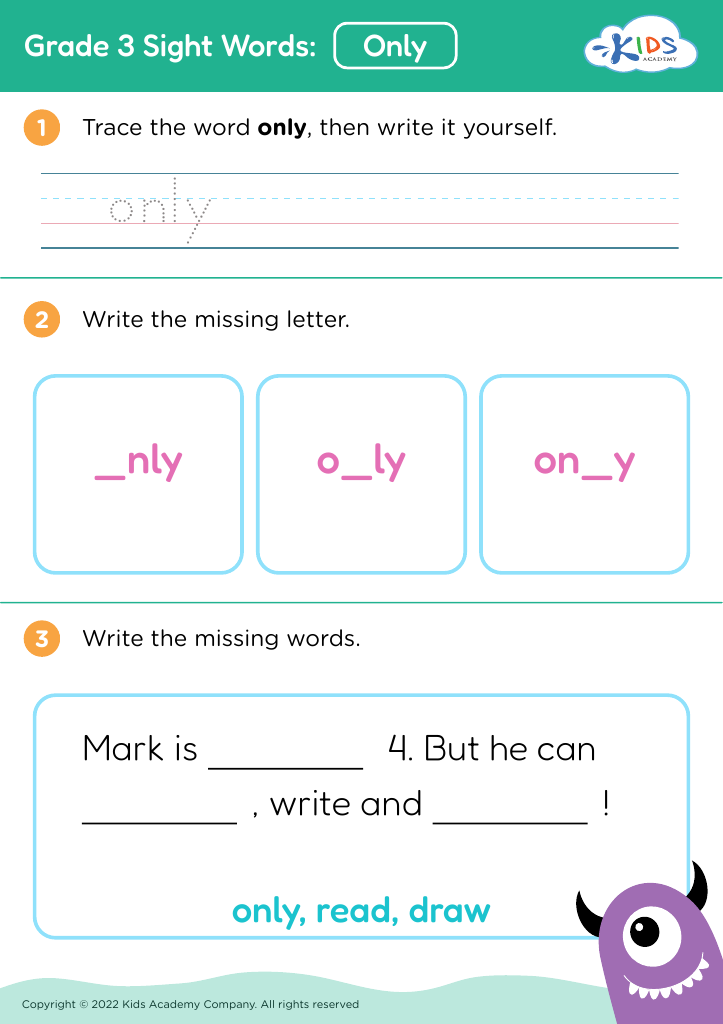







Vocabulary expansion is crucial for children aged 6-8 as it lays the foundation for future language and literacy development. At this formative stage, children transition from learning to read to reading to learn. A robust vocabulary enables them to understand new concepts more easily and enhances their comprehension skills. For example, encountering unfamiliar words while reading can hinder a child's ability to follow the text, leading to frustration and disinterest. This can impact their overall academic performance, as reading is integral to subjects beyond language arts, including science, math, and social studies.
Furthermore, a rich vocabulary allows children to express themselves more clearly and complexly, fostering strong communication skills essential for social interactions and emotional expression. When children have the words to articulate their thoughts and feelings, they are better equipped to navigate social situations, build relationships, and develop empathy.
Engaged vocabulary building, through activities like reading diverse books, playing word games, and engaging in meaningful conversations, makes learning interactive and fun, keeping young minds curious and motivated. Therefore, parents and teachers should prioritize vocabulary expansion, as it is an investment in a child's cognitive development, academic success, and personal growth, creating lifelong learners and effective communicators.








