Basic Addition Skills Reading Worksheets for Ages 6-8
6 filtered results
-
From - To
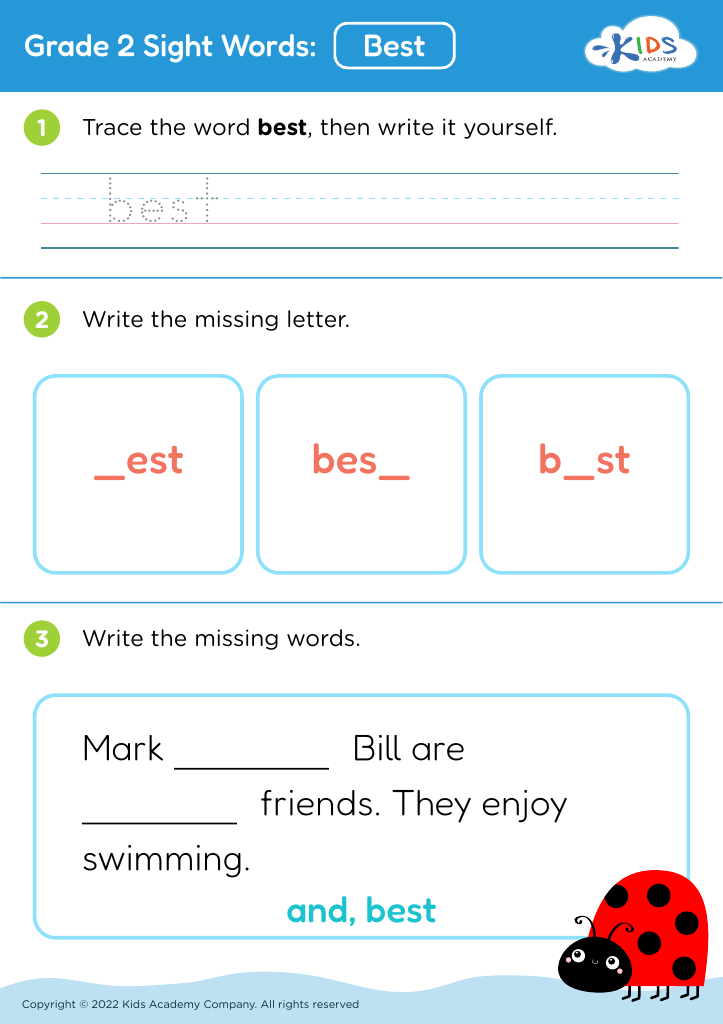
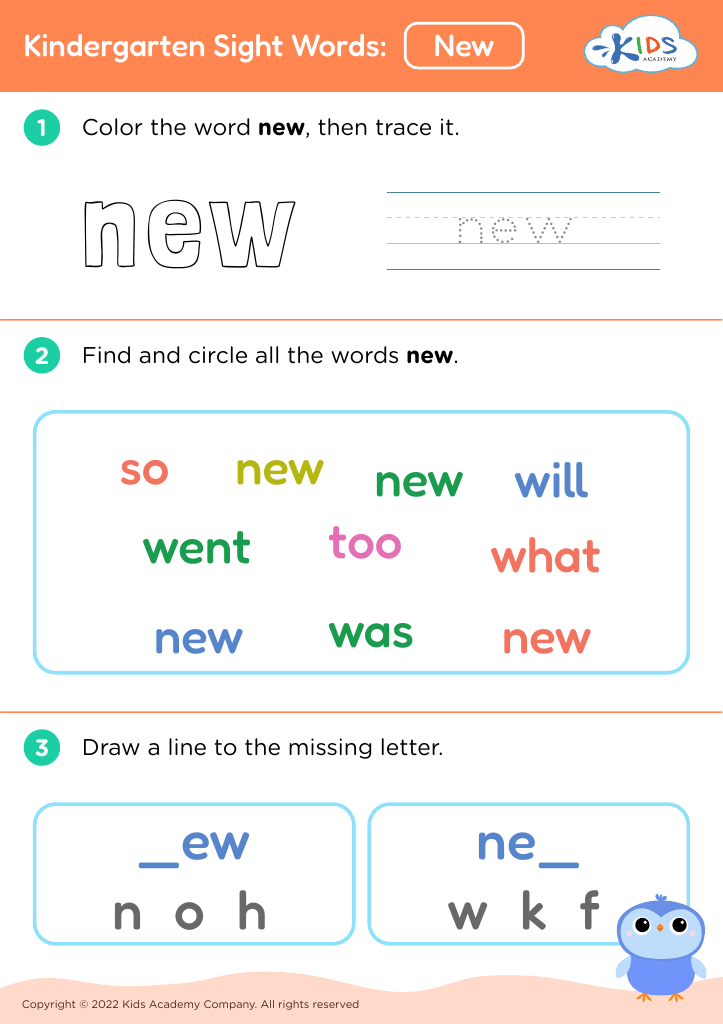
Foster foundational math skills with our "Basic Addition Skills Reading Worksheets" designed for ages 6-8! These engaging worksheets seamlessly blend reading with basic addition exercises to enhance both literacy and numeracy. Each worksheet introduces young learners to simple addition problems, helping to build confidence and proficiency through fun, interactive activities. Perfect for classroom or at-home practice, these resources support early math learners with visual aids and easy-to-follow instructions. Equip your child with the tools they need to excel in math with our expertly crafted worksheets, ensuring they enjoy learning every step of the way!








Parents and teachers should care about basic addition skills for children aged 6-8 because these fundamental math skills lay the groundwork for future academic success and real-world problem-solving abilities. At this age, children are in a critical developmental stage where they are acquiring foundational competencies that will impact their entire educational trajectory.
Mastering basic addition is essential because it forms the backbone of more complex mathematical concepts, such as subtraction, multiplication, division, and fractions. A strong grasp of addition enables children to approach these advanced topics with confidence and competence. Furthermore, early success in math fosters a positive attitude toward the subject, reducing math anxiety and increasing a child's overall enthusiasm for learning.
In addition to its academic importance, basic addition skills are crucial for everyday tasks. Whether it's managing an allowance, calculating change, or understanding measurements in cooking, these skills are part of daily life. By helping children hone their basic addition abilities, parents and teachers are equipping them with essential tools for independence and practical problem-solving.
Moreover, developing these skills at an early age reinforces cognitive and logical thinking abilities, enhancing overall intellectual development. Ensuring children are competent in basic addition sets them up for long-term success, both in school and beyond, making it a critical area of focus for parents and educators alike.








