Drawing skills Reading Worksheets for Ages 6-8
3 filtered results
-
From - To
Unlock your child’s creativity and enhance their reading skills with our engaging Drawing Skills Reading Worksheets designed for ages 6-8! These printable worksheets combine art and literacy, allowing young learners to illustrate their understanding of stories and characters while improving comprehension. Each fun activity encourages children to express their imagination through drawing, reinforcing key reading concepts alongside artistic expression. Perfect for home or classroom use, these worksheets provide an entertaining approach to developing important skills. Foster a love for reading and drawing with our specially crafted resources, helping children build confidence and creativity as they explore the world of stories. Download for free today!
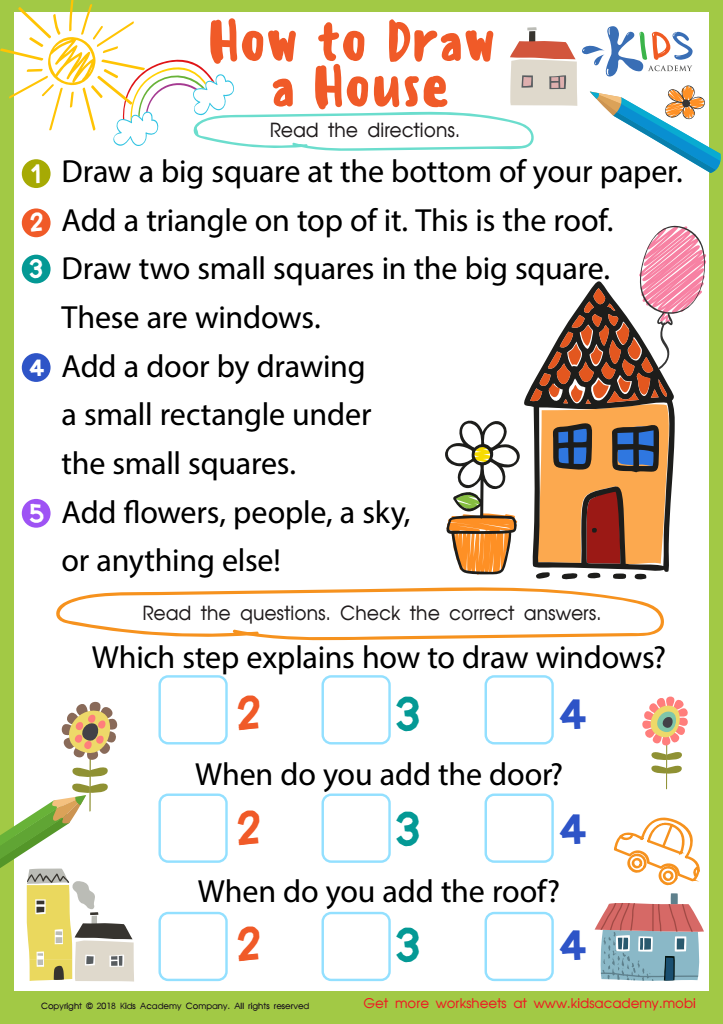
How to Draw House Worksheet
 Assign to My Students
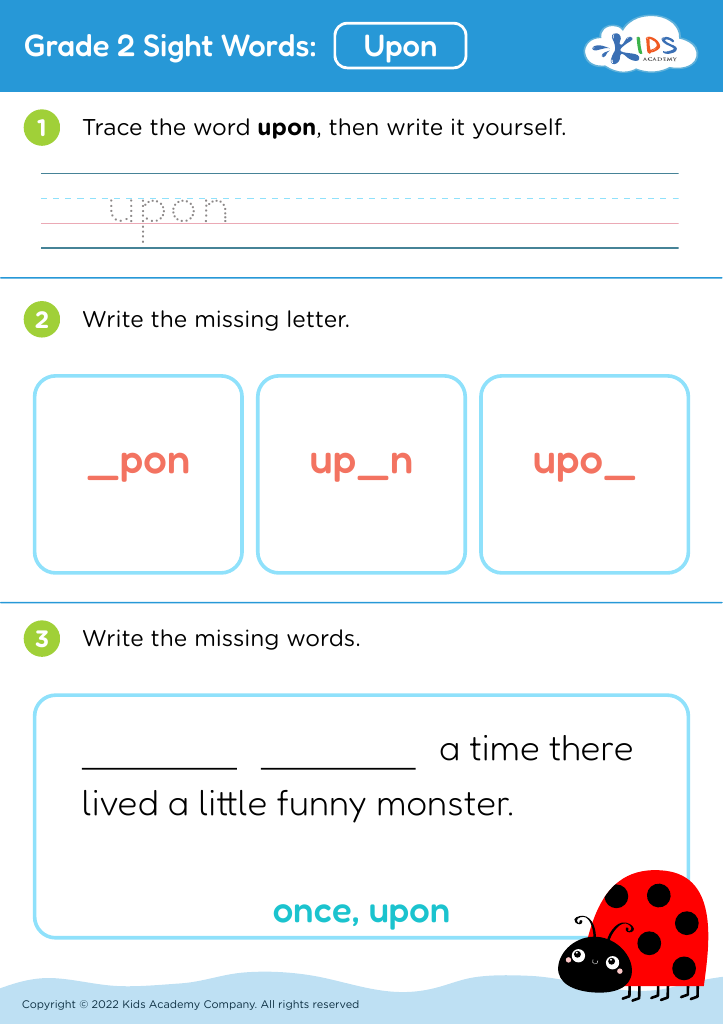
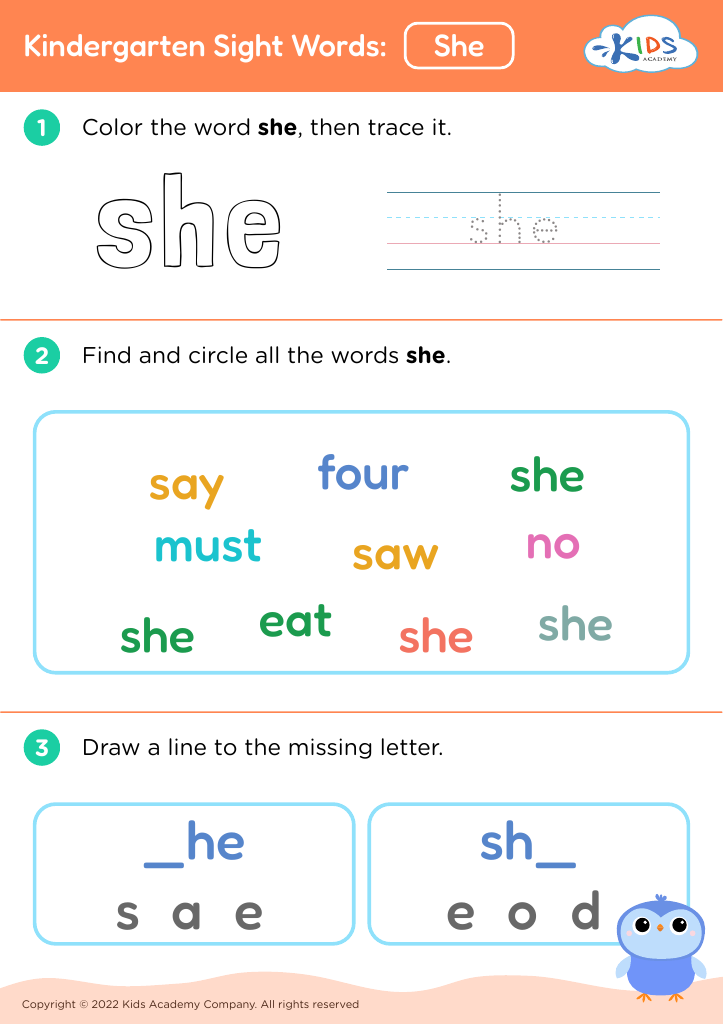





Drawing skills and reading are interconnected abilities that significantly benefit children aged 6 to 8. At this developmental stage, children are honing their motor skills, cognitive development, and creative expression. Drawing not only helps in the improvement of fine motor skills but also enhances spatial awareness and visual learning—all vital components of literacy. As children create drawings, they practice storytelling, which fosters imagination and thematic understanding, crucial for reading comprehension.
In addition, drawing allows children to express emotions and thoughts that they may not yet have the words for, giving them the confidence to engage in discussions about the stories they read. Encouraging drawing alongside reading helps to create a more enriching and multimodal learning experience.
Teachers and parents should care about fostering drawing skills because it contributes to a child's overall literacy development. When children can visualize what they read through drawing, they often have a deeper understanding of the text. By integrating both activities, adults can help nurture a love of reading while also facilitating the growth of creativity and problem-solving abilities. This holistic development not only supports academic success but also prepares children for future challenges in and out of the classroom.








